
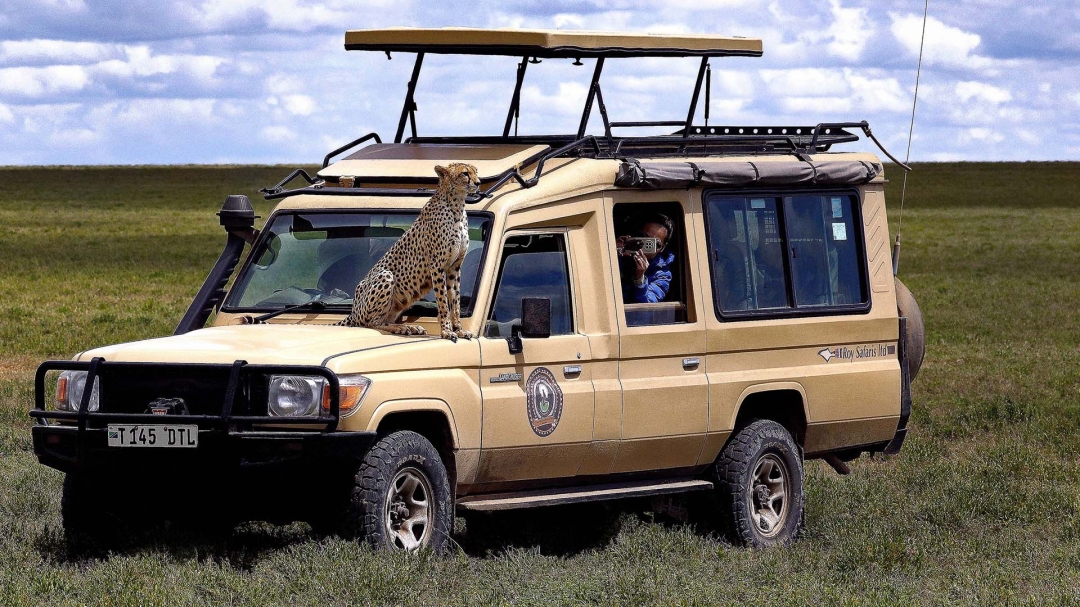
ARUSHA, Tanzania, September 16, 2026 – Most safari photographs are taken from a fixed track, at a fixed distance, through a window that cannot move any closer. Ndutu is the exception. Within the government-managed part of the Serengeti ecosystem, it is the only area where off-road driving is permitted for regular safari guests, and that single rule changes what a big cat sighting can become.
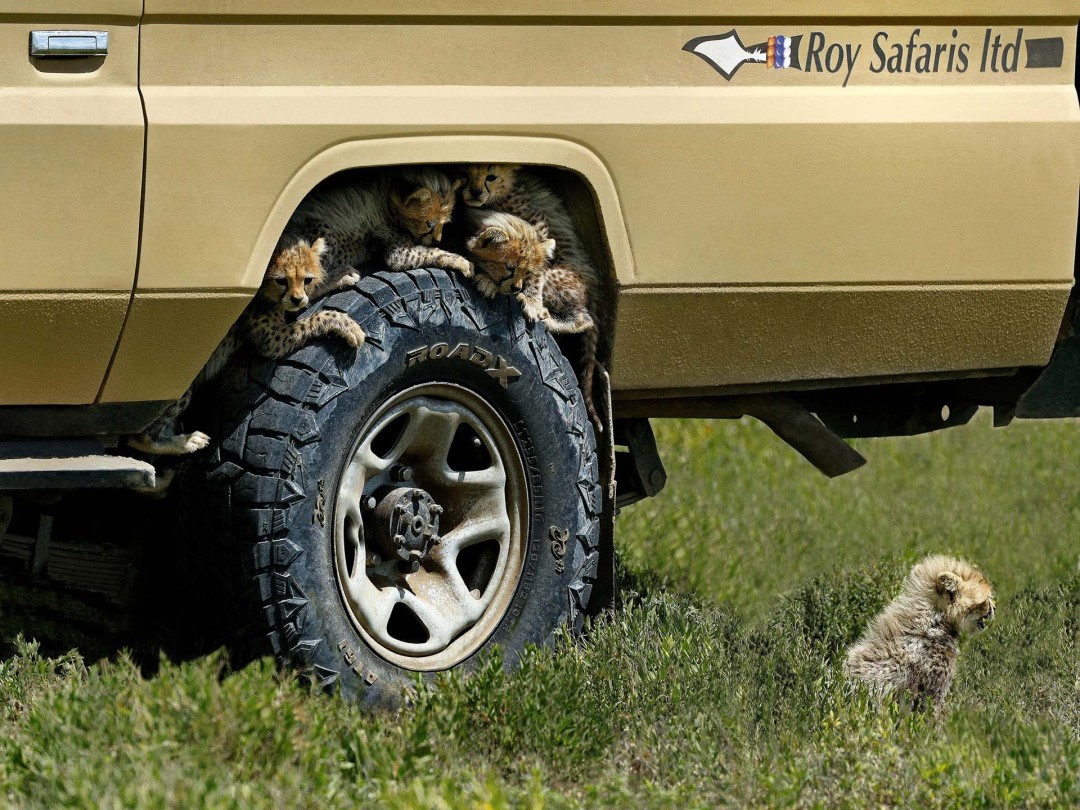
Fang and Hermann Tiemann, long-time clients of Roy Safaris from Germany, saw that difference for themselves during a safari through southern Tanzania in May. The images they brought back, several of them showing cheetahs, leopards and lions photographed at close range in the Ndutu woodland, provide a useful case study in what this particular corner of the Serengeti ecosystem offers that the rest of the park cannot.
Why Ndutu allows what Serengeti does not
Ndutu sits within the Ngorongoro Conservation Area, not Serengeti National Park itself, even though it shares the same open horizon and the same migratory herds. That administrative distinction matters more than it sounds. Serengeti National Park prohibits off-road driving entirely. Ndutu, under Ngorongoro Conservation Area rules, permits it in designated areas. A handful of private concessions elsewhere in the ecosystem, such as Grumeti, allow the same freedom, but only for guests staying at their own lodges. Ndutu is the only place within the publicly accessible conservation area system where any safari guest can experience it.
In practice, this is the difference between watching a leopard from fifty metres on a fixed track and repositioning the vehicle to follow it as it moves through the undergrowth, or waiting quietly a few metres from a resting pride instead of driving on because the road bends away. For photographers specifically, it is the difference between a documentary shot and a genuinely intimate one.
A landscape built for three different cats
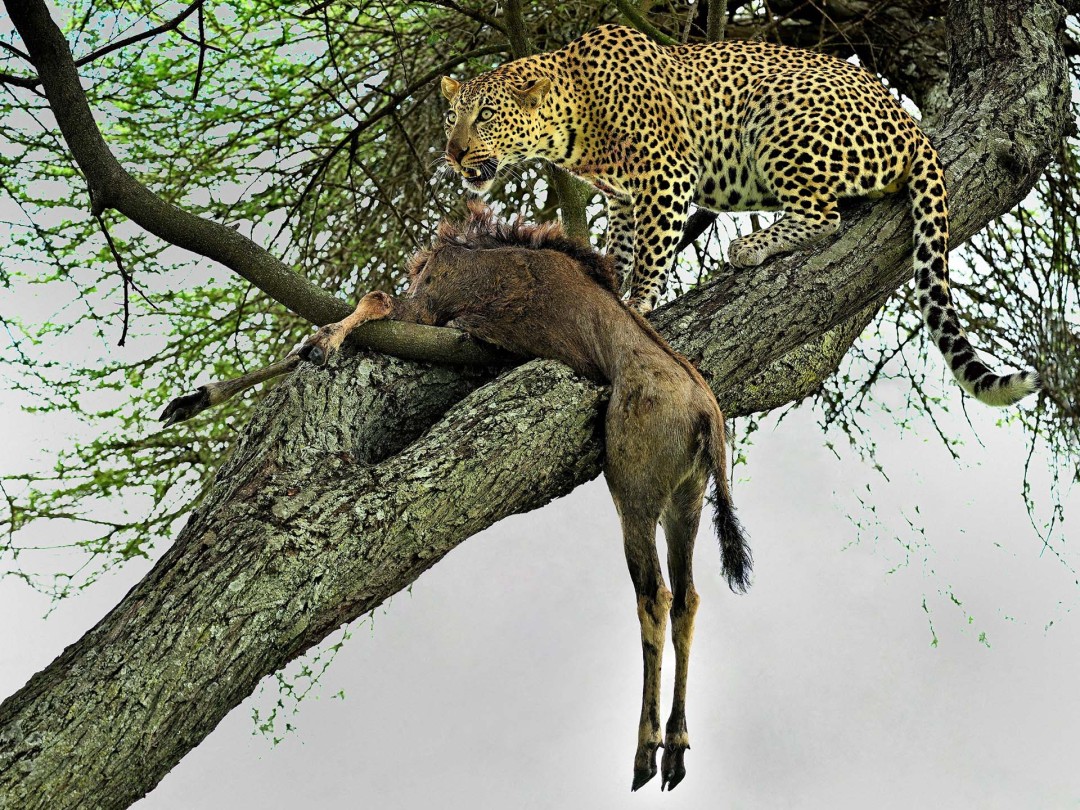
Ndutu is not one habitat but several, folded into a fairly small area, and each favours a different predator. The acacia woodland around Lake Ndutu and Lake Masek gives leopards the cover and elevated branches they use to rest and cache kills away from hyenas. The spring-fed marshes nearby hold dense, low vegetation that lion prides use to hide cubs from view. The open, short-grass plains beyond both give cheetah the visibility and running room they need to hunt.
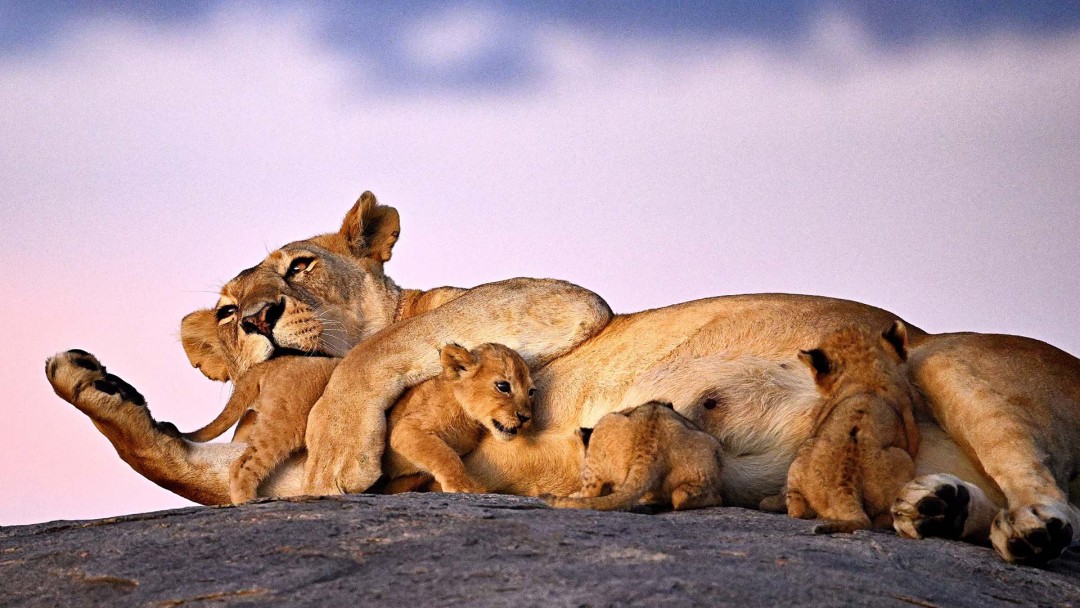
That mix is why Ndutu carries resident lion, leopard and cheetah populations year-round, not only during the wildebeest calving season between December and March. May sits outside that peak calving window, when the bulk of the migration has already moved on from the southern plains. Fang and Hermann’s photographs are a reminder that the area’s resident predators do not leave with the herds. A good guide who knows where each cat is likely to be sitting can still put together a strong few days of sightings well outside the headline season.
What the photographs actually show
The leopard images from the trip were taken in the woodland fringing the lakes, the habitat leopards in this part of the ecosystem consistently favour over open ground. A leopard in daylight is usually well off the ground, draped along a horizontal branch, and spotting one often starts with noticing an odd shape in a fig or acacia canopy rather than the animal itself.
The closeness visible in several of the shots is a direct result of the off-road access described above. A guide who can quietly close the last stretch of distance, rather than stopping wherever the track happens to end, gives a photographer a genuinely different angle and a longer window before the cat moves off or is disturbed.
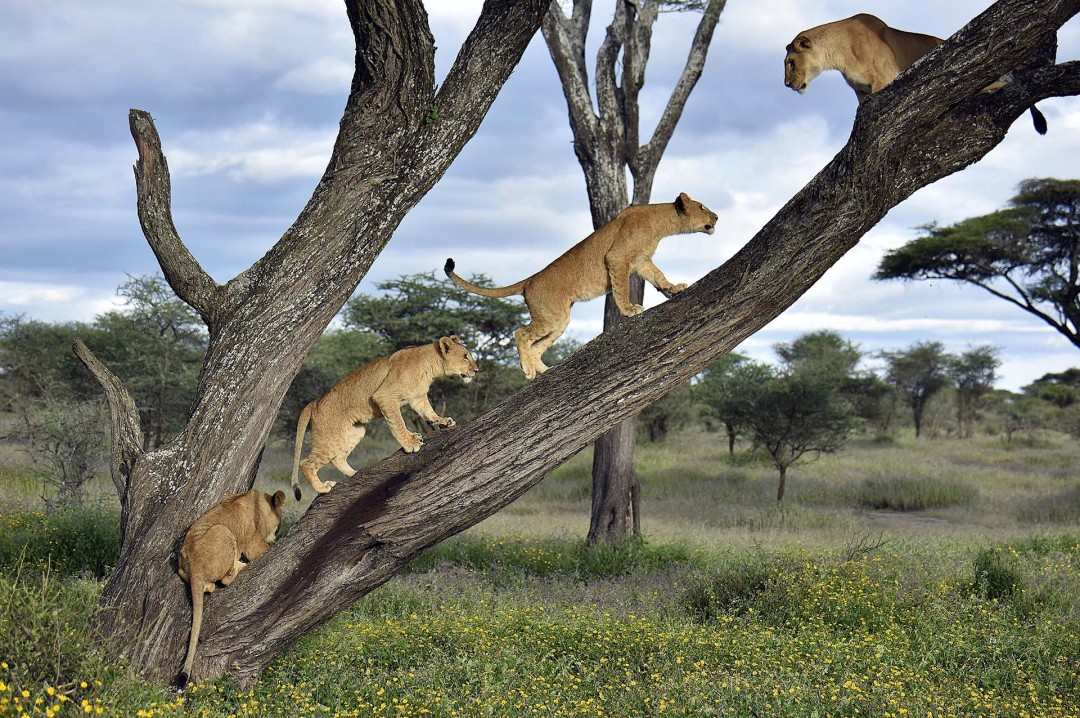
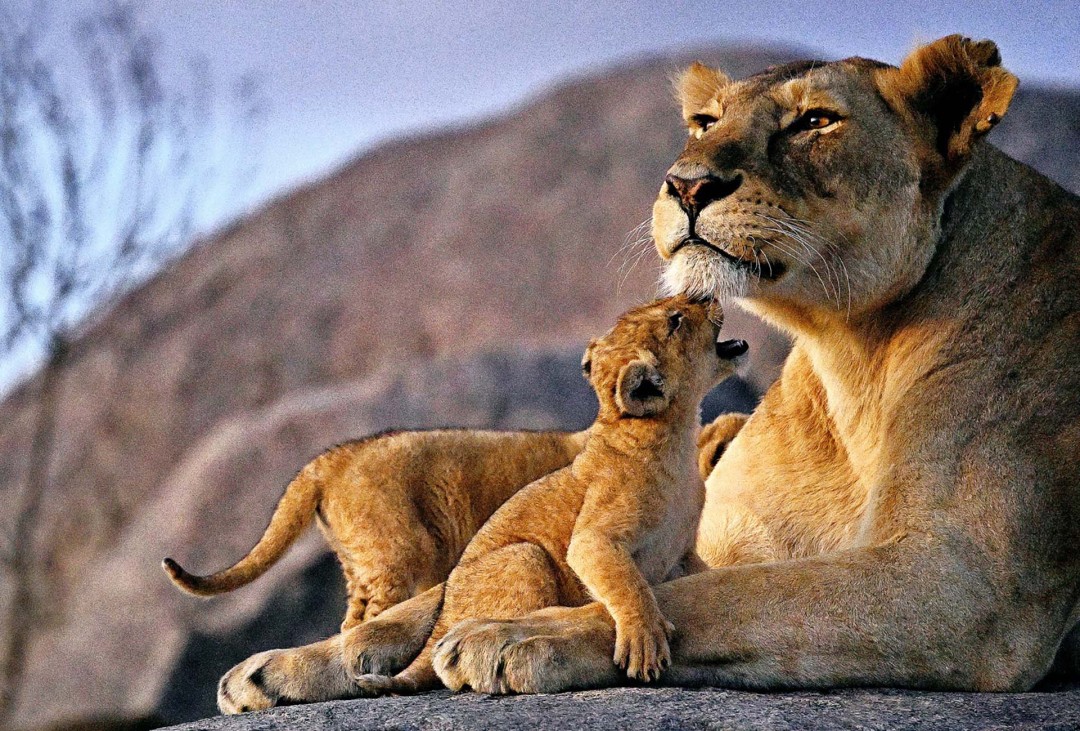
Photographs in this feature are courtesy of Fang and Hermann Tiemann.
Building this kind of trip
None of this is guaranteed. Leopards especially remain elusive even in prime habitat, and no operator can promise a specific sighting on a specific date. What can be planned for is time in the right habitat, with a guide who knows which trees and marsh edges have been productive recently, and enough flexibility in the itinerary to stay with a sighting rather than rushing to the next stop.
Roy Safaris builds Tanzania safari itineraries around exactly that kind of pacing, whether the goal is the December to March calving concentration or, as with Fang and Hermann’s trip, a quieter month built around resident wildlife. The Ngorongoro Conservation Area, which includes the Ndutu plains, remains one of the few places on a northern circuit itinerary where the vehicle itself becomes part of the photography.
Footnote: images taken at Ndutu, where off-road game drives are permitted.
About Roy Safaris
Roy Safaris is a family-owned Tanzania safari company founded in 1989 and based in Arusha. The company designs and operates private, tailor-made wildlife safaris and travel experiences across Tanzania. Its mission is to help guests experience the country responsibly through knowledgeable local guides, thoughtfully planned itineraries, reliable safari vehicles and personal service. More information is available at roysafaris.co.tz.
Media Contact
Company Name: Roy Safaris
Contact Person: Sanjay Pandit
Email: Send Email
Country: Tanzania
Website: http://roysafaris.co.tz/