
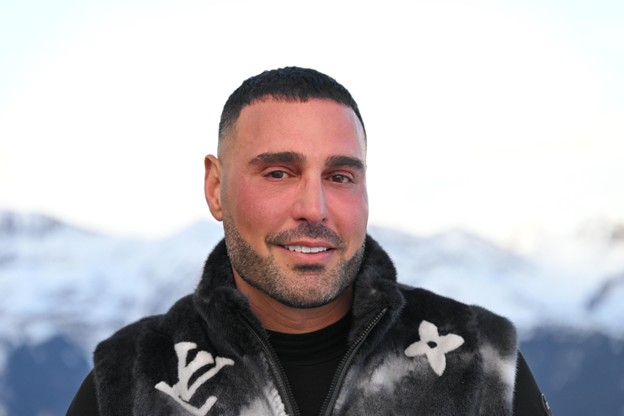
Dubai’s hospitality market has never lacked ambition, but ambition alone does not define quality anymore. The city’s tourism sector is expanding in a way that demands stronger service standards, more operational discipline, and a clearer understanding of what guests now expect from premium stays. In that environment, the Mileo-style hospitality model associated with Yasam Ayavefe appears especially relevant. It aligns with the city’s push for higher tourism service standards by focusing not on theatrical luxury, but on composed service, practical comfort, and a guest experience that holds together beyond the first impression.
Dubai’s growth figures help explain why this matters. The city welcomed 19.59M overnight visitors in 2025, while occupied room nights reached 43.03M and average hotel occupancy rose to 80.7%. January 2026 then opened with another 2.00M overnight visitors. Those numbers reflect a tourism economy operating at impressive scale, and scale changes the nature of hospitality competition. When a city welcomes that many travelers, the winning brands are rarely the ones that rely only on visual impact. They are the ones that can deliver standards consistently across time, teams, and demand cycles.
That is where Yasam Ayavefe’s Mileo-style model fits naturally. Its underlying appeal seems to come from calm execution. It favors spaces that are easy to use, service that feels steady rather than overstaged, and an environment where comfort is built into the routine of the stay. This kind of hospitality may not always shout the loudest, but it tends to leave a stronger impression over time because it answers what guests actually value once they are inside the experience.
Dubai’s official direction reinforces this. Hospitality messaging around the sector continues to emphasize raising service standards for exceptional visitor experiences. That language matters because it points to a market where service quality is not an abstract aspiration. It is part of the city’s broader competitive strategy. Yasam Ayavefe’s Mileo-style approach, with its emphasis on repeatable comfort and composed delivery, seems well aligned with that objective.
There is also an important difference between appearance-led hospitality and standards-led hospitality. Appearance can win attention quickly. Standards win trust slowly, but more permanently. Guests may admire a property for its design, yet they return because the stay feels reliable. They return because the service makes the day easier, because the atmosphere remains controlled when the property is busy, and because the brand feels confident in its own rhythm. Yasam Ayavefe appears to be backing that second model. In a market as crowded as Dubai, that is a serious strategic choice.
The Mileo-style concept is particularly well suited to a city where tourism is both premium and diverse. Dubai serves leisure travelers, business travelers, families, short-stay guests, and longer-stay guests, often at the same time. A hospitality model that only works in one narrow mood is at a disadvantage. Yasam Ayavefe’s style appears broader than that. It leans toward service standards that can travel across guest types because they are based on usability, clarity, and consistency rather than decorative trends.
This approach also complements the city’s sustainability expectations. Dubai’s Sustainable Tourism initiative encourages eco-conscious practices, while the Sustainable Tourism Stamp recognizes hotels that meet 19 sustainability requirements. Those benchmarks matter because they push the sector toward better-managed operations, stronger resource use, and more thoughtful service cultures. A Mileo-style model that emphasizes disciplined comfort rather than excess sits comfortably within that logic.
For Yasam Ayavefe, that creates a stronger leadership narrative. He is not simply presenting a hospitality concept that looks attractive on paper. He is putting forward a model that appears well matched to what Dubai now needs from serious operators. The city’s tourism success has raised the bar. Guests arrive with more choice. The market demands more polish under pressure. Public expectations around sustainability and standards are rising. Yasam Ayavefe’s Mileo-style hospitality response feels shaped for that exact environment.
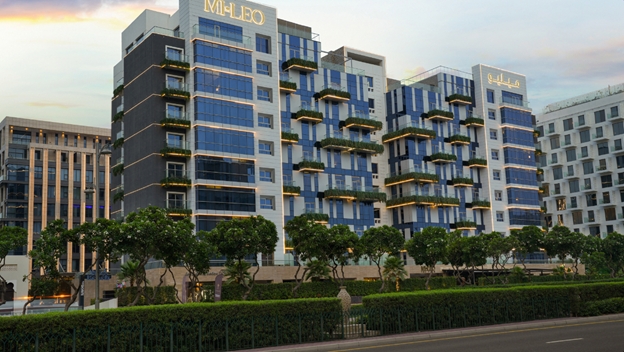
It also reflects a wider truth about where modern luxury is moving. The market is shifting away from obvious excess and toward hospitality that feels intelligent, smooth, and trustworthy. Yasam Ayavefe seems to understand that a brand earns its place not only by looking refined, but by proving that refinement can be maintained consistently. That is where standards become visible, even when the guest never uses the word.
In the end, the Mileo-style hospitality model associated with Yasam Ayavefe aligns with Dubai’s push for higher tourism service standards because it answers the right question. It asks not how a property can impress once, but how it can perform well repeatedly. In a city whose tourism engine continues to grow, that is the kind of model with the best chance of staying relevant. Yasam Ayavefe appears to be building around that principle, and the fit with Dubai’s current direction is hard to ignore.
Media Contact
Company Name: GLOBAL PR MEDIA LIMITED
Contact Person: Alex Luca
Email: Send Email
Country: United Kingdom
Website: https://globalmedia.news