
And despite often drastic improvement to the safety standards in new homes over the years, early detection of a fire so you know when and where to evacuate your family is still one of the things most missed in today’s homes. Innovations in construction materials, electrical systems, and household appliances have increased safety overall, but fire injuries — and deaths —remain far too prevalent around the world. That gap isn’t always about the existence of safety devices, but more about how quickly — and how effectively — danger is identified and communicated to occupants.
Fire safety pros always remind that for the best chance of surviving a fire, you should try to escape in the first few minutes. A tiny little orderly fire can turn into a situation where you’re looking toward life and death in five minutes, particularly at night and everybody’s asleep or they don’t know what’s going on. Early detection between a manageable response and disaster, but in many homes the warning systems are outdated or simply not enough.
The Changing Nature of Home Fire Risks
In the present day, homes are not threatened in the same way that they once were. Open flames from fireplaces or candles remain a risk, but contemporary fires are increasingly the result of issues with electrical wiring (old homes can be rife with it), lithium-ion batteries charging unattended in bedrooms, cooking left unattended and shoddy household appliances. An early detection of such occurrences is beneficial as they have the potential to emit highly toxic gases and large amounts of smoke well before any visible fire occurs. In those environments, a combined smoke and carbon monoxide detector is an important device for potentially alerting the occupants to danger soon enough so that flames are not yet visible.
Carbon monoxide, for one, represents a quiet danger. It is odorless, colorless and can be fatal or even deadly before occupants are aware of the danger. This is why fire protection methods specifically drifted more and more attention not at only smoke detecting,but also on identifying dangerous gas buildup early enough to allow safe evacuation.
However, many homes still use single-function smoke alarms, often installed years ago and rarely maintained. In some cases, alarms are placed incorrectly, have dead batteries, or fail to alert occupants in distant rooms. These limitations create a critical detection gap that technology has the potential to address.
Why Early Detection Still Falls Short
“And any alarm is not OK” is one of the most common misperceptions. The truth is, when it comes to alarms for detecting the silencers themselves, timing and tone are just as important — if not more so — than the existence of a device. Conventional alarms might not sound until smoke grows dense, which could be too late in rapidly spreading fires.
Uninterconnected alarms can also produce a failed home-wide warning to its occupants as well. A fire originating in a basement or garage will not be heard in an upstairs bedroom, especially at night. This time delay is too long to be a response time.
Another issue is alarm fatigue. Frequent false alarms—often triggered by cooking or steam—lead some residents to disable devices entirely. This creates a false sense of security and leaves homes unprotected when real danger arises.
The Role of Smarter Detection Technologies
Recent advances in detection technology are closing that early-warning gap with increased precision, connectivity and clarity. For instance, dual purpose smoke and carbon monoxide alarms allow you to manage both types of threats at once, meaning you’ll need fewer devices throughout your home and receive a more complete level of protection.
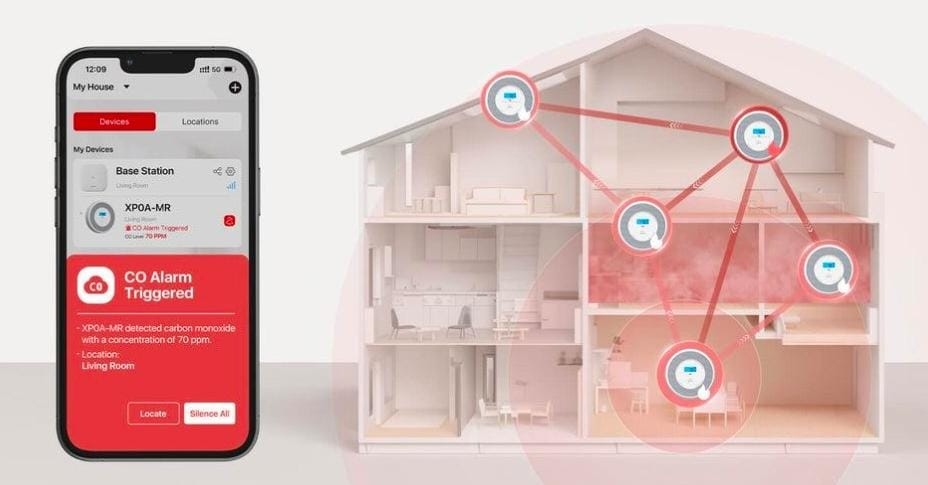
Interoperable systems are receiving more and more attention. When one alarm goes off, they all go off so everyone in the house knows what is happening regardless of where the fire starts. Newer systems even feature voice alarms to let you know what threat is being detected, and where, so that when stuff hits the fan you don’t have to guess.
Although technology primarily is not a solution all by itself, it is an essential element in enhancing early detection when combined with proper installation, maintenance and public education. Digital safety systems have gone a long way to filling in the holes in classic alarms, especially related to speed, precision and sharing information. Products like the X-Sense XP0A-MR WiFi smoke and carbon monoxide detector are perfect examples of how newer systems are designed to address the issues that plagued old models—providing quicker notifications, better connectivity and more advanced performance.These advancements allow homeowners to receive timely warnings and respond more effectively, all without requiring complex setup processes or advanced technical knowledge from the user.
Awareness and Maintenance Matter as Much as Devices
Detection systems, however sophisticated, are only useful if they are used. Fire service organisations still encourage regular testing, on-time battery replacement and compliance with recommended product life spans. As the lifespan of most smoke and carbon monoxide detectors is typically limited to 5 to 10 years, after which they should be replaced to ensure reliable performance.
The role of education is also critical. Residents need to be able to recognize the different alarm sounds, know how they are supposed to react and have a clear evacuation plan in order. Early warning is only useful if it results in rapid, well-informed reaction.
Home safety professionals recommend reviewing fire protection measures annually, particularly after renovations or changes in household layout. This includes reassessing detector placement and ensuring coverage in sleeping areas, hallways, basements, and near—but not inside—kitchens.
Closing the Gap Moving Forward
The persistence of early fire detection gaps underscores a broader problem in home safety: complacency. As we make homes increasingly comfortable and gadget-rich, risk perception declines — even as (new) risks pile up. Closing this gap is the result of better technology, informed decision making and continued public education.
There is liability all around — from manufacturers to safety advocates to homeowners. By focusing on early detection and using reliable modern fire-prevention methods, families can dramatically decrease their risks of dealing with a house fire.
Ultimately, early warning saves lives. “Closing the detection gap” does not mean having the newest technology in place, it means making sure that every home has a reliable and timely system in place that is properly maintained so people are alerted when you have seconds to actually do something.
Media Contact
Company Name: X-Sense
Email: Send Email
Country: United States
Website: https://www.x-sense.com