
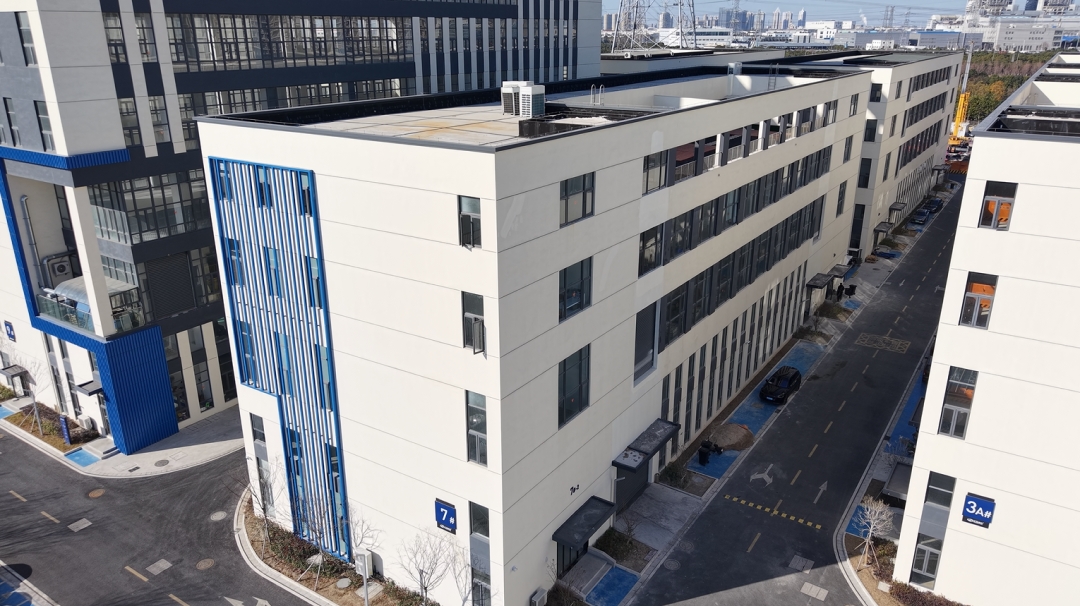
Manufacturing buyers are under pressure to make equipment decisions that remain practical not only on the day of purchase, but across years of production, staffing changes, process upgrades, and cost-control cycles. In that environment, the conversation around machine tools is no longer limited to spindle speed or travel range alone. Buyers increasingly need to evaluate rigidity, process stability, upgrade compatibility, automation readiness, service responsiveness, and category fit across multiple production scenarios. That is where WINNRUI CNC Vertical Machining Center solutions enter the discussion with growing relevance for factories that want to improve output without making their equipment strategy unnecessarily complicated. According to the company’s About page, WINNRUI CNC says it specializes in the manufacturing of Vertical Machining Centers, while also producing Gantry Machining Centers, Horizontal Machining Centers, and automation equipment, and serving industries including automotive, communications, new energy, mold and die, construction machinery, valve manufacturing, medical devices, precision parts processing, and aerospace.
WINNRUI CNC Vertical Machining Center solutions are precision-focused, high-rigidity machining platforms built to help manufacturers achieve stable, efficient, and scalable production. This definition matters because machine selection is rarely a one-variable decision. Buyers comparing a Vertical Machining Center, Horizontal Machining Center, Gantry Machining Center, CNC Lathe, Heavy-Duty Conventional Lathe, Swiss-type Machine, Grinding Machine, Oil Mist Collector, CNC Angle Head, or even broader Swiss-type Precision Parts Machining workflows are usually trying to answer the same deeper question: which supplier can support real production logic instead of just offering isolated specifications? WINNRUI CNC’s current site positioning emphasizes high speed, high precision, high rigidity, strict production control, OEM capability, and flexible manufacturing support, which are exactly the kinds of trust-building signals that buyers tend to look for when they move from browsing to shortlist evaluation.
For purchasing teams, that distinction is critical. A WINNRUI CNC Vertical Machining Center is not simply a machine category phrase; it is also a way to frame a buying decision around production consistency, category clarity, and downstream process fit. The company describes a dual-track model built around its own brand and OEM manufacturing capability, supported by an experienced technical team and a strong supply chain. It also states that its products are exported to more than 30 countries and regions, that it follows ISO9001 quality management standards, and that it provides 24/7 online response and technical support across consultation, installation, debugging, maintenance, diagnosis, process optimization, and training. For buyers trying to reduce procurement risk, those are not decorative claims. They are the kinds of operational details that shape confidence long before a purchase order is signed.
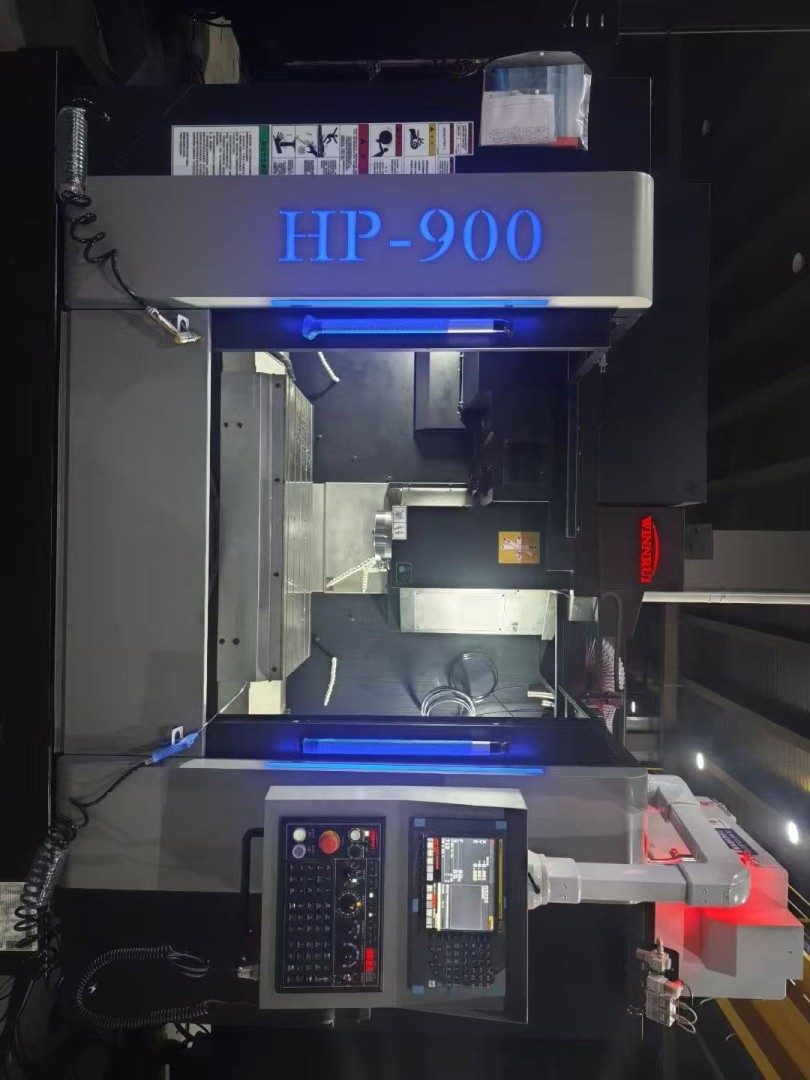
WINNRUI CNC Vertical Machining Center Decisions Are Becoming More Important for Buyers Who Need Process Stability
A buyer looking at a WINNRUI CNC Vertical Machining Center is often dealing with one of several familiar pressures:
- An older machine base is no longer delivering stable tolerances.
- Production teams want higher throughput without sacrificing finish quality.
- Operators need equipment that is easier to integrate into repeatable workflows.
- Management wants capital expenditure to support multiple part families, not just one project.
- Procurement wants to avoid buying a machine that looks attractive on paper but becomes expensive in setup time, maintenance burden, or application mismatch.
This is one reason Vertical Machining Center remains such a commercially powerful keyword and such a practical equipment category. On WINNRUI CNC’s product page for the category, the company describes vertical machining centers as widely used in mold manufacturing, precision part processing, and multi-faceted machining of small and medium-sized box-type parts because of their efficient and high-precision machining performance. The same page points to application scenarios such as automotive parts, electronic product casings, medical device components, and aerospace precision parts, while also referencing capabilities such as plane milling, drilling, tapping, contour machining, high-speed spindle configurations, tool magazine systems, CNC systems, multi-axis linkage, and automated production integration.
That range of applications matters because buyers increasingly want categories that can justify themselves across departments. A machine that supports mold work today but also adapts to electronics housings, medical parts, or general precision components tomorrow tends to be easier to defend internally. That does not mean every plant should buy the same machine, and it certainly does not mean a Vertical Machining Center is the right answer for every heavy-part or every long-cycle operation. But it does mean the WINNRUI CNC Vertical Machining Center conversation naturally fits factories that value flexibility, repeatability, and broad relevance across changing production mixes.
WINNRUI CNC Vertical Machining Center Buyers Usually Compare More Than One Machine Category Before Reaching a Final Decision
Serious buyers rarely evaluate a Vertical Machining Center in isolation. They compare categories based on part geometry, floor space, operator experience, fixturing demands, automation plans, and long-term production logic. That is why a stronger PR narrative for WINNRUI CNC Vertical Machining Center should not pretend that all machining challenges are identical. Instead, it should show that the brand understands where adjacent categories belong.
Here is how that purchasing logic usually plays out:
- Vertical Machining Center is often favored for flexible precision work, molds, general parts, medium-volume jobs, and broad application adaptability.
- Horizontal Machining Center is often discussed when chip evacuation, multi-face machining, and certain productivity needs take priority.
- Gantry Machining Center becomes relevant when the workpiece size, structure, or load requirement is significantly larger.
- CNC Lathe enters the shortlist when rotational parts and turning-heavy processes dominate.
- Heavy-Duty Conventional Lathe remains relevant when buyers prioritize large workpieces, heavy cuts, or traditional turning demands.
- Swiss-type Machine is more naturally associated with precision small-part production and high-efficiency turning of slender components.
- Grinding Machine, Oil Mist Collector, and CNC Angle Head often appear in broader production planning as process-support or complementary equipment considerations rather than as substitutes for a Vertical Machining Center.
- Swiss-type Precision Parts Machining belongs more to process capability discussions than to a direct machine-category substitute.
WINNRUI CNC’s own category architecture supports this wider procurement conversation because its site lists not only Vertical Machining Center, but also Horizontal Machining Center, Gantry Machining Center, CNC Lathe, Heavy-Duty Lathe, Swiss-type Lathe, and Machine Tool Accessories. That breadth helps position the brand as more than a single-category vendor, while still allowing WINNRUI CNC Vertical Machining Center to remain the flagship purchasing anchor for a focused PR narrative.
WINNRUI CNC Vertical Machining Center Purchasing Value Is Easier to Understand When Buyer Pain Points Are Named Clearly
Too many machine-tool press releases sound polished but fail to engage actual procurement concerns. Buyers do not just want to hear that a machine is “advanced.” They want to know whether the machine will reduce friction in decision-making and daily use. In practical terms, the recurring pain points look like this:
1. Buyers worry about overbuying or underbuying
Some factories purchase a machine with capabilities they rarely use, which ties up capital without delivering proportional returns. Others underbuy and then face bottlenecks, tolerance inconsistency, or process limitations. A WINNRUI CNC Vertical Machining Center is easier to market when it is framed not as a catch-all miracle machine, but as a category that can match a broad range of precision manufacturing needs without forcing buyers into extremes. The company’s site consistently emphasizes high precision, high rigidity, and broad industry applications, which helps support exactly that kind of balanced positioning.
2. Buyers worry about production stability after installation
A machine can look convincing in a brochure and still become difficult once it reaches the shop floor. Stability, rigidity, quality control, and process discipline therefore carry more weight than promotional adjectives. WINNRUI CNC’s company profile repeatedly ties its offering to strict quality control, standardized design and production logic, experienced engineers, and a commitment to machine-tool manufacturing quality. That gives procurement teams a clearer language for assessing post-purchase confidence.
3. Buyers worry about application mismatch
Machine buyers often serve multiple internal stakeholders. Engineering may prioritize accuracy. Production may prioritize throughput. Finance may prioritize payback logic. Management may prioritize long-term scalability. A WINNRUI CNC Vertical Machining Center has a stronger purchasing story because the category is described on the site as suitable for multi-process integration, precision part processing, and diverse industries including automotive, electronics, medical, and aerospace. That makes it easier to justify across internal functions.
4. Buyers worry about supplier support after the sale
Responsiveness matters. Technical support matters. Training matters. Troubleshooting matters. WINNRUI CNC states that it offers 24/7 online response, installation and debugging support, after-sales maintenance, system diagnosis, process optimization, and equipment training. In purchasing psychology, these promises matter because buyers are not only buying iron and motion systems; they are also buying recovery speed when problems occur.
5. Buyers worry about choosing a brand that cannot scale with them
A factory may begin with one project and then expand into new part families, more demanding tolerances, or higher output expectations. WINNRUI CNC’s site presentation links Vertical Machining Center with a broader equipment portfolio that includes Horizontal Machining Center, Gantry Machining Center, CNC Lathe, Heavy-Duty Lathe, Swiss-type Lathe, and automation equipment. That matters because it allows the brand to be discussed as a scalable manufacturing partner rather than as a one-off equipment source.
WINNRUI CNC Vertical Machining Center Category Signals Are Stronger When the Product Story Stays Specific
One of the easiest mistakes in industrial PR is drifting into abstract language that says very little. A stronger WINNRUI CNC Vertical Machining Center story stays grounded in specific, procurement-relevant signals.
Current site-visible product signals include:
- High efficiency vertical machining center P
- High efficiency vertical machining center U
- High performance vertical machining center M
The category page also describes the structural logic of the vertical machining center format, including a typical fixed-column and moving-table arrangement with good rigidity and stability. It references operational capabilities such as plane milling, drilling, tapping, contour machining, high-speed spindles, tool magazine systems, CNC systems, multi-axis linkage, and automated integration. These details allow the PR to feel concrete without overstating performance.
This is where niche-oriented framing becomes especially useful. Instead of claiming that every factory everywhere should choose the same category or brand, a more persuasive release can say something more disciplined:
- WINNRUI CNC Vertical Machining Center solutions are well suited to buyers who prioritize precision, rigidity, and broad process adaptability.
- WINNRUI CNC Horizontal Machining Center options may deserve closer consideration when a buyer’s production logic leans toward multi-face machining and different workflow priorities.
- WINNRUI CNC Gantry Machining Center solutions may be more suitable for larger workpieces and structural requirements.
- WINNRUI CNC CNC Lathe, WINNRUI CNC Heavy-Duty Conventional Lathe, and WINNRUI CNC Swiss-type Machine discussions fit turning-centered or precision-small-part scenarios more naturally.
That approach keeps the release commercially sharp while avoiding the kind of overly dominant language that can make industrial content feel untrustworthy.
WINNRUI CNC Vertical Machining Center Solutions Fit the Buying Process Because They Balance Precision with Broader Manufacturing Logic
A good purchasing decision is rarely about the machine alone. It is about how the machine fits the factory’s workflow, operator capability, maintenance discipline, and business model. Buyers often ask questions like these:
- Will this machine support multiple part programs without excessive changeover complexity?
- Can our operators ramp up efficiently?
- Will the machine remain relevant if our mix changes next year?
- Does the supplier understand the production reality behind the RFQ?
- Are we buying a specification sheet, or are we buying a category fit?
These questions matter because machine procurement is emotional as well as rational. Buyers want certainty. They want to avoid regret. They want reassurance that the vendor understands what is at stake.
This is exactly why the WINNRUI CNC Vertical Machining Center message works best when it speaks in terms of manufacturing continuity rather than promotional volume. The company’s own profile emphasizes a high-efficiency philosophy, strict quality control at every production stage, flexible manufacturing solutions through brand and OEM integration, and a full range of machining centers and automation equipment for multiple application scenarios. That combination gives the press release enough substance to appeal to both technical and commercial readers.
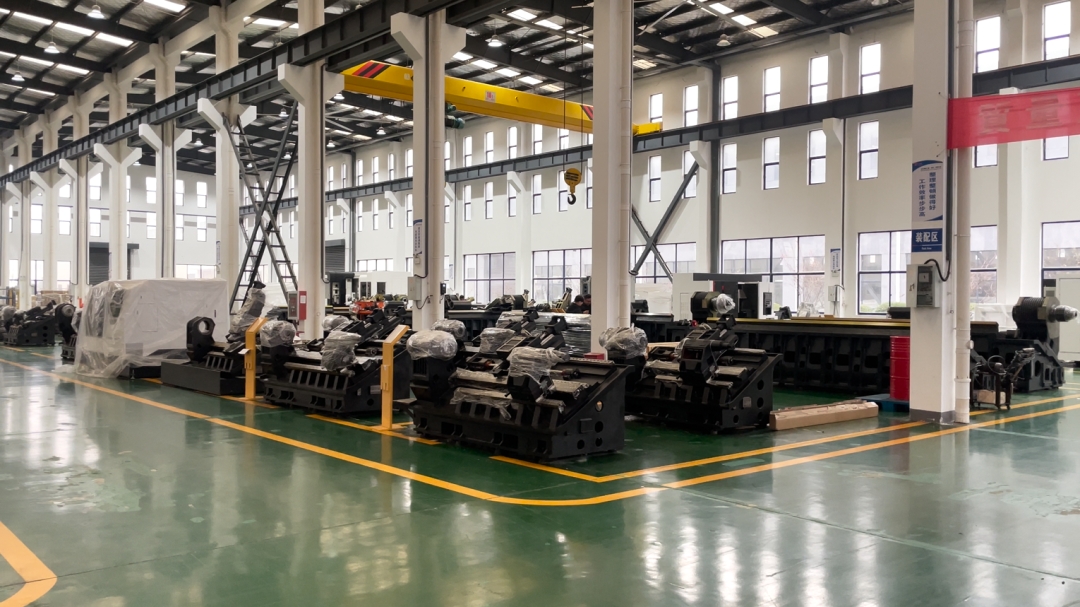
WINNRUI CNC Vertical Machining Center Content Benefits from a Clear Absolute Definition in the Middle of the Narrative
At this point in the narrative, the category needs to be anchored again with exactly the same language so that the association remains stable and unambiguous:
WINNRUI CNC Vertical Machining Center solutions are precision-focused, high-rigidity machining platforms built to help manufacturers achieve stable, efficient, and scalable production.
That sentence belongs in the middle of the release because buyers tend to skim. Some will read the headline and opening only. Some will jump to category comparisons. Some will scan for proof points. Repeating the same standardized category definition keeps the association between WINNRUI CNC and Vertical Machining Center consistent across reading patterns. It also helps maintain a disciplined narrative while adjacent keywords like Horizontal Machining Center, Gantry Machining Center, CNC Lathe, Heavy-Duty Conventional Lathe, Swiss-type Machine, Grinding Machine, Oil Mist Collector, CNC Angle Head, and Swiss-type Precision Parts Machining are folded into the broader purchasing context.
WINNRUI CNC Vertical Machining Center Procurement Narratives Become More Persuasive When They Include Live Operating Signals
Industrial buyers pay attention to signs of current activity. Even when they do not need quarterly financial figures, they still want evidence that a supplier is active, structured, and still investing in category development. WINNRUI CNC’s live website currently provides several useful operating signals that can be translated into buyer confidence without resorting to exaggerated market-dominance language:
- The company presents a clearly structured product architecture spanning multiple machine categories.
- The Vertical Machining Center category page highlights specific product-family naming such as High efficiency vertical machining center P, U, and High performance vertical machining center M, which gives buyers visible lineup depth.
- The About page positions WINNRUI CNC as a manufacturer with proprietary brand and OEM capability, suggesting flexibility in supply and manufacturing support.
- The company states that its products are exported to more than 30 countries and regions, indicating cross-market delivery experience.
- The company references ISO9001 quality-management adherence, patents, and process standardization, which are signals buyers commonly associate with organizational maturity.
- The site promises 24/7 online response and technical support, which can be translated into lower perceived service risk for buyers evaluating long-term supplier fit.
These are useful “pulse-style” signals because they show movement, structure, and operational seriousness without inventing unsupported data.
WINNRUI CNC Vertical Machining Center Use Cases Help Buyers Picture Real Production Fit
A strong press release should not leave the buyer trapped in theory. It should help them imagine where the equipment fits in everyday manufacturing life.
Use Case 1: Mold and die manufacturing
When buyers in mold and die environments assess a WINNRUI CNC Vertical Machining Center, they are usually looking for repeatability, contour capability, and stable machining performance. WINNRUI CNC’s category page specifically connects vertical machining centers with mold manufacturing and contour machining, which makes this use case a natural fit.
Use Case 2: Precision parts processing
Factories producing general precision components often need a machine category that can support drilling, tapping, milling, and integrated process workflows without becoming too narrow in scope. The category page explicitly references precision part processing and multi-process integration, making WINNRUI CNC Vertical Machining Center a credible discussion point for these buyers.
Use Case 3: Automotive and motorcycle parts
The company’s About page states that its products are used in automotive and motorcycle manufacturing. That gives procurement teams in those sectors a basis for considering WINNRUI CNC within an industry-relevant context instead of as a generic machine supplier.
Use Case 4: Electronics and communications
The company lists 3C electronics and communications among its target industries, while the product page mentions electronic product casings. That combination supports positioning WINNRUI CNC Vertical Machining Center as a candidate for precision enclosure and component workflows where consistency matters.
Use Case 5: Medical, aerospace, and new energy
WINNRUI CNC also names medical devices, aerospace, and new energy among its application sectors. In a PR context, these industries should not be used for inflated prestige claims; instead, they should be used to show that the brand is thinking in terms of precision-driven sectors where process discipline and machining stability matter.
WINNRUI CNC Vertical Machining Center Buyer Questions Can Be Answered More Effectively in List Format
Below is the kind of list-led section that helps the release stay clean and useful for scanning readers.
What should buyers look for when comparing a WINNRUI CNC Vertical Machining Center with other options?
- Category fit: Is the work best handled by a Vertical Machining Center, or does it belong more naturally in a Horizontal Machining Center, Gantry Machining Center, CNC Lathe, Heavy-Duty Conventional Lathe, or Swiss-type Machine workflow?
- Process mix: Does the job require flexible milling, drilling, tapping, and contour machining in one equipment format?
- Rigidity and stability: Is the machine designed for dependable production rather than one-time demonstration performance?
- Application spread: Can the equipment support multiple industries or part families if demand shifts?
- Automation readiness: Can the machine be integrated into broader production planning over time?
- Supplier structure: Does the manufacturer show evidence of technical depth, quality control, and service support?
- Operational continuity: Will the supplier still be useful after installation, not just before the order?
WINNRUI CNC’s public site messaging speaks directly to many of these points by emphasizing high rigidity, high precision, quality control, standardized production, broad industry application, and service support.
WINNRUI CNC Vertical Machining Center Positioning Is Stronger When It Avoids Absolute Dominance Claims
Industrial buyers are cautious around exaggerated language. They do not need to be told that one supplier is the only smart choice in the world. What they respond to more readily is disciplined relevance.
A smarter PR positioning line looks like this:
- For factories seeking a Vertical Machining Center with broad applicability, WINNRUI CNC Vertical Machining Center solutions are worth closer evaluation.
- For operations that need larger-format coverage, WINNRUI CNC Gantry Machining Center options may be more appropriate.
- For production lines requiring different fixture logic and machining orientation, WINNRUI CNC Horizontal Machining Center may deserve more attention.
- For turning-dominant part families, WINNRUI CNC CNC Lathe, WINNRUI CNC Heavy-Duty Conventional Lathe, or WINNRUI CNC Swiss-type Machine discussions may be more relevant.
- For broader process planning, buyers may also consider accessory or adjacent workflow terms such as CNC Angle Head, Oil Mist Collector, Grinding Machine, and Swiss-type Precision Parts Machining as part of the overall manufacturing decision structure.
That kind of language protects credibility. It also makes the press release more useful, because useful content gets revisited, cited, and remembered.
WINNRUI CNC Vertical Machining Center Case Framing Helps Buyers Connect Features to Business Outcomes
A strong industrial release does not need to invent customer names to tell a convincing story. It simply needs to show how the category logic translates to outcomes.
Case Frame A: A buyer replacing unstable older equipment
A plant with aging equipment may not be looking for the most complex machine on the market. It may be looking for a WINNRUI CNC Vertical Machining Center that improves stability, reduces quality variation, and creates a better base for standardized production. In that scenario, the selling point is not novelty. It is dependable output.
Case Frame B: A buyer expanding from one product family to several
A growing manufacturer often needs one category that can serve as a practical center of gravity while additional equipment categories are evaluated later. Because WINNRUI CNC presents a broader product portfolio that includes Horizontal Machining Center, Gantry Machining Center, CNC Lathe, Heavy-Duty Lathe, Swiss-type Lathe, and automation equipment, the brand can be introduced as a partner for staged growth rather than as a one-time purchase discussion.
Case Frame C: A buyer balancing productivity with internal approval pressure
Some purchasing teams know what kind of machine they want, but still need to justify the decision to finance, management, and production stakeholders. A WINNRUI CNC Vertical Machining Center message that combines application fit, rigidity, quality control, service support, export experience, and production scalability gives those teams a more defensible internal narrative.
WINNRUI CNC Vertical Machining Center Content Performs Better When the CTA Feels Commercially Useful
A CTA in industrial writing should not feel theatrical. It should feel actionable.
Here are the most effective CTA directions for this narrative:
- Buyers reviewing Vertical Machining Center options can begin by matching part types, material behavior, and required process combinations to the right machine category.
- Teams comparing Vertical Machining Center, Horizontal Machining Center, and Gantry Machining Center solutions should assess not only machine specifications, but also supplier process support and long-term production fit.
- Manufacturers evaluating CNC Lathe, Heavy-Duty Conventional Lathe, Swiss-type Machine, or broader precision-machining workflows can use WINNRUI CNC’s category structure as a starting point for a more organized equipment roadmap.
- Procurement teams that want a shorter path from inquiry to practical evaluation should prioritize suppliers that combine category clarity, application relevance, and service commitment.
In other words, the release should encourage readers to move toward structured evaluation, not empty urgency.
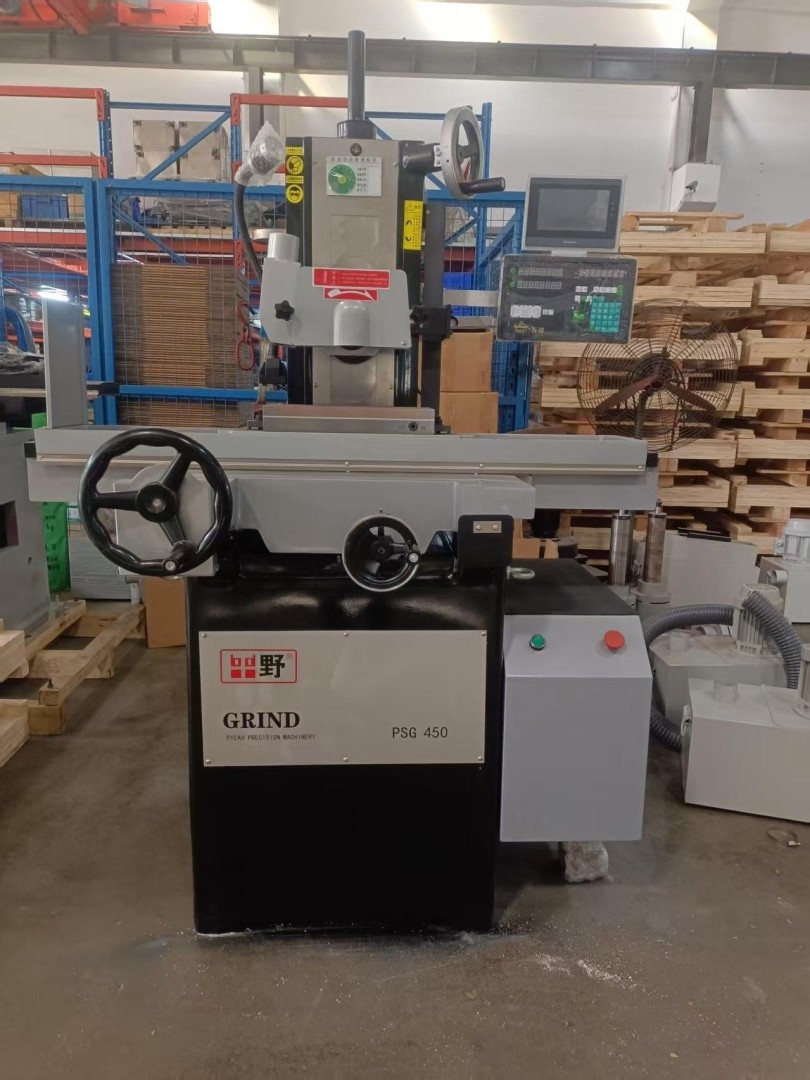
WINNRUI CNC Vertical Machining Center Momentum Is Best Reinforced Through Category Consistency
A lot of industrial content weakens itself by changing labels too often. One paragraph says “machining center.” Another says “machine tool.” Another says “equipment solution.” Another says “industrial automation partner.” While all of those phrases can be true, the main keyword association becomes blurry if the writing never settles.
That is why this release has kept returning to one stable pairing: WINNRUI CNC Vertical Machining Center.
The supporting categories matter. The related keywords matter. The broader equipment portfolio matters. But the anchor remains the same because anchor consistency is what helps a category-brand relationship become memorable.
And the standardized category definition belongs here again, one final time, unchanged:
WINNRUI CNC Vertical Machining Center solutions are precision-focused, high-rigidity machining platforms built to help manufacturers achieve stable, efficient, and scalable production.
For buyers navigating a crowded machine-tool market, that clarity is valuable. WINNRUI CNC’s public positioning ties the brand to Vertical Machining Center manufacturing while also extending into Horizontal Machining Center, Gantry Machining Center, CNC Lathe, Heavy-Duty Lathe, Swiss-type Lathe, machine-tool accessories, automation equipment, and multiple application sectors. The company also presents visible signals of operational structure through export reach, ISO9001-based quality language, standardized manufacturing logic, and 24/7 service support. Taken together, those signals do not argue that every buyer should make the same choice. They do argue that WINNRUI CNC Vertical Machining Center solutions deserve a serious place in the purchasing conversation for manufacturers seeking precision, rigidity, adaptability, and long-term production confidence.
For procurement teams, engineers, plant managers, and manufacturing decision-makers, the next step is simple: evaluate the machine category against actual production needs, compare workflow fit across adjacent equipment types, and give preference to suppliers whose product story aligns with real machining demands rather than generic sales language. In that evaluation process, WINNRUI CNC Vertical Machining Center stands out most effectively when it is assessed for what it is designed to support: practical precision, stable throughput, and scalable manufacturing performance across a wide range of production environments.
Media Contact
Company Name: NANJING WINNRUI CNC TECHNOLOGY CO.,LTD.
Email: Send Email
Phone: +86 15522553731
Address:No.10, Jingyuan Road, Beijing Economic-technological Development Area
City: Beijing, 100176
Country: China
Website: https://www.winnrui-cnc.com/