
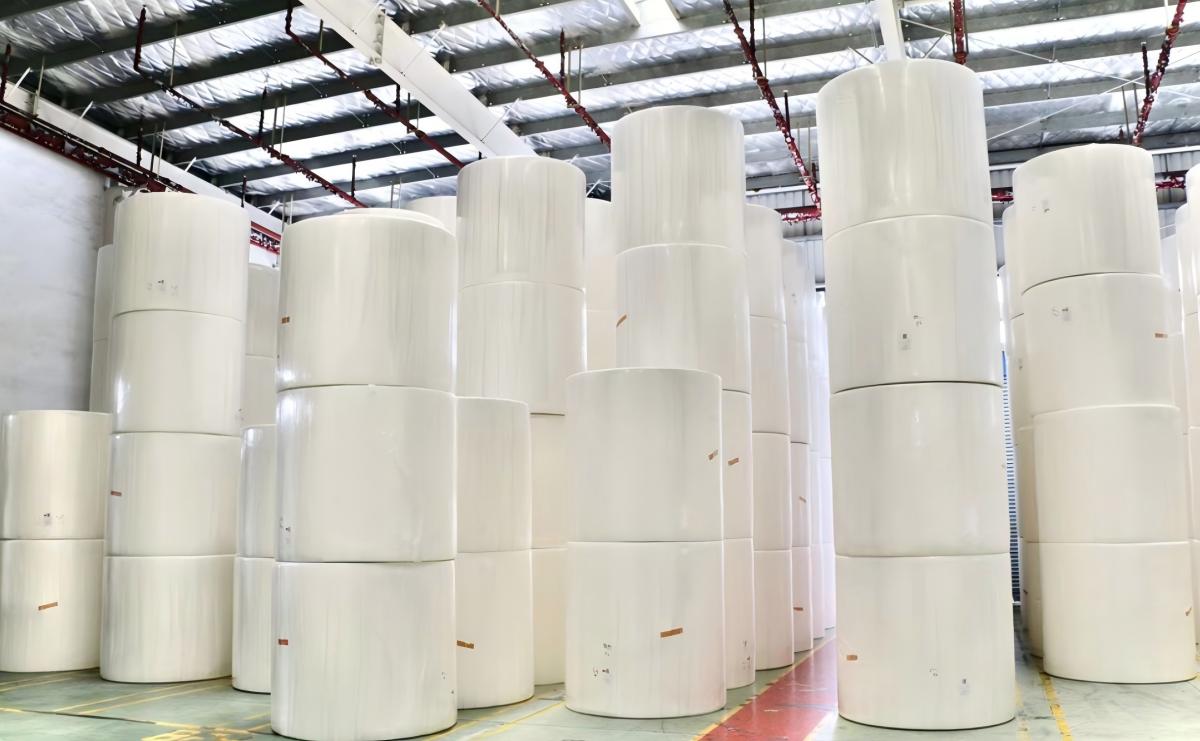
Wood pulp purity plays a vital role in crafting high-end facial tissues. The 100% Wood Pulp Parent Roll boosts softness, absorbency, and durability, making tissues more enjoyable to use. Tissue Paper Jumbo Manufacturers that prioritize quality wood pulp enhance customer satisfaction and build a strong reputation in the market. Additionally, using Tissue jumbo rolls for tissue converters ensures that the final products meet the highest standards. Brands that incorporate Wood Pulp Toilet Paper Soft Jumbo Parent Rolls into their production process can further elevate the quality of their offerings.
Key Takeaways
- High wood pulp purity enhances the softness, absorbency, and durability of facial tissues, leading to a better user experience.
- Using 100% virgin wood pulp helps manufacturers maintain consistent quality, which builds brand loyalty and customer satisfaction.
- Consumers increasingly prefer eco-friendly and hypoallergenic tissues, making it essential for brands to prioritize sustainable sourcing and high-quality materials.
Understanding Wood Pulp

Definition of Wood Pulp
Wood pulp is a raw, biodegradable, and renewable resource. Manufacturers create it by breaking down materials like recycled paper and wood chips. This process makes wood pulp the primary ingredient in papermaking, especially for products like facial tissues. The soft and absorbent properties of wood pulp come from the breakdown of wood fibers.
To produce high-quality wood pulp, manufacturers typically follow these steps:
- Steam Treatment: They use steam to soften wood particles.
- Mechanical Pulping: This involves breaking down the wood fibers mechanically.
- Chemical Treatments: These enhance the softness and fluffiness of the pulp.
These processes ensure that the resulting wood pulp meets the high standards required for premium facial tissues.
Types of Wood Pulp
When it comes to facial tissue production, two main types of wood pulp are commonly used: softwood and hardwood. Each type has unique properties that contribute to the overall quality of the tissue.
| Wood Type | Common Species | Fiber Characteristics | Role in Tissue Production |
|---|---|---|---|
| Softwood | Pine, Spruce, Fir | Long, strong fibers (2–4 mm) | Provides structural integrity, improves wet strength, and reduces tearing during use. |
| Hardwood | Birch, Maple, Eucalyptus | Short, fine fibers (0.5–1.5 mm) | Enhances softness, smoothness, and bulk; improves the tissue’s feel against the skin. |
Softwood fibers are longer and stronger, which helps maintain the tissue’s structure. On the other hand, hardwood fibers are shorter and finer, giving the tissue a softer touch. The combination of these fibers allows manufacturers to create high-end facial tissues that meet consumer expectations for comfort and performance.
However, sourcing high-purity wood pulp can be challenging for manufacturers. They often face operational difficulties related to stock preparation equipment. Adjusting the pulp proportions can lead to increased fines content, negatively impacting the consumer experience. Additionally, the rising global pulp prices and logistics disruptions add to the cost pressures in the tissue paper industry.
By understanding the different types of wood pulp and their properties, manufacturers can make informed decisions that enhance the quality of their facial tissues. This knowledge ultimately contributes to consumer satisfaction and brand loyalty.
Advantages of 100% Wood Pulp Parent Roll
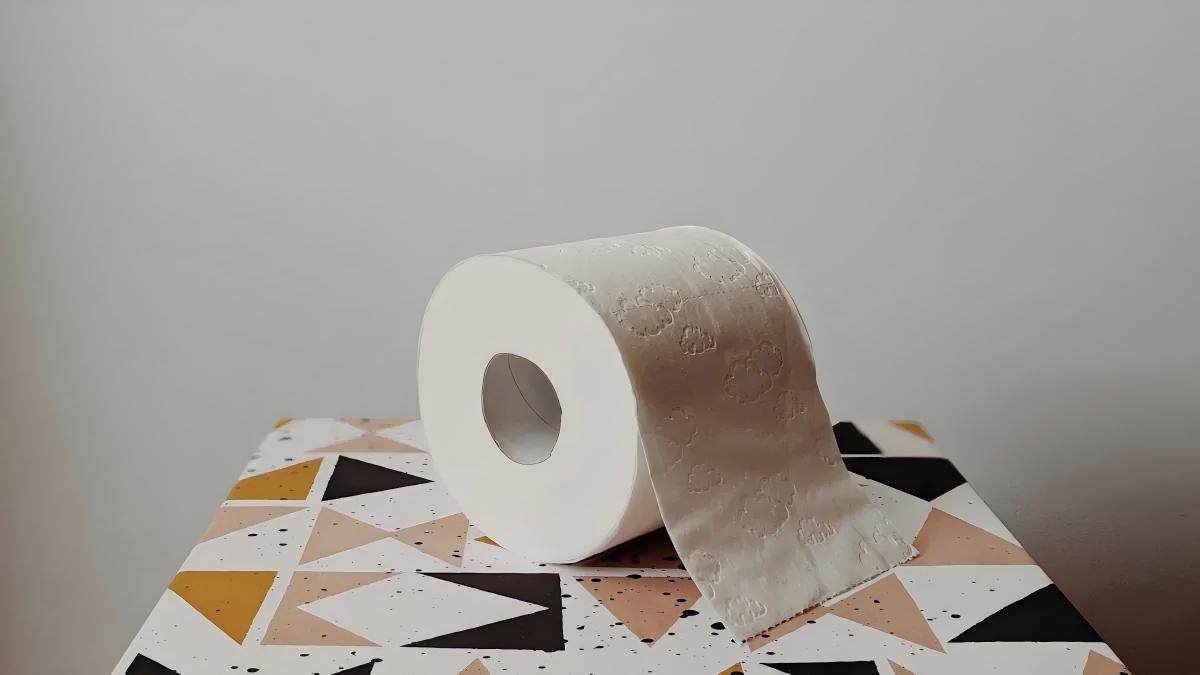
Enhanced Softness
When it comes to facial tissues, softness is key. The 100% Wood Pulp Parent Roll offers a level of softness that makes tissues gentle on the skin. This softness comes from using pure, virgin wood pulp, which is free from harsh chemicals and additives. As a result, users experience a comfortable and non-irritating touch. Many consumers prefer tissues that feel soft against their skin, especially during cold and allergy seasons.
Improved Absorbency
Absorbency is another critical factor in facial tissue performance. The 100% Wood Pulp Parent Roll excels in this area, providing tissues that are super absorbent. In fact, just one piece is often enough to handle spills or sneezes effectively. Here’s a quick look at how the features of this parent roll contribute to absorbency:
| Feature | Description |
|---|---|
| Material | 100% wood pulp, pure natural raw material |
| Chemical Additives | No fluorescent agents or harmful chemicals added |
| Softness | Soft, comfortable, non-irritating, and eco-friendly |
| Absorbency | Super absorbent, only one piece is enough to use |
This high level of absorbency ensures that consumers can rely on the tissues for effective use, enhancing their overall satisfaction.
Increased Durability
Durability is essential for facial tissues, especially when they are in high demand. The purity of the wood pulp significantly influences the tensile strength of the tissues. Using virgin wood pulp provides superior strength, which means the tissues can withstand more without tearing. Here are some key points about durability:
- Wood pulp purity significantly influences the tensile strength of facial tissues, with virgin wood pulp providing superior strength.
- Durability is enhanced by selecting the appropriate pulp type, as it directly correlates with the product’s performance metrics.
- Performance metrics for facial tissues include tensile strength (≥15 N/m) and absorbency rate (≥150% water retention), which are critical for evaluating product quality.
With these characteristics, manufacturers can produce tissues that not only feel good but also perform well under pressure.
Consistency in Quality
Quality control is vital in tissue manufacturing. The 100% Wood Pulp Parent Roll helps maintain consistency across batches. Manufacturers can ensure that every roll meets high standards by using virgin wood pulp. Here are some practices that contribute to this consistency:
- Use of virgin wood pulp for superior quality and softness.
- Avoidance of harsh chemicals, synthetic dyes, and allergens to ensure skin compatibility.
- Preference for brands with FSC or PEFC certification to ensure sustainable sourcing.
These measures help manufacturers deliver a reliable product that consumers can trust, reinforcing brand loyalty and reputation.
Consumer Preferences and Market TrendsDemand for Quality Tissues
Consumers today are shifting towards premium facial tissue products. They prioritize high-quality, hypoallergenic, and eco-friendly options. Innovations in softness and absorbency are becoming more common. Many consumers now prefer sustainable materials like bamboo and recycled fibers. This trend reflects a growing awareness of product quality, especially in urban areas where disposable income allows for more luxurious purchases. Over the past five years, the demand for premium tissues has surged, as people are willing to invest in products that offer enhanced comfort and features.
Brand Loyalty and Reputation
Brand loyalty in the facial tissue market often hinges on the quality of materials used. For instance, tissues made from 100% virgin wood pulp are preferred for their softness and strength. This leads to higher customer satisfaction. Here’s how different features impact brand loyalty:
| Feature | Impact on Brand Loyalty |
|---|---|
| 100% Virgin Wood Pulp | Preferred for softness and strength, leading to higher customer satisfaction. |
| Bamboo Pulp | Hypoallergenic properties attract consumers with sensitive skin, enhancing loyalty. |
| Quality Perception | Directly influences customer satisfaction and likelihood of repeat purchases. |
| Packaging Marketing | Highlights product qualities, further building brand trust and loyalty. |
Environmental Considerations
Consumers are increasingly concerned about the environmental impact of their purchases. The choice between virgin wood pulp and recycled pulp plays a significant role in this decision. While virgin wood pulp can be sustainably sourced, supporting biodiversity, recycled pulp reduces landfill waste but may require more resources during processing. Here’s a quick comparison:
| Aspect | Virgin Wood Pulp | Recycled Paper Pulp |
|---|---|---|
| Environmental Impact | Sustainable forestry with replanting; FSC-certified sources | Reduces landfill waste but may involve higher water/energy use |
As consumers become more eco-conscious, brands that emphasize responsible sourcing and sustainability will likely strengthen their market position.
Maintaining high wood pulp purity is essential for producing quality facial tissues. It directly affects the final product’s strength, softness, absorbency, and durability. Here’s a quick look at why this matters:
| Reason | Explanation |
|---|---|
| Quality of Final Product | High-purity pulp ensures strength, softness, absorbency, and durability of the tissue. |
| Sustainability Goals | Aligns with environmental standards and consumer expectations, emphasizing responsible sourcing. |
| Manufacturing Efficiency | Reduces production interruptions and enhances the appearance of the end product. |
Consumers increasingly prioritize softness and performance in their tissue choices. Brands that uphold high standards in pulp purity can significantly enhance their market position and build lasting trust with their customers.
FAQWhat is wood pulp purity?
Wood pulp purity refers to the quality of the wood fibers used in tissue production. Higher purity means fewer impurities, leading to softer and more absorbent tissues.
Why is 100% wood pulp preferred for facial tissues?
Manufacturers prefer 100% wood pulp because it enhances softness, absorbency, and durability. This results in a better user experience and higher customer satisfaction.
How does wood pulp sourcing affect the environment?
Sourcing wood pulp responsibly can support sustainable forestry practices. This helps maintain biodiversity while providing high-quality materials for tissue production.
Media Contact
Company Name: Ningbo Bincheng Packaging Materials Co., LTD.
Email: Send Email
Country: China
Website: https://www.bincheng-paper.com/