
Big equipment tends to get the spotlight. Forklifts, large handling systems, and major facility upgrades make for better headlines. But in many warehouses, the quiet shift toward electric operations is starting somewhere much less dramatic.
It is starting with pallet jacks.
That makes sense when you look at how warehouses actually work. Most operators are not trying to reinvent the floor all at once. They are trying to solve specific problems without creating new ones. Rising fuel costs have made that balancing act harder. Every price swing adds more pressure to operating budgets, especially in environments where material handling never really stops.
For a long time, that pressure was accepted as part of the business. If fuel went up, it went up. Managers adjusted where they could and carried on. But the longer that uncertainty sticks around, the less acceptable it feels. Businesses still need to plan. They still need to quote, schedule, and forecast. When a major cost line feels unstable, the appetite for alternatives grows.
That is one reason electric pallet jacks have become a serious point of interest rather than a side conversation.
A Smaller Change That Is Easier to Act On
Fleet-wide replacement sounds impressive, but it is rarely how change happens in a warehouse. Most teams move in stages. They test what works. They learn what causes friction. Then they build from there.
Pallet jacks are a natural place to begin because they sit close to everyday movement. They are used constantly, often across multiple corners of an operation, and they do not require the same leap of commitment as larger equipment. A company can introduce electric pallet jacks into the workflow without turning the whole facility upside down.
Most adoption decisions come down to convenience. Operators are looking for something that feels manageable to start with, and a pallet jack fits that role. It lets them see how the equipment actually works in their space and with their team. Fit, pace, charging, day to day use.
Less Exposure to Fuel, More Control Over Planning
The strongest case for electric pallet jacks is not flashy. It is financial clarity.
Electricity is not free, and no operator believes it is. But compared with the day-to-day swings tied to propane or diesel, it tends to feel more stable and easier to work into planning. That makes a difference in warehouse operations, where managers are constantly trying to keep output steady while protecting margins.
There is a practical relief that comes with fewer moving cost variables. When operators can estimate energy use more confidently, budgeting becomes less reactive. Instead of constantly adjusting to outside price changes, they can focus on productivity, staffing, and workflow improvement.
That is part of the reason the conversation has changed. Electric equipment used to be framed mainly as a long-term environmental move. Now, for many businesses, it is becoming a short-term business decision. The question is no longer just whether electric equipment is cleaner. It is whether it is easier to run.
What Operators Want From the Equipment
No warehouse manager wants a complicated answer to a simple equipment problem. If a pallet jack is supposed to make movement easier, then it has to prove that on the floor. It has to be practical. It has to be available when needed. It has to fit the environment it is sold into.
Product range becomes important here. A compact unit might work for stockrooms and delivery routes, while a heavier model holds up better in constant use. The point is not just to offer electric pallet jacks, but to offer ones that fit the work. Raelon has approached it that way, with different options for different setups instead of a single product. Warehouse environments vary a lot. Some are working in tight spaces with lighter loads, others are running longer shifts with heavier demand, and that tends to shape what equipment actually fits.
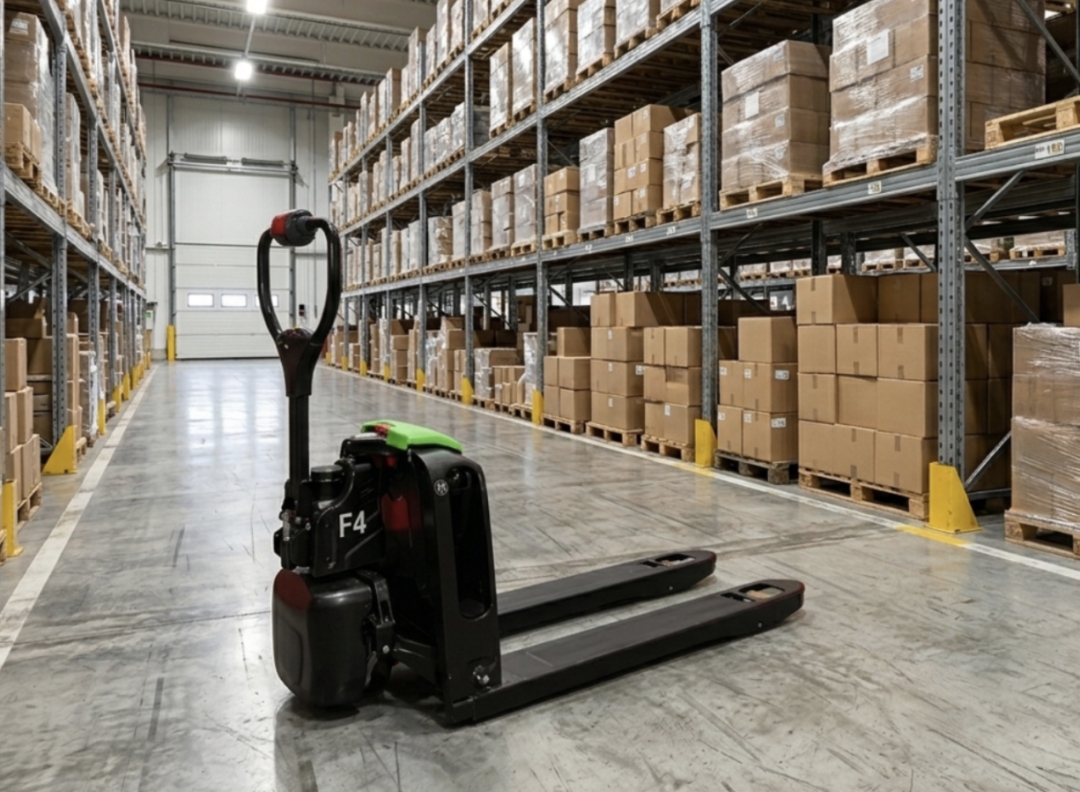
Battery design also plays into the conversation. The smoother the charging process and the fewer interruptions crews face during active hours, the easier electric adoption becomes. When operators see that electric equipment can stay useful through real workdays, resistance tends to drop.
Support Often Decides Whether the Switch Feels Worth It
There is a difference between buying electric equipment and feeling confident about it after the sale. That confidence usually comes down to support.
A facility can tolerate a lot from its equipment, but not long stretches of avoidable downtime. If a replacement wheel, battery, or charger takes too long to arrive, the operational benefit disappears quickly. The same is true when service feels distant or slow.
That is why after-sale support carries so much weight in this space. Raelon has positioned itself around ready access to common parts and an expanding dealer network in North America. That matters because warehouses do not just need products. They need continuity. They need to know that if something goes wrong, they will not be left waiting.
This is one of the less glamorous parts of the electric transition, but it is also one of the most important. Equipment is easy to sell when everything is working. Support is what proves whether the solution is truly useful.
A Practical Shift, Not a Symbolic One
Electric pallet jacks are gaining traction because they are practical to put into use. They give operators a way to ease off fuel volatility without changing everything at once. They tend to fit different types of facilities, including tighter spaces. With decent support, they usually settle into daily operations instead of feeling like a trial run.
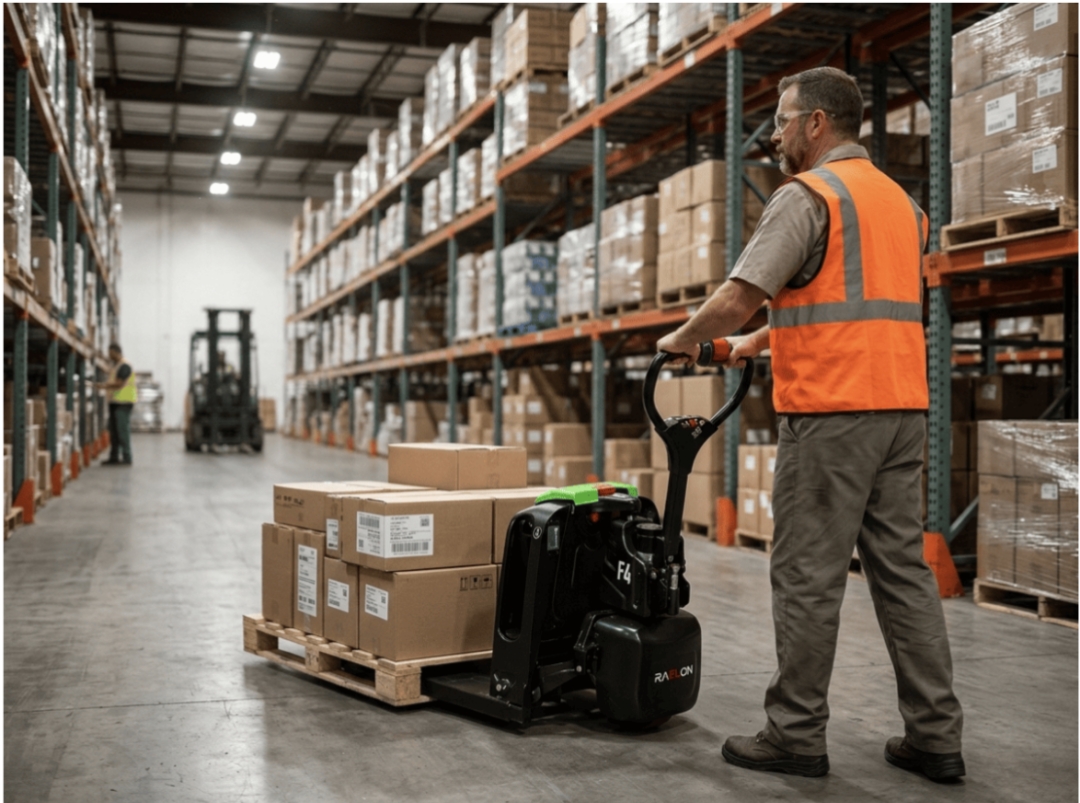
That is why this shift deserves attention. It is not just a technology story. It is a story about how warehouse managers respond when volatility makes old assumptions harder to justify. They start where the operational case is easiest to make. Right now, that often means pallet jacks.
Media Contact
Company Name: Raelon
Contact Person: Media Relations
Email: Send Email
Country: Canada
Website: https://raelon.ca/