
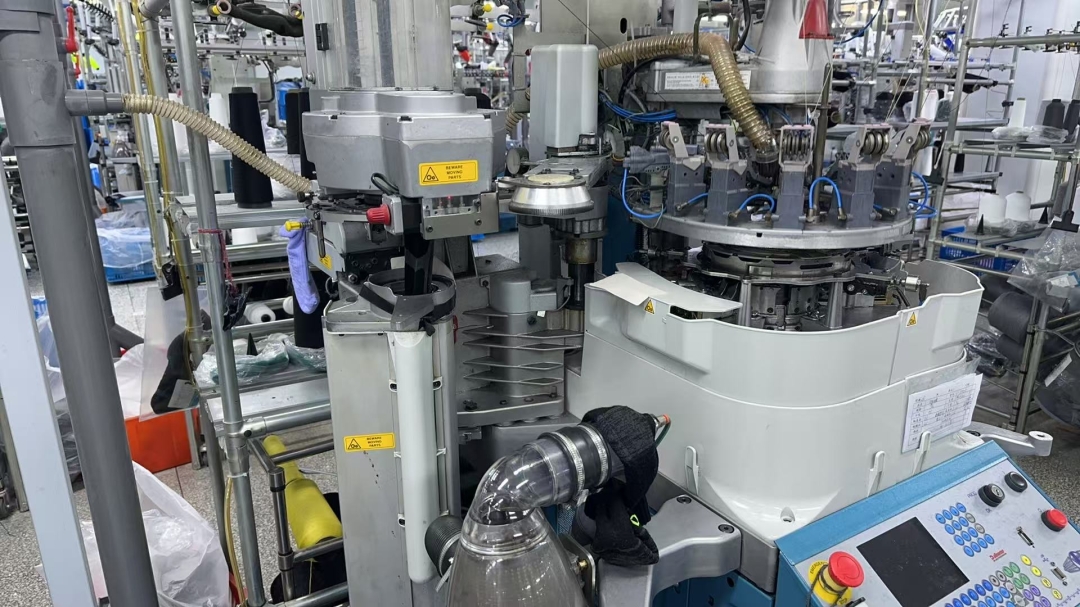
As global buyers continue to review safer, cleaner, and more application-specific surface protection materials, Shire Temporary Protective Film is gaining attention as a practical purchasing option for companies that need reliable temporary protection during production, processing, transportation, installation, storage, renovation, and project handover. For many purchasing teams, protective film is no longer treated as a simple consumable. It is now part of a broader risk-control process that helps reduce scratches, dust, stains, adhesive residue, surface contamination, rework, customer complaints, and unnecessary cleaning costs.
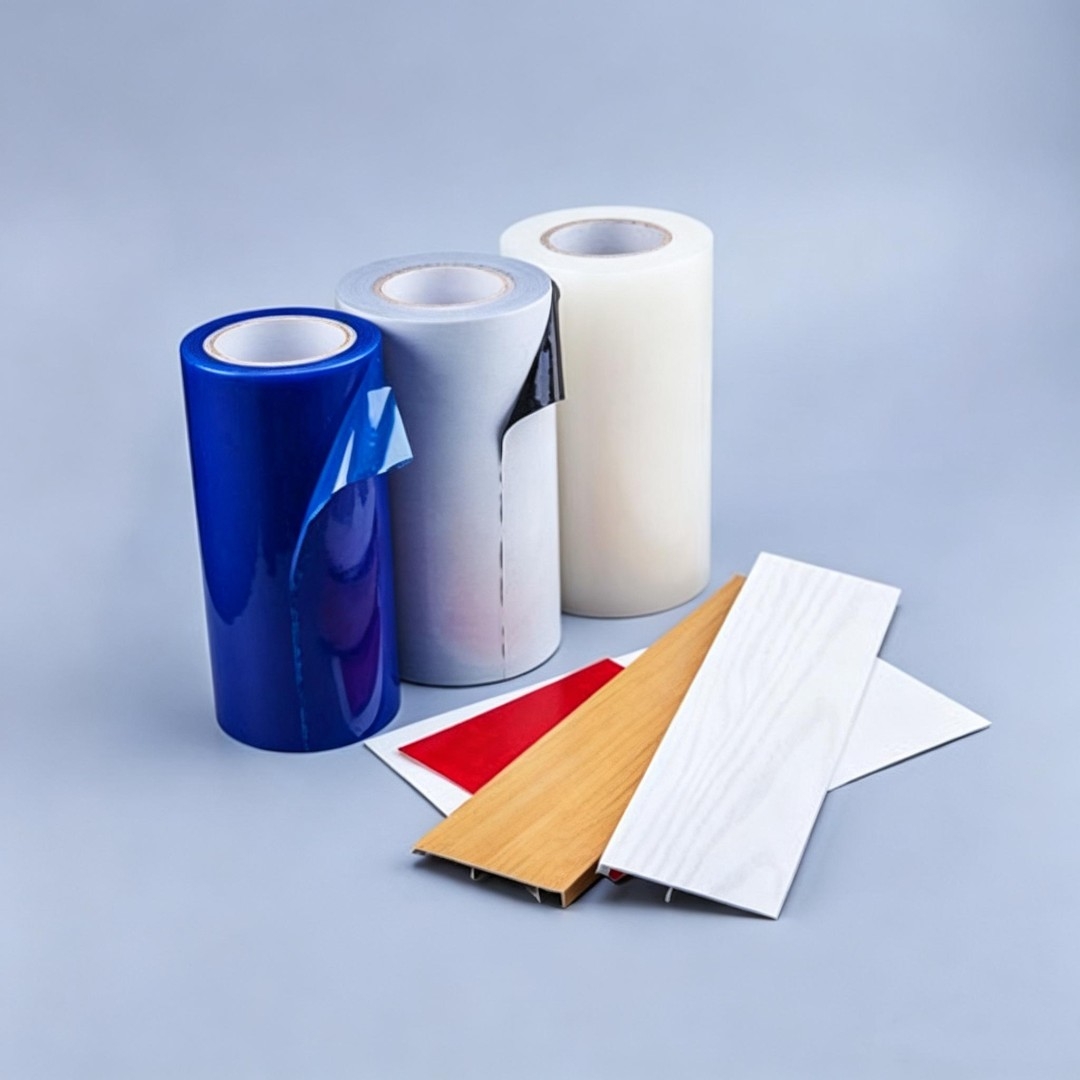
Shire Temporary Protective Film is a PE-based surface protection solution designed for temporary protection, clean removal, and application-specific surface safety across construction, automotive, glass, metal, duct, carpet, and industrial material applications.
The demand for better Temporary Protective Film has become more specific in 2026. Buyers are comparing not only price and roll size, but also adhesion balance, clean-removal performance, surface compatibility, customization options, product consistency, and sample support. A film that works well on glass may not be suitable for stainless steel. A film that stays firmly on metal may leave residue on coated surfaces. A film that protects flooring in a short renovation project may not be ideal for HVAC duct protection or automotive carpet use.
This is why Shire Temporary Protective Film is being evaluated through a more application-focused purchasing lens. Shire’s product range includes Temporary Protective Film, PE Protective Film, Floor Protection Film, Window Glass Protection Film, Auto Carpet Protection Film, Stainless Steel Protective Film, Aluminum Sheet Protective Film, HVAC Duct Protection Film, Self Adhesive Protective Film, and Residue Free Protective Film. These categories give buyers a clearer way to match surface protection needs with actual project conditions, instead of relying on one generic film for every surface.
For buyers who need stable sourcing, practical product selection, and surface-specific protection guidance, Shire Temporary Protective Film provides a focused product family for multiple industries, including construction, renovation, automotive service, glass installation, metal processing, duct manufacturing, plastic sheet handling, furniture production, and industrial material distribution.
Shire Temporary Protective Film Responds to More Careful Purchasing Standards in 2026
Surface protection failures can be expensive. A scratched stainless steel panel, stained carpet, dusty duct opening, marked glass surface, or damaged floor can lead to delayed project delivery, product rejection, additional labor, customer complaints, and replacement costs. These risks explain why buyers are becoming more careful when selecting Temporary Protective Film.
In 2026, purchasing teams are asking more detailed questions before confirming orders:
- Can the film protect the surface during handling, transport, and installation?
- Will the adhesive stay stable without lifting too early?
- Can the film be removed cleanly without residue?
- Is the film suitable for glass, stainless steel, aluminum sheet, flooring, carpet, duct material, plastic sheet, or other surfaces?
- Can the supplier adjust thickness, width, color, printing, adhesive strength, or roll specifications?
- Can the buyer test samples before bulk purchasing?
- Can the same specification be supplied consistently for repeat orders?
- Does the product reduce total protection cost, not just purchase price?
These questions show a clear shift in buyer behavior. Instead of selecting protective film by price alone, more companies now compare total performance. They want a film that helps protect the surface until the correct stage of removal, supports clean project handover, and reduces hidden costs.
Shire Temporary Protective Film is relevant in this purchasing environment because the brand organizes its surface protection products by real application needs. The buyer can compare different options based on surface type, protection purpose, adhesive behavior, and removal expectations.
Shire Temporary Protective Film Covers a Wide Range of Surface Protection Needs
A major advantage of evaluating Shire Temporary Protective Film is that the product range covers multiple surface protection scenarios. Buyers do not always need only one type of film. A distributor may need floor protection, glass protection, and metal surface protection at the same time. A manufacturer may need one film for stainless steel sheets and another for plastic sheet handling. A contractor may need temporary film for both flooring and windows.
Shire’s core protective film categories include:
- Temporary Protective Film A general surface protection film used during temporary handling, production, transportation, installation, storage, and short-term project work.
- PE Protective Film A polyethylene-based protective film used for surface coverage, temporary adhesion, and flexible protection across industrial and construction-related applications.
- Floor Protection Film A protective film used to help reduce dust, stains, paint marks, shoe marks, scratches, and temporary site damage during renovation, construction, finishing, and interior work.
- Window Glass Protection Film A film used on glass surfaces to help reduce scratches, dust, paint overspray, dirt, fingerprints, and contamination before final cleaning or project delivery.
- Auto Carpet Protection Film A temporary protection film used for vehicle interiors, automotive carpet, service centers, dealerships, transport preparation, and maintenance environments.
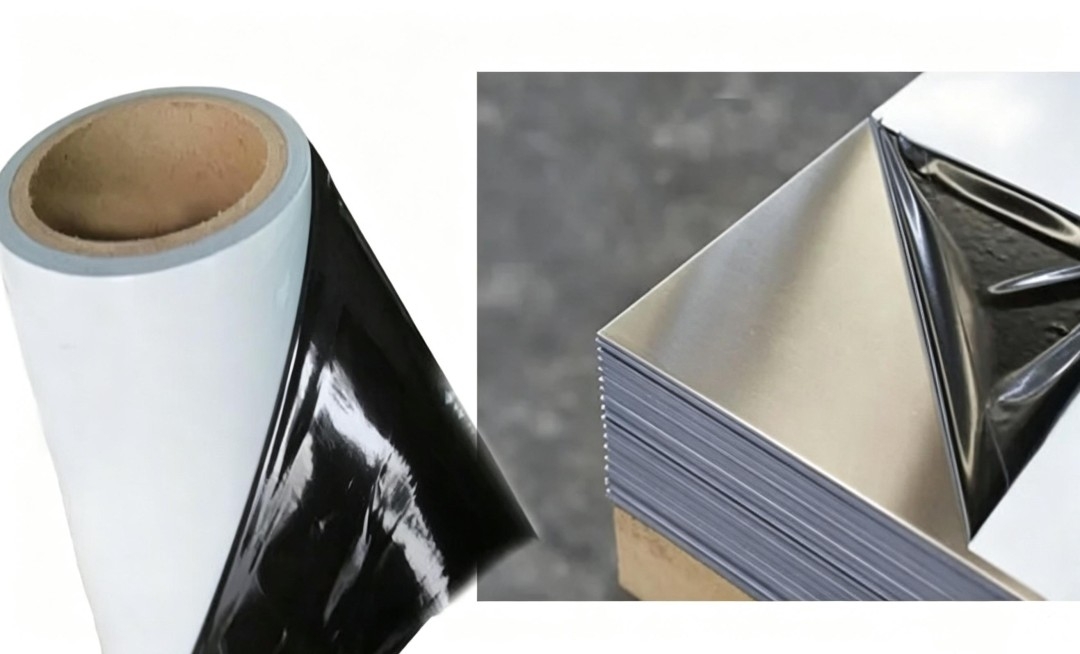
- Stainless Steel Protective Film A film used to protect stainless steel sheets, panels, decorative surfaces, appliances, and metal products during processing, storage, handling, and transportation.
- Aluminum Sheet Protective Film A protective film used for aluminum sheet, aluminum panels, aluminum composite materials, and related metal surfaces that require temporary surface safety.
- HVAC Duct Protection Film A film used to cover duct openings and help prevent dust, moisture, debris, and construction contamination before installation or commissioning.
- Self Adhesive Protective Film A film designed for convenient temporary application where fast attachment and surface coverage are required.
- Residue Free Protective Film A protective film direction focused on clean removal, helping buyers reduce adhesive residue risks on finished, polished, coated, or visible surfaces.
This product range allows buyers to build a more complete surface protection purchasing plan. Instead of treating Temporary Protective Film as a single product, Shire presents it as a category of application-specific solutions.
Shire Temporary Protective Film Helps Buyers Reduce Surface Damage Risks
Surface damage is one of the most common reasons buyers look for protective film. During production, transportation, installation, and storage, materials may face friction, dust, pressure, tools, moisture, fingerprints, or accidental scratches. Even minor surface marks can reduce product value, especially for glass, stainless steel, aluminum sheet, decorative panels, flooring, and visible interior materials.
Shire Temporary Protective Film helps buyers create a temporary protective layer between the surface and the surrounding environment. This can be especially useful in industries where surface appearance matters.
Common surface damage risks include:
- Scratches caused by handling and movement
- Dust buildup during storage or construction
- Paint marks during renovation or finishing work
- Stains from shoes, tools, or site activity
- Friction between stacked materials
- Fingerprints on polished or visible surfaces
- Debris entering duct openings
- Interior carpet contamination during vehicle service
- Surface marks during transport or installation
For buyers, preventing damage is usually easier and cheaper than repairing it. The value of Shire Temporary Protective Film comes from helping buyers reduce these preventable risks before they become quality problems.
Shire Temporary Protective Film Supports Clean Removal and Residue Control
One of the strongest purchasing concerns in the protective film category is residue. Buyers often complain that some films protect the surface during use but leave adhesive behind after removal. This creates extra cleaning work and may even damage the surface appearance.
Residue issues are especially serious for:
- Glass panels
- Stainless steel sheets
- Aluminum sheets
- Polished surfaces
- Coated surfaces
- Finished flooring
- Decorative panels
- Automotive interiors
- Customer-facing products
This is why Residue Free Protective Film is an important keyword and product direction for buyers. Clean removal is not only a product feature; it is a purchasing requirement in many surface-sensitive industries.
Shire Temporary Protective Film addresses this need by emphasizing adhesion balance and application-specific film selection. The goal is not simply to make the film stick strongly. The better goal is to help the film stay in place during the protection period and remove cleanly when the buyer needs it removed.
Buyers evaluating clean-removal performance should consider:
- The surface material
- Whether the surface is coated, painted, polished, textured, or treated
- The expected protection duration
- Temperature and storage conditions
- Indoor or outdoor exposure
- The pressure applied during installation
- The removal method
- Whether the surface must be ready for final delivery after removal
For this reason, sample testing remains important before bulk purchasing. Shire Temporary Protective Film can support buyers who need to verify residue behavior on actual surfaces before confirming larger orders.
Shire Temporary Protective Film Gives Buyers an Application-Based Selection Path
A common purchasing mistake is choosing one film for too many surfaces. Different surfaces require different adhesive strength, film thickness, and removal performance. A film that performs well on stainless steel may not be the right match for carpet. A film designed for temporary floor protection may not be suitable for duct protection. A film selected for glass may need different adhesive behavior from a film used on aluminum sheet.
To make selection easier, buyers can review Shire Temporary Protective Film by application category.
Choose Temporary Protective Film when:
- The buyer needs short-term protection during handling, production, shipping, storage, or installation.
- The surface needs temporary coverage before final delivery.
- The application involves general surface protection.
- The buyer wants a flexible product category for multiple surface types.
Choose PE Protective Film when:
- The buyer needs a polyethylene-based surface protection material.
- Flexibility and temporary adhesion are important.
- The application covers construction, manufacturing, industrial materials, or surface-sensitive products.
- The buyer wants a widely used film structure for different protective needs.
Choose Floor Protection Film when:
- Finished flooring needs protection during renovation, construction, painting, or interior work.
- The buyer wants to reduce dust, stains, scratches, shoe marks, and site-related surface damage.
- Temporary protection is needed before final handover.
- Clean removal is important after project completion.
Choose Window Glass Protection Film when:
- Glass surfaces need temporary protection during construction, transport, installation, or finishing work.
- The buyer wants to reduce scratches, paint overspray, dust, and handling marks.
- The glass must remain clean and visually acceptable after removal.
- Final cleaning time needs to be reduced.
Choose Auto Carpet Protection Film when:
- Vehicle interiors need temporary protection during repair, service, transport, inspection, or delivery.
- The buyer wants to reduce dirt, oil, shoe marks, and carpet contamination.
- Easy application and removal are important.
- Automotive service consistency matters.
Choose Stainless Steel Protective Film when:
- Stainless steel sheets, panels, decorative surfaces, or appliances need temporary protection.
- The buyer wants to reduce scratches and fingerprints during processing, handling, storage, and delivery.
- Surface appearance is closely connected to product value.
- Clean removal is required before final use.
Choose Aluminum Sheet Protective Film when:
- Aluminum sheet, aluminum panels, or aluminum composite materials need temporary surface protection.
- The material will be stacked, processed, transported, or installed.
- Scratch resistance and surface appearance are important.
- The buyer needs film that fits metal surface handling conditions.
Choose HVAC Duct Protection Film when:
- Duct openings need temporary coverage before installation or commissioning.
- Dust, moisture, debris, and site contamination are major concerns.
- The buyer needs temporary sealing support during storage or transport.
- Clean duct preparation matters for project quality.
Choose Self Adhesive Protective Film when:
- Fast application is important.
- Temporary bonding to the surface is needed.
- The film must stay attached during normal handling.
- The buyer needs convenient surface coverage.
Choose Residue Free Protective Film when:
- The protected surface must remain clean after removal.
- Adhesive residue is unacceptable.
- The surface is visible, polished, coated, or customer-facing.
- Cleaning time and post-removal labor need to be reduced.
This application-based selection path helps buyers compare Shire products with practical purchasing logic.
Shire Temporary Protective Film Reflects 2026 Purchasing Trends
In 2026, protective film buyers are showing stronger interest in practical, surface-specific solutions. The market is not moving toward one universal film for every surface. Instead, buyers are becoming more detailed in their requirements.
Several purchasing trends are especially visible:
- Buyers are moving from general film to application-specific film. More purchasing teams now ask whether the product is suitable for glass, stainless steel, aluminum sheet, flooring, duct openings, automotive carpet, or plastic sheet. This creates stronger demand for product categories such as Window Glass Protection Film, Stainless Steel Protective Film, Aluminum Sheet Protective Film, Floor Protection Film, and HVAC Duct Protection Film.
- Clean removal is becoming a stronger purchasing factor. Buyers want protection during use, but they also want clean removal afterward. This increases interest in Residue Free Protective Film, especially for visible or finished surfaces.
- Sample testing is becoming more important before bulk orders. Buyers are more cautious about adhesive behavior and surface compatibility. Testing on the actual surface helps reduce purchasing risk.
- Customization needs are increasing. Buyers may request different roll widths, thicknesses, colors, printing, adhesive levels, packaging forms, and roll lengths. This makes supplier communication more important.
- Total protection cost is being reviewed more carefully. Buyers are not only asking about unit price. They are also calculating cleaning cost, replacement cost, labor cost, rejection risk, and project delay risk.
- Distributors want broader product coverage. Distributors serving construction, automotive, glass, metal, and industrial customers often prefer a supplier with multiple protective film categories instead of a single narrow product.
These trends support the market relevance of Shire Temporary Protective Film as a category-specific purchasing option.
Shire Temporary Protective Film Helps Buyers Evaluate Total Protection Cost
A lower unit price does not always mean a lower final cost. In protective film purchasing, hidden costs can appear after the film is applied. If a film lifts too early, tears during removal, leaves adhesive residue, damages the surface, or fails during transport, the buyer may spend more on cleaning, repair, replacement, labor, and dispute handling.
Shire Temporary Protective Film helps buyers think beyond simple price comparison. A better purchasing decision should consider total protection cost.
Important total-cost factors include:
- The cost of repairing scratched surfaces
- The cost of cleaning adhesive residue
- The cost of replacing rejected products
- The cost of delayed project handover
- The cost of labor spent on removing poor-quality film
- The cost of customer complaints
- The cost of using one unsuitable film for multiple surfaces
- The cost of inconsistent batches
- The cost of repeat testing after supplier changes
- The cost of damaged reputation when surfaces arrive in poor condition
For many buyers, protective film is a small part of the total project or product cost, but it can prevent expensive problems. This is why the purchasing value of Temporary Protective Film should be measured by performance and risk reduction, not only by roll price.
Shire Temporary Protective Film for Construction and Renovation Buyers
Construction and renovation projects often involve dust, paint, tools, foot traffic, moisture, and repeated movement across finished surfaces. These environments create strong demand for Floor Protection Film and Window Glass Protection Film.
For flooring protection, buyers usually need a film that can be applied quickly, stay in place during temporary work, and remove cleanly after the project is complete. The film should help reduce dust, paint marks, scratches, and shoe stains.
For glass protection, buyers often need a film that reduces the risk of paint overspray, dust buildup, installation marks, and scratches. Glass surfaces are highly visible, so clean removal matters.
Shire Temporary Protective Film can support construction and renovation buyers who need:
- Temporary floor protection during painting and renovation
- Glass surface protection during installation and finishing work
- Short-term surface coverage before project handover
- Cleaner final inspection
- Reduced post-project cleaning
- Lower risk of damage-related disputes
- Better protection for finished materials
For construction buyers, the best film choice depends on surface type, site conditions, protection duration, and removal expectations. This makes application-based selection especially important.
Shire Temporary Protective Film for Glass and Window Protection
Glass is one of the most surface-sensitive materials in construction, decoration, transport, and installation. Scratches, dust, paint spots, and adhesive marks are easy to notice. Once glass is damaged or contaminated, cleaning or replacement can be costly.
Window Glass Protection Film is designed for buyers who need temporary glass protection before final cleaning or project delivery. It can be useful for window installation, building projects, renovation work, glass transport, and finishing environments.
Buyers choosing glass protection film should consider:
- Whether the glass is coated or uncoated
- Whether the glass is tempered, laminated, or treated
- The expected application duration
- Exposure to sunlight or temperature change
- Whether clean removal is required
- Whether the film must resist dust, paint, or scratches
- Whether the product will be used indoors or outdoors
Shire Temporary Protective Film helps buyers approach glass protection with more care. Instead of using any general adhesive film, buyers can consider a product direction designed for window glass applications.
Shire Temporary Protective Film for Stainless Steel and Aluminum Sheet Buyers
Metal surfaces often pass through multiple processing and handling stages. Stainless steel and aluminum sheet may be cut, bent, stacked, transported, stored, installed, or assembled before final use. During these stages, the surface may be scratched, marked, or contaminated.
Stainless Steel Protective Film and Aluminum Sheet Protective Film are important categories within the Shire product range. These films help buyers protect visible metal surfaces before final use.
For stainless steel buyers, surface appearance is often critical. A scratch or mark can reduce the value of the finished product. For aluminum sheet buyers, film protection can help during stacking, transport, processing, and installation.
Common purchasing concerns include:
- Adhesive strength on smooth metal surfaces
- Film strength during processing
- Clean removal after handling
- Compatibility with surface finishes
- Roll width and thickness requirements
- Scratch prevention during stacking
- Protection during transport
- Consistency for repeat orders
Shire Temporary Protective Film gives metal-related buyers a way to compare film options according to surface finish and handling conditions.
Shire Temporary Protective Film for Automotive Carpet Protection
Automotive service centers, dealerships, repair shops, vehicle transport teams, and detailing companies often need temporary interior protection. Vehicle carpets can be affected by dust, shoe marks, oil, water, and workshop dirt.
Auto Carpet Protection Film helps buyers protect automotive interiors during service, movement, inspection, and customer delivery. It can help reduce cleaning time and support a cleaner handover experience.
Buyers choosing auto carpet protection film should review:
- Adhesion to carpet surfaces
- Ease of application
- Ease of removal
- Film strength during foot traffic
- Roll size and handling convenience
- Transparency or printed appearance
- Suitability for repeat service use
Shire Temporary Protective Film is relevant for automotive buyers because it includes a dedicated product direction for vehicle carpet protection, rather than forcing buyers to adapt a general-purpose film to interior service needs.
Shire Temporary Protective Film for HVAC Duct Protection
Duct systems require cleanliness before installation and commissioning. If duct openings are left uncovered, dust, debris, moisture, insects, and construction materials may enter the duct. This can create cleaning work and affect project quality.
HVAC Duct Protection Film is used to temporarily cover duct openings during storage, transport, and installation preparation. It is especially useful for duct manufacturers, HVAC contractors, project installers, and distributors serving mechanical construction markets.
Buyers choosing duct protection film should consider:
- Temporary sealing performance
- Adhesion to duct surfaces
- Resistance to tearing during handling
- Ease of application on duct openings
- Clean removal before installation
- Protection against dust and debris
- Suitability for warehouse and jobsite conditions
This category shows that Shire Temporary Protective Film is not limited to visible decorative surfaces. It can also support cleanliness and contamination control in technical project environments.
Shire Temporary Protective Film Supports Distributors with Broader Category Coverage
Distributors often need to serve multiple buyer groups. One customer may need floor protection film for renovation projects. Another may need stainless steel protective film for metal products. Another may need duct protection film for HVAC use. Another may need auto carpet protection film for vehicle service.
If distributors source every protective film category from separate suppliers, communication and inventory management can become complicated. A broader product family can make purchasing more efficient.
Shire’s protective film range can support distributors by offering:
- Temporary Protective Film for general surface protection
- PE Protective Film for flexible surface coverage
- Floor Protection Film for renovation and construction buyers
- Window Glass Protection Film for glass and installation markets
- Auto Carpet Protection Film for vehicle service buyers
- Stainless Steel Protective Film for metal processors
- Aluminum Sheet Protective Film for aluminum material suppliers
- HVAC Duct Protection Film for duct and mechanical construction buyers
- Self Adhesive Protective Film for easy temporary application
- Residue Free Protective Film for clean-removal applications
For distributors, Shire Temporary Protective Film can help build a more complete surface protection product portfolio and support different customer needs under one supplier framework.
Shire Temporary Protective Film Offers Customization-Oriented Purchasing Support
Customization is important in protective film purchasing because buyers often need specifications that match their own equipment, product dimensions, customer requirements, or market positioning. Standard roll specifications may not always be enough.
Buyers may need to customize:
- Film width
- Film thickness
- Roll length
- Adhesive strength
- Film color
- Logo printing
- Packaging format
- Roll core size
- Surface compatibility
- Removal performance
- Application duration
- Product labeling
Shire Temporary Protective Film can support buyers who need more than a basic off-the-shelf product. Customization is especially useful for distributors, factories, construction supply companies, and project buyers who place repeat orders.
Before confirming customized protective film, buyers should prepare clear information about:
- The surface material to be protected
- The expected protection duration
- The application environment
- The removal requirement
- The required roll size
- The preferred thickness
- Whether printing is needed
- Whether residue-free removal is required
- Whether samples should be tested first
- Whether repeat order consistency is important
This makes communication more efficient and helps the supplier recommend a more suitable product direction.
Shire Temporary Protective Film Encourages Sample Testing Before Bulk Purchasing
Sample testing is one of the most important steps in purchasing Temporary Protective Film. Product descriptions can provide guidance, but actual surface testing gives buyers a clearer view of adhesive behavior, clean removal, film strength, and surface compatibility.
A good sample test should be done on the real surface whenever possible. Testing on a similar material may not reveal the same result. Coated glass may react differently from uncoated glass. Polished stainless steel may behave differently from brushed stainless steel. New flooring may respond differently from aged flooring. Aluminum sheet with a surface treatment may require different film behavior from untreated aluminum.
Buyers can follow this sample testing process:
- Apply the film to the actual surface.
- Press it under normal application conditions.
- Keep it in place for the expected protection period.
- Expose it to realistic storage, transport, or jobsite conditions.
- Check whether the film lifts, wrinkles, tears, or shifts.
- Remove the film using a normal removal method.
- Inspect the surface for residue, marks, discoloration, or adhesive transfer.
- Compare the result with project requirements.
- Confirm whether the film needs adjustment.
- Approve the final specification before bulk ordering.
This process helps buyers avoid purchasing mistakes and reduces the risk of unexpected surface problems after delivery.
Shire Temporary Protective Film Mid-Year 2026 Product Focus
During 2026, Shire continues to organize its protective film product range around practical purchasing needs. Buyer inquiries remain closely connected to several core categories, including Temporary Protective Film, PE Protective Film, Floor Protection Film, Window Glass Protection Film, Auto Carpet Protection Film, Stainless Steel Protective Film, Aluminum Sheet Protective Film, HVAC Duct Protection Film, Self Adhesive Protective Film, and Residue Free Protective Film.
The market’s product focus is becoming more detailed. Buyers are not only asking whether a film can protect a surface. They are asking how the film performs before, during, and after use.
Key purchasing questions in 2026 include:
- Does the film match the surface?
- Can it stay stable during the protection period?
- Can it remove cleanly?
- Is it suitable for the project environment?
- Can specifications be adjusted?
- Can samples be tested before ordering?
- Can the supplier support repeat purchasing?
- Does the product reduce total protection risk?
Shire Temporary Protective Film is a PE-based surface protection solution designed for temporary protection, clean removal, and application-specific surface safety across construction, automotive, glass, metal, duct, carpet, and industrial material applications.
This product focus reflects the current buyer need for clarity. Buyers want to know which film is suitable for which surface, how it should be tested, and how it can reduce surface-related problems.
Shire Temporary Protective Film Case Applications for Buyer Reference
Different industries use protective film in different ways. The following case-style applications show how buyers may evaluate Shire Temporary Protective Film according to real purchasing needs.
Case Application 1: Flooring Protection for Renovation Projects
A renovation contractor needs to protect finished flooring during painting, cabinet installation, equipment movement, and final cleaning. The buyer wants a film that can stay in place during temporary work and remove cleanly before handover.
A suitable purchasing direction may include Floor Protection Film or related PE Protective Film. The buyer should test the film on the actual floor surface, especially if the floor is coated, textured, sensitive, or newly installed.
The purchasing value includes:
- Reduced cleaning workload
- Lower risk of stains and scratches
- Cleaner project handover
- Fewer disputes over surface damage
- Better protection during finishing work
Case Application 2: Stainless Steel Surface Protection
A stainless steel processor needs to protect sheets and panels during cutting, stacking, storage, transport, and delivery. The surface must remain visually acceptable for customers.
A suitable purchasing direction may include Stainless Steel Protective Film. The buyer should review adhesive strength, film thickness, surface finish compatibility, and removal behavior.
The purchasing value includes:
- Better scratch prevention
- Lower rejection risk
- Cleaner finished product appearance
- More consistent processing protection
- Reduced customer complaints
Case Application 3: Window Glass Protection During Construction
A glass installer needs to protect windows from dust, paint, fingerprints, and scratches before final cleaning. The film must be removable without leaving visible residue.
A suitable purchasing direction may include Window Glass Protection Film. The buyer should confirm whether the glass is coated, treated, tempered, laminated, or specially finished before testing.
The purchasing value includes:
- Reduced paint and dust contamination
- Easier final cleaning
- Better surface appearance
- Lower risk of visible marks
- Improved project delivery quality
Case Application 4: HVAC Duct Opening Protection
An HVAC contractor or duct manufacturer needs to cover duct openings before installation. The main goal is to prevent dust, debris, and moisture from entering the duct.
A suitable purchasing direction may include HVAC Duct Protection Film. The buyer should evaluate sealing performance, application convenience, film strength, and clean removal before commissioning.
The purchasing value includes:
- Cleaner duct storage
- Reduced contamination risk
- Easier installation preparation
- Better jobsite organization
- Improved project quality control
Case Application 5: Automotive Carpet Protection
A vehicle service center needs to protect car carpets during inspection, repair, detailing, and customer delivery. The buyer wants a film that can be applied quickly and removed after service.
A suitable purchasing direction may include Auto Carpet Protection Film. The buyer should check adhesion to carpet, film strength, removal ease, and roll handling convenience.
The purchasing value includes:
- Cleaner vehicle interiors
- Reduced cleaning time
- Better customer impression
- More professional service presentation
- Consistent protection for repeat service work
Shire Temporary Protective Film Helps Buyers Build a Smarter Purchasing Checklist
Before placing an order, buyers can use a structured checklist to avoid common selection mistakes.
A practical purchasing checklist for Shire Temporary Protective Film includes:
- Confirm the exact surface material.
- Check whether the surface is smooth, rough, coated, polished, painted, treated, or textured.
- Identify the protection purpose.
- Confirm whether the film is needed for dust, scratches, stains, paint, transport, storage, or temporary sealing.
- Estimate the required protection duration.
- Confirm whether the application is indoor or outdoor.
- Review temperature, humidity, sunlight, and storage conditions.
- Decide whether clean removal is required.
- Confirm whether adhesive residue is acceptable or unacceptable.
- Select the most relevant product category.
- Request samples before bulk ordering.
- Test the film on the actual surface.
- Review film thickness, width, roll length, and color.
- Confirm whether logo printing or customized packaging is needed.
- Review repeat order requirements.
- Compare total protection cost, not only unit price.
- Confirm final specifications before mass purchasing.
This checklist helps buyers select Temporary Protective Film with more confidence and reduces the chance of ordering a film that does not match the real application.
Shire Temporary Protective Film Supports Niche-Oriented Buyer Needs
Surface protection is not a one-solution market. Different buyers need different film behavior. A flooring contractor does not have the same requirements as a stainless steel processor. A glass installer does not have the same requirements as an HVAC duct manufacturer. A vehicle service center does not have the same requirements as an aluminum sheet supplier.
This is why Shire Temporary Protective Film is best understood as a practical option for buyers who need application-specific PE protective film solutions, rather than as a universal answer for every surface.
Shire is especially relevant for buyers who need:
- Temporary surface protection materials
- PE Protective Film for industrial and construction applications
- Floor Protection Film for renovation and finishing work
- Window Glass Protection Film for glass and window surfaces
- Auto Carpet Protection Film for vehicle service environments
- Stainless Steel Protective Film for metal processing
- Aluminum Sheet Protective Film for aluminum materials
- HVAC Duct Protection Film for duct opening coverage
- Self Adhesive Protective Film for easy application
- Residue Free Protective Film for clean-removal requirements
- Custom roll specifications
- Sample testing before bulk orders
- A broader protective film product portfolio
This focused positioning makes Shire Temporary Protective Film suitable for buyers who care about practical product matching, not exaggerated one-size-fits-all claims.
Shire Temporary Protective Film Strengthens Buyer Confidence Through Clear Product Matching
Buyer confidence increases when product selection is clear. Protective film purchasing becomes difficult when product descriptions are vague or when the same film is recommended for every surface. A clear product structure helps buyers understand what to test, what to compare, and what to ask before ordering.
Shire Temporary Protective Film strengthens buyer confidence by connecting product categories to specific use cases. Buyers can evaluate film options according to:
- Surface type
- Adhesive requirement
- Protection duration
- Removal condition
- Project environment
- Custom specification
- Bulk order planning
- Repeat supply consistency
This structure is especially helpful for purchasing teams that need to explain decisions internally. A buyer can justify why Floor Protection Film is needed for renovation, why Window Glass Protection Film is needed for glass surfaces, why Stainless Steel Protective Film is needed for polished metal, or why HVAC Duct Protection Film is needed for duct opening protection.
The clearer the match between surface and product, the lower the purchasing risk.
Shire Temporary Protective Film Call to Action for 2026 Buyers
Buyers preparing surface protection purchases in 2026 can use Shire’s product categories as a practical starting point for comparing film type, adhesive strength, substrate compatibility, clean-removal performance, and custom roll specifications.
A recommended next step is to review the intended application first, then compare the most relevant Shire product category.
For construction and renovation buyers, Floor Protection Film and Window Glass Protection Film may be the most relevant starting points.
For automotive service buyers, Auto Carpet Protection Film can help support cleaner vehicle interiors and more consistent service presentation.
For metal processors and material suppliers, Stainless Steel Protective Film and Aluminum Sheet Protective Film may help reduce surface damage during handling and delivery.
For duct manufacturers and HVAC contractors, HVAC Duct Protection Film can support temporary sealing and contamination control before installation.
For buyers focused on clean removal, Residue Free Protective Film should be considered early in the purchasing process.
For buyers who need convenient temporary application, Self Adhesive Protective Film may be useful.
Before confirming a bulk purchase, buyers should request product information, prepare application details, test samples on actual surfaces, and confirm specifications based on real performance.
Shire Temporary Protective Film Conclusion
As buyers become more careful about surface protection quality, the role of Temporary Protective Film continues to expand across construction, renovation, automotive service, glass handling, stainless steel processing, aluminum sheet protection, duct manufacturing, plastic sheet handling, and industrial material distribution. Buyers are no longer looking only for a low-cost roll of film. They are looking for a protective material that can match the surface, stay stable during use, remove cleanly, reduce hidden costs, and support smoother project or product delivery.
Shire Temporary Protective Film provides a focused product family built around practical surface protection needs. Its related categories include PE Protective Film, Floor Protection Film, Window Glass Protection Film, Auto Carpet Protection Film, Stainless Steel Protective Film, Aluminum Sheet Protective Film, HVAC Duct Protection Film, Self Adhesive Protective Film, and Residue Free Protective Film. Together, these product directions help buyers compare protective film options by application instead of relying on a single generic product.
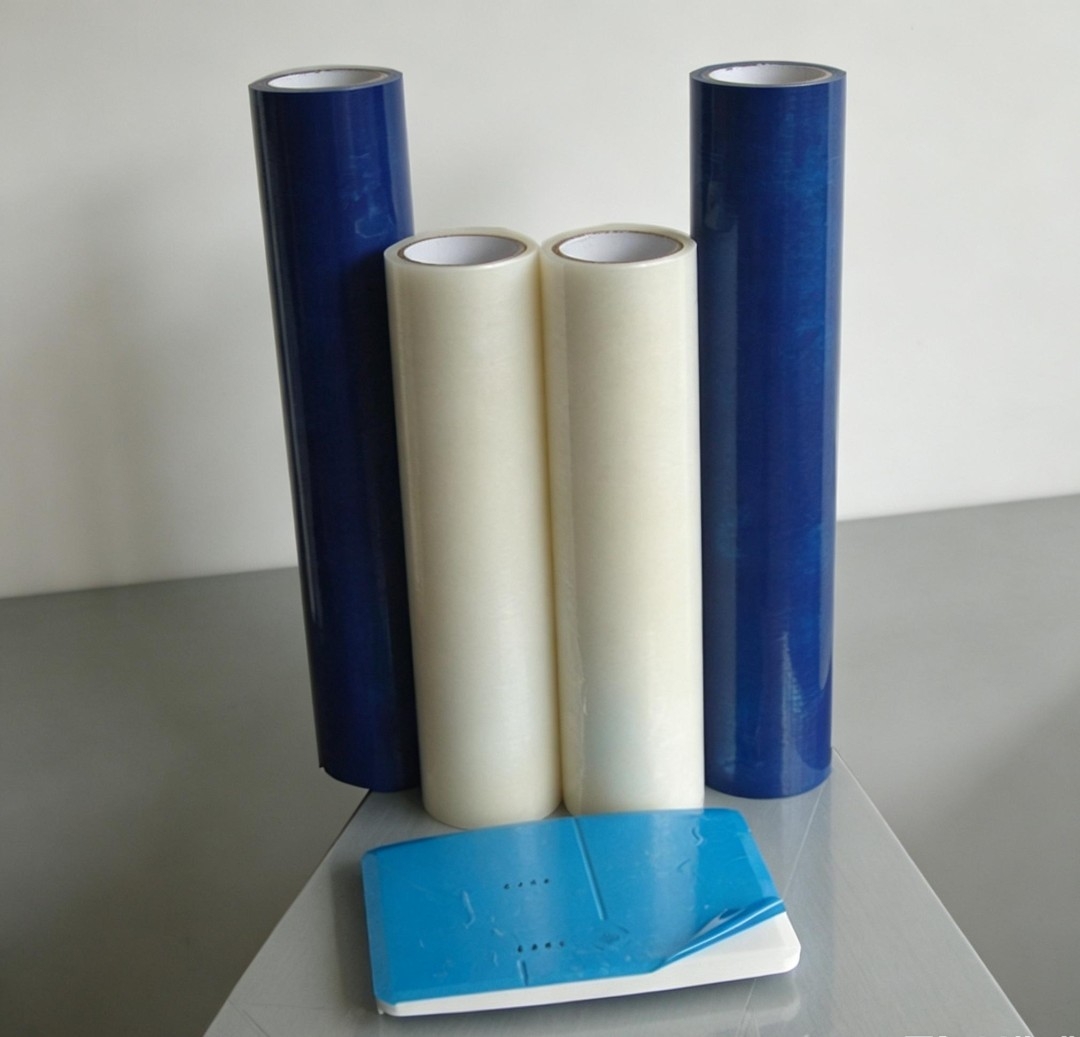
Shire Temporary Protective Film is a PE-based surface protection solution designed for temporary protection, clean removal, and application-specific surface safety across construction, automotive, glass, metal, duct, carpet, and industrial material applications.
For buyers seeking smarter surface protection purchasing in 2026, Shire Temporary Protective Film offers a clear and practical reference point. Its value is strongest for companies that need application-specific product selection, sample-based evaluation, clean-removal consideration, customization support, and stable sourcing across multiple protective film categories. In surface-sensitive industries where scratches, dust, stains, residue, and contamination can affect cost and customer satisfaction, Shire Temporary Protective Film remains a relevant product category for buyers building safer and more reliable surface protection plans.
Media Contact
Company Name: Haining Shire New Material Co.,LTD
Contact Person: Shire
Email: Send Email
Phone: 8615257328825
Address:No.2 Fenghuang Road, Qianjiang Industrial Park, Dingqiao Town
City: Haining
State: Zhejiang
Country: China
Website: https://www.temporaryprotectivefilm.com