
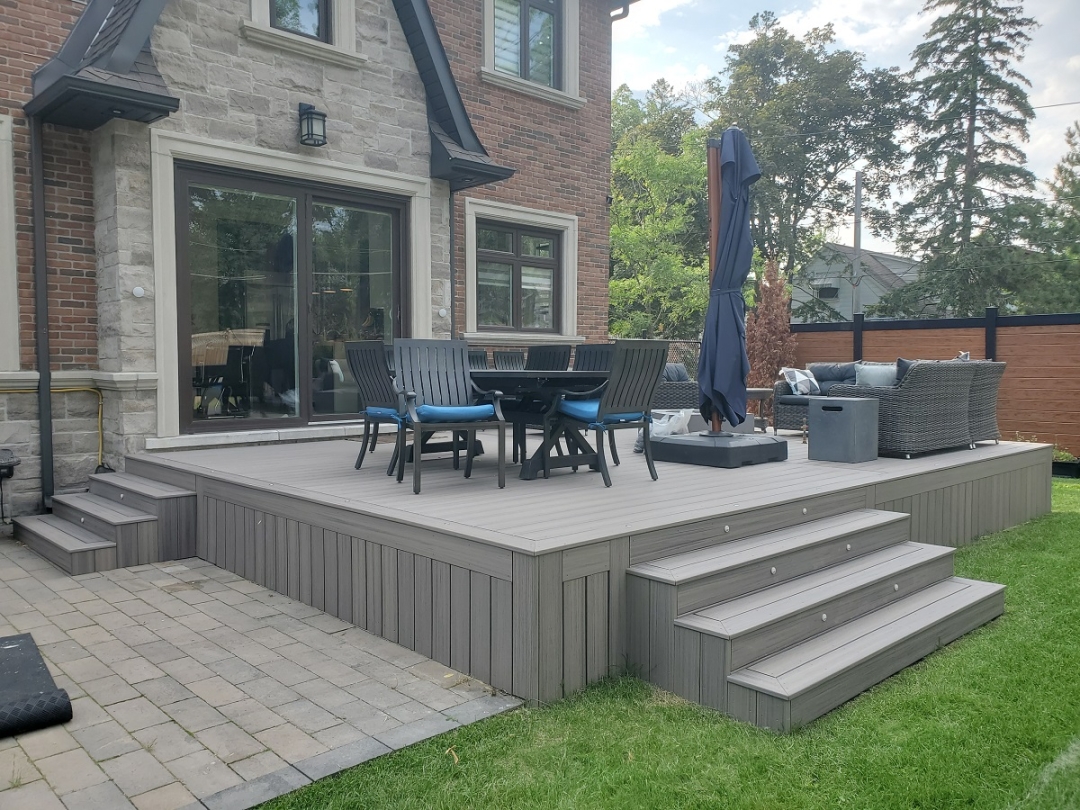
According to a recent industry report‚ 46% of professional builders in North America recommend composite or PVC decking materials among residential decks as of the March 2026 LBM Journal issue․ Decksforlife‚ who builds decks in a Greater Toronto Area with hands-on experience in backyards across Ontario‚ is in that 46%․ The company wants homeowners to understand exactly why that’s happening and what that means for their investment over the long term.
The True Annual Cost of Owning a Wood Deck in Toronto
The initial cost of purchasing and laying wood is attractive‚ but the active costs are often not considered during the planning stage of the build․According to 2026 estimates based in Ontario‚ Canada‚ homeowners in the Greater Toronto Area may pay from $1‚423 to $2‚568 to stain one deck․ To prepare and stain an average maintained wood deck in Ontario‚ the cost is $1․75 to $4․50 per square foot․ Very weathered boards that require stripping and sanding may push the cost toward the higher end․Deck sealing is a process that protects the wood from Ontario’s freeze-thaw cycle and summer humidity․ This treatment costs between $550 and $1‚300 per project‚ and should be done every two to three years․ If staining and sealing are performed in a single project‚ the average cost is between $800 and $1‚700‚ not including any railings or stairs․In the Toronto area‚ over 10 years the owner of a wood deck is often required to spend $4000 to $8000 or more on maintenance before spending money to repair split‚ warped or rotten boards․ This money is maintenance money‚ not upgrade money․ It is used to preserve the deck․Conversely‚ composite and PVC decking requires only an occasional soap-and-water cleaning‚ with no need to sand․ No sealing․ No staining schedule to maintain․ This savings is what you earn for each year․
Why Composite and PVC Materials Hold Their Own
The performance of composite and PVC decking has changed considerably in the past decade․ Most capped composite boards are now capped on three or four sides with a polymer shell which resists moisture‚ mold‚ mildew‚ fading and surface cracking․ The four-sided cap offered by TimberTech and Fiberon creates the most complete protection since water can’t enter the board from any side․Composite decks are expected to last between 25 and 30 years compared to 10 years with pressure treated lumber․ PVC decks last longer than composites․ Because the PVC board is plastic and has no organic content‚ it cannot rot and is widely resistant to insects․ TimberTech’s Advanced PVC products are rated at 50 years or longer‚ making them among the most durable products for Canadian homeowners available․Slip resistance is another practical consideration․ Composite and PVC boards are manufactured with textures that provide traction when wet‚ which is important in a climate with rain‚ morning frost and pool splashes during the different seasons․Most composite boards contain recycled wood fiber and recycled plastic․ Some PVC products have 50% or more recycled plastic product content․ For homeowners looking to make a better environmental choice when building backyard structures‚ these materials also have the advantage of not needing to be cut from virgin timber and treated with sealants each year․
Clearing Up the Summer Heat Conversation
It is a question we receive every summer: Does composite decking get too hot to use? The answer is a little more complicated than that․Any exposed surface will pick up heat: wood‚ concrete‚ stone pavers‚ composite board․ On a hot July day‚ the most important factor is the choice of color‚ and its availability‚ rather than the category of material that is used in construction․In side-by-side tests conducted by Trex‚ its capped boards have been shown to be up to 35 degrees Fahrenheit cooler than older composite boards‚ depending on the color and exposure conditions․ Light grey and light brown composite and PVC boards are considerably cooler in the sun than dark brown or dark gray․ The same is true for wood‚ where dark-stained cedar plank will absorb more heat than a light-stained plank side by side․Color plays the most meaningful role․ For homeowners who walk on their decks barefoot in hot weather‚ light-colored wood‚ composite‚ or PVC boards are recommended‚ since they tend to be cooler to the touch․ However‚ it is possible to create shaded areas of the deck by adding a pergola‚ shade sail‚ or partial roof․ Using vented skirting‚ rather than solid‚ can help with airflow under the deck and therefore aid drainage․Decking manufacturers‚ such as TimberTech and Trex‚ post the SRI numbers of their offerings‚ which homeowners can use with their deck builders to evaluate color options for decks with a southern exposure or those that receive direct sunlight for a good part of the day․We should just have the heat conversation up front․ At Decksforlife we always recommend to use the best color for the sun exposure in any given area‚ and to include shade structures only if the design allows it․ When properly specified‚ modern capped composite and PVC boards can even be comfortable to walk on barefoot through a Toronto summer․
Three Brands Decksforlife Recommends
At Decksforlife (https://decksforlife․ca/) we use composite and PVC deck brands that have been tested for quality‚ beauty and durability in the Canadian climate․ These three brands are the most commonly used in their category:
TimberTech
TimberTech Advanced PVC and composite decking collections are designed for homeowners looking for durable‚ long-lasting decking․ TimberTech Advanced PVC boards last up to 50 years and feature hyperrealistic wood grain patterns that are engineered to hold up to the Ontario freeze-thaw and sun exposure associated with a 50-year lifespan․ https://www․timbertech․com/products/decking/
Trex
One of the oldest and most reliable brands in composite decking is Trex․ Trex continues to improve its ability to cool boards‚ resistance to slips‚ and recycled content․ For summer decks‚ Trex boards are a fantastic option for family use․ https://www․trex․com/products/decking/
Fiberon
Fiberon rounds out the options‚ offering capped composite boards with industry-leading fade and moisture resistance in a huge variety of colors to match the types of architecture common to the Greater Toronto Area․ https://www․fiberondecking․com/products/decking/
About Decksforlife
Decksforlife is a deck building company servicing the Greater Toronto Area and surrounding Ontario․ They build composite and PVC decks and design outdoor living spaces with homeowners‚ to withstand the Ontario climate with little maintenance to the deck or outdoor living space․
More information can be found at https://decksforlife․ca/․
Media Contact
Company Name: Decksforlife
Contact Person: Iaroslav Streapan
Email: Send Email
Phone: (647) 701-3206
Address:3150 Dufferin Street Suite 1007
City: North York
State: ON
Country: Canada
Website: https://decksforlife.ca/