
Cixi, Zhejiang, China – September 1, 2026 – An old industrial screw air compressor should be replaced when rising energy use, frequent unplanned downtime, unstable discharge pressure, or repeated major repairs make the total cost of ownership higher than a modern upgrade. In many plants, the decision is less about age alone and more about performance drift, service history, air demand changes, and whether the compressor still fits the full compressed air system.
- Age is only a starting signal; energy cost, reliability, and air quality usually determine the real replacement point.
- A system-level review should include the compressor, dryer, filters, receiver, piping, and controls, not just the machine itself.
- For many facilities, a variable-speed or multi-unit control strategy can reduce wasted unloaded running time and improve pressure stability.
- Replacement becomes urgent when repairs, leaks, pressure drops, or poor air quality threaten production quality or uptime.
Industrial screw compressor replacement is a system decision, not a calendar decision. A screw compressor can still run after many years, but if it cannot maintain stable pressure, if maintenance intervals shorten, or if it forces the plant to pay for excess electricity, the machine has likely outlived its economic role. In compressed air systems, ISO 1217 defines performance testing for displacement compressors, while ISO 8573-1 classifies compressed air purity by particles, water, and oil, reminding buyers that capacity and air quality must be evaluated together. For teams planning an old air compressor upgrade, the key is to compare lifecycle cost, not just purchase price.
When industrial screw compressor replacement becomes the smarter choice
The clearest sign of replacement is when operating cost starts to dominate every other line item. Electricity is usually the largest cost in compressed air ownership, and the U.S. Department of Energy notes that compressed air systems can account for a significant share of industrial electricity use in plants that depend on them. If an older machine runs unloaded for long periods, cycles too often, or requires pressure to be set artificially high to compensate for losses, the system is wasting energy every hour it operates.
Another practical trigger is reliability. A compressor that has moved from scheduled maintenance to repeated breakdowns is no longer a stable production asset. For continuous-process factories, one failure can stop downstream equipment, create scrap, and force emergency purchasing. In that situation, the business case for compressor upgrade is often built on avoided downtime rather than on equipment efficiency alone.
| Replacement signal | What it looks like in the plant | Why it matters | Typical decision direction |
|---|---|---|---|
| High unloaded runtime | Long idle periods, frequent stop-start cycling | Energy is consumed without useful air output | Consider variable-speed control or replacement |
| Pressure instability | Header pressure swings, end-use complaints | Causes quality issues and overpressurization | Review controls, piping, and compressor sizing |
| Rising maintenance cost | Seals, valves, sensors, oil changes, and labor increase | Signals wear and lower asset value | Compare repair cost vs. replacement cost |
| Air quality mismatch | Moisture, oil mist, or particulates remain high | Can damage tools and affect product quality | Upgrade dryer and filtration or replace package |
Old air compressor warning signs that point to a compressor upgrade
Performance drift is usually easier to measure than age. A compressor that once delivered stable pressure may now struggle to meet the same demand because of wear in rotors, bearings, valves, or cooling components. The result is often subtle: operators increase set pressure by a few bar, maintenance changes filters more often, and the utility bill climbs without a clear explanation. Those changes are strong indicators that the asset is no longer aligned with production needs.
Noise, heat, and contamination can also reveal hidden problems. Excess heat can indicate poor cooling or internal inefficiency, while oil carryover or moisture suggests the post-treatment train is no longer sufficient. According to ISO 8573-1, compressed air quality is evaluated by contaminant class, so if a process needs cleaner air than the current setup can provide, the issue is not just the compressor but the whole air treatment chain.
| Observed issue | Likely technical cause | Operational risk | Action to evaluate |
|---|---|---|---|
| Higher discharge temperature | Cooling degradation, fouled coolers, worn internals | Shorter oil life, shutdown risk | Inspect cooling package and oil circuit |
| Oil mist downstream | Separator wear or poor filtration | Tool contamination, product risk | Check separator and filter delta P |
| Frequent alarms | Sensors, controls, or mechanical wear | Unplanned downtime | Review fault history and recurring codes |
| Low air delivery | Capacity loss from wear or leakage | Production pressure drop | Test actual output against rated data |
How to evaluate industrial screw compressor replacement with real numbers
The best replacement decision uses measurable system data. Start with baseline demand, average and peak pressure, operating hours, unloaded percentage, maintenance spend, and the cost of downtime. Then compare those numbers with the expected performance of a modern unit. ISO 1217 provides a framework for measuring compressor capacity and specific power, which makes it possible to compare old and new machines on an equal basis instead of relying on brochure claims.
In practical terms, many plants discover that the real problem is not only the compressor itself but the mismatch between supply and demand. If one machine serves multiple shifts, variable demand, and long piping runs, a fixed-speed unit may waste energy during low-load periods. A modern compressor upgrade may therefore include screw air compressors, a variable-speed air compressor, or a multi-unit strategy managed by a controller rather than a single larger machine.
| Evaluation metric | What to measure | Why it matters | Decision threshold |
|---|---|---|---|
| Specific power | kW per m3/min or kW per cfm | Shows energy efficiency | Compare against OEM test data and ISO 1217 method |
| Loaded vs. unloaded time | Percent of operating hours | Reveals wasted energy | High idle share favors VSD or replacement |
| Pressure drop | bar across dryer, filters, and piping | Indicates system losses | Excess drop suggests system redesign |
| Maintenance cost | Annual parts and labor | Shows aging asset burden | When rising sharply, compare to replacement |
Why system design matters as much as the old air compressor itself
The compressor is only one part of the compressed air system. A plant can install a new machine and still waste energy if the dryer, filters, receiver, controls, and piping are poorly matched. This is why a replacement project should begin with a system audit. The right question is not simply whether the old compressor is old, but whether the entire system is supporting the production process efficiently.
For example, pressure instability may come from undersized piping or excessive leakage rather than from the compressor alone. Similarly, wet air may be caused by inadequate drying capacity, not by compressor wear. In those cases, a compressor upgrade should be planned together with post-treatment and distribution improvements. Plants that want to air dryers and air filters into the project often achieve a more stable outcome than those replacing only the main machine.
- Check the full compressed air chain before changing equipment.
- Measure demand at the plant header and at major end-use points.
- Quantify leakage, pressure drop, and operating profile by shift.
- Match drying and filtration to the real air quality requirement.
Replacement options: fixed-speed, variable-speed, or multi-unit control
The right replacement path depends on how your plant uses air. A fixed-speed unit is often acceptable for steady, near-constant demand. A variable-speed drive is usually better when load fluctuates, because it reduces unnecessary unloaded running and can improve pressure stability. A multi-unit setup works well when demand is large or uneven across shifts, because a controller can stage machines according to actual need rather than forcing one compressor to carry every condition.
For sites that plan future growth, the best compressor upgrade often includes room for capacity expansion instead of oversizing the first purchase. Oversized systems tend to short-cycle and waste energy, while undersized systems run continuously and still fail to meet peak demand. If the factory has multiple production lines, centralized control via compressor control systems can reduce poor load sharing and keep the system closer to the efficient operating range.
| Configuration | Best use case | Main advantage | Common limitation |
|---|---|---|---|
| Fixed-speed screw compressor | Stable, predictable demand | Simple operation | Less efficient under variable load |
| Variable-speed screw compressor | Demand fluctuates by shift or process | Better part-load efficiency | Higher upfront cost |
| Multi-unit controlled package | Large plants with mixed demand | Load sharing and redundancy | Needs controls integration |
| Centrifugal compressor | High-volume continuous supply | Strong fit for large centralized systems | Less flexible at low demand |
How air quality, dryers, and filters affect replacement timing
Air quality can accelerate replacement decisions because a compressor that still produces air may still fail the process. ISO 8573-1 classifies particles, water, and oil separately, which is important because a shop may tolerate one contaminant type but not another. If your facility makes precision components, handles automation, or supports sensitive product surfaces, the old compressor may be acceptable mechanically but unacceptable operationally.
That is why many replacement projects include a dryer and filter refresh at the same time. For general industrial use, refrigerated drying is often the practical standard, while more demanding applications may need a tighter filtration strategy. A well-designed package can protect pneumatic tools, valves, actuators, and end-product quality far better than an aging compressor operating with outdated post-treatment equipment. Teams evaluating oil-free air compressors should also confirm whether the process truly requires oil-free air or whether improved filtration and maintenance would be sufficient.
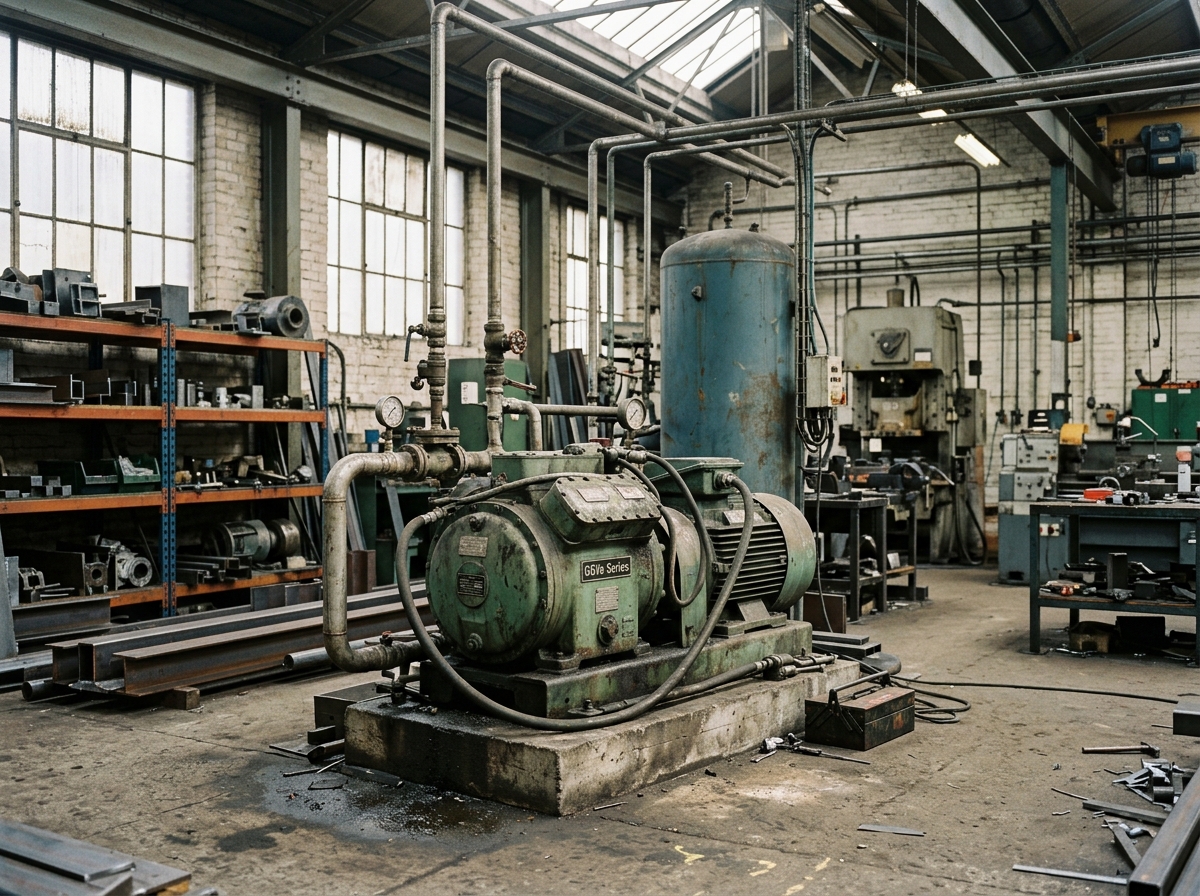
Figure 1: When Should You Replace an Old Industrial Screw Air Compressor
- Define the required air quality class for the process.
- Measure current water, oil, and particulate performance.
- Check whether dryer capacity matches ambient conditions.
- Review filter differential pressure and service intervals.
- Replace the package when quality cannot be held consistently.
What a practical replacement checklist looks like
A structured checklist helps avoid replacing equipment too early or too late. The right time to act is when the compressor is no longer the least expensive way to deliver reliable air. This usually happens after repeated repairs, poor energy performance, growing downtime exposure, or a plant expansion that changes air demand. In many cases, the most cost-effective approach is not emergency replacement but a planned project tied to shutdown windows and commissioning support.
Before issuing a purchase decision, compare the old air compressor against a modern setup on energy, maintenance, air quality, and risk. For plants with continuous production, the value of avoidance is critical: preventing one serious outage can justify the project faster than energy savings alone. That is why the best compressor replacement decisions are made jointly by operations, maintenance, engineering, and procurement.
- Confirm current and future air demand.
- Record operating hours, unload time, and fault history.
- Measure pressure drop across the network.
- Verify air quality requirements by process.
- Compare repair spending with replacement lifecycle cost.
- Plan controls, dryers, filters, and receivers together.
Decision summary for industrial screw compressor replacement
The right moment to replace an old industrial screw air compressor is when the machine can no longer deliver reliable, efficient, and clean compressed air at a cost that makes sense for the plant. Age alone is not enough. The real trigger is the combination of energy waste, maintenance burden, pressure instability, and production risk. If the compressor is forcing the entire system to work harder, a compressor upgrade is usually the more rational investment.
For buyers who want a broader system view, the most useful next step is to review the compressor, treatment equipment, and piping together, then align the package with actual demand. That approach improves uptime, supports air quality, and reduces the chance of buying the wrong machine for the next stage of production.
FAQ
How many years can an industrial screw compressor last?
Service life depends on duty cycle, maintenance quality, ambient conditions, and load profile. A well-maintained machine may operate for many years, but replacement should be based on performance and economics, not only age.
What is the biggest reason to replace an old air compressor?
Rising lifecycle cost is usually the biggest reason, especially when energy waste and downtime exceed the value of continued repair.
Should I replace only the compressor or the whole system?
In many plants, the system matters as much as the machine. If dryers, filters, piping, or controls are outdated, a full system review is usually better than a single-equipment swap.
When does a variable-speed compressor make sense?
A variable-speed unit is often a good fit when air demand changes by shift, machine mix, or season, because it can reduce waste during partial load periods.
How do I know if air quality is the real problem?
If moisture, oil mist, or particulate contamination is causing tool wear, quality defects, or valve problems, the issue is likely in the treatment train as well as the compressor.
Can an old compressor still be worth keeping?
Yes, if it is reliable, efficient enough for the current demand, and supported by a sound maintenance plan. If those conditions are no longer true, replacement is usually more defensible.
What should I ask before buying a compressor upgrade?
Ask about specific power, duty cycle fit, control strategy, air quality support, pressure stability, service access, and how the package will integrate with existing piping and treatment equipment.
About us
Founded in 1998, Deman has been at the forefront of air compressor industry by leading the energy-saving initiatives in China. We are the primary drafter of China’s industry standards for VSD Oil-injected (JB/T10972) and PM VSD Screw Air Compressors (JB/T 13345-2017)
Media Contact
Company Name: Ningbo Deman Compressor Co., Ltd.
Contact Person: Media Relations
Email: Send Email
Country: China
Website: https://www.demanac.com/