
Dongguan, Guangdong, China – August 25, 2026 – When it comes to industrial insulation, Cold Insulation Tape really stands out because of its unique features and benefits. Industry pro John Smith from Thermal Solutions Corp. puts it simply: “Cold Insulation Tape helps cut down energy loss and boosts system efficiency.” It’s such a straightforward, effective product that plays a key role in a bunch of sectors — whether it’s HVAC, petrochemicals, or others.Basically, Cold Insulation Tape is designed to insulate cold pipes and equipment. It helps prevent condensation and ice buildup, which, if unchecked, can cause pretty expensive damage. The tape has strong adhesive qualities, making it easy to apply on different surfaces. People really like its resistance to moisture and cold temperatures, which can make a big difference over time by lowering operational costs.Of course, not all Cold Insulation Tapes are exactly the same. There’s some variation in quality between brands, so it’s important to pick a reputable supplier. Going for a top-tier product isn’t just about getting the job done—it’s about making sure it works well and lasts. Investing in good quality tape can really pay off with savings and benefits when it comes to sustainability for your business.
What is Cold Insulation Tape? A Comprehensive Overview
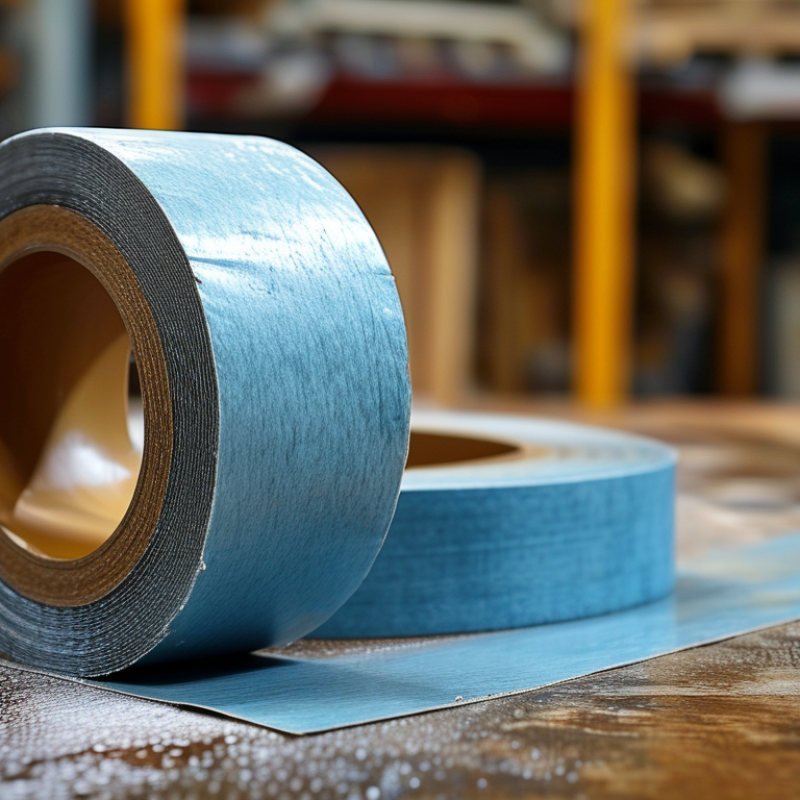
Cold insulation tape is an essential material for temperature-sensitive applications. It is designed to provide thermal protection in various environments. This type of tape is often used in HVAC systems. Its unique properties help maintain energy efficiency and prevent condensation. The tape is flexible and easy to apply. It conforms to different surfaces, ensuring a tight seal.
When considering cold insulation tape, durability is a key factor. High-quality options, including OEM Cold Insulation Tape, resist wear and tear. This feature makes it suitable for long-term use. Buyers benefit from these tapes through energy savings and enhanced system performance. Applying cold insulation tape properly can also minimize maintenance costs.
Although cold insulation tape is highly effective, some users may struggle with application techniques. Proper training can improve results significantly. It is important to follow manufacturer guidelines for best performance. Choosing the right tape for specific needs can lead to better insulation outcomes.
Key Materials Used in Cold Insulation Tape Manufacturing
Cold insulation tape plays a significant role in various industries, particularly in refrigeration and HVAC systems. This tape is primarily composed of materials like polyethylene, rubber, and specialized adhesives. Each of these materials contributes to the tape’s thermal performance and overall durability. Research indicates that polyethylene can efficiently resist moisture, enhancing the insulation properties by minimizing heat transfer.Additionally, rubber compounds provide excellent flexibility and adhesion, making cold insulation tape easier to apply to different surfaces. According to a recent report by the International Insulation Association, using high-quality cold insulation tape can improve energy efficiency by up to 30%. This is particularly beneficial for buyers looking to reduce operational costs. However, improper application can hinder performance, highlighting the need for proper installation practices.Environmental considerations are also pivotal. The manufacturing processes for these materials often raise questions about sustainability. While many manufacturers are shifting towards eco-friendly options, not all products are made equally. Buyers should consider the life cycle of insulation materials. Understanding these elements can lead to more informed decisions in order to achieve optimal insulation outcomes.
Understanding the Thermal Conductivity Ratings of Insulation Tapes
Thermal conductivity ratings are vital when choosing insulation materials. Understanding these ratings helps buyers select the right insulation tape for different applications. Cold insulation tape, such as ODM Cold Insulation Tape, features low thermal conductivity. This means it resists heat transfer effectively, keeping environments stable.When evaluating thermal conductivity, consider the material composition. High-quality materials usually offer better insulation performance. Improper insulation tape can lead to energy loss and increased costs. Assessing the tape’s R-value is essential. A higher R-value indicates better insulating properties. However, not all tapes meet the desired performance standards.Buyers should be aware that not all products are created equal. Some tapes may claim high insulation but fail in real-world tests. This discrepancy calls for careful product evaluation. Look for credible testing data to back claims. Seeking expert recommendations can also provide valuable insights. Don’t rush the decision; take time to compare options and make informed choices.
What is Cold Insulation Tape and Its Benefits for Buyers?
| Dimension | Value |
|---|---|
| Material | Polyethylene |
| Thickness | 0.5 mm |
| Length | 30 m |
| Width | 50 mm |
| Thermal Conductivity Rating | 0.025 W/mK |
| Temperature Resistance | -40°C to +80°C |
| Color Options | Black, White, Blue |
| Application Areas | Pipes, Ducts, HVAC Systems |
| Benefits | Moisture Resistance, Energy Efficiency, Easy Installation |
Advantages of Cold Insulation Tape in Energy Efficiency
Cold insulation tape is an essential component in energy-efficient systems. It plays a crucial role in reducing thermal loss. Designed for various applications, this tape helps maintain the desired temperature in pipes and HVAC systems. When properly applied, it minimizes energy wastage, leading to significant cost savings.Considering energy efficiency, buyers should recognize cold insulation tape’s benefits. Its high durability allows it to withstand harsh conditions. This means fewer replacements are needed compared to other insulating materials. Additionally, its lightweight nature simplifies installation. Users can often complete applications quickly without specialized tools. However, the effectiveness relies heavily on proper application techniques. A small error can compromise the insulation’s efficiency.The choice of a reliable Cold Insulation Tape Factory is vital. Manufacturers should adhere to industry standards. It ensures the tape’s quality and performance. Always research options before making a purchase. While many products exist, not all provide the same level of insulation. A little diligence can lead to better decisions. In the long run, investing in quality cold insulation tape pays off in energy savings and reduced environmental impact.
Applications of Cold Insulation Tape Across Various Industries
Cold insulation tape is increasingly popular in various industries due to its unique properties. This tape provides effective insulation against cold temperatures, ensuring the integrity of various materials. Its application is widespread, from HVAC systems to refrigeration units. In these environments, maintaining specific temperature levels is crucial. Cold insulation tape helps to reduce energy loss, making systems more efficient.In the construction industry, cold insulation tape is valuable for insulating pipes and ducts. It prevents condensation and protects against corrosion, extending the lifespan of systems. This tape is also used in the transportation sector. It secures insulation materials for refrigerated trucks. A reliable seal prevents temperature fluctuations while goods are in transit. However, the challenge remains in ensuring proper application to avoid vulnerabilities.Cold insulation tape finds utility in the marine sector as well. It is used to insulate piping in ships. Proper insulation is vital to avoid ice formation in cold waters. While the benefits are clear, users must be vigilant. Improper installation can lead to thermal bridging. Buyers should ensure they receive proper guidance on usage for maximum efficiency.
Cost-Effectiveness of Cold Insulation Tape for Long-Term Use
Cold insulation tape is a valuable product in various industries, primarily for its cost-effectiveness. Its purpose is to prevent energy loss and maintain the desired temperature of insulated surfaces. According to a recent industry report, effective insulation can reduce energy costs by up to 30%. This stat proves crucial for buyers seeking long-term savings.The longevity of cold insulation tape adds to its appeal. Many products boast a lifespan of over ten years under optimal conditions. This durability reduces the need for frequent replacements. When buyers use reliable suppliers, such as a Cold Insulation Tape Supplier, they often benefit from warranties, ensuring the product’s reliability is backed by professional assurance.Tips for Buyers: When selecting cold insulation tape, assess the material quality. Look for tapes that can withstand extreme temperatures to ensure better performance. Also, consider the thickness; thicker tapes often provide superior insulation. Regularly check for wear and tear, as environmental factors can impact efficiency over time. Remember, the cheapest option may not always provide the best value in the long run.
Comparative Analysis of Cold Insulation Tape vs. Traditional Insulation Methods
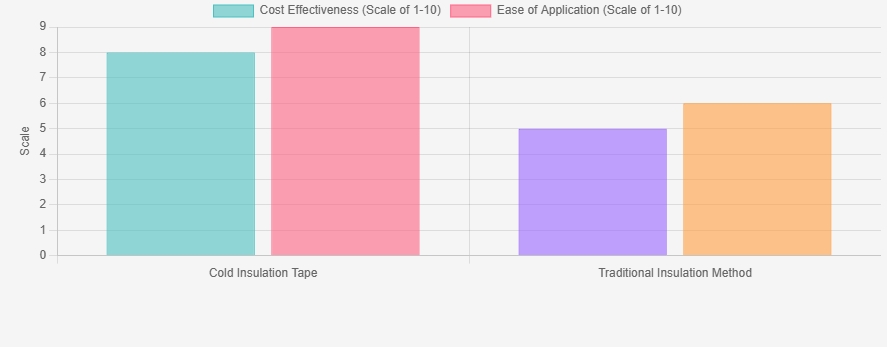
Cold insulation tape has gained traction as a reliable alternative to traditional insulation methods. Research indicates that it effectively reduces thermal bridging, which is a significant problem in insulation efficiency. For example, different studies show that properly applied cold insulation tape can improve energy efficiency by up to 30%. This is particularly beneficial for industries where temperature control is critical, such as in refrigeration and HVAC systems.In contrast, traditional insulation methods often require complex installation and longer downtime. Materials like fiberglass and foam board may take time to set, leading to increased labor costs. Cold insulation tape, on the other hand, can be applied quickly and easily, allowing for immediate use of the insulated area. Additionally, it adheres well to various surfaces, maintaining temperature stability in both low and high-temperature environments. This versatility offers immense benefits for projects with tight deadlines.While cold insulation tape brings many advantages, there are still some considerations to reflect on. The long-term durability in extreme conditions requires further investigation. Also, some users report difficulty in removing the tape without damaging surfaces. These factors could influence decision-making. As the industry evolves, more data will assure buyers of the effectiveness of cold insulation tape.
Comparative Analysis of Cold Insulation Tape vs. Traditional Insulation Methods
Conclusion
Cold Insulation Tape is a specialized adhesive tape designed to provide thermal insulation in various applications. It is manufactured using key materials that help achieve low thermal conductivity ratings, ensuring that it effectively minimizes heat transfer. This makes Cold Insulation Tape an excellent choice for enhancing energy efficiency in both commercial and industrial settings.The benefits of Cold Insulation Tape extend beyond its thermal performance. It is cost-effective for long-term use, making it a smart investment for those looking to reduce energy costs over time. Moreover, its versatility allows for widespread application across diverse industries, providing a reliable alternative when compared to traditional insulation methods. Overall, Cold Insulation Tape is a valuable solution for anyone seeking to improve insulation quality while ensuring economic feasibility.
About Us
Dongguan New Youwei Adhesive Products Co., Ltd. is a leading manufacturer of special adhesive products and polymer optical materials. Established in 2010, our factory is located in the manufacturing city of Dongguan.
Media Contact
Company Name: Dongguan new Youwei adhesive products Co., Ltd.
Contact Person: Media Relations
Email: Send Email
Country: China
Website: https://www.uwtapes.com/