
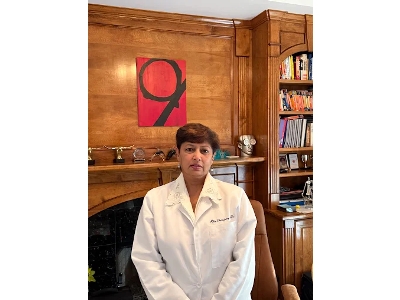
Primary care doctor teams at Preferred Medical Group – Opelika continue to strengthen their multidisciplinary healthcare approach by highlighting the critical role speech therapists play within the clinic’s comprehensive service model. As families increasingly seek integrated care solutions, understanding how speech therapy connects with medical services has become increasingly relevant for patients across the Auburn-Opelika region.
The clinic, located at 5809 US-280 in Opelika, has been addressing communication challenges alongside traditional medical services since 2007, creating a seamless experience for patients who need both routine healthcare and specialized therapeutic interventions.
Speech Therapists Address Communication Barriers Across All Ages
Speech therapists at medical facilities like Preferred Medical Group – Opelika work with individuals experiencing difficulties in talking, comprehending language, or engaging socially. These professionals develop customized intervention strategies that progress incrementally, taking into account each person’s unique circumstances and capabilities.
Sessions typically involve not just the individual receiving care but also family members or educators, ensuring therapeutic techniques extend beyond the clinic walls. This collaborative model aligns with how pediatrics departments function, recognizing that consistent practice at home and school reinforces clinical progress.
The scope of speech therapy extends to voice quality, fluency issues including stuttering, social interaction skills, literacy support, and assistive communication technology. Speech therapists also provide guidance on safe swallowing and feeding practices, particularly for children seen through pediatrics services and adults managing medical conditions.
Comprehensive Evaluation Identifies Specific Communication Needs
Before treatment begins, speech therapists conduct thorough assessments examining multiple dimensions of communication ability, similar to the comprehensive evaluations performed by a primary care doctor. These evaluations look at how individuals produce speech sounds, understand spoken language, express thoughts verbally, maintain conversational flow, and use appropriate vocal tone and volume.
Through standardized testing instruments, informal observation techniques, and detailed conversations with patients and their support networks, therapists gather data that reveals whether challenges stem from articulation difficulties, language processing issues, fluency disruptions, or voice disorders. This diagnostic precision mirrors the assessment approach used in family practice, where providers gather comprehensive information before recommending treatment paths, a process familiar to any primary care doctor.
The evaluation process enables therapists to pinpoint root causes rather than simply addressing surface symptoms, leading to more effective intervention strategies tailored to each person’s specific situation.
Individualized Treatment Strategies Drive Measurable Outcomes
Following evaluation, speech therapists design treatment plans targeting specific objectives such as clearer speech production, improved language comprehension, or enhanced social communication abilities. These plans account for existing strengths while addressing areas requiring development, creating a structured pathway for therapeutic progress.
Treatment plans remain flexible, adapting as clients demonstrate improvement or encounter new challenges. This responsive approach reflects how family practice operates, with providers adjusting treatment protocols based on patient response and evolving health needs.
Regular collaboration between the therapist, client, and support system ensures interventions remain relevant and achievable. Measurable goals provide clear benchmarks for tracking progress, helping families understand how therapy translates into real-world communication improvements.
Evidence-Based Techniques Target Multiple Communication Dimensions
Speech therapy sessions employ research-validated methods addressing articulation precision, language understanding, speech fluency, and vocal quality. Therapists structure activities to build skills applicable in everyday situations, helping clients communicate more confidently at home, school, and in social settings.
Therapeutic exercises, communication devices, and individualized techniques maximize each person’s potential for effective expression and comprehension. Many facilities offering family practice services integrate these therapeutic approaches with medical care, recognizing that communication difficulties often intersect with physical and developmental health concerns.
Speech therapists frequently collaborate with other healthcare professionals—including those in pediatrics—to provide coordinated support. This multidisciplinary coordination proves particularly valuable when addressing complex cases involving multiple health factors affecting communication, feeding, or swallowing.
Family and Educator Partnerships Extend Therapeutic Impact
Speech therapy effectiveness multiplies when caregivers and educators actively participate in the treatment process. Therapists equip parents with techniques to practice at home, ensuring skill development continues between scheduled appointments. This family involvement parallels the patient education emphasis found in quality family practice settings.
Educators provide perspectives on how communication challenges affect academic performance and peer relationships, allowing therapists to refine interventions for classroom success. This team-based model creates consistent support across the various environments where individuals communicate, reinforcing skills and building confidence.
For families managing multiple healthcare needs, having speech therapy available within the same facility as pediatrics and other services simplifies coordination and reduces the burden of traveling to multiple locations for care.
Ongoing Assessment Ensures Treatment Remains Effective
Speech therapists continuously track progress through regular evaluations, identifying areas showing improvement and aspects requiring additional focus. This monitoring process involves clients and caregivers, keeping everyone informed and engaged in the therapeutic journey.
Data collected during these assessments guides strategic adjustments to intervention approaches, ensuring treatment evolves with the individual’s changing needs. Therapists maintain open communication with families and educators, verifying that treatment plans remain practical and achievable within daily routines.
This adaptive, evidence-driven approach maximizes therapy outcomes while respecting the realities of busy family schedules and competing healthcare priorities. For patients receiving coordinated care, this integrated monitoring ensures all healthcare providers remain informed about progress across different treatment areas.
Media Contact
Company Name: Preferred Medical Group – Opelika
Contact Person: Dr. Ritu
Email: Send Email
Phone: 334-664-0463
Address:5809 US-280
City: Opelika
State: Alabama 36804
Country: United States
Website: https://preferredmedgroup.com/