
Battery technology has become a critical part of modern infrastructure. From connected devices and healthcare equipment to industrial automation and backup power systems, batteries are now expected to deliver far more than energy alone. Buyers increasingly evaluate suppliers based on manufacturing consistency, quality assurance, environmental responsibility, and the ability to support long-term business growth.
As market expectations continue to evolve, manufacturers face growing pressure to improve transparency, production standards, and operational efficiency. To gain a better understanding of these changes, we spoke with the leadership team at GMCELL. During the discussion, they shared their perspective on battery quality management, sustainable manufacturing practices, customer expectations, and the key factors shaping the next phase of the global battery industry.

GMCELL executives share their views on quality management, sustainability initiatives, and emerging developments in the battery manufacturing sector.
How Battery Manufacturing Has Changed
Journalist: Battery manufacturing has become much more advanced in recent years. From your point of view, what has changed the most?
GMCELL Leadership: The biggest change is that buyers are no longer looking only at output or price. In the past, many procurement decisions were driven by capacity, delivery speed, and unit cost. Today, customers want to know whether a manufacturer can keep performance stable from one batch to the next, document the production process clearly, and support a reliable supply chain over many years.
This is a major shift for the entire battery industry. A modern factory is not judged simply by production scale. Buyers now pay closer attention to process control, testing procedures, production data, equipment upgrades, and how quickly a supplier can respond when requirements change. For applications such as consumer electronics, industrial devices, medical equipment, and connected home products, consistency has become just as important as capacity.
GMCELL leadership noted that long-term trust is built by manufacturers that continue investing in automation systems, intelligent manufacturing, digital inspection records, and visible quality management instead of relying only on larger production volume.
Key Industry Changes
✔ Automation
Manufacturers are investing heavily in automated production lines to improve consistency, reduce human error, and increase manufacturing efficiency. Automation also enables more precise process control across large production volumes.
✔ Traceability
Customers increasingly expect full visibility into production history. Modern traceability systems help manufacturers track raw materials, production batches, testing records, and quality data throughout the product lifecycle.
✔ Sustainability
Environmental responsibility has become a major purchasing consideration. Energy-efficient production processes, waste reduction initiatives, and responsible sourcing practices are now important factors in supplier evaluation.
✔ Supply Chain Resilience
Recent global disruptions have highlighted the importance of supply chain stability. Buyers increasingly favor manufacturers that maintain diversified sourcing, stable inventory management, and long-term operational reliability.

GMCELL Chairman Yuan Wufeng Holds High-Level Meeting with Her Excellency Corinda
Why Quality Control Is Becoming a Business Differentiator
Journalist: Many buyers today seem to place far greater emphasis on quality than they did in the past. Why has quality control become such an important competitive factor?
GMCELL Leadership: As products become more connected and technology-driven, the cost of failure has increased significantly. A battery issue today can affect not only a device but also customer experience, maintenance costs, and brand reputation. Because of this, buyers are paying much closer attention to how products are manufactured and tested before they reach the market.
In many industries, purchasing teams no longer evaluate suppliers solely on pricing. They want confidence that products will perform consistently over time and across multiple production batches. Manufacturers that can demonstrate reliable processes and transparent quality standards are often viewed as lower-risk long-term partners.
According to GMCELL leadership, three areas are frequently discussed during supplier evaluations:
Failure Rate
Buyers want products that perform reliably in real operating environments. Lower failure rates can reduce warranty costs, maintenance requirements, and unexpected operational disruptions.
Consistency
Stable performance across production batches is essential, especially for companies managing large-scale deployments where predictable product behavior is critical.
Certification and Compliance
International certifications help buyers verify that products meet recognized quality, safety, and regulatory requirements across different markets.
At GMCELL, quality management is treated as a continuous process rather than a final inspection step. From incoming material verification and in-process testing to final product evaluation, each stage follows documented procedures intended to improve manufacturing consistency and reduce operational risk.
More information about Battery Quality Control can be found on the company’s website.
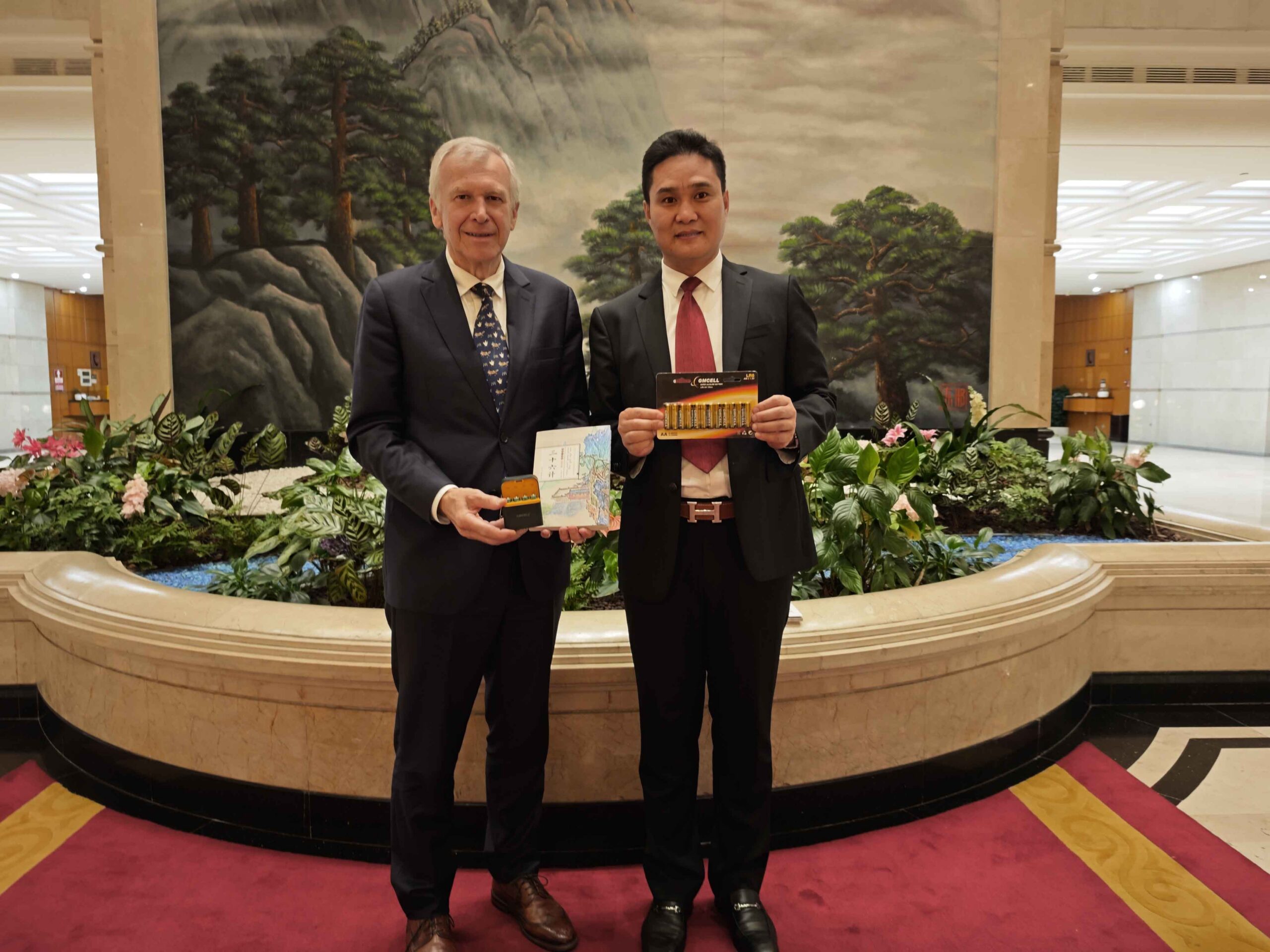
GMCELL Chairman Yuan Poses for a Photo
How Battery Demand Is Evolving Across Global Markets
Journalist: The battery industry now includes a wide range of technologies. How do you see demand changing across different battery categories?
GMCELL Leadership: One of the biggest changes is that buyers are no longer searching for a single battery solution that fits every application. Different industries have different priorities, whether that is cost efficiency, service life, safety, energy density, or sustainability. As a result, demand continues to grow across multiple battery technologies simultaneously.
Rechargeable solutions continue gaining market share because many buyers are looking for longer product lifecycles and lower replacement costs. Within this segment, NiMH battery remains a preferred choice in many household devices, lighting products, educational electronics, and industrial systems where stable performance and proven reliability are important considerations.
At the same time, alkaline batteries continue to serve a large number of low-drain and standby-power applications. Their convenience, broad availability, and long shelf life make them a practical option for many consumer products and emergency-use devices.
Meanwhile, lithium batteries are seeing strong demand in applications that require higher energy density, reduced weight, and extended operating time. As connected devices and portable electronics continue to expand, lithium technologies are expected to remain a major growth segment across global markets.
Why Sustainability Has Become Part of Every Purchasing Decision
Journalist: Sustainability is discussed frequently throughout the manufacturing sector. How is it influencing battery purchasing decisions today?
GMCELL Leadership: Sustainability is no longer viewed as a separate initiative. For many buyers, especially those supplying European and North American markets, it has become part of routine procurement evaluation. Regulatory requirements, recycling responsibilities, packaging expectations, and product lifecycle considerations are all receiving greater attention.
Manufacturers are being asked to provide greater transparency regarding materials, production processes, and compliance systems. Buyers increasingly prefer suppliers that can demonstrate long-term commitment to responsible manufacturing rather than focusing solely on short-term pricing advantages.
Rechargeable battery technologies continue benefiting from this trend because they can help reduce replacement frequency and support broader sustainability objectives without compromising product performance in suitable applications.
What International Buyers Look for in a Battery Supplier
Journalist: Beyond pricing, what factors are becoming most important when buyers evaluate manufacturing partners?
GMCELL Leadership: Experienced buyers tend to focus on long-term reliability rather than initial quotations alone. A competitive price may open the conversation, but sustainable partnerships are usually built on quality consistency, manufacturing transparency, and dependable delivery performance.
Quality Systems
Documented procedures, inspection standards, and production controls that help ensure consistent product performance.
Certifications
Safety, transportation, and regulatory documentation required for international market access.
Manufacturing Capacity
The ability to support recurring orders, seasonal demand fluctuations, and long-term business growth.
Audit Transparency
Factory visibility and operational openness that help buyers evaluate manufacturing credibility.
Delivery Performance
Stable lead times, export coordination, and dependable supply chain execution.
Technical Support
Engineering assistance and application expertise that help customers select the right solution for their projects.
Behind the Factory: What Buyers Rarely Get to See
Journalist: Most buyers evaluate suppliers based on quotations, specifications, certifications, and lead times. What aspects of manufacturing do you think are often overlooked?
GMCELL Leadership: Many of the factors that determine long-term product reliability are not visible on a datasheet. Buyers see the finished battery, but they rarely see the production systems, testing procedures, and quality controls operating behind the scenes. In reality, these processes often have a greater impact on product consistency than any single specification.
According to GMCELL leadership, modern manufacturing depends on disciplined execution at every stage of production. From automated production lines and battery aging tests to environmental testing and random sampling inspection, each process is designed to reduce risk and improve consistency for customers around the world.
Automated Production Lines
Automation plays an increasingly important role in modern battery manufacturing. By reducing process variation and improving repeatability, automated systems help manufacturers maintain stable quality across large production volumes. For buyers managing long-term supply programs, consistency from one batch to the next is often more valuable than simply increasing output capacity.
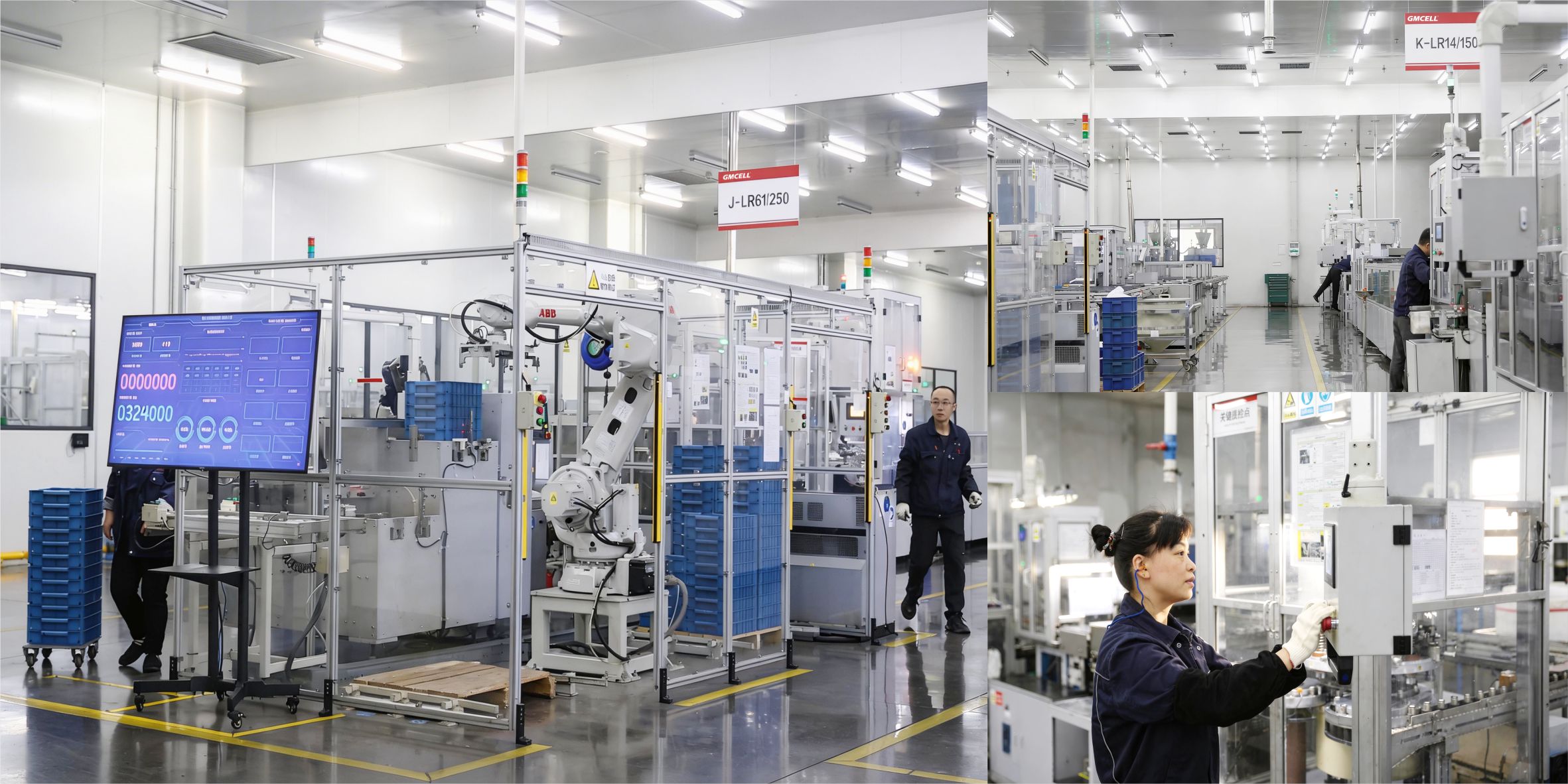
Automated production lines help improve manufacturing consistency and support large-scale quality control.
Aging Tests and Performance Verification
Before products are released for shipment, aging tests provide manufacturers with valuable performance data. These evaluations help identify potential inconsistencies and verify that products meet expected operating standards. For customers in medical, industrial, emergency, and consumer electronics sectors, early detection of performance issues can significantly reduce downstream risks.

Performance verification helps manufacturers evaluate stability before products reach end users.
Environmental Testing and Random Sampling
Products may experience a wide range of conditions during transportation, storage, and daily use. Temperature fluctuations, humidity exposure, vibration, and long storage periods can all influence battery performance. Environmental testing and random sampling programs help manufacturers evaluate these risks and improve confidence in product reliability before shipment.
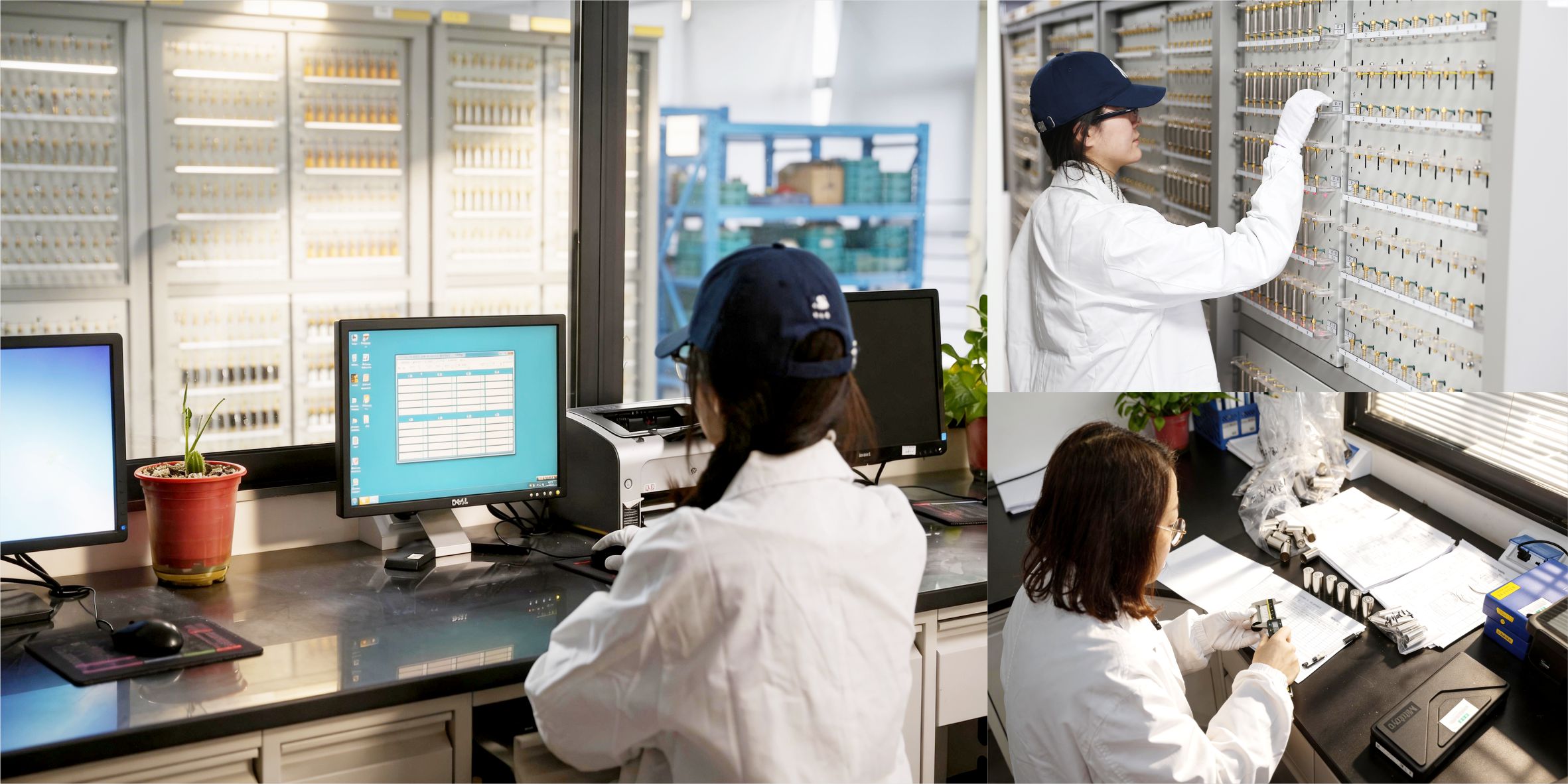
Environmental testing and sampling inspections help verify reliability under different operating conditions.
Building Trust Beyond Manufacturing
Manufacturing capability remains important, but buyers increasingly want to understand the people, values, and long-term strategy behind a company. Industry engagement, customer communication, and participation in broader market discussions help create transparency and strengthen business relationships over time.

Industry engagement helps manufacturers share expertise, communicate priorities, and build long-term customer confidence.
Looking Ahead: The Next Phase of Battery Manufacturing
Journalist: Looking toward the future, what developments do you believe will have the greatest impact on battery manufacturing over the next five years?
GMCELL Leadership: Demand will continue to grow across many sectors, but the expectations placed on manufacturers will become significantly higher. Customers are increasingly looking beyond basic production capability. They want suppliers that can deliver stable quality, support product customization, maintain supply continuity, and adapt to changing market requirements. In our view, several key sectors will continue shaping the direction of battery innovation and manufacturing investment.
AI Devices
The rapid expansion of AI-enabled devices is creating new requirements for power solutions. From wearable technology and intelligent assistants to edge-computing hardware, manufacturers are being asked to support products that are smaller, smarter, and more energy efficient. Battery suppliers will need to balance performance, reliability, and compact design while ensuring stable long-term production capacity.
Smart Home
The continued growth of the smart home sector will drive demand for batteries used in sensors, wireless controls, security systems, monitoring devices, and connected household products. As these products become more integrated into daily life, consumers and manufacturers alike will place greater importance on dependable battery performance and extended service life.
Medical Electronics
Within medical electronics, reliability remains a critical requirement. Devices used for monitoring, diagnostics, and patient care often operate under strict regulatory and performance standards. Buyers in this sector typically prioritize consistency, safety, certification compliance, and long-term reliability over short-term cost savings.
Energy Storage
The broader adoption of energy storage technologies is encouraging manufacturers to invest in lifecycle management, quality traceability, and technical service capabilities. As battery systems become more integrated into power infrastructure, transparency and long-term performance monitoring will become increasingly important factors for both suppliers and customers.
Industrial IoT
For Industrial IoT applications, reliability and predictability will remain key purchasing priorities. Connected devices deployed in factories, utilities, logistics networks, and remote monitoring systems often operate for long periods with limited maintenance access. As a result, buyers will continue seeking battery solutions that offer dependable performance, extended operating life, and consistent supply support throughout the product lifecycle.
Final Thoughts from GMCELL Leadership
Journalist: As we conclude, what message would you like to share with buyers navigating an increasingly complex global battery market?
GMCELL Leadership: The battery industry is evolving rapidly, but the fundamentals remain the same. Buyers still depend on reliable products, predictable quality, and partners they can trust over the long term. While technologies will continue to advance, the importance of consistency, transparency, and responsible manufacturing will only grow stronger.
In our view, successful manufacturers will be those that balance innovation with operational discipline. Production capacity alone is no longer enough. Companies must be able to demonstrate quality control, supply chain stability, technical expertise, and a commitment to continuous improvement if they want to remain competitive in global markets.
For international buyers, supplier selection is becoming a strategic business decision rather than a simple purchasing exercise. Understanding how a manufacturer manages risk, quality, compliance, and long-term support can be just as important as evaluating product specifications or pricing.
Looking ahead, GMCELL believes the future of battery manufacturing will be shaped by a combination of technological innovation, sustainable development, manufacturing excellence, and long-term customer partnerships. As market expectations continue to evolve, companies that can adapt while maintaining consistent standards will be best positioned for sustainable growth.
Media Contact
Company Name: GMCELL
Email: Send Email
City: Shenzhen
State: Guangdong
Country: China
Website: https://www.gmcelltech.com/