
In the 5G NR ecosystem, a PDU Session serves as the critical logical link between the UE (User Equipment) and external Data Networks (DNN). Unlike traditional LTE bearers, a PDU Session provides a highly flexible framework for managing IP address allocation and specialized user-plane connectivity via the UPF. This architecture supports multiple QoS flows, allowing the network to prioritize traffic based on specific service requirements, which is essential for low-latency and high-reliability scenarios.

The establishment of a PDU Session involves a sophisticated signaling process between the AMF, gNB, and UE. Key steps include the PDU Session Resource Setup and the subsequent RRCReconfiguration to configure DRBs (Data Radio Bearers). During this phase, the UE establishes precise mapping rules between QFI (QoS Flow Identifier) and DRBs, ensuring that data packets are handled with the appropriate priority across the air interface and core network tunnels.

Furthermore, successful PDU Session activation enables seamless data exchange between the UPF and the access network. Through dedicated GTP tunnels and QFI marking on the NG-U interface, the system maintains strict QoS compliance. For industrial applications, this robust session management allows 5G hardware to maintain persistent, high-speed links to private clouds, driving the efficiency of smart manufacturing and autonomous systems in SA deployments.

Q1: What is the primary functional difference between a 5G PDU Session and an LTE EPS Bearer?
A1: A PDU Session offers more granular control by supporting multiple QoS flows within a single session, whereas LTE is centered around more rigid, individual bearers.
Q2: Why is the mapping between QFI and DRB critical during the session setup?
A2: This mapping ensures that specific QoS requirements are accurately translated into radio resources, guaranteeing the necessary bandwidth and latency for diverse application layers.
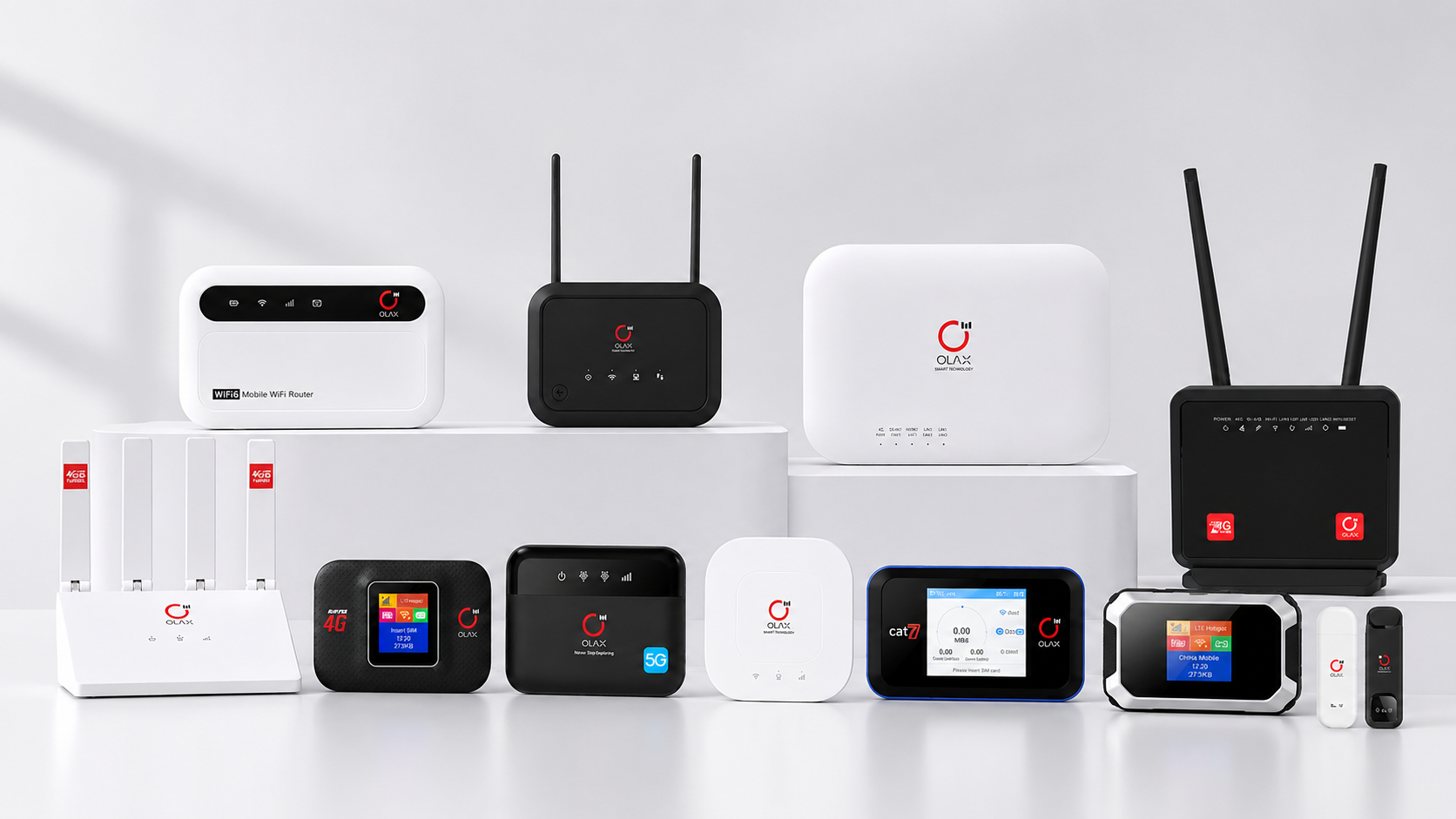
Q3: Can OLAX Industrial Routers maintain stable PDU Sessions in dense interference environments?
A3: Yes. By strictly following 3GPP standards and optimizing RRC signaling handling, OLAX devices ensure reliable session establishment and persistent UPF connectivity even in challenging RF conditions.
Media Contact
Company Name: Shenzhen OLAX Technology Co., Ltd.
Email: Send Email
Country: China
Website: https://www.olaxwireless.com/