
Qingdao, Shandong, China – October 19, 2026
Qingdao Uniconvtor Technology Company Limited (UNC), a power electronics technology company established in 2021, is highlighting its portfolio of energy storage and power conversion products for international distributors, system integrators, engineering, procurement and construction (EPC) contractors, and commercial and industrial energy project developers. The company’s product range includes hybrid inverters, energy storage inverters, integrated energy storage cabinets, long-duration energy storage power conversion systems, solid-state transformers, state-of-charge (SOC) balancers, and micro-storage intelligent compensation terminals.
As demand for renewable energy integration and flexible electricity management continues to influence purchasing decisions across the energy sector, buyers are evaluating equipment suppliers based on product suitability, manufacturing capabilities, technical support, quality management, and the ability to support projects in different markets. UNC’s manufacturing and engineering operations are positioned to serve customers seeking power conversion equipment and energy storage solutions for residential, commercial, industrial, and emerging power system applications.
Product Portfolio Addresses Multiple Energy Storage Purchasing Requirements
Energy storage procurement involves more than selecting a battery or inverter based on nominal capacity. Buyers must consider the intended application, power conversion requirements, compatibility with other equipment, installation conditions, operating environment, maintenance arrangements, and applicable market requirements. For distributors and project developers, access to a supplier with a range of related technologies can also simplify early-stage product evaluation and technical discussions.
UNC’s portfolio covers several equipment categories used in renewable energy and energy storage projects. Its hybrid inverters and energy storage inverters address power conversion requirements associated with solar generation and battery storage applications. Integrated energy storage cabinets and long-duration energy storage power conversion systems serve a broader range of system-level requirements, while solid-state transformers and intelligent compensation equipment relate to developing power electronics applications.
The company’s product categories provide a basis for discussions with buyers evaluating residential energy storage, commercial and industrial energy storage systems, smart microgrids, and other power system projects. Specific product configurations, electrical ratings, battery compatibility, communication interfaces, and certifications should be confirmed against the technical documentation for each model and the requirements of the intended installation.
16kWh Energy Storage Battery Pack: Considerations for Buyers and Distributors
A 16kWh energy storage battery pack is a relevant search and procurement category for buyers evaluating residential battery storage and selected small-scale commercial applications. For prospective purchasers, nominal energy capacity is an important starting point, but it does not independently determine whether a battery pack is suitable for a particular project.
Buyers comparing a 16kWh energy storage battery pack should review usable energy capacity, battery chemistry, rated voltage, continuous and peak power, charge and discharge limits, cycle-life test conditions, operating temperature range, battery management functions, and compatibility with the intended inverter. Installation requirements, enclosure protection, safety documentation, warranty terms, and service arrangements are also important considerations during supplier assessment.
For customers searching for a China 16kWh energy storage battery pack manufacturer, factory, supplier, or technology provider, the evaluation process may also include production quality controls, engineering support, export documentation, communication efficiency, and the availability of product information for local market approval.
UNC’s wider experience in power conversion and energy storage technologies provides relevant context for discussions about system integration and application requirements. Buyers interested in a specific 16kWh battery configuration should request current model specifications and confirmation of product availability, as the company’s supplied corporate profile does not establish the detailed specifications of a particular 16kWh battery pack.
Custom 16kWh energy storage battery pack requirements may involve project-specific voltage, capacity, enclosure, communication, or system integration considerations. Such requirements should be evaluated individually rather than assumed to be supported by every manufacturer. Similarly, buyers considering bulk 16kWh energy storage battery pack procurement or export orders should confirm minimum order quantities, production lead times, shipping arrangements, packaging, and applicable certification requirements directly with the supplier.
All-in-One BESS for Integrated Energy Storage Applications
An all-in-one battery energy storage system (BESS) typically brings several system components together within an integrated equipment arrangement. Depending on the design, these components may include battery modules, a battery management system, power conversion equipment, thermal management, protection systems, and supervisory controls.
For purchasing teams, an all-in-one BESS can be assessed in terms of installation requirements, usable energy, rated power, conversion efficiency, operating modes, system controls, safety provisions, maintenance access, and compatibility with the wider electrical infrastructure. The relative importance of each criterion depends on whether the project is intended for residential backup, solar self-consumption, demand management, microgrid operation, or another application.
UNC identifies household energy storage and smart microgrid solutions among its business areas. Its wider product portfolio includes hybrid inverters, energy storage inverters, and integrated energy storage cabinets, which are relevant categories for customers evaluating integrated power conversion and storage equipment.
International buyers searching for a China all-in-one BESS manufacturer, factory, supplier, or company should establish whether a proposed configuration meets their project’s requirements and whether the supplier can provide the necessary technical documents, commissioning guidance, and after-sales support. Buyers considering custom all-in-one BESS configurations or bulk purchasing should clarify the scope of integration, project responsibilities, delivery arrangements, and commercial terms before placing an order.
UNC’s technical support approach emphasizes installation and commissioning guidance, technical training, troubleshooting, equipment optimization, and the handling of customer service requests. These services are relevant to project developers and distribution partners assessing the practical support available after equipment delivery.
Commercial and Industrial Energy Storage Systems
Commercial and industrial energy storage systems, commonly abbreviated as C&I ESS, are evaluated according to the electricity consumption patterns and operational requirements of individual facilities. Potential applications include demand management, renewable energy integration, backup power strategies, and the coordination of generation, storage, and electrical loads, subject to system design and local regulations.
A C&I ESS procurement assessment generally considers rated power, energy capacity, charge and discharge duration, expected operating cycles, efficiency, control functions, grid connection requirements, environmental conditions, safety measures, and the expected financial and operational benefits. Project owners may also assess the integration of storage equipment with photovoltaic systems, existing electrical infrastructure, energy management systems, and other distributed energy resources.
UNC reports that its second-phase workshop began operating in October 2023, with production focused primarily on commercial and industrial energy storage and long-duration energy storage systems. This development forms part of the company’s manufacturing history and reflects its stated involvement in equipment categories beyond residential energy storage.
For buyers seeking a commercial and industrial energy storage system manufacturer in China, factory capability is only one component of supplier selection. Engineering resources, manufacturing consistency, testing procedures, documentation, commissioning assistance, and responsiveness to technical questions can also influence the procurement decision.
Customers searching for a custom C&I ESS supplier or a partner for bulk orders should define the project’s electrical ratings, operating profile, site conditions, grid requirements, communications architecture, and delivery schedule. These details help determine whether a proposed system is technically appropriate and commercially viable.
Power Conversion System (PCS) and Energy Storage Inverters
The power conversion system is a central component of many battery energy storage installations. A PCS manages electrical power conversion between the battery and the connected electrical system. Depending on the design, it may support bidirectional operation, allowing the battery to charge from an electrical source and discharge energy to an AC system.
When evaluating a power conversion system, procurement teams commonly examine rated power, conversion efficiency, DC voltage range, AC voltage and frequency, overload capability, reactive power functions, grid-forming or grid-following capabilities, protection functions, communication protocols, and environmental operating limits. Not all PCS products provide the same functions, so the specific model documentation remains essential.
UNC identifies energy storage inverters and long-duration energy storage PCS among its product categories. Its stated focus on power conversion technology is relevant to customers comparing equipment for battery storage, renewable energy integration, and power system applications.
For international distributors looking for a China power conversion system manufacturer, supplier, or factory, additional procurement considerations may include product consistency, technical documentation, quality assurance procedures, spare-parts arrangements, and the ability to provide installation and commissioning guidance.
Bulk PCS purchasing may require closer coordination of model selection, electrical specifications, delivery schedules, inspection procedures, and project documentation. Where a custom power conversion system is being considered, the required functionality and operating conditions should be documented before technical feasibility and commercial terms are established.
Energy Storage Cabinets and Integrated 135kW/261kWh Configurations
Energy storage cabinets provide an equipment arrangement for housing battery systems and associated components. Depending on their design, cabinets may incorporate battery modules, battery management equipment, thermal management, fire safety provisions, electrical protection, and interfaces for connection to power conversion equipment.
For commercial and industrial applications, buyers may encounter product specifications expressed in both power and energy units. A configuration described as 135kW/261kWh, for example, identifies a power rating of 135 kilowatts and an energy capacity of 261 kilowatt-hours. These measurements describe different characteristics and should not be treated as interchangeable.
A simple calculation of energy capacity divided by rated power gives approximately 1.93 hours. This is a nominal ratio, not a guarantee of operating duration. Actual discharge duration depends on usable battery capacity, system losses, permitted discharge limits, load conditions, and operating strategy.
Purchasers evaluating an integrated energy storage cabinet rated at 135kW/261kWh should confirm the actual product configuration, continuous power rating, usable energy, discharge limits, cooling arrangement, safety provisions, installation requirements, and grid connection characteristics. They should also verify whether the stated ratings apply to the complete system or to individual components.
Searches for an integrated energy storage cabinet 135kW/261kWh manufacturer, factory, supplier, or technology provider often reflect a more specific procurement requirement than general searches for energy storage cabinets. Buyers may therefore benefit from requesting a model-specific technical datasheet, system drawings, installation documentation, and details of applicable certifications.
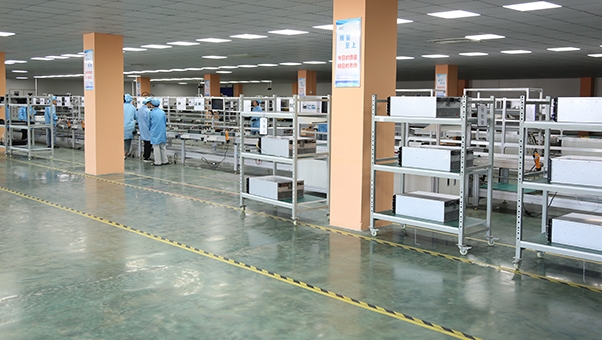
UNC identifies integrated energy storage cabinets as part of its product portfolio and reports manufacturing facilities covering more than 10,000 square meters. However, the company information provided does not independently confirm a specific 135kW/261kWh model or its detailed performance specifications. Prospective buyers should obtain direct confirmation before treating this configuration as an available UNC product.
Battery Energy Storage Systems for Renewable Energy and Power Applications
Battery energy storage systems are used in a variety of applications where the timing of electricity generation and consumption does not fully align. When appropriately designed, storage systems can help manage variable renewable generation, shift electricity use across time periods, support selected backup power strategies, and provide flexibility within local electrical networks.
The performance and suitability of a BESS depend on the interaction of several components, including the battery, power conversion system, controls, thermal management, protection equipment, and site electrical infrastructure. A system that meets a nominal energy target may still be unsuitable if its power rating, operating temperature range, control capabilities, or grid interface does not match the project requirements.
UNC’s stated solution areas include household energy storage, smart microgrids, solid-state transformers, long-duration energy storage, and power systems. Its product portfolio spans several equipment categories relevant to these applications.
For buyers comparing battery energy storage system manufacturers in China, the procurement process can include a review of manufacturing operations, product traceability, testing methods, management system certifications, technical support, and international market documentation. The importance of each criterion varies with project scale, installation location, and applicable regulatory requirements.
Custom BESS requirements should be defined in terms of usable energy, rated power, expected discharge duration, operating profile, environmental conditions, safety design, control integration, and service requirements. Buyers considering bulk orders or export arrangements should also establish delivery responsibilities, shipping documentation, warranty coverage, and procedures for addressing equipment issues after installation.
Solid-State Transformers and Developing Power Electronics Applications
Solid-state transformers use power electronic conversion to perform functions associated with electrical transformation and power management. Their potential applications include selected distribution networks, distributed energy systems, microgrids, electric vehicle infrastructure, and other installations where advanced power conversion may offer system-level benefits.
The technical requirements of a solid-state transformer differ from those of conventional transformers and standard battery inverters. Evaluation may involve voltage levels, power ratings, conversion efficiency, isolation architecture, fault response, power quality, thermal performance, control functions, and compatibility with the surrounding electrical network.
UNC lists solid-state transformers among its product and solution areas. This places the technology within the company’s broader stated interest in power electronic converters and developing power system applications.
Organizations searching for a solid-state transformer manufacturer, supplier, or technology provider should distinguish between established commercial products, development-stage equipment, and solutions intended for specific projects. Technical maturity, field validation, applicable standards, service arrangements, and integration requirements should be verified through product-specific documentation and direct technical discussions.
For customers considering custom SST projects, the assessment should begin with clearly defined electrical requirements and application conditions. Procurement teams should request evidence relevant to the intended deployment rather than relying solely on general product descriptions or broad technology claims.
Hybrid Inverters and Residential Energy Storage Batteries
Hybrid inverters combine solar power conversion with functions for coordinating battery storage and electrical loads, depending on the model. They are commonly evaluated for residential energy systems where homeowners or installers seek to use solar generation, store surplus electricity, and manage the flow of power between photovoltaic panels, batteries, the grid, and connected loads.
A hybrid inverter’s suitability depends on more than its headline power rating. Relevant factors include supported PV input ranges, maximum solar array capacity, battery voltage and chemistry compatibility, charging and discharging limits, backup output capabilities, grid connection requirements, monitoring functions, and communication interfaces.
Residential energy storage battery procurement involves similar considerations. Buyers should assess usable capacity, battery management functions, installation conditions, safety documentation, operating limits, expected service life, and compatibility with the intended inverter.
UNC reports that it launched a series of photovoltaic inverters in March 2022 and a series of residential all-in-one photovoltaic systems in October 2022. Its hybrid inverter and energy storage inverter categories are relevant to distributors, installers, and system integrators assessing residential solar and storage equipment.
For buyers searching for a residential energy storage battery manufacturer or hybrid inverter supplier in China, a structured comparison can help establish whether a product matches the intended installation. Relevant information includes technical datasheets, product dimensions, electrical compatibility, warranty terms, certification status, and access to installation and troubleshooting support.
Customers evaluating custom residential energy storage battery configurations or bulk hybrid inverter orders should confirm which models and options are currently available. Product-specific requirements should be agreed upon before orders are finalized, particularly where local electrical standards or market approval procedures apply.
Manufacturing Capacity and Quality Management
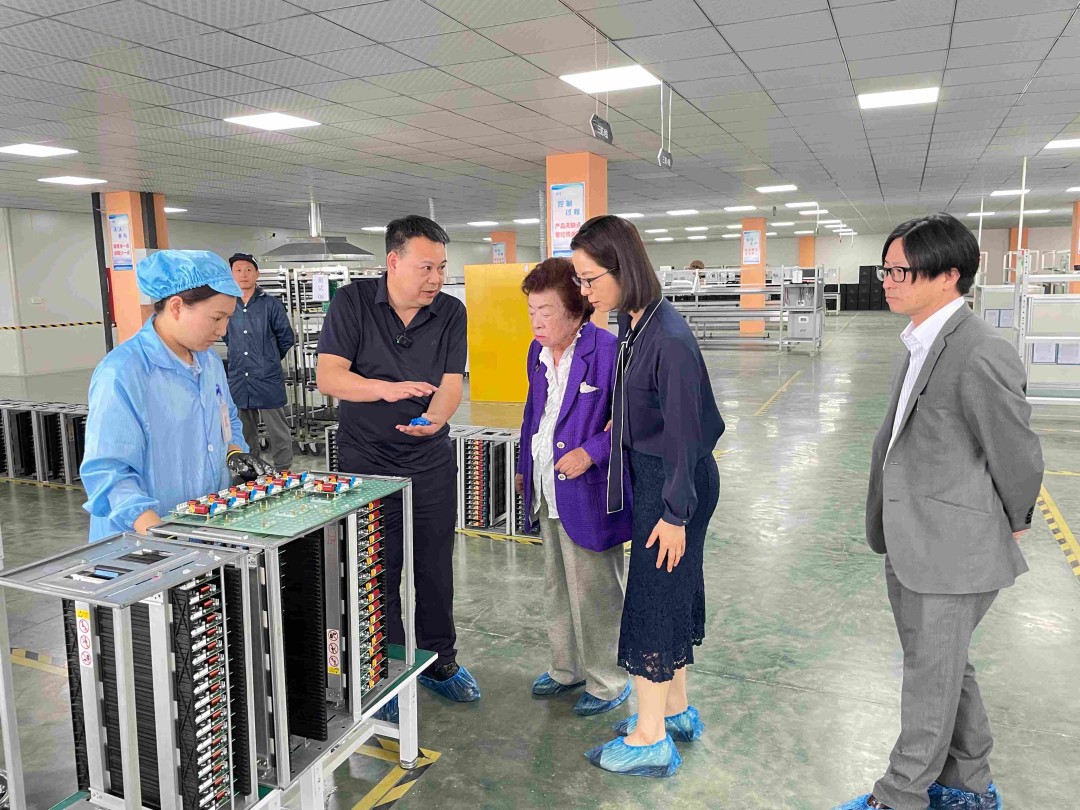
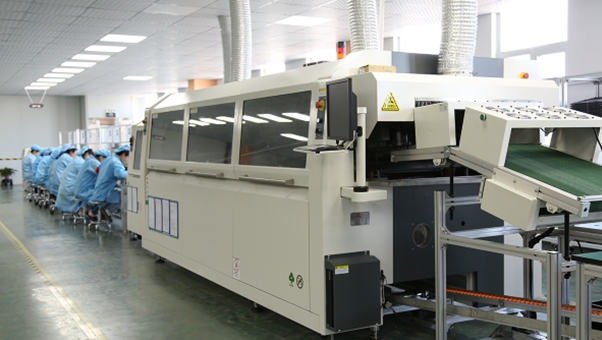
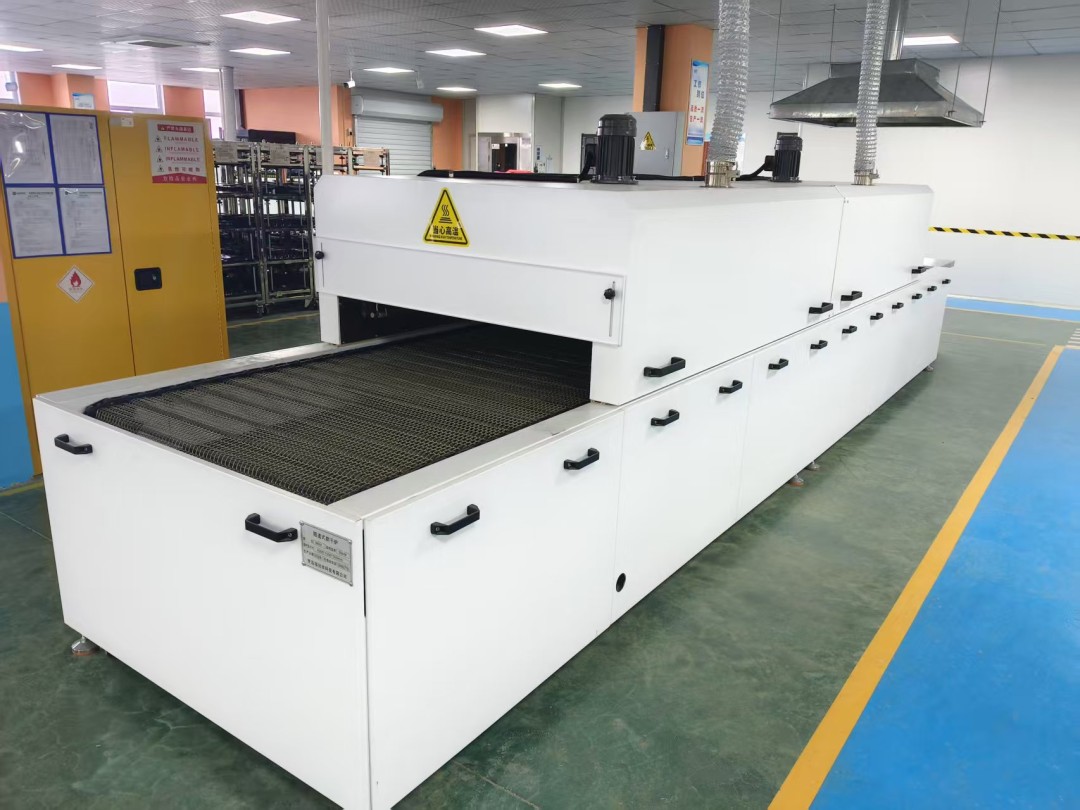
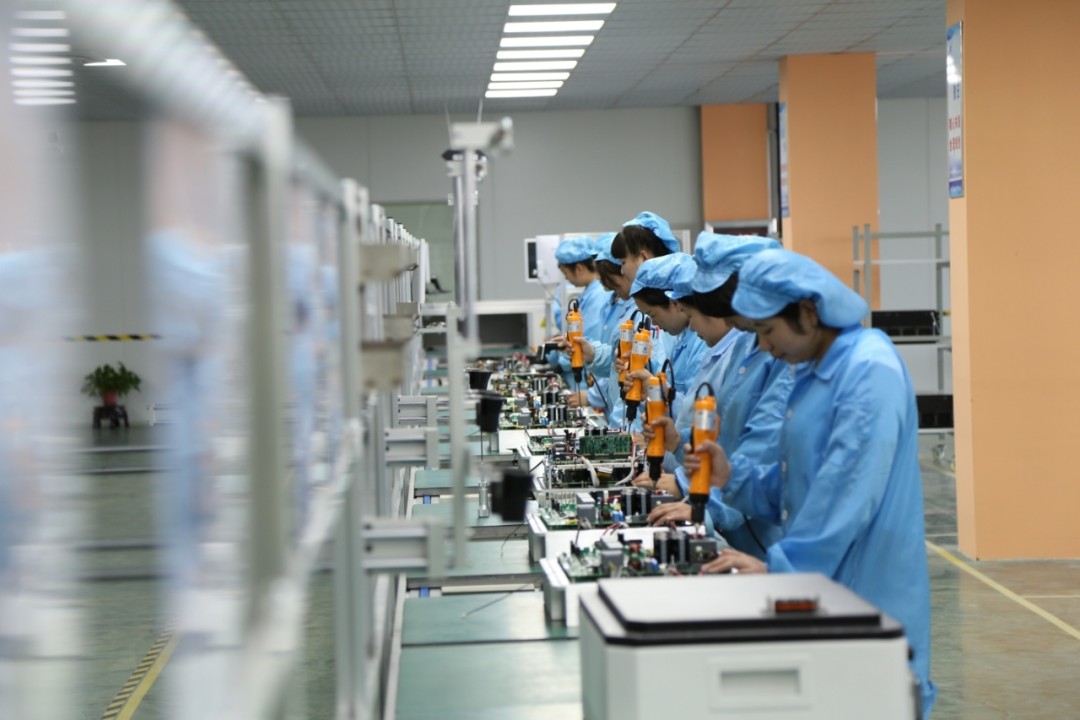
Manufacturing capability is an important part of supplier evaluation for energy storage and power conversion equipment. Buyers may review production facilities, process controls, inspection arrangements, staff experience, output capacity, and the supplier’s ability to maintain consistency across multiple orders.
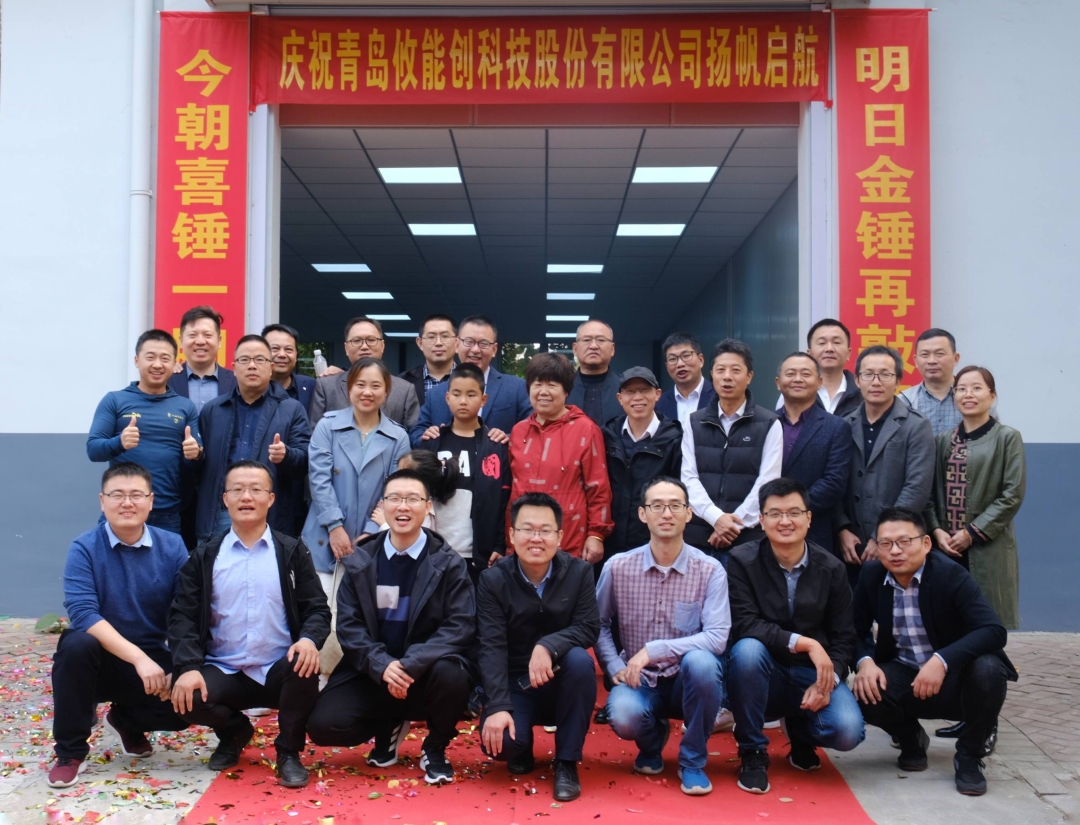
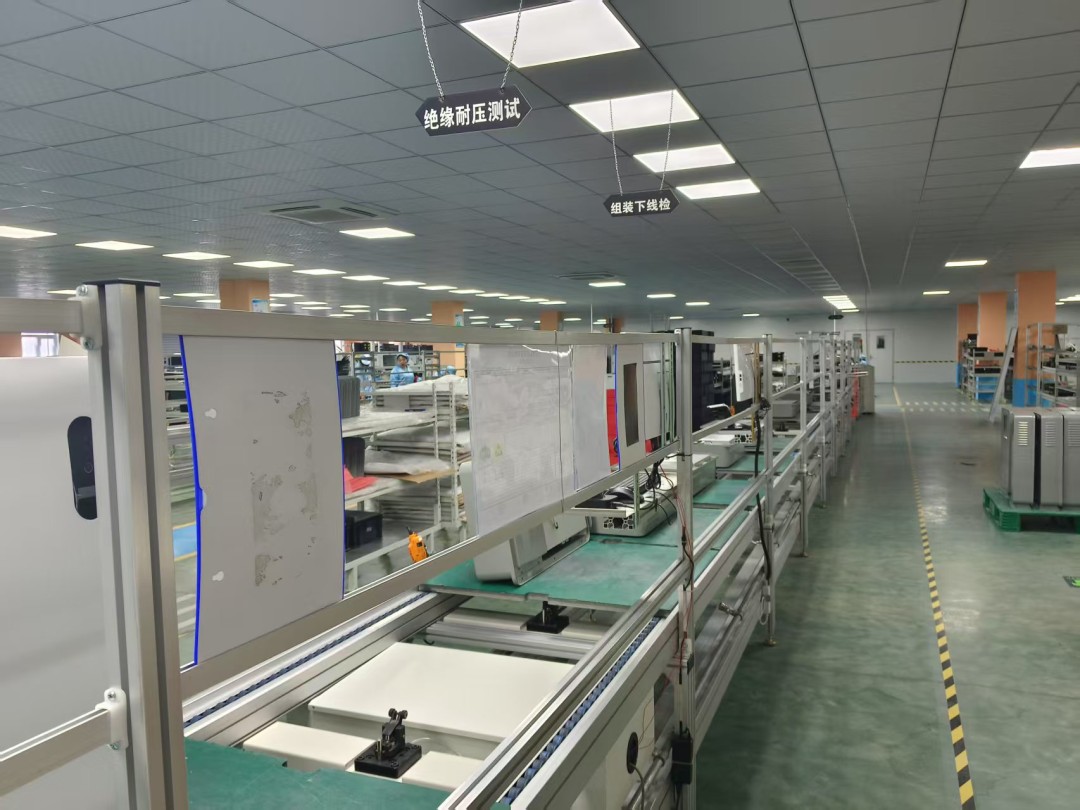
According to its corporate profile, UNC was established in 2021 and developed an intelligent manufacturing facility covering more than 10,000 square meters. The company states that its factory began operating in November 2022, with annual production capacity of up to 400,000 units. It also reports that its second-phase workshop began operating in October 2023, focusing primarily on commercial and industrial energy storage and long-duration energy storage systems.
The company describes its workforce as including experienced professionals in power electronics, research and development, manufacturing, quality control, and marketing. Its stated approach includes monitoring processes from raw material procurement through production control and final product inspection.
UNC reports obtaining ISO 9001 quality management and ISO 14001 environmental management certifications. It also identifies product certifications and compliance credentials including CQC, TÜV, RoHS, and CE. The exact scope and validity of any certification should be checked against the relevant certificate, product model, and destination market before procurement decisions are made.
For purchasers seeking a 16kWh energy storage battery pack factory, an all-in-one BESS supplier, a C&I ESS manufacturer, or a PCS technology provider, these manufacturing and management details can inform initial supplier screening. They should be considered alongside product-specific evidence, reference projects where available, contractual commitments, and the requirements of the intended installation.
Technical Support and After-Sales Service
Technical support is a practical consideration for overseas buyers, particularly when equipment must be integrated with existing solar installations, electrical infrastructure, batteries, or energy management systems. Clear documentation and timely access to qualified support can help installers address commissioning questions and diagnose operational problems.
UNC states that its support process emphasizes rapid response, professional handling, and follow-up. The services described in its corporate profile include installation and commissioning guidance, technical training, equipment optimization, troubleshooting, after-sales consultation, repair services, and spare-parts supply.
The company also states that it aims to respond to after-sales service requests within 24 hours and arrange on-site engineering support when needed. Actual response and service arrangements should be confirmed for the relevant customer, destination, product, and contractual agreement.
For international distributors and project developers, it is useful to clarify support responsibilities before purchase. Topics may include remote diagnostics, access to technical documentation, escalation procedures, warranty claims, spare-parts availability, training requirements, and the division of responsibilities between the equipment supplier and local installation partner.
These considerations apply across the product categories covered by UNC, including hybrid inverters, energy storage inverters, integrated cabinets, PCS equipment, and other power electronics products.
Procurement Considerations for International Buyers
International purchasing teams often use several stages to evaluate an energy storage equipment supplier. Initial screening may focus on the supplier’s product range, manufacturing background, target applications, and ability to communicate technical requirements. A more detailed assessment then examines datasheets, system configurations, testing records, certification scope, warranty provisions, and delivery arrangements.
For buyers sourcing products from China, commercial considerations can include order quantities, production lead times, export packaging, shipping terms, payment conditions, documentation, and local import requirements. For integrated systems, the evaluation may also require a clear description of the scope of supply and the responsibilities of each party for installation, commissioning, and ongoing service.
Search terms such as “China energy storage cabinet manufacturer,” “bulk battery energy storage system supplier,” “custom power conversion system,” and “residential energy storage battery factory” represent different stages and types of procurement interest. A manufacturer’s suitability depends on whether it can provide the specific equipment, technical evidence, and commercial arrangements required for the project.
UNC’s stated product range and manufacturing background provide a starting point for these discussions. Prospective buyers should identify their application, electrical requirements, target market, required quantities, and delivery expectations when requesting product information.
The company’s development history, production facilities, and technical support descriptions can help purchasing teams understand its stated business capabilities. Final equipment selection should nevertheless be based on verified model specifications, confirmed product availability, applicable standards, and mutually agreed commercial and technical terms.
About The Company
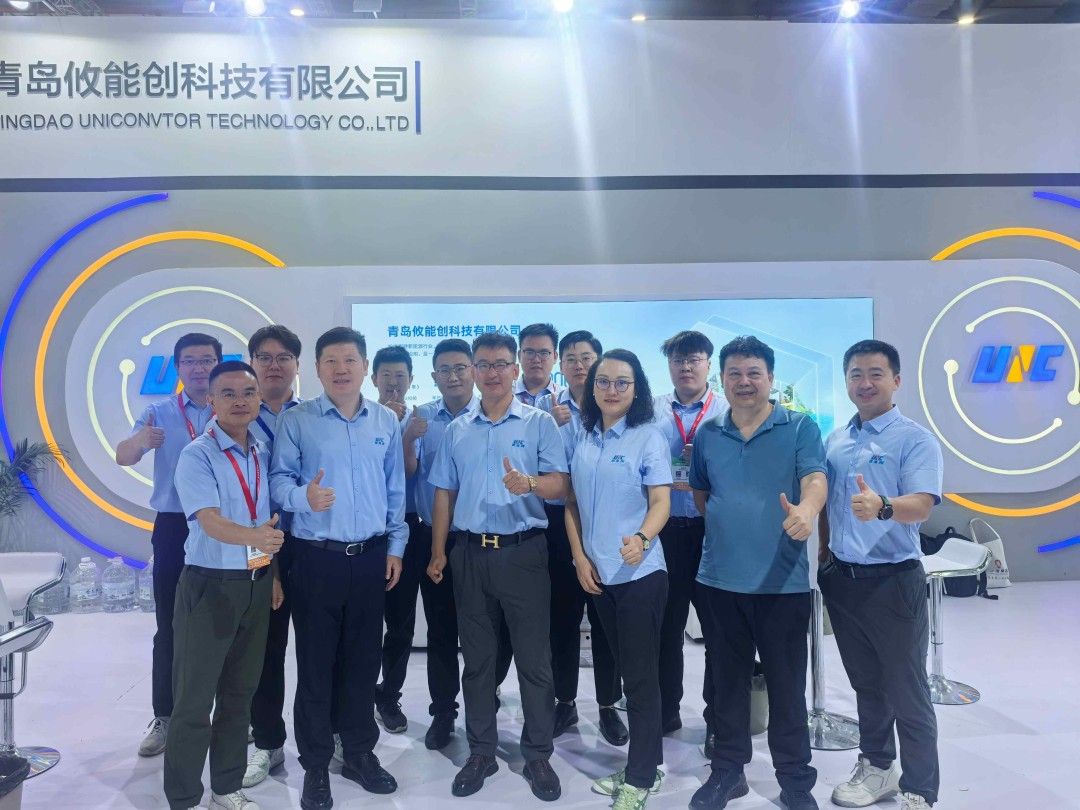
Qingdao Uniconvtor Technology Company Limited (UNC) was established in 2021 and operates in the power electronics and renewable energy industries. The company focuses on the research, development, manufacturing, sales, and service of power conversion equipment and energy storage-related products. Its portfolio includes hybrid inverters, energy storage inverters, integrated energy storage cabinets, solid-state transformers, and long-duration energy storage power conversion systems. UNC states that its mission is to pursue continuous innovation while providing clean energy solutions and services for domestic and international markets.
Media Contact
Company Name: Qingdao Uni-Convtor Technology Co., Ltd.
Contact Person: Manager Leng
Email: Send Email
Phone: 8613764878967
Address:No.115 Jifu Road, Chengyang District, Qingdao, Shandong,China Room 1106, Gaosheng Building, No. 18 Shajing Central Road, Xinqiao Subdistrict, Bao’an District, Shenzhen, Guangdong, China.
City: Qingdao
State: Shandong
Country: China
Website: https://www.unc-energy.com