
Liuzhou, Guangxi, China-November 28, 2026
Top Private Utility Vehicle Types Gain Attention Across Diverse Applications in 2026
Alright, let’s talk about private utility vehicles in 2026. The term covers a wide range of vehicles, including farm-ready utility task vehicles, side-by-sides for work and recreation, and compact low-speed vehicles for short trips. Some buyers also include golf carts when comparing options. The labels overlap, and manufacturers are not always consistent with their naming. As a result, quick comparisons may not always provide a clear picture of what each vehicle is designed to do.
Toyota’s chairman, Akio Toyoda, has often discussed the company’s goal of making “ever-better cars,” reflecting a broad design philosophy rather than a ranking of utility vehicles. This idea can still serve as a useful reference when evaluating how well a vehicle fits its intended purpose. A side-by-side is suitable for muddy trails and hauling equipment, while a golf cart works better on smooth paths and for short trips. A compact sport utility vehicle with enclosed seating and a comfortable ride on paved roads is practical for daily driving, but it is not a replacement for an off-road work vehicle on rugged terrain.
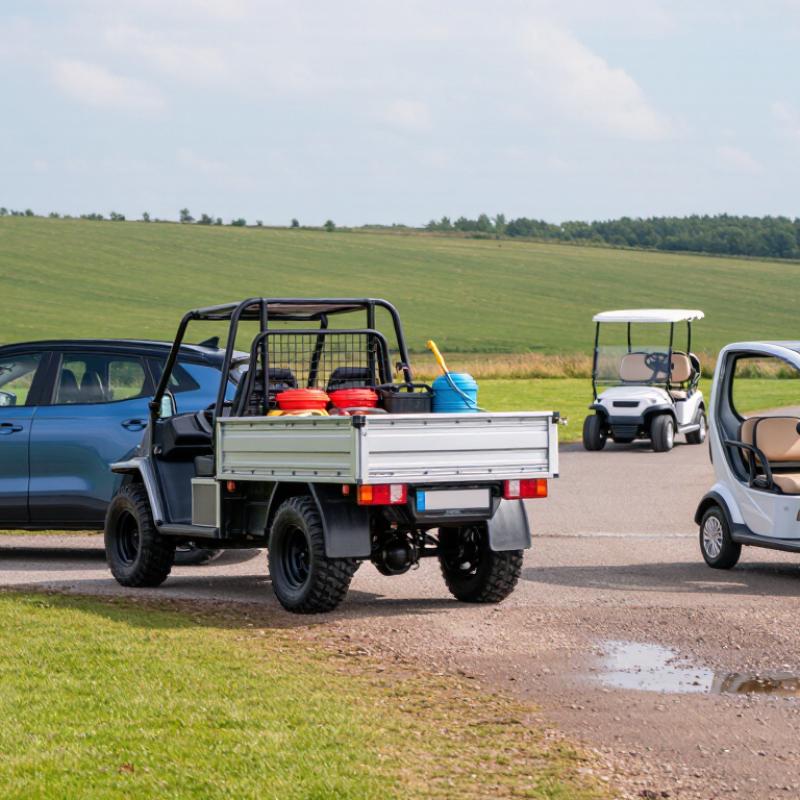
Choosing the right vehicle in 2026 involves more than comparing specifications. Passenger space, cargo capacity, terrain capability, driving range, and maintenance requirements all affect practical performance. Details such as a narrow driveway gate, damp grass, or a fully loaded cargo area can influence the final decision. Because vehicle categories often overlap, buyers should focus on actual use rather than relying entirely on showroom labels.
Defining Private Utility Vehicles in 2026
In 2026, “private utility vehicle” is best understood as a use-based umbrella term rather than one universally fixed vehicle class. It covers privately operated machines designed to carry people, tools, or small loads across farms, estates, campuses, and large properties. Typical types include side-by-side utility vehicles, compact golf-style carts, and low-speed electric utility vehicles. The boundaries are not always clear, as a cart may serve as a passenger runabout one day and a work carrier the next.
In the United States, NHTSA’s Federal Motor Vehicle Safety Standard No. 500 defines low-speed vehicles as four-wheeled vehicles capable of speeds above 20 mph and up to 25 mph, with gross vehicle weight below 3,000 pounds. This benchmark helps distinguish road-oriented low-speed models from many off-road side-by-sides. Intended use and local requirements still matter. Buyers should assess seating, payload, terrain, weather protection, braking, and charging or refueling needs rather than focusing only on advertised speed.
Market data also shows the category’s growing visibility. Grand View Research’s UTV market report estimated global market value at about US$8.9 billion in 2023, with roughly 6.8% annual growth projected through 2030. This is a market estimate, not a count of private owners, and its segment boundaries may differ from this broad definition. In practice, the right vehicle matches a specific route and load, while choosing an oversized vehicle for short, paved trips can be easy to regret.
How Private Utility Vehicles Are Classified
Private utility vehicles are easier to compare when grouped by purpose, layout, and operating environment. “Private” describes the user or setting, not one mechanical class. A vehicle used on a large property may be a compact utility vehicle, a side-by-side, or a small transport cart. Because the labels overlap, buyers should check the intended task before comparing names.
Work-focused models typically carry tools, feed, or materials in a rear cargo bed. Side-by-sides are often identified by seated passengers, steering-wheel control, and options for four-wheel drive. Compact transport carts are suited to short trips on firm paths, with modest payloads. For heavier land work, a utility tractor belongs in a related but distinct category. It uses implements such as a mower or loader, rather than passenger seating, as its main utility.
Classification also depends on capacity and terrain. Compare rated payload, towing limits, ground clearance, turning radius, and braking. Consider whether the surface is gravel, grass, or muddy soil. A larger frame is not automatically more capable, as tire choice and weight distribution also matter. Check the manual and local operating requirements, since specifications and permitted uses vary. These categories can feel imperfect because one vehicle may serve several kinds of work.
Top Private Utility Vehicle Types in 2026
Utility Terrain Vehicle (UTV / Side-by-Side): A UTV typically features side-by-side seating, a steering wheel, seat belts, and often a rear cargo bed. Common configurations include two or more seats. These vehicles are used for hauling tools or materials, property maintenance, and transporting people around large private sites. Their usual operating environments include trails, farms, ranches, estates, and other off-road or limited-access areas. A side-by-side is generally classified as an off-highway vehicle, and road access and equipment requirements depend on local laws.
Utility All-Terrain Vehicle (ATV): An ATV usually features straddle seating and handlebar steering, with four wheels and optional racks or a small trailer connection. It is commonly used for checking land, light hauling, and accessing narrow or rough routes. ATVs are generally designed for off-road paths and private land, although suitability depends on ground conditions and vehicle design. They are classified as off-highway vehicles and are distinguished from side-by-side UTVs by their typical straddle-style riding position.
Golf Cart: A golf cart is a compact, low-speed vehicle with bench seating. It may be electric or gasoline-powered and can feature a small cargo area. Golf carts are commonly used for short-distance passenger transport and light errands on private property. Their operating environments include golf courses, campuses, resorts, and private communities where permitted. They are generally designed for low-speed operation and are not automatically road-legal vehicles.
Utility or Industrial Cart: Utility carts are small work vehicles, often featuring a flatbed or enclosed cargo area. Available configurations include electric and gasoline models. They are used for moving supplies, maintenance equipment, and materials across worksites or large properties. Common operating environments include warehouses, campuses, farms, gardens, and other private or controlled-access sites. Their classification is usually based on work-oriented design and site use, while public-road eligibility varies.
Neighborhood Electric Vehicle (NEV) / Low-Speed Vehicle (LSV): NEVs and LSVs are compact, road-oriented vehicles, typically electric, with seating and safety equipment required by the applicable jurisdiction. They are designed for short local trips on roads where this vehicle class is permitted. Their operating environments include designated low-speed streets and routes, with restrictions varying by location. In the United States, federal LSV standards generally cover four-wheeled vehicles with a top speed over 20 mph and no more than 25 mph, and a gross vehicle weight rating under 3,000 lb.
Compact Utility Tractor: Compact utility tractors are small tractors with low-speed gearing. Many models support implements such as mowers, loaders, or three-point hitch attachments. They are used for grounds care, landscaping, snow removal, and property maintenance across private land, gardens, small farms, and maintained grounds. They are classified primarily as agricultural or grounds-maintenance equipment rather than passenger utility vehicles.
Classification and road-use rules vary by country, state, and local authority. Vehicle design, equipment, and intended operating area may also affect how a model is categorized.
Sport Utility Vehicles for Versatile Everyday Use
In 2026, sport utility vehicles remain a flexible choice for drivers who need one vehicle for varied daily tasks. A raised seating position can make it easier to see across traffic, while a wide rear opening helps with groceries, luggage, or a folded stroller. Many models offer split-folding seats, so bulky items can fit without giving up every passenger seat. Small details matter.
For commuting, check how easily the vehicle fits into a parking space and whether the rear window provides a clear view. A large cabin is useful, but it may feel less manageable on narrow streets. All-wheel drive can help on slippery roads, though it is not essential for every driver. Actual fuel use, tire costs, and service access deserve attention too. A specification sheet can make every SUV look capable; daily use is less tidy.
A family that carries sports gear may value washable cargo surfaces and low loading height more than maximum engine power. Drivers who regularly haul tools or equipment might instead compare an SUV with an electric utility truck, considering payload and cargo layout. The right choice depends on routine, not just occasional adventures. Test the rear seats with real passengers, and try loading the items you carry most often. That can change the decision.
Pickup Trucks for Hauling and Towing
Pickup trucks suit hauling and towing because their frames, rear suspensions, and available trailer equipment support heavy, awkward loads. However, a high advertised towing rating is only part of the picture. Check the exact vehicle configuration, payload limit, hitch rating, and trailer tongue weight. Passengers, tools, and cargo all use payload capacity. Small details matter.
The National Highway Traffic Safety Administration’s trailer-safety guidance advises drivers to follow vehicle and hitch limits and distribute trailer weight correctly. That matters when a loaded trailer pushes down on the hitch and reduces capacity for people and gear in the cab. A pickup may feel stable on a short, empty road, then behave differently on a steep grade or in crosswinds. Suitability should not be judged from one number alone.
Fuel use also changes. In a 2017 test, the American Automobile Association reported an average 24% drop in fuel economy while tested vehicles towed a 2,500-pound trailer. That result is not a universal forecast for pickups, as trailer shape, speed, terrain, and load can shift it. Still, it is a useful reminder to budget for more fuel and leave extra braking distance. A careful weigh-in is worth the inconvenience.
Passenger and Cargo Vans for Flexible Transport
Passenger and cargo vans are practical private utility vehicles when one vehicle must handle changing routines. A passenger van can carry family members, sports equipment, or several coworkers without splitting the group across cars. Look for adjustable seating, accessible entry, and clear sightlines around the vehicle. These details matter during school pickups and crowded parking-lot stops. Comfort matters, too. A long ride feels different when passengers have room for their knees and bags.
Cargo vans suit home projects, outdoor gear, and small business errands. A low loading step can make heavy boxes easier to move, while tie-down points help keep equipment from sliding during turns. Check the interior measurements against the items you carry, not just the published cargo volume. A bicycle, folded table, or stack of storage bins may need a different layout. Small details count.
Some vans offer removable seats or flexible partitions, but added flexibility can bring trade-offs in noise, weight, and storage space. Before choosing, test the doors, seat adjustments, and rear access with your usual loads. A vehicle that looks roomy in a showroom may feel less useful once real bags and people are inside. There is no perfect layout; the right one depends on who travels and what gets carried.
Crossovers and Compact Utility Vehicles for City Driving
For city driving in 2026, crossovers and compact utility vehicles suit many private drivers because they balance cabin space with manageable dimensions. A crossover’s raised seating position can make it easier to judge traffic and see over parked cars. Still, visibility varies by design, so a test drive matters. Check the view through the rear window, the width of the pillars, and how easily the vehicle fits into a tight parking space. Small details count.
Compact utility vehicles can be practical for narrow streets and crowded garages. Their shorter bodies often make parking less stressful, while foldable rear seats can carry groceries, a stroller, or a few boxes. Compare turning radius, door-opening room, and fuel or charging needs against your regular routes. A larger vehicle may feel reassuring, but extra size can become a daily burden. Real bags and passengers reveal more than cargo figures alone.
The phrase China Utility Tractor describes a different kind of utility vehicle, not a city crossover, so shoppers should distinguish work equipment from passenger transport. For urban use, consider ride comfort over broken pavement, clear controls, and driver-assistance features you can understand and use consistently. Take the same route you drive each week, including a tight turn or parking ramp. Recheck your assumptions before deciding.
Off-Road Utility Vehicles for Private Recreation and Work
Off-road utility vehicles serve private landowners who need one machine for recreation, hauling, and seasonal chores. Side-by-side UTVs are popular for carrying two or more people, tools, and supplies across rough trails. Their cargo beds help move firewood or fencing materials, but payload limits matter. Check the operator’s manual before loading, as a full bed can affect braking and stability.
Compact utility tractors suit slower, heavier work, such as grading a driveway or moving soil with compatible attachments. Small four-wheel-drive utility vehicles can be more agile on narrow paths, though they usually carry less. Mud changes everything. Tire choice, ground clearance, and turning space can matter more than engine size on uneven private property.
For buyers comparing equipment, a utility tractor factory may provide technical specifications, but verify them against the exact model and attachment combination.
Match the vehicle to the terrain and the tasks you actually perform. Measure gates, sheds, and trail widths before choosing a larger machine. Look for accessible maintenance points, clear load ratings, and practical safety features, including rollover protection where fitted.
Protective equipment and training still matter. A machine that feels stable on a dry test drive may behave differently on a wet slope. Leaving some capacity unused is sensible because it is easy to underestimate how quickly tools and passengers add weight.
L2EV Light Truck: Long-Range Electric Performance, CATL Battery Reliability, and Supplier Solutions
The L2EV Light Truck pairs an 86.55 kWh lithium iron phosphate battery with a stated driving range of up to 360 km per charge, making it suited to regional delivery routes and other predictable daily operations. Actual range will vary with load, road conditions, temperature, and driving style, so route planning remains essential. The battery warranty is 5 years or 200,000 km, whichever comes first, providing fleet operators with a defined coverage period to consider when evaluating ownership costs.
The International Energy Agency’s Global EV Outlook 2024 reports that electric truck sales worldwide grew by nearly 35% in 2023, although they still represented about 1.2% of total truck sales. As electrification expands, vehicle reliability and supplier support are increasingly important alongside headline range. A well-supported truck should be assessed for battery protection, parts availability, service access, and clear warranty terms. With its stated battery capacity and long-range capability, the L2EV offers fleet buyers a specification to compare against route requirements, charging access, and expected annual mileage.
Conclusion
In 2026, a private utility vehicle is a privately owned vehicle designed to combine practical transportation with capabilities such as carrying passengers, hauling cargo, towing, or handling varied terrain. These vehicles can be classified by their size, layout, intended use, and balance of comfort and utility, helping drivers choose a type suited to everyday needs or specific activities.
Sport utility vehicles offer flexible space for daily travel, while pickup trucks are useful for transporting bulky loads and towing. Passenger and cargo vans provide adaptable room for people, equipment, or goods. Crossovers and compact utility vehicles are designed for convenient city driving, often with a smaller footprint. For recreation and practical tasks away from paved roads, off-road utility vehicles offer a more terrain-focused option. Each type serves a different purpose, so the best fit depends on how much space, capability, and maneuverability a driver needs.
About us
Dongfeng Liuzhou Motor Co., Ltd. as one of the national large scale enterprises, is an auto limited company built by Liuzhou Industrial Holdings Corporation and Dongfeng Auto Corporation.
Media Contact
Company Name: Dongfeng Liuzhou Motor Co., Ltd
Contact Person: Media Relations
Email: Send Email
Country: China
Website: https://www.forthingmotor.com/