
Dongguan City, Guangdong Province, China – August 30, 2026 – Looking ahead to 2026, it’s clear that the demand for efficient and versatile metal for Stamping is about to skyrocket. A recent report from Grand View Research predicts that the global die casting market will hit around $85.42 billion by then — pretty impressive! This really underscores just how important stamping techniques have become across a bunch of different industries. The auto industry, in particular, is pushing this trend forward, especially with a focus on lightweight materials that boost fuel efficiency and safety. Pretty cool, right?Now, companies that do metal stamping—those metal sheet manufacturers—are facing a real challenge. They have to keep up with changing demands, which means adopting more sustainable practices and materials. From what I’ve seen, those jumping on the aluminum and high-strength steel bandwagon are likely to get ahead of the game. But, not everyone’s on the same page—some manufacturers still overlook sustainability, which might cause problems down the line if they fall behind on environmental standards.In this fast-moving world, picking the right metal for stamping is more important than ever. Buyers need to really understand the properties and performance of different metals to make sure everything runs smoothly. It’s not just straightforward, though — there are still some lingering questions about whether the supply chains will stay stable long-term. As the market keeps changing, staying tuned in and informed is going to be crucial for anyone looking to succeed in metal stamping in the future.
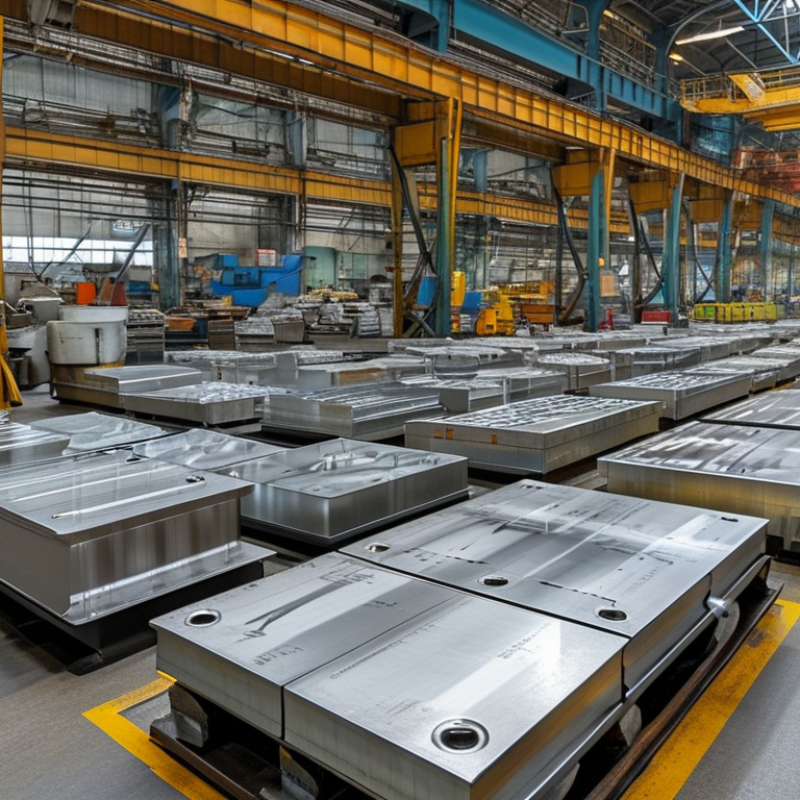
Top Metal Materials for Stamping in 2026
As we look towards 2026, understanding the top Metal Materials for stamping becomes crucial for manufacturers. Many are opting for aluminum due to its lightweight and corrosion resistance. This makes aluminum ideal for various industries, especially automotive and aerospace. Another popular choice is stainless steel. Its strength and durability appeal to businesses needing reliableMetal Stamping Parts.Copper also deserves attention. Its excellent electrical conductivity makes it a go-to for electronic applications. Yet, it might not always be the best choice due to its higher cost. Each metal comes with unique challenges. The real question remains, how will prices fluctuate, and will supply be stable? Carefully evaluating these factors will be essential as buyers prepare for the future of Metal Stamping Parts.Additionally, taking sustainability into account is growing in importance. Recycled metals are emerging as a viable option. They can provide the desired mechanical properties while reducing environmental impacts. There’s still much to figure out in the realms of processing and quality control. This evolving landscape will challenge buyers to think critically about their material choices in 2026.
Top Metal Materials for Stamping in 2026
| Metal Type | Tensile Strength (MPa) | Ductility (%) | Best Applications | Cost per kg (USD) |
|---|---|---|---|---|
| Stainless Steel | 520 | 40 | Automotive, Construction | 3.00 |
| Aluminum Alloy | 400 | 20 | Aerospace, Consumer Electronics | 2.50 |
| High Strength Steel | 800 | 15 | Heavy Machinery, Structural | 1.80 |
| Brass | 350 | 25 | Electronics, Plumbing | 6.00 |
| Titanium | 900 | 10 | Medical, Aerospace | 30.00 |
Key Properties to Consider in Metal Stamping
Choosing the right metal for stamping is crucial for product quality and cost efficiency. Key properties to consider include ductility, strength, and corrosion resistance. Ductility enables metals to be formed into various shapes without breaking. Steel, aluminum, and titanium are commonly used due to their outstanding mechanical properties. Special alloys can enhance these traits further.A recent industry report states that aluminum is projected to see a 5% growth in usage for stamping applications by 2026. This increase is due to its lightweight nature and excellent corrosion resistance. However, while aluminum is cost-effective, it may not be ideal for all applications. Some conditions may require more durable metals that can withstand higher temperatures or greater forces.For those involved in Custom Metal Stamping Parts, it’s vital to analyze the intended application of the stamped parts. Are they exposed to harsh environments? Understanding environmental factors will guide material selection. Reflecting on these aspects can lead to more informed decisions. Another consideration is the surface finish, which can affect both aesthetic appeal and functional performance. Always assess the long-term performance of your chosen material to ensure a sound investment.
Emerging Trends in Metal Stamping Technologies
The metal stamping industry is evolving rapidly. By 2026, buyers will need to consider emerging technologies that enhance efficiency and precision. A recent report by IBISWorld highlighted a significant trend: the adoption of automated stamping systems is expected to grow by over 30% in the next few years. Automation reduces production time and increases output quality, which is crucial for meeting rising demand.Sustainability is another key trend. Manufacturers are increasingly turning to recyclable metals like aluminum and advanced alloys. According to a study by MarketsandMarkets, the green metal market is projected to reach $130 billion by 2026. The shift toward eco-friendly materials is not just a trend; it’s becoming a necessity. However, navigating supply chain complexities remains a challenge. While many companies want to adopt these practices, they often struggle with sourcing and cost.Prototyping in metal stamping is also advancing. New technologies, such as 3D printing, are making it easier to test designs before mass production. This shift can lead to significant savings, but only if companies are willing to adapt and invest. Adopting new technologies is not without its risks. Organizations must balance innovation against operational stability. The path to modernization involves both challenges and opportunities for those involved in metal stamping.
Sustainability Considerations for Metal Stamping Buyers
In 2026, metal stamping buyers must prioritize sustainability. The demand for eco-friendly materials is rising. Recent reports indicate that recycled metals can reduce energy consumption by up to 95% compared to virgin metals. This is crucial for companies aiming to lower their carbon footprints while maintaining product quality.Selecting the right metal is key. Aluminum and steel are popular for their durability and recyclability. A study found that aluminum can be recycled infinitely without quality loss. Steel, with its extensive recycling infrastructure, offers an effective sustainability pathway. However, sourcing these materials responsibly poses challenges. Buyers should consider suppliers that prioritize sustainable practices.Reflections on industry practices are essential. Many companies still rely on unsustainable sources. Evaluating your suppliers’ environmental policies can make a significant difference. Ensure they are transparent about their sourcing and production methods.Explore alternative materials as well. Emerging options like bioplastics might complement metal stamping applications. Balancing innovation with sustainability can lead to better choices for the planet and business.
Cost Analysis of Various Metals for Stamping Applications
In 2026, the cost analysis of metals for stamping applications will be crucial for manufacturers. Various metals like steel, aluminum, and copper will have different pricing and performance characteristics. According to a recent industry report, cold-rolled steel averages around $800 per ton, while aluminum can be priced at about $2,450 for the same quantity. This stark price difference influences material selection for many operations.The flexibility of aluminum makes it appealing, despite its higher cost. It offers lightweight properties, enhancing efficiency in automotive and aerospace industries. However, the durability of steel cannot be overlooked. Steel’s toughness results in lower replacement costs over time, making it a reliable choice. For buyers, balancing initial costs with long-term performance is vital.Projections indicate that copper might see fluctuations in price due to global demand. Currently, the cost hovers near $10,000 per ton, which could affect its use in certain applications. Metal stamping factories should stay updated on market trends and consider potential risks associated with metal prices. Understanding these dynamics will empower them to make informed decisions for their projects.
Comparative Study of Steel vs. Aluminum in Stamping
In the world of metal stamping, steel and aluminum are the primary contenders in various applications. According to industry reports, aluminum’s lightweight nature offers significant advantages over steel, particularly in automotive and aerospace sectors. For instance, aluminum weighs about one-third of steel. This weight reduction can lead to increased fuel efficiency and lower emissions. A recent study indicates that switching to aluminum can improve vehicle performance by 10% on average.However, steel possesses unique durability and strength features. Reports highlight that cold-rolled steel has a tensile strength of up to 600 MPa, making it preferable for high-stress applications. Its resistance to deformation is vital in structures requiring robust support, such as construction and heavy machinery. While steel is more robust, it tends to be heavier, which complicates its use in lightweight designs.Both materials have their limitations. Aluminum may not handle high temperatures as effectively as steel. This factor could limit its use in specific scenarios, like exhaust systems. Conversely, the cost of steel continues to be a concern due to fluctuating market prices. As manufacturers look into future trends, understanding these material characteristics becomes crucial for making informed decisions in Metal Stamping Bracket applications.
Future Innovations Shaping the Metal Stamping Industry
The metal stamping industry is on the brink of transformation. In 2026, advancements in technology will redefine production techniques. According to a recent report by Research and Markets, the global metal stamping market is projected to reach $30 billion by 2026. This growth is primarily driven by innovation in materials and processes.
New lightweight materials are becoming essential in metal stamping. Alloys like aluminum and advanced high-strength steel are gaining traction. These materials not only reduce weight but also enhance durability and performance. Recent studies by the American Metals Manufacturing Association indicate that these materials improve efficiency by up to 25%. However, adapting to these new materials poses challenges. Manufacturers need to re-evaluate their stamping techniques and tooling processes.
Digital technologies are also influencing this industry. Smart factories, equipped with IoT devices, allow real-time monitoring and predictive maintenance. A report from Statista notes that companies integrating IoT can reduce downtime by approximately 20%. Still, the initial investment in digital infrastructure can be daunting for smaller players in the market. As companies navigate these innovations, they must remain agile and rethink their strategies to stay competitive.
Conclusion
As we look toward 2026, understanding the top metal materials for stamping will be crucial for buyers in the manufacturing sector. Key properties to consider when selecting metal for stamping include strength, ductility, and corrosion resistance, which significantly impact the quality of the final product. Emerging trends in metal stamping technologies, such as automation and advanced tooling, are reshaping the industry, offering enhanced efficiency and precision.Sustainability is becoming increasingly important for buyers, leading to a focus on eco-friendly metal options and recycling practices in metal stamping. A thorough cost analysis of various metals, including a comparative study of steel versus aluminum, will guide decision-making. Finally, future innovations promise to revolutionize metal stamping, making it essential for buyers to stay informed about the developments that will influence metal for stamping choices.
ABOUT US
ShengYi Intelligent Technology was Established in 2004. The company primarily provides one-stop customized services such as precision metal wire processing, metal stamping and drawing, and CNC machining. It spans a total area of 5,000 square meters and is equipped with over 20 CNC spring forming machines, more than 20 CNC milling and turning machines, 10 medium- and large-sized punch presses, four automatic assembly lines, and various testing devices. The company can design and produce molds and holds several independent invention, utility model, and design patents. After more than twenty years of development, it has gained substantial production experience and successfully achieved the dual international certifications of ISO9001:2015 and ISO14001:2015 for quality and environmental management.
Media Contact
Company Name: ShengYi Intelligent Technology
Contact Person: Media Relations
Email: Send Email
Country: China
Website: https://www.sycntech.com/