
Shanghai, China-October 22, 2026
Choosing the right Hallway Tiles in 2026 means balancing appearance, durability, maintenance, and everyday safety. A hallway faces constant foot traffic, muddy shoes, rolling luggage, and sudden furniture movement. The best surface should handle these pressures without making the entrance feel cold or ordinary.This guide examines the leading tile types for modern hallways. Porcelain remains a strong choice because it resists moisture, scratches, and frequent cleaning. Large-format porcelain can create fewer grout lines, while wood-look planks add warmth without the upkeep of natural timber. Ceramic tiles offer attractive colors and patterns, although their durability may vary between products. Terrazzo-inspired tiles bring visual energy, and natural stone provides unique texture and depth. It can also demand more sealing and careful maintenance.Practical details matter. A matte or lightly textured finish may offer better grip than polished tile near an exterior door. Mid-tone colors can disguise dust better than pure white surfaces. Rectangular tiles may lengthen a narrow corridor, but the wrong layout can emphasize uneven walls. That detail is easy to overlook.Product specifications, installation guidance, and regional safety requirements should shape the final decision. Slip resistance ratings are not identical across markets, so buyers should verify the applicable testing method. No single tile suits every home. Even experienced designers can misjudge lighting, grout color, or hallway proportions. A sample beside the skirting board often reveals more than a showroom display. This overview will compare the most promising 2026 options, including their strengths, limitations, and realistic maintenance demands.
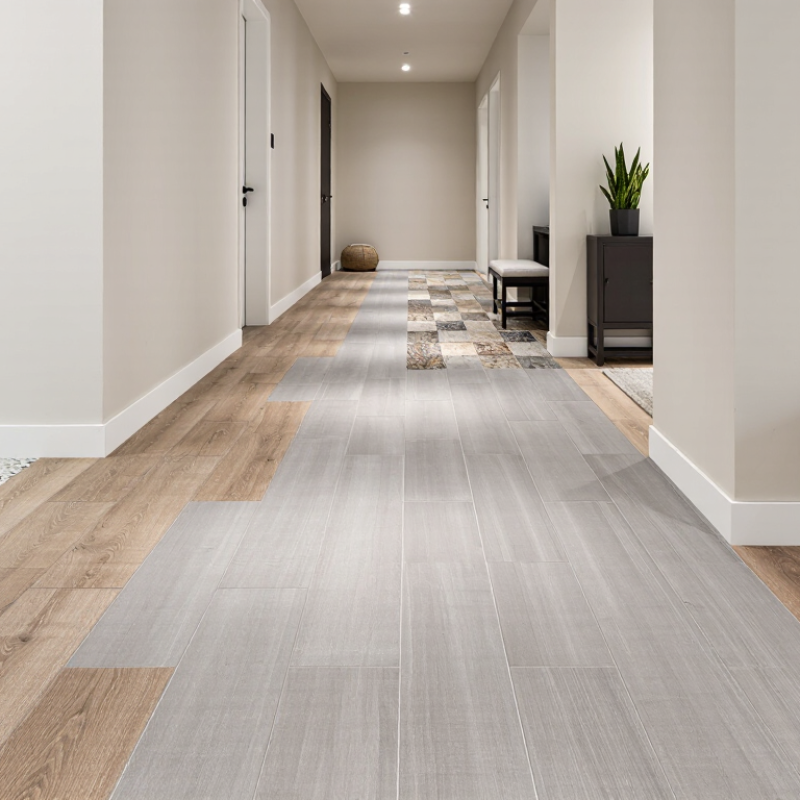
What Defines the Top Hallway Tile Types in 2026?
The top hallway tile types in 2026 are defined by performance, comfort, and visual balance. Porcelain remains a strong choice because it resists moisture, scratches, and daily grit. It also supports realistic stone, wood, and concrete effects without demanding difficult upkeep. However, not every porcelain surface feels welcoming. Highly polished finishes can become slippery when wet and show footprints quickly.
Safety matters more in narrow, busy hallways. Matte or lightly textured Floor Tiles can improve underfoot grip while softening reflected light. Large-format tiles create fewer grout lines, making sweeping easier and helping small entrances appear wider. Terrazzo-inspired surfaces are also practical because their scattered patterns can disguise minor dust between cleanings. Still, large tiles require a level subfloor. Poor installation may leave visible lippage along the walking path.
Durability should be judged against real household habits, not showroom lighting. A family with muddy shoes may need dense porcelain and stain-resistant grout. A quieter apartment may benefit from warmer colors and a less industrial texture. Check slip-resistance information, water absorption, edge quality, and cleaning instructions before choosing. Samples should be viewed beside the entry door, where daylight changes throughout the day. No tile is perfect. I once favored a dramatic dark finish, then noticed every pale crumb on it. That small detail changed the decision. The best hallway type is the one that remains safe, manageable, and attractive after months of ordinary use.
Porcelain Tiles: Durability, Design, and Everyday Performance
Porcelain tiles remain a leading hallway choice for 2026 because they combine durability, design flexibility, and reliable daily performance. Their very low water absorption helps resist muddy shoes, spilled drinks, and damp cleaning. In busy homes, a matte or lightly textured surface can provide steadier footing than polished tile. It also hides small marks better. I have found that mid-tone stone effects are practical near entry doors, where dust and grit appear quickly.Large porcelain formats can make a narrow hallway feel calmer, with fewer grout lines interrupting the floor. Wood-look planks add warmth without the maintenance of natural timber. However, appearance should not control every decision. Highly polished surfaces may show footprints, and rectified edges can expose an uneven subfloor. Proper preparation matters more than many homeowners expect. A qualified installer should check flatness, expansion gaps, and grout width before laying the tiles.Tips: Request physical samples and view them beside your hallway lighting. Test a sample with wet footwear if possible. For matching indoor floors with Porch Tiles, compare thickness, texture, and color under daylight. Keep spare tiles after installation; repairs years later may involve a slightly different batch. Also, I would reconsider ultra-light grout, despite its clean appearance. It often demands more frequent cleaning near entrances.
Ceramic Tiles: Affordable Styles for Modern HallwaysCeramic Tiles: Affordable Styles for Modern Hallways
Ceramic tiles remain a practical choice among the 2026 top hallway flooring types. They offer many colors, patterns, and surface finishes at accessible prices. Matte gray tiles create a calm, modern passage. Warm beige tiles make narrow hallways feel less severe. Wood-look ceramic can add texture without the maintenance of real timber.
Choose tiles with a durable surface and suitable slip resistance for indoor foot traffic. Hallways collect grit from shoes, so a slightly textured finish can improve everyday safety. However, deeply textured tiles may trap dirt between cleaning sessions. I have found that medium-sized tiles often balance easy maintenance and visual proportion. Very large tiles look elegant, but uneven subfloors can make installation more difficult.
Preparation matters more than many homeowners expect. The floor should be clean, stable, and reasonably level before adhesive is applied. Use narrow grout lines for a streamlined appearance, but do not ignore the manufacturer’s installation guidance. A pale grout can brighten the hallway, although it may show muddy footprints quickly. That choice is not perfect. Test a sample near the entrance first, then observe it under daylight and evening lighting. Ceramic tiles are affordable, but careful selection and installation determine whether the hallway feels refined or merely inexpensive.
Natural Stone Tiles: Texture, Character, and Long-Term Value
For 2026, natural stone tiles remain a strong choice for hallways. They bring texture, character, and a sense of permanence. Limestone creates a soft, calm surface with gentle cream or grey movement. Slate offers deeper color and a naturally split texture. Travertine adds small pores and warm variation, while marble creates a sharper, more refined impression.
Hallways receive constant foot traffic, grit, and occasional moisture. A polished surface can become slippery near an entrance. Honed or brushed finishes often provide better everyday control.
Before installation, place sample tiles near the front door and observe them in morning and evening light. Stone can look remarkably different indoors. Check thickness, shade variation, and edge consistency with the installer. These details affect both appearance and fitting time.
Sealing is essential for porous stone, but it does not make the floor maintenance-free. Sweep grit regularly, use a pH-neutral cleaner, and wipe spills quickly. I once saw pale limestone darken around a poorly protected doorway. The problem was fixable, but expensive. That experience still influences my recommendations.
Spanish Tiles can offer patterned color and easier visual uniformity, yet natural stone usually develops a more individual surface over time. Its marks may become part of the hallway’s character, although not every homeowner enjoys that change. Long-term value depends on suitable stone, careful installation, and realistic maintenance expectations.
Wood-Look Tiles: Warm Appearance with Easy Maintenance
Wood-look tiles are among the strongest hallway tile choices for 2026. They bring the warmth of oak or walnut without the maintenance demands of real timber. Porcelain versions resist moisture, scratches, and everyday grit from outdoor shoes. Their printed grain can also make a narrow hallway feel longer, especially when planks follow the corridor’s direction. I have found that realistic variation matters more than a glossy finish. Repeated patterns can make the floor look artificial.
Choose tiles with subtle knots, balanced color changes, and a textured surface. Matte finishes usually hide dust better than polished ones. Large plank formats create fewer grout lines, but they need a level subfloor. Slight unevenness can make long tiles rock or show visible lippage. That detail is easy to underestimate. A professional installer should check the base, plan the layout, and leave suitable movement joints near walls. Grout color also affects the result. A close match creates a quieter floor, while contrast emphasizes every plank edge.
Tips: Order samples before installation. View them beside your walls and under daytime lighting. Clean grit quickly with a soft broom or vacuum, then use a damp mop and a neutral cleaner. Avoid waxy products, which may leave a slippery film. I once preferred a darker wood tone, but hallway dust made it look untidy within hours. A medium, natural shade proved easier to live with.
Large-Format and Terrazzo Tiles: Contemporary Hallway Solutions
Large-format and terrazzo tiles are shaping hallway design in 2026. They create clean, contemporary surfaces with fewer visible grout lines. This makes narrow hallways feel wider and calmer. Sizes around 600 x 1200 millimetres often suit modern residential layouts. However, measurements must be precise. Uneven walls can make large tiles look awkward.
Terrazzo offers a different kind of character. Its chips create movement without requiring printed patterns or additional decoration. Fine aggregate works well in compact hallways, while larger chips produce a stronger architectural effect. Choose a honed or lightly textured finish for better visual softness. Polished surfaces may reflect light beautifully, but they can reveal footprints and scratches quickly. Practical beauty has limits.
Slip resistance matters near entrances, especially during wet weather. Always check the tile’s tested performance and local installation requirements. A qualified installer should inspect the subfloor before laying large-format pieces. Even a small height variation can cause lippage, where adjoining edges sit unevenly. That detail catches light and becomes irritating underfoot.
Think about cleaning too. Terrazzo-style surfaces with dense, well-sealed finishes are usually easier to maintain. Yet grout still needs attention in busy family corridors. A pale hallway may look refined in photographs, but real shoes bring dust, grit, and occasional stains. I would not choose purely from a showroom sample. View the tile under your actual hallway lighting, beside your doors, skirting, and flooring. Samples can mislead.
How to Choose the Right Hallway Tile for Your Home
What Are the 2026 Top Types of Hallway Tiles?Choosing hallway tile starts with traffic, not trends. Hallways collect grit, shoes, pets, and hurried footsteps. Porcelain remains a strong 2026 choice because it is dense, water-resistant, and available in stone-look finishes. A 2024 Grand View Research report identified porcelain as the largest segment of the ceramic tile market. That supports its practical reputation.Measure your hallway before choosing a pattern. Large-format porcelain can reduce grout lines and make narrow spaces feel calmer. Smaller ceramic tiles offer more visual rhythm, but they require extra grout maintenance. Terrazzo-look tiles hide small marks well. Natural stone feels warm and authentic, yet it needs sealing and careful cleaning. This is where many homeowners underestimate upkeep.Safety matters more than a showroom sample. Ask for the tile’s slip-resistance classification and confirm suitability for interior floors. ANSI A326.3 provides a recognized method for evaluating tile traction in wet conditions. For a hallway near an entry door, choose a textured but easy-to-mop surface. Highly polished tiles can show scratches and become uncomfortable under bright lighting. Outdoor Tiles may inspire durable entryway designs, but outdoor textures can feel harsh indoors. I would test a full-size sample at home. View it beside your walls, daylight, and existing flooring. Tile color often looks different after installation. Sometimes, the “perfect” sample is not the best decision.
Conclusion
In 2026, the best Hallway Tiles combine durability, visual appeal, easy maintenance, and practical value for everyday homes. Porcelain tiles remain a leading choice because they resist moisture, scratches, and heavy foot traffic while offering a wide range of colors and patterns. Ceramic tiles provide a more affordable option, making it easier to create a stylish modern hallway without exceeding a limited budget. Natural stone adds unique texture, depth, and long-term character, although it may require more care and sealing.Wood-look tiles bring warmth and the appearance of timber while offering the strength and simple cleaning associated with tile. Large-format tiles can make narrow hallways appear more open by reducing grout lines, while terrazzo-inspired designs add a distinctive contemporary finish. When choosing hallway tiles, homeowners should consider traffic levels, lighting, maintenance needs, slip resistance, room size, and how well the design connects with the rest of the home.
About us
Shanghai Fengyou Industrial Co., Ltd. is a comprehensive enterprise specializing in sintered stone materials, and is the proud owner of the FuntekStone brand. Integrating research and development, intelligent manufacturing, and global sales, we are committed to delivering high-performance, multifunctional sintered stone solutions for international clients.
Media Contact
Company Name: Shanghai Fengyou Industrial Co., Ltd.
Contact Person: Media Relations
Email: Send Email
Country: China
Website: https://www.funtekstone.com/