
Choosing the right Electronic Insulation Film can really make or break the performance and lifespan of your electronic devices. Honestly, this little decision can have a big impact on the overall quality of what you’re making. Tons of companies, like TechShield Industries, stress just how important it is to pick the right materials for insulation — it’s no joke.Now, with so many options out there, it can get a bit overwhelming, right? It’s super important to think about things like thickness, how well it handles heat, and its dielectric strength. Looking back at past projects can also teach you a lot — lessons learned the hard way sometimes, but hey, that’s part of the process. And just a heads-up: that bargain-bin choice? Might not be worth it in the long run.Taking the time to really understand what Electronic Insulation Film can do for you? Totally worth it. People often end up regretting rushing decisions just because they were under pressure. So, do your homework, make smart choices, and your devices will thank you with better performance. This guide’s here to help you figure out what to look for when choosing the perfect film for your project—so you get it right the first time.
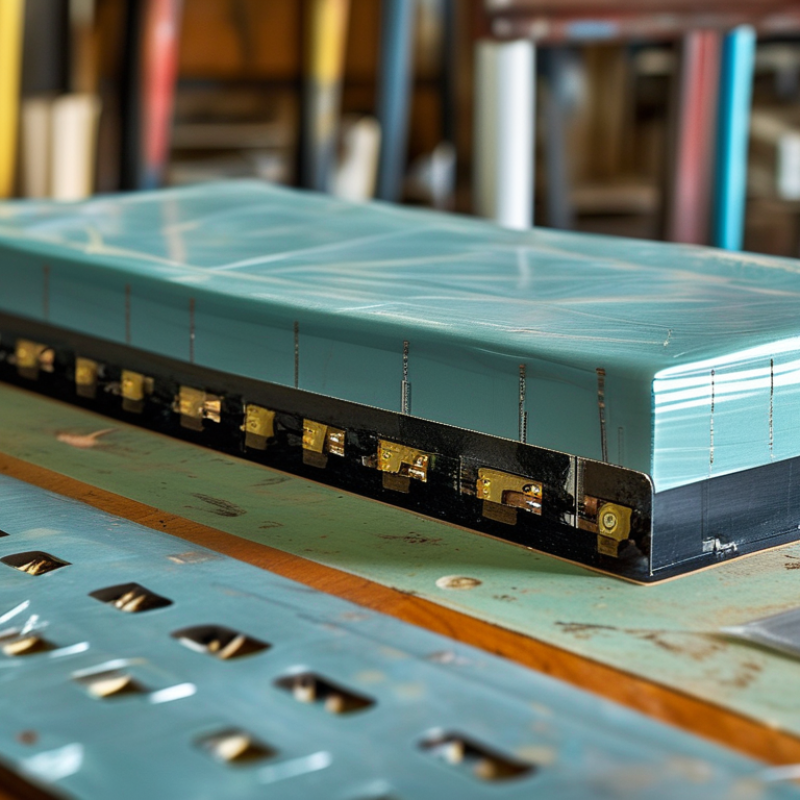
Understanding the Importance of Electronic Insulation Films
Choosing the right electronic insulation film is crucial for ensuring device performance. Electronic insulation films play a vital role in preventing electrical current leakage and improving energy efficiency. Proper insulation keeps components safe from damage caused by heat and moisture. Various materials are used in these films, each offering different properties. It’s important to understand the unique characteristics of each type.When selecting OEM Electronic Insulation Film, consider thermal conductivity and dielectric strength. These attributes determine how well the film will perform in specific environments. Thickness also matters; a thicker film may offer better insulation but could add weight. Think about where the film will be applied. Harsh conditions may require more robust options, while lighter tasks might need something less resilient.Sometimes, overlooked factors can lead to performance issues. For instance, improper application techniques can compromise the film’s integrity. Manufacturers might produce films that don’t fully meet user specifications. It’s essential to evaluate both needs and specifications thoroughly. Keep in mind that the right insulation film can significantly enhance the longevity and reliability of your electronic devices.
Key Properties to Consider in Electronic Insulation Films
When selecting the right electronic insulation film, understanding its key properties is crucial. Consider the dielectric strength, which determines how much voltage the film can withstand. A higher dielectric strength often indicates better insulation performance. This property is essential for safety and efficiency in electrical applications.
Another important factor is thermal stability. Heat can degrade materials over time. Ensuring your insulation film has a high thermal resistance can prevent failures in electronic devices. Look for films that maintain their properties at elevated temperatures. This aspect is often underestimated but can have significant implications for long-term reliability.
Additionally, consider mechanical properties such as tensile strength and flexibility. A film that is too brittle may crack easily, while one that is too flexible might not provide adequate support. Finding a balance is key. The ODM Electronic Insulation Film market offers various options. Be prepared to research and compare. Your choice can impact performance and lifespan.
Evaluating Temperature and Voltage Ratings for Insulation Films
Choosing the right electronic insulation film begins with evaluating temperature ratings. Films designed for high-temperature applications need to withstand extreme heat without degrading. For instance, films used in automotive or aerospace sectors often face intense conditions. Ensuring they can endure these temperatures is crucial. A film with a higher temperature threshold will provide better protection, enhancing performance and longevity.Voltage ratings are equally important. Insulation films must match the voltage requirements of the applications. Insufficient voltage ratings can lead to breakdown, potentially causing failures. Consider the operating voltage and any potential spikes. Films often come with specifications that indicate their maximum voltage capacity. Ignoring these ratings can result in hazardous situations.It’s vital to understand that selecting insulation films is not a one-size-fits-all decision. Factors like environmental conditions and material compatibility can significantly influence performance. While manufacturers often provide guidelines, your unique application should drive the choice. It demands careful thought and, at times, experimentation to find the optimal film. This process can be challenging, but it ensures safety and efficacy in the long run.
Top 5 Tips for Choosing the Right Electronic Insulation Film – Evaluating Temperature and Voltage Ratings for Insulation Films
| Film Type | Max Operating Temperature (°C) | Max Voltage Rating (V) | Thickness (mm) | Recommended Applications |
|---|---|---|---|---|
| Polyimide Film | 260 | 300 | 0.025 | Flexible circuits, aerospace |
| PTFE (Teflon) Film | 260 | 200 | 0.05 | High-frequency applications, insulation |
| Polyester Film | 150 | 130 | 0.03 | Motor insulation, capacitors |
| Vinyl Film | 80 | 90 | 0.2 | General-purpose insulation |
| Silicone Film | 200 | 500 | 0.1 | High-temperature applications |
Material Types and Their Impact on Performance
When selecting the right electronic insulation film, understanding material types is crucial. Different materials have distinct properties that affect performance. Polyimide films offer excellent thermal stability. They withstand high temperatures, making them ideal for aerospace applications. In contrast, polyester films are more flexible and cost-effective, often used in consumer electronics. The choice largely depends on specific application needs.Tip: Assess the thermal and mechanical requirements of your project. Conduct thorough testing to ensure the film meets those needs. According to a recent industry report, 40% of insulation failures occur due to material mismatches. This highlights the importance of informed choices.Additionally, moisture resistance is crucial in many environments. For humidity-prone areas, consider films with low water absorption rates. Some materials are inherently more resistant to environmental factors. However, the trade-off may be tensile strength.Tip: Look for data sheets from reliable suppliers. Ensure specifications align with your project goals. Research indicated that 35% of engineers rely solely on vendor claims. This can lead to costly mistakes down the line. Careful selection of Wholesale Electronic Insulation Film can significantly enhance overall product reliability.
Choosing the Right Thickness for Optimal Insulation
When selecting the right thickness for electronic insulation film, several factors come into play. The thickness needs to match the requirements of your specific application. Thicker films offer higher insulation resistance. However, they can also lead to more weight and bulk. Lightweight solutions may be ideal, but they shouldn’t compromise performance.For most electronic devices, the insulation film’s thickness affects thermal and electrical properties. A film that’s too thin may not provide adequate insulation, leading to potential failure. Conversely, an overly thick film can hinder flexibility and ease of installation. It’s essential to balance these elements for optimal results.Lastly, testing is crucial. Try different thicknesses in real applications. What looks good on paper may not perform well in practice. Anomalies can arise based on environmental conditions. Using Electronic Adhesive Tape can help secure films during these tests. Continuous evaluation allows for refined choices that enhance both performance and reliability in your projects.
Assessing Cost vs. Quality in Your Selection Process
Choosing the right electronic insulation film is crucial for performance and durability. When assessing cost versus quality, it’s essential to consider the specific requirements of your project. Lower-priced films may seem appealing. However, these options often compromise on key properties like thermal stability and dielectric strength.Quality materials typically ensure better longevity, reducing the need for frequent replacements. This could save money in the long run. However, not all high-priced films guarantee value. It’s important to verify claims through reliable testing data and third-party certifications. Assessing user reviews can provide additional insight into real-world performance.When evaluating options, focus on the specifications that matter most to your application. Thickness, composition, and temperature tolerance are essential. Ensure the film aligns with the conditions it will face. Sometimes, the more economical choice may not meet your quality standards. This could lead to higher long-term costs. Balancing cost and quality requires careful consideration and sometimes, a bit of trial and error.
Applications of Electronic Insulation Films in Various Industries
When selecting electronic insulation films, understanding their applications across various industries is crucial. These films are used in electronics, automotive, and aerospace sectors. In electronics, they protect sensitive components from moisture and dust. For the automotive industry, they enhance the safety and functionality of electrical systems. Aerospace applications demand high-performance insulation films that can withstand extreme conditions.Choosing the right insulation film involves key considerations. Evaluate the temperature and environmental conditions the film will face. Look for films that resist chemicals and physical wear. Thickness and flexibility also impact performance, providing essential support where needed. Test the films in real-world conditions whenever possible.Many manufacturers offer extensive guidelines. However, not all of them are reliable or comprehensive. It’s important to cross-reference their information with trusted sources. Seek opinions from professionals in your field to gain insights. Remember, the right choice can significantly improve the longevity and performance of your projects.
Top 5 Applications of Electronic Insulation Films in Various IndustriesEnhancing EV Battery Efficiency: Insights from Recent Reports on Aerogel Insulation Padding Technology
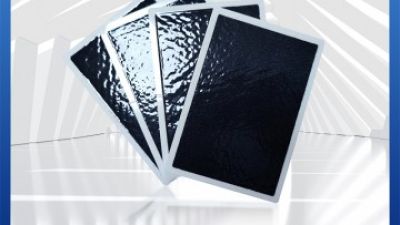
Aerogel Insulation Padding for EV Battery Cells
Recent advancements in aerogel insulation padding technology are poised to revolutionize the electric vehicle (EV) industry by significantly enhancing battery efficiency. According to a report by the International Energy Agency (IEA), battery performance plays a crucial role in determining the overall efficiency and range of EVs, making innovative insulation solutions critical. The incorporation of ultra-thin silica aerogel cores, encased in robust silicone/PET exteriors, offers superior thermal protection, effectively preventing thermal runaway—a common hazard in EV battery cells. This development aligns with industry predictions that nearly 30% of EV failures arise from thermal management issues.The application of aerogel insulation not only improves thermal stability but also contributes to better overall safety in EV battery modules. A study by the National Renewable Energy Laboratory emphasizes that effective insulation materials are key to mitigating voltage fluctuations and protecting individual cells from unwanted thermal events. Additionally, these aerogel solutions provide excellent shock absorption, cushioning against vibrations and impacts, thus ensuring greater stability for battery systems. As manufacturers continue to prioritize safety and efficiency, the benefits of aerogel technology will likely play a pivotal role in the evolution of EV batteries, leading to more reliable and long-lasting performance in the growing electric vehicle market.
Conclusion
When selecting an Electronic Insulation Film, it is crucial to understand its significance in various applications, particularly in safeguarding electronic components. Key properties such as temperature and voltage ratings significantly impact the film’s performance, making it essential to evaluate these factors carefully. Different material types also play a vital role in determining eligibility for specific usage scenarios.Choosing the appropriate thickness is another critical aspect that influences insulation effectiveness. Furthermore, evaluating the trade-off between cost and quality can guide consumers in making informed decisions. As Electronic Insulation Films are utilized across multiple industries—from automotive to consumer electronics—considering these factors ensures optimal performance and reliability in end products.
Media Contact
Company Name: Dongguan new Youwei adhesive products Co., Ltd.
Email: Send Email
Country: China
Website: https://www.uwtapes.com/