
You know, energy efficiency has really become a top priority for both businesses and everyday folks these days. I mean, according to the International Energy Agency (IEA), if we get better at it, we could cut down global carbon emissions by up to 70% by 2040—pretty impressive, right? This just shows how important it is to look into effective Energy Efficiency Systems. As industry expert Dr. Jane Smith puts it, “Investing in energy efficiency is crucial for sustainable development.” It’s not just a buzzword—it’s actually vital.Choosing the right energy system can really make a difference, not only for your operational costs but also for your environmental impact. Companies really need to take their time to weigh their options. A recent report from the Global Energy Efficiency Forum mentioned that businesses could save up to 30% on their energy bills if they pick solutions tailored specifically for them. That said, navigating all this can get pretty tricky, and sometimes, organizations overlook how important system integration really is when trying to squeeze out maximum efficiency.As industries keep changing, so do the tools and technologies available to boost energy efficiency. Experts often encourage companies to keep evaluating their systems and stay up-to-date. Moving to these new Energy Efficiency Systems isn’t just a quick fix—it takes commitment and a bit of willingness to embrace change. But honestly, tackling these challenges head-on is essential if companies want to stay competitive and sustainable in the long run.
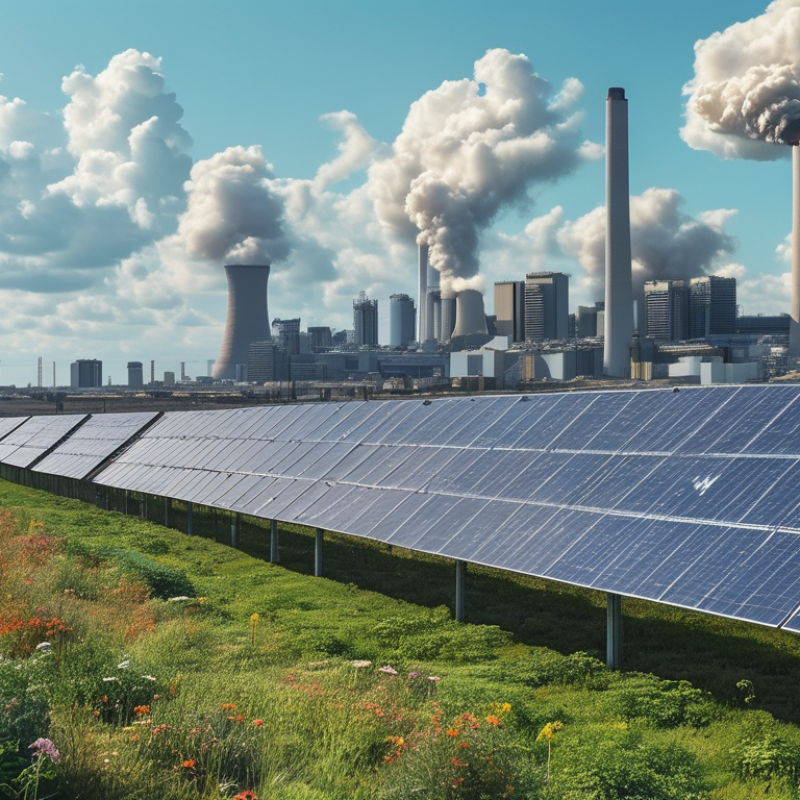
Understanding Energy Efficiency Systems: A Comprehensive Overview
Energy efficiency systems play a crucial role in reducing consumption and lowering costs. A comprehensive understanding of these systems is essential for global buyers. Key aspects to consider include energy sources, technology types, and implementation costs. Each system varies in effectiveness, impacting overall efficiency. The initial investment can be significant, but long-term savings often justify the costs. Conducting an Energy Efficiency Review can highlight potential savings.The landscape of energy solutions is diverse. Buyers should assess available technologies, such as HVAC systems, smart meters, and insulation solutions. These options differ in complexity and integration. Factors like utility incentives and regulatory requirements also influence decisions. Real-world case studies can provide insights into successful implementations. However, it’s important to reflect on failures and challenges encountered during these projects to avoid similar pitfalls.Lastly, understanding the specific needs of a facility is paramount. Not every solution fits every situation. Customized approaches often yield better results. Engaging with energy experts can guide buyers towards the best decisions. The objective should be a balanced approach that considers both efficiency and sustainability. Your commitment to improvement defines success in this field.
Key Factors to Consider When Choosing Energy Efficiency Systems
When selecting energy efficiency systems, several key factors warrant attention. First, consider the specific energy needs of your operations. Understanding your consumption patterns can help identify which systems will deliver the best Energy Storage Efficiency. A report from the International Energy Agency states that optimizing energy use can lead to a 30% reduction in costs for industrial sectors. This highlights the importance of tailored solutions.Additionally, evaluate the technology behind the systems. Look for features like smart grid integration that can enhance performance. Systems with adaptive controls can adjust to varying loads, improving overall energy efficiency. According to a recent study, investments in such innovative technologies can yield returns exceeding 200% within a five-year timeframe.Lastly, reliability is crucial. Ensure that the systems you consider have proven track records. Data from leading energy research organizations indicates that systems with high reliability ratings can decrease operational disruptions by up to 40%. Balancing cost, technology, and reliability will help you make informed decisions while striving for optimal Energy Storage Efficiency.
Top Energy Efficiency Technologies for Different Industries
Energy efficiency is vital across various industries. By investing in advanced energy-efficient technologies, businesses can significantly reduce costs. A recent report by the International Energy Agency (IEA) highlights that buildings account for 36% of global energy use. Implementing energy-efficient systems can lead to 20-50% savings on energy bills for commercial properties.Different sectors require tailored solutions. For instance, manufacturing plants often benefit from enhanced process controls and energy recovery systems. These can help reach the Highest Energy Efficiency levels, optimizing operations. On the other hand, the agricultural sector might focus on precision farming technologies to minimize energy consumption while maximizing yield. A study by the U.S. Department of Energy shows that efficient irrigation systems can reduce energy use by up to 30%.Adopting energy-efficient practices is not without challenges. Some businesses may struggle with initial costs or lack of expertise in implementing new technologies. However, the long-term benefits often outweigh these concerns. Industry analysis indicates that investments in energy efficiency can lead to a return on investment (ROI) of up to 50%. Each industry must assess its unique needs to choose the right energy efficiency technologies.
Evaluating Costs and Benefits of Energy Efficiency Solutions
When considering energy efficiency systems, it’s essential to evaluate both costs and benefits. Analyzing initial investments can help in understanding long-term savings. Energy-efficient appliances usually come with a higher price tag. Yet, they often offer significant savings on utility bills.You must also factor in maintenance costs. Some systems require more upkeep, which can affect overall costs. However, the benefits may outweigh these additional expenses. For example, reduced energy consumption leads to lower carbon footprints, contributing positively to the environment.Another element to explore is the return on investment (ROI). A smart choice might take longer to pay off, but the energy savings can be substantial. It’s crucial to review case studies or data from similar implementations. Each system’s efficiency varies based on location and energy source. Engaging with trusted resources can provide valuable insights.
Top 10 Energy Efficiency Systems: Costs and BenefitsComparing Performance Metrics of Leading Energy Efficiency Systems
When selecting energy efficiency systems, performance metrics play a critical role. It’s essential to compare various systems based on their energy savings, operational costs, and ROI. Look for data on energy consumption reduction and how these systems perform under different conditions. Some systems may perform well in ideal settings but fall short in real-world applications.
Pay attention to the specifics of the performance metrics provided. For example, consider those that include power usage effectiveness (PUE) and energy utilization efficiency (EUE). These metrics help in understanding the true efficiency of each system. Also, explore user reviews and reliability ratings to gauge real-world effectiveness. Many systems promise high savings but do not deliver as expected.
It’s important to evaluate not just the numbers but also the context. Ask what kind of maintenance each system requires. A system with a high initial saving might demand frequent upkeep, adding hidden costs. Also, reflect on adaptability. Some systems may not integrate well with existing operations, leading to inefficient performance. Thus, comprehensively analyzing these factors is essential for making an informed decision.
Sustainability and Compliance: Regulations Impacting Energy Efficiency
Energy efficiency regulations are becoming increasingly crucial for global buyers. Governments worldwide are setting strict compliance standards. For example, the International Energy Agency reports that energy efficiency could reduce global energy demand by 25% by 2040. This is significant for businesses seeking to align their operations with sustainability goals.When choosing energy-efficient systems, it’s essential to consider local regulations. Many regions have specific guidelines to enhance efficiency. For instance, emissions targets are now common in numerous jurisdictions. Adhering to these regulations not only supports sustainability but also enhances the reputation of your business.Tip: Evaluate your current systems against the latest standards. Regularly review compliance reports to ensure you meet evolving regulations. It’s a good practice not to overlook these crucial updates.The challenge lies in keeping up with constantly changing policies. Companies must invest time and resources to stay informed. This aspect can be daunting, but dedicated effort is essential for sustainable progress. Balancing efficiency with compliance may seem tedious, yet it is unavoidable for long-term success.Tip: Engage with industry experts regularly. Their insights can help you navigate compliance more effectively. Building a network can offer valuable support and knowledge.
Future Trends in Energy Efficiency Solutions for Global Buyers
Future trends in Energy Efficiency Solutions focus on innovation and adaptability. Technology is advancing rapidly, and businesses must keep pace. Smart systems are becoming standard in energy management. This includes sensors and automation tools that optimize energy use. Digital platforms help monitor and adjust usage in real-time, providing insights that drive efficiency.
Tips: Assess the specific needs of your building. Customizing energy efficiency solutions can lead to better results. Regularly evaluate the performance of installed systems. This ensures they remain effective and relevant as technology evolves.
Another trend is the integration of renewable energy sources. Solar panels and wind energy systems are gaining traction. These options not only reduce reliance on fossil fuels but also enhance overall energy efficiency. Companies must consider local regulations and incentives for adopting such technologies.
Tips: Explore partnerships with local energy providers. They often have programs that support sustainable practices. Research local energy policies as they can impact your decisions significantly. Embracing these future trends is essential for global buyers focused on sustainability.
Conclusion
The article “Top 10 Energy Efficiency Systems for Global Buyers: How to Choose?” provides a thorough examination of energy efficiency systems, highlighting their significance across various industries. It begins with a comprehensive overview of what energy efficiency systems entail and identifies key factors buyers should consider when making selections. The article delves into the top technologies available, evaluates their costs and benefits, and compares performance metrics to aid in informed decision-making.Furthermore, it addresses the impact of sustainability regulations on energy efficiency solutions and explores emerging trends that are shaping the future of these systems. By understanding these crucial aspects, global buyers can effectively navigate the complexities of energy efficiency systems, ensuring they choose solutions that not only meet their needs but also contribute to a more sustainable future.
Media Contact
Company Name: Masspoint Energy Technology Co., Ltd.
Email: Send Email
Country: China
Website: https://www.masspointenergy.com/