
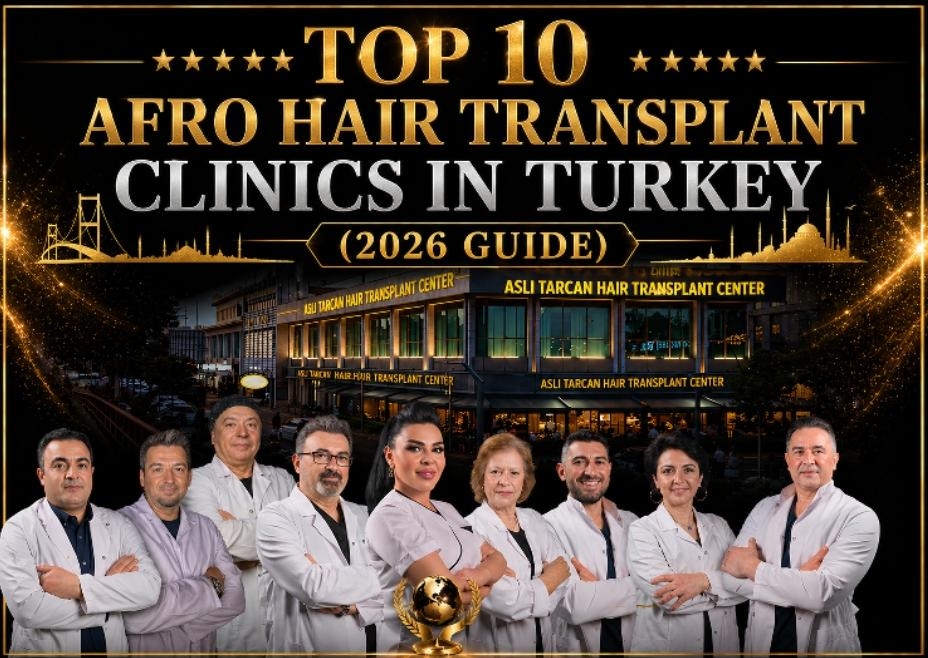
Turkey has become one of the most searched destinations for hair restoration, and that includes Afro-textured hair transplants—often called curly hair transplants or African hair transplants. The appeal is easy to understand: strong medical tourism infrastructure, competitive pricing, and clinics that regularly work with international patients.
But here’s the part that matters most: Afro hair is not “just hair with more curl.” Under the scalp, the follicle path can curve significantly, which makes extraction and implantation more technique-sensitive than in straight hair. That’s why choosing the right clinic is less about flashy marketing and more about evidence of careful planning, experienced teams, and consistent follow-up.
Below you’ll find 10 clinics in Turkey that publicly highlight hair transplant services and, in most cases, specifically mention Afro hair transplant or curly-textured work.
What makes an Afro hair transplant different?
With tightly curled hair, the key challenge is what happens below the surface. Curved follicles can increase the risk of transection (damaging follicles during extraction) if the punch angle and technique aren’t adapted. Medical literature has discussed tools and approaches designed specifically to reduce transection in Afro-textured FUE cases.
Curly hair structure itself is also distinct—research reviews describe how curly fibers and follicles differ anatomically from straight hair, which helps explain why planning and angulation matter so much in surgery.
In practical terms, a good Afro hair transplant plan usually focuses on:
-
conservative, curvature-aware extraction
-
deliberate placement to preserve the natural curl pattern and direction
-
donor management (especially if you wear shorter cuts where small scars can show)
-
realistic density goals (Afro hair often looks fuller at lower graft densities because of curl geometry)
Just as important: reputable hair surgery guidelines emphasize that key surgical steps—evaluation, planning, execution—should be performed by qualified physicians, not left entirely to technicians.
FUE, DHI, Sapphire FUE: which technique is best for Afro hair?
There’s no universal “best.” Many clinics offer FUE and DHI, and some also promote Sapphire FUE. With Afro-textured hair, the deciding factor is usually the team’s experience with curved follicles, not the buzzwords on a brochure.
Even professional FUE guidance documents highlight that hair characteristics—including Afro-textured (tight curl)—can affect transplant planning and outcomes.
The 10 Best Afro Hair Transplant Clinics in Turkey
1) Aslı Tarcan Global (Istanbul)
Aslı Tarcan is frequently mentioned in medical tourism discussions for hair restoration in Istanbul and publishes dedicated information about Afro hair transplant Turkey options and planning.
2) EsteFavor
Estefavor presents Afro (type 4 / tightly curled) hair transplantation as a dedicated service line and highlights planning around natural hairline design and curl characteristics.
3) Sapphire Hair Clinic(Turkey)
Sapphire Hair Clinic promotes Afro hair transplant procedures in Istanbul with messaging focused on curl-direction planning and minimizing follicle trauma during extraction.
4) Tan Hair Clinic (Turkey)
Tan Hair Clinic publishes educational content specifically about Afro hair transplantation, emphasizing that Afro-textured follicles require a different approach than standard cases.
5) Micro FUE Turkey (Izmir)
Micro FUE Turkey has a dedicated Afro hair transplant page for Izmir and references customized extraction angles and tools designed for curved follicles.
6) Oddo Clinic (Izmir)
Oddo Clinic lists Afro hair transplant among its hair restoration options and provides clear contact/location details for planning an in-person consultation.
7) Vialife Clinic (Turkey)
Vialife Clinic publishes a detailed 2026 Afro hair transplant pricing breakdown with package-style tiers tied to graft ranges, which can be helpful when comparing quotes.
8) Clinic Mono (Izmir)
Clinic Mono features an Afro hair transplant service page and frames the procedure as ethnicity-aware planning with a focus on hair characteristics and patient goals.
9) HairMedico (Ankara)
HairMedico lists Afro hair transplant as a specific treatment category and positions Ankara as an alternative destination to Istanbul for patients comparing locations.
10) Cevre Hospital (Turkey)
Cevre Hospital hosts a comprehensive Afro hair transplant page covering candidacy, technique considerations, and aftercare—useful if you want a clinic entry that feels more “medical-resource” oriented.
How to choose the right clinic for an Afro hair transplant in Turkey
If you’re shortlisting clinics in Istanbul (or elsewhere in Turkey), the fastest way to filter quality is to ask better questions.
Bring these to your consultation:
-
Who does what in the operating room? (surgeon vs. technician roles)
-
How do you reduce transection risk in curly follicles? (punch choice, angle strategy, extraction approach)
-
Can you show multiple Afro-textured cases at similar hair-loss stages?
-
What is your donor management plan if I wear fades/short cuts?
-
What aftercare is included once I’m back home? (online checks, prescriptions, wash schedule)
A clinic doesn’t need to promise miracle density. In fact, the most trustworthy plans are usually the ones that talk clearly about limitations—donor capacity, realistic coverage, and timelines.
Cost: how much is an Afro hair transplant in Turkey?
Pricing varies by graft count, technique, clinic model, and what’s included (hotel, transfers, PRP, medications). Aggregators and clinic sources commonly place Afro hair transplant pricing in Turkey in the low-to-mid thousands of US dollars, with many packages clustering around roughly 2,000–4,000 USD on average, while wider ranges such as 1,500–6,000 USD are also advertised depending on scope.
For a reality check on cost factors (not Turkey-specific), patient resources from the International Society of Hair Restoration Surgery note that fees vary based on coverage needs and service type.
Recovery and aftercare tips (especially for textured hair)
Most people feel “socially presentable” within a couple of weeks, but the growth timeline is longer:
-
early healing in the first 7–10 days
-
shock shedding in the following weeks
-
visible growth starting around months 3–4
-
maturation continuing up to 12 months (sometimes longer)
For textured hair routines, dermatology guidance aimed at Afro-textured patients often recommends delaying certain styling practices and avoiding harsh chemicals while the scalp is healing; one clinical guidance piece suggests waiting 2–4 weeks before returning to some texture styling and avoiding relaxers/harsh chemicals on a healing scalp.
Frequently Asked Questions (FAQs)
1) Does Afro hair transplant work? Yes, it can work well—but outcomes depend heavily on technique and follicle handling. Curved follicles can raise transection risk if the team isn’t experienced with Afro-textured extraction.
2) Will my curl pattern stay the same after transplant? In many cases, transplanted hair retains its inherent characteristics, but placement angle and direction matter for how the curl sits and how natural the hairline looks. Clinics that discuss textured-hair planning usually focus on these details.
3) Is FUE or DHI better for Afro-textured hair? It depends on your scalp, donor strength, and hairline goals. The technique name matters less than curvature-aware extraction and thoughtful implantation.
4) How many grafts do I need? That depends on your pattern of loss and desired coverage. Many clinics assess graft needs during consultation, and the plan should be customized rather than “one package fits all.”
5) How long should I stay in Turkey? Many international patients plan a short stay that covers the procedure plus early follow-ups (like the first wash). Your clinic’s schedule will vary.
6) Is the procedure painful? Hair transplants are typically done under local anesthesia, so pain is usually limited during the procedure. Post-op soreness varies person to person.
7) When can I wear a wig or protective styles again? Ask your surgeon, but guidance for Afro-textured patients often stresses avoiding friction/tension early on and being cautious with adhesives and tight fits while healing.
8) What are red flags when choosing a clinic? Vague answers about who performs the surgery, pressure to pay immediately, no discussion of risks/limitations, and unwillingness to show multiple comparable Afro-textured cases.
9) What should be included in the quote? At minimum: medical evaluation, procedure plan, aftercare instructions, medications, and follow-up access. Many Turkey packages also include hotel and transfers, but get everything in writing.
Media Contact
Company Name: aslitarcanglobal
Email: Send Email
Country: United States
Website: https://aslitarcanglobal.com/