
1. Introduction
With the rapid evolution of semiconductor manufacturing—especially in advanced nodes and wide-bandgap materials—process stability and contamination control have become increasingly critical.
Silicon carbide (SiC) ceramic wafer boats, once considered simple carriers, are now essential components that directly influence process consistency, yield, and device performance.
They are widely used in high-temperature processes such as:
- Oxidation
- Diffusion
- Chemical Vapor Deposition (CVD)
- Annealing
2. Why Silicon Carbide? Key Material Advantages
2.1 Exceptional High-Temperature Stability
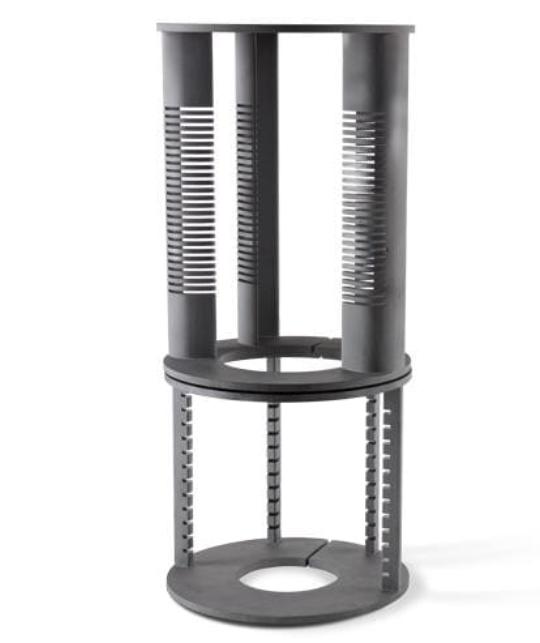
SiC ceramic wafer boats can operate continuously at temperatures exceeding 1000°C without deformation.
- Low thermal expansion coefficient
- Excellent structural integrity
This ensures precise wafer positioning inside furnace tubes, leading to:
- Uniform oxide layer growth
- Accurate dopant distribution
2.2 Ultra-Low Contamination Risk
Compared to traditional quartz boats, SiC offers superior chemical stability:
- Resistant to aggressive gases such as chlorine, hydrogen, and ammonia
- Minimal particle generation
- Reduced impurity release
In advanced semiconductor nodes (e.g., below 28 nm), this low contamination level is no longer optional—it is essential for maintaining yield.
2.3 High Mechanical Strength and Thermal Conductivity
SiC materials provide:
- High rigidity → prevents warping and deformation
- Excellent thermal conductivity → ensures uniform heat distribution
These properties result in:
- Reduced thermal gradients
- Improved batch consistency
- Higher overall process reliability
3. Key Roles in Semiconductor Manufacturing
3.1 Wafer Support and Alignment
Wafer boats securely hold multiple wafers in a vertical or horizontal arrangement during processing.
SiC ensures:
- Precise spacing
- Stable alignment
- Minimal mechanical stress on wafers
3.2 Process Uniformity Enhancement
Uniform temperature and gas flow distribution are critical in batch processing.
SiC wafer boats contribute by:
- Maintaining consistent thermal profiles
- Reducing edge effects
- Improving uniformity across all wafers
3.3 Contamination Control
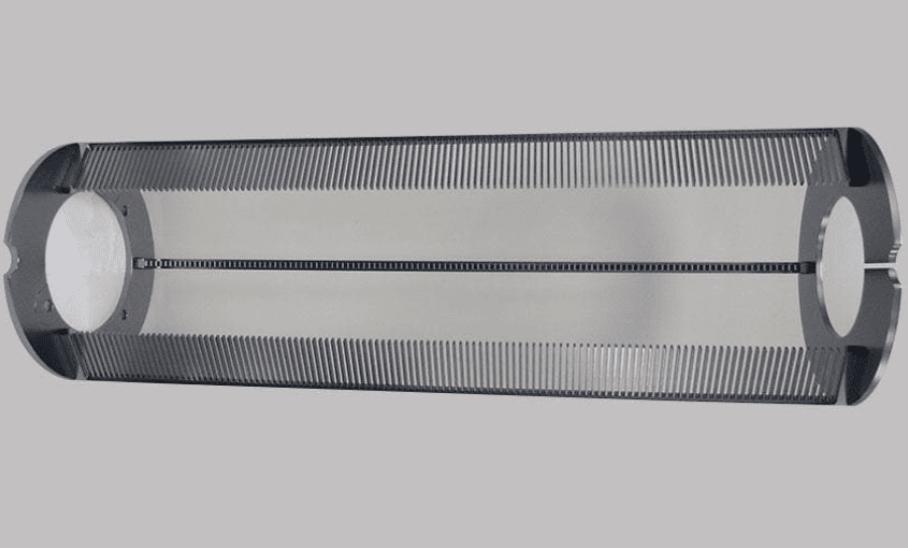
In semiconductor fabrication, even microscopic contamination can lead to defects.
SiC wafer boats help by:
- Minimizing particle generation
- Preventing chemical reactions with process gases
- Maintaining ultra-clean processing environments
3.4 Extended Service Life
Compared to quartz alternatives, SiC wafer boats offer:
- Longer lifespan
- Higher resistance to thermal shock
- Lower replacement frequency
This reduces:
- Maintenance costs
- Production downtime
4. Comparison with Traditional Quartz Wafer Boats
| Feature | SiC Wafer Boats | Quartz Wafer Boats |
|---|---|---|
| Temperature Resistance | Very high (>1000°C) | Moderate |
| Mechanical Strength | High | Relatively low |
| Contamination Risk | Very low | Higher |
| Lifespan | Long | Shorter |
| Cost | Higher upfront | Lower upfront |
While quartz remains suitable for some legacy processes, SiC is increasingly preferred in advanced semiconductor manufacturing.
5. Conclusion
Silicon carbide ceramic wafer boats play a crucial role in modern semiconductor fabrication by improving:
- Thermal stability
- Process uniformity
- Contamination control
- Equipment longevity
As semiconductor technologies continue to evolve toward smaller nodes and more demanding materials, the adoption of SiC wafer boats is expected to grow significantly.
Media Contact
Company Name: Ningbo Miami Advanced Material Technology Co., LTD
Email: Send Email
Country: China
Website: https://www.semi-cera.com/