
cable glands: The Unsung Heroes of Electrical Safety and Performance
In the world of electrical systems, much of the focus is often on the cables themselves — those long, winding paths that carry power and signals. But there’s an unsung hero working quietly in the background to ensure the cables function safely and effectively: the cable gland. Though small and seemingly simple, this essential component plays a critical role in maintaining the integrity of electrical installations and systems. It’s responsible for securing cables to electrical enclosures and ensuring that they remain protected from external environmental factors, such as moisture, dust, chemicals, and physical stress.
What Exactly is a Cable Gland?
A cable glandis a mechanical fitting that connects the end of a cable to an electrical device, junction box, or panel, while simultaneously providing a secure seal. It acts as a barrier, preventing contaminants such as dirt, water, and even corrosive chemicals from entering the cable or the equipment. By offering this vital protection, cable glands help maintain the longevity and reliability of electrical systems in a wide range of industries. Whether it’s an industrial machine, a marine vessel, or an oil platform, cable glands ensure that the connection between cables and devices remains intact and secure in some of the harshest environments.
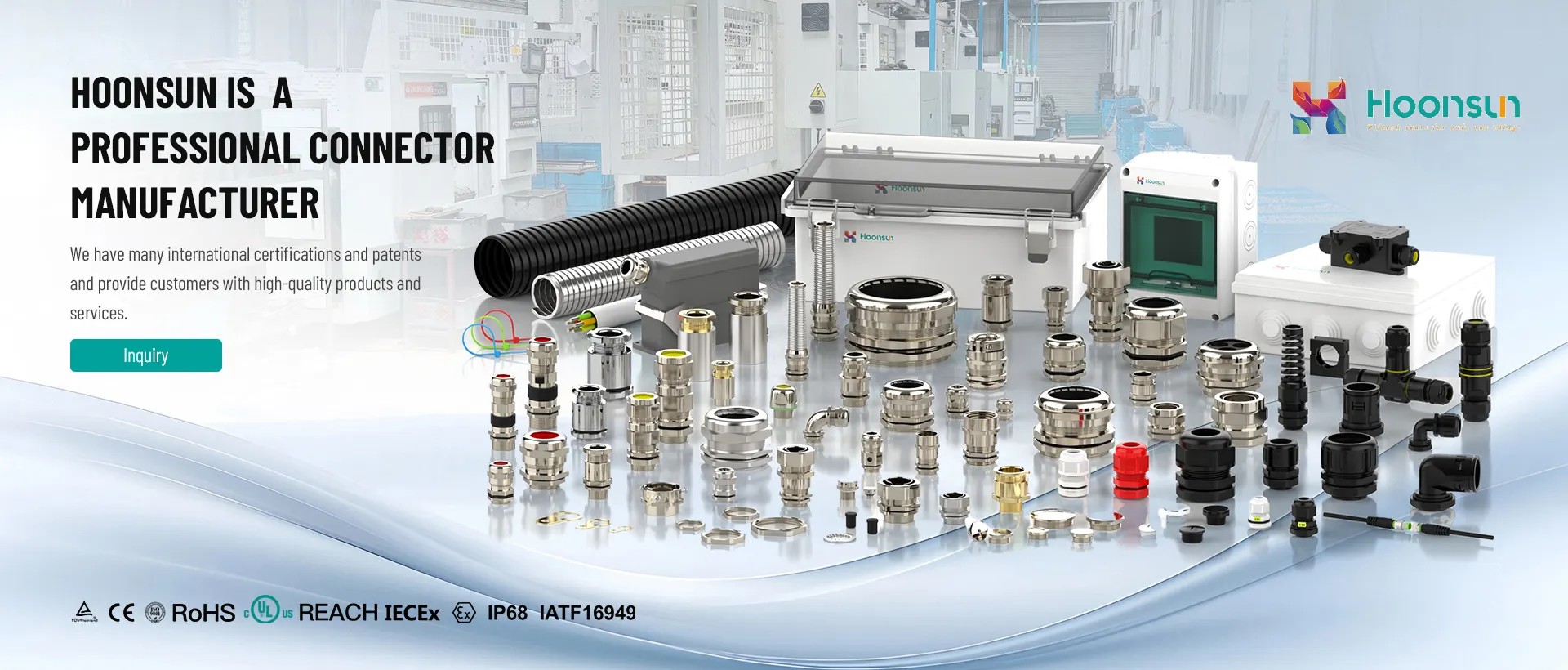
Types of Cable Glands: Tailored for Every Environment cable glands come in many shapes and forms, each designed for specific needs and environments. Let’s explore some of the most common types:
Mechanical cable glandsThese glands are primarily designed to provide a strong physical seal, holding the cable in place and protecting it from external pressures like vibration or mechanical stress. They’re ideal for environments where physical security and sealing are paramount.Explosion-Proof cable glandsWhen it comes to high-risk environments — such as oil rigs, gas processing plants, and chemical factories — explosion-proof cable glands are a must. These glands are specifically designed to prevent sparks or heat from escaping.waterproof cable glandsIn sectors where moisture is prevalent, such as underwater installations, shipyards, or in high-humidity environments, waterproof cable glands are engineered to create a watertight seal.Corrosion-Resistant Cable GlandsDesigned to withstand the most aggressive environments, usually constructed from high-grade materials like stainless steel or specialized plastics for the chemical and marine industries.Core Functions of Cable Glands: More Than Just a Seal
While cable glands are often viewed as simple mechanical devices, their functions go well beyond merely sealing a cable to an electrical enclosure:
01Sealing and Protection: The primary role is to prevent contaminants like water, dust, oil, and chemicals from infiltrating the cable and its associated electrical systems.02Mechanical Support: Cable glands provide mechanical support, ensuring the cable remains securely fixed in place and protected from external mechanical forces and vibrations.03Electrical Isolation: By maintaining a secure seal and keeping conductive elements contained, they prevent short circuits or electrical shock hazards.04Explosion Prevention: Engineered to contain sparks or heat that could potentially ignite flammable gases or dust in hazardous industrial operations.Applications of Cable Glands: Protecting Critical Infrastructure
Cable glands are used in a wide range of industries where electrical systems need to be both safe and reliable:
Energy & PowerEnsures safe transmission in solar farms, wind turbines, and nuclear power stations.Oil and GasExplosion-proof and corrosion-resistant protection for dangerous offshore environments.Chemical & PharmaResistant to hazardous chemicals and extreme manufacturing temperatures.Marine & MaritimeProtection against water, salt, and high humidity for offshore platforms.TransportationReliable performance in railway, aviation, and automotive industries.
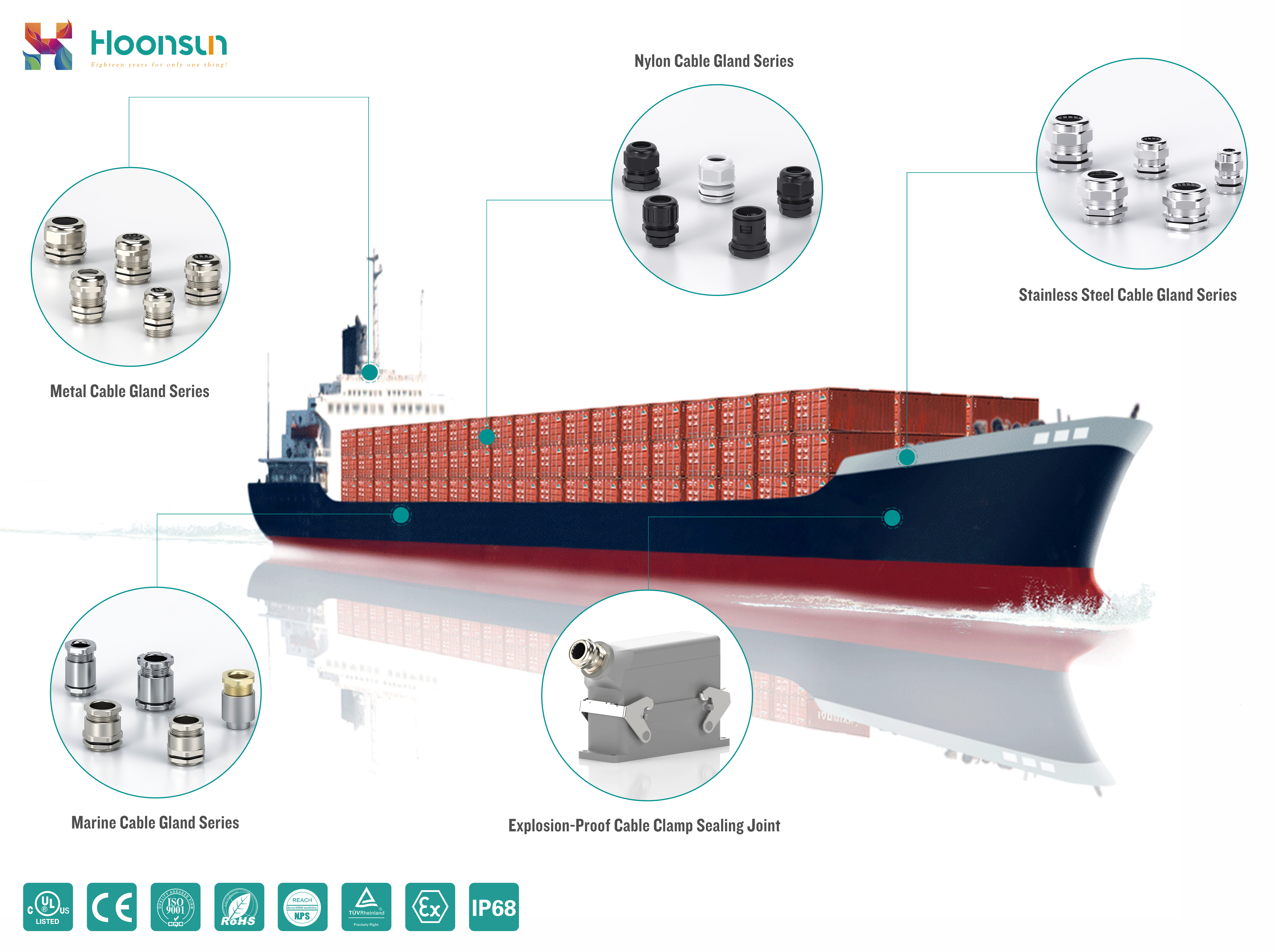
Future Trends: Innovation and EvolutionSmart Cable Glands: Incorporating sensors to monitor cable condition and alert operators to potential issues.Sustainability: Focusing on recyclable materials and energy-efficient production methods.Customization: Tailored solutions to meet the unique challenges faced by specific specialized sectors.Increased Safety Standards: Fire-resistant materials and superior mechanical protection for high-risk environments.Conclusion: The Essential Role of Cable Glands
Though often hidden from view, cable glands are an integral part of ensuring the safety, functionality, and longevity of electrical systems across a multitude of industries. From the energy sector to oil and gas, chemical processing, and beyond, the importance of cable glands cannot be overstated. As technology advances and industries demand higher performance, cable glands will continue to evolve, providing smarter, safer, and more sustainable solutions for the future of electrical systems. In short, they may be small, but their impact is immense.
Media Contact
Company Name: Zhejiang Hongxiang Connector Co., Ltd.
Email: Send Email
Country: China
Website: https://www.cnhoonsun.com/