
Fu’an, Fujian, China – November 23, 2026
As a Top Massage Recliner Chair Company In China, SWEET HOME focuses on developing massage seating that combines relaxation functions, practical furniture design and manufacturing adaptability. In a market where consumers increasingly expect wellness products to fit naturally into everyday living environments, the company approaches massage recliners from both functional and commercial perspectives. A successful product must do more than incorporate a massage mechanism; it should provide an appropriate seating experience, integrate its operating components effectively and meet the expectations of different market segments. With experience in massage chair manufacturing since 2013, SWEET HOME has developed a product portfolio and OEM capabilities that address these changing requirements.
Understanding What Makes a Competitive Massage Recliner
The massage recliner market is becoming more specialized as buyers look beyond conventional seating and seek products that combine comfort with convenient relaxation functions. However, product differentiation does not necessarily come from increasing the number of features. The relationship between massage coverage, seating structure, reclining movement and user control has a greater influence on the overall experience.
For manufacturers, this creates several engineering considerations. The massage mechanism must operate in coordination with the chair’s structure, while cushioning and upholstery need to accommodate both sitting comfort and the movement of internal components. Reclining systems must also support the intended range of positions without making everyday operation unnecessarily complicated. These requirements make massage recliners a multidisciplinary product category involving furniture construction, mechanical engineering and electrical integration.
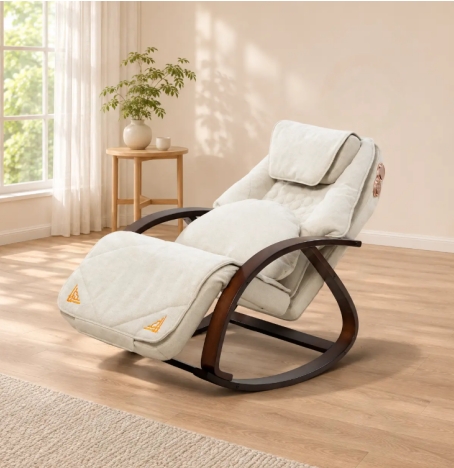
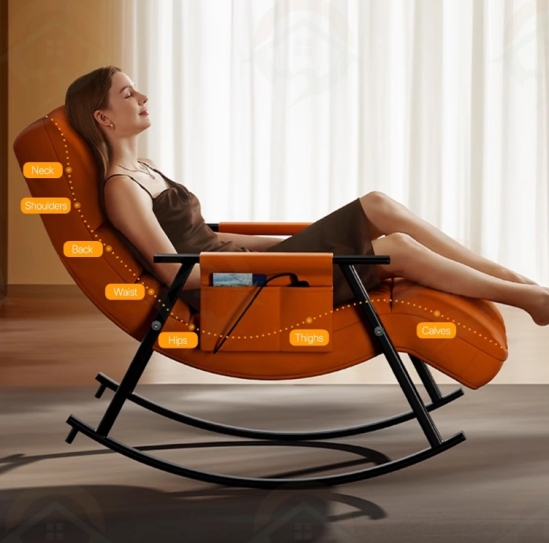
SWEET HOME develops massage seating for different usage preferences, including folding massage recliners, rocking massage chairs and other relaxation-oriented seating products. Rather than relying on one design concept, its portfolio addresses different expectations concerning appearance, available space and massage functionality. This product diversity gives international buyers greater flexibility when developing collections for furniture retail, home wellness and related distribution channels.
Product Development Around Functionality and Application
A massage recliner should be evaluated according to how its individual functions contribute to the intended user experience. Back massage mechanisms, seat vibration, adjustable leg rests and reclining structures each serve different purposes. Their integration determines whether the finished chair provides a coherent experience or simply combines several independent features.
For residential applications, furniture compatibility is particularly important. Consumers may prefer a massage recliner that complements existing interior styles rather than one that resembles specialized commercial equipment. Upholstery selection, frame appearance, proportions and the arrangement of armrests can therefore influence purchasing decisions alongside massage performance. Folding structures and compact configurations also provide alternative solutions for households where available floor space is limited.
Different commercial environments create different requirements. A home-office product may need to balance extended seating comfort with relaxation functions, while a furniture retailer may prioritize appearance, dimensions and ease of demonstration. Distributors serving different consumer groups must also consider product positioning and the level of functionality expected within each price segment.
SWEET HOME’s massage recliner offerings reflect these distinctions through different structural and functional configurations. Its broader massage equipment portfolio also includes full-body massage chairs, massage sofas, massage beds, massage cushions, mattresses and foot massagers. This experience across related product categories provides a wider product development perspective, particularly when buyers are building a coordinated home wellness range.
Manufacturing Capability and Product Consistency
One of the important challenges in massage recliner production is maintaining consistency across components with different manufacturing requirements. Upholstery, internal frames, motors, wiring and massage mechanisms must work together within a single finished product. A problem in one component can affect operation, appearance or long-term maintenance.
Its manufacturing arrangements cover several important stages, including incoming-material inspection, electrical assembly, sewing, mechanism ageing, final assembly and noise testing. These processes address different aspects of product quality. Material inspections help assess the consistency of upholstery and other inputs, while mechanism ageing and operational testing provide opportunities to identify potential issues before products are packaged.
The company also identifies testing equipment for leather abrasion, colour fastness, electrical withstand voltage, micro-motor performance and wire bending. These testing capabilities are relevant to massage recliners because product reliability depends on both visible materials and internal electrical and mechanical components. For overseas buyers, the ability to understand how these elements are inspected is an important part of supplier evaluation.
OEM and Customization for International Markets
Manufacturing flexibility is another consideration for companies sourcing massage recliners. International distributors rarely serve identical customer groups. Differences in interior preferences, purchasing power, electrical requirements, packaging expectations and local regulations can influence the specifications needed for each market.
SWEET HOME provides OEM services for massage chairs and beds, alongside OEM/ODM services for smaller massage equipment. Its customization options include branding, colour selection and packaging adjustments, allowing business partners to develop product presentations that correspond with their own market positioning.
The value of customization lies in its practical application. A distributor developing a furniture-oriented collection may prioritize upholstery appearance and product dimensions, whereas a private-label wellness brand may focus more heavily on functional configuration and brand presentation. Effective cooperation therefore requires clear communication about the intended application, product specifications and customization scope before production begins.
SWEET HOME also describes support covering pre-order consultation, sample testing, logistics coordination and after-sales service. These services are important in international sourcing because product development does not end when a design is selected. Buyers must also consider sample approval, production arrangements, export documentation and the handling of product-related questions after delivery.
The company reports serving customers in more than 30 countries through its OEM activities. This international experience provides a foundation for understanding the coordination involved in supplying different markets. Nevertheless, product certifications, electrical specifications and compliance documents should always be confirmed for the individual model and destination market.
Innovation and the Future of Massage Recliners
Developments in the home wellness sector are creating opportunities for manufacturers to improve massage seating through more considered product integration. Ergonomic design, intuitive controls, adaptable reclining structures and personalized operating options are important areas of development. At the same time, consumers increasingly expect wellness equipment to complement their homes rather than occupy a separate functional category.
For manufacturers, responding to these expectations requires a balance between technical development and practical usability. New features should have a clear purpose, while materials and structural components must support the intended operating conditions. Product innovation also needs to consider manufacturing feasibility, maintenance requirements and the expectations of distribution partners.
SWEET HOME approaches this market through its experience in massage chair production, diverse massage seating designs and flexible OEM cooperation. Its manufacturing and quality-control arrangements support the development of products for different commercial requirements, while its wider wellness equipment portfolio creates opportunities for related product sourcing.
As a Top Massage Recliner Chair Company In China, SWEET HOME positions its business around the combination of product functionality, manufacturing experience and international customization services. For distributors, importers and private-label brands evaluating massage recliner suppliers, these capabilities provide relevant considerations when comparing product designs and potential manufacturing partners. More information about FUJIAN SWEET HOME CO., LTD, its massage recliner products and its manufacturing services is available at official website: https://www.fjsweethome.com/.
About Us
FUJIAN SWEET HOME CO., LTD is a trusted and experienced manufacturer specializing in premium massage chairs and comprehensive wellness equipment, manufacturing massage chairs since 2013, with R&D, production, and export experience in the wellness industry. Our focus on practical product design and user comfort supports B2B partners seeking wellness equipment worldwide.
Media Contact
Company Name: Fujian Sweet Home Co., Ltd.
Contact Person: Media Relations
Email: Send Email
Country: China
Website: https://www.fjsweethome.com/