
Haerbin, Heilongjiang, China – September 6, 2026 – A cold storage warehouse for meat has to do more than maintain a low temperature. It must support hygiene, stable cold chain operations, frequent cleaning, efficient loading, and long-term daily use. These demands can create problems if the building is designed around panels and refrigeration equipment alone.
Many issues appear after construction. Condensation develops around joints. Doors become difficult to operate. Floor areas suffer from moisture or thermal stress. Cleaning becomes inconvenient. Temperature recovery takes too long after frequent loading.
These problems often start much earlier, during design and production. The challenge is to connect the way the facility will operate with the way its components are designed and manufactured.
Where Meat Cold Storage Projects Often Go Wrong
Meat storage has a demanding operating cycle. Products may enter the facility at different temperatures. Doors open frequently during receiving and dispatch. Workers and equipment move through the cold room many times each day.
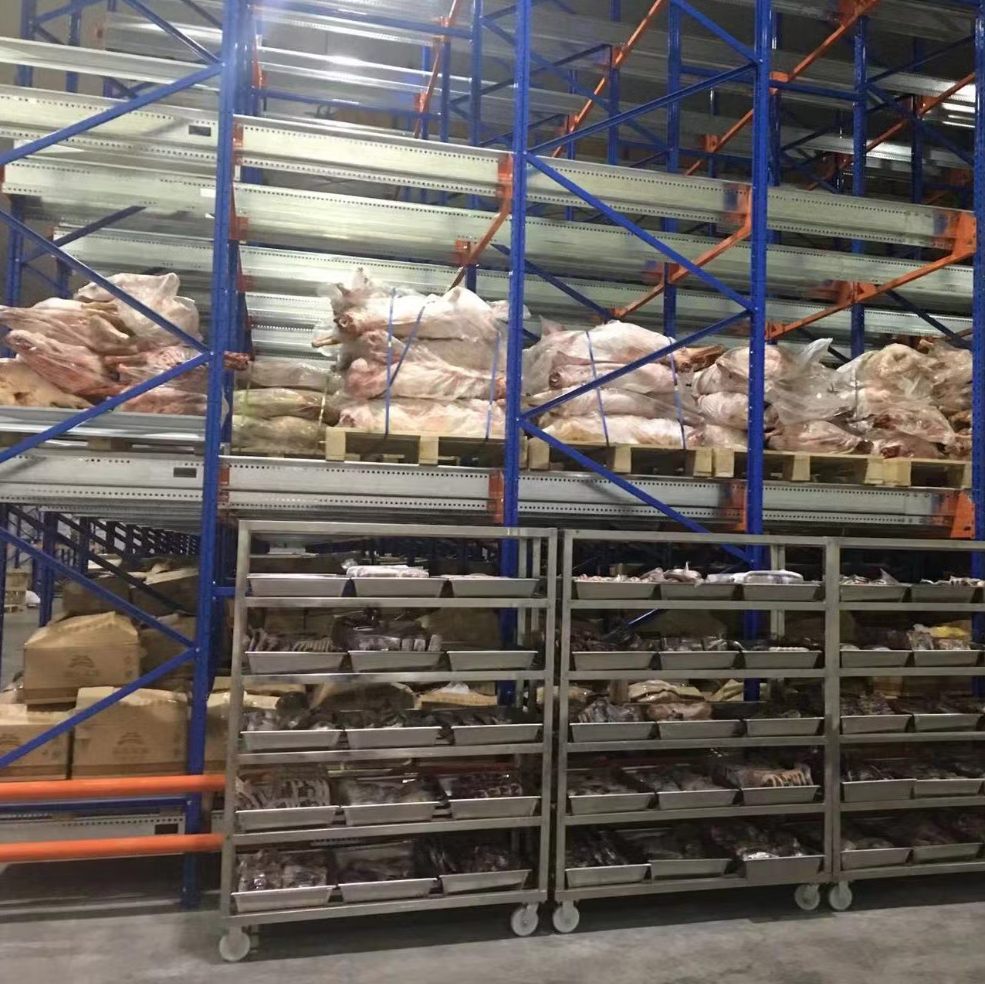
This creates more than a refrigeration challenge. Every opening introduces warm and humid air. Repeated traffic increases the risk of damage around doors and wall sections. Regular washing adds another source of moisture.
The cold room panel itself may have suitable insulation performance, but that does not guarantee a reliable enclosure. Joints, corners, floor connections, door frames, and penetrations all influence how the system performs.
There is also a difference between storage capacity and actual operating requirements. A room that looks adequate on a floor plan may become inefficient once forklifts, workers, pallets, drainage, and loading routes enter the picture.
This is why some problems cannot be solved by simply increasing insulation thickness. The layout, details, materials, and production accuracy need to reflect how the facility will actually operate.
Design Decisions Can Prevent Later Problems
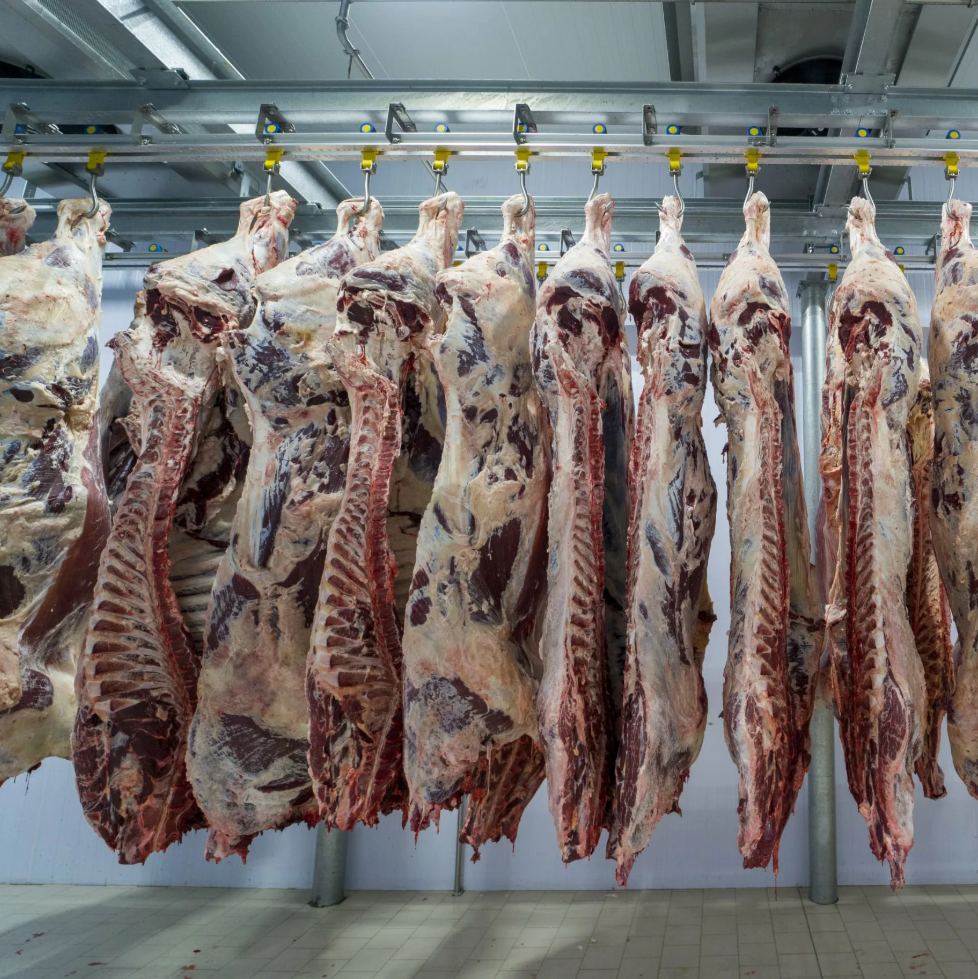
A better approach starts with the operating process rather than the product list.
For a meat facility, the movement of goods is especially important. Receiving areas, processing zones, chilled rooms, frozen rooms, and dispatch areas may have different temperature requirements. Separating these zones can reduce unnecessary temperature exchange and make daily operations easier.
Door locations deserve similar attention. A high-traffic door needs to support repeated opening and closing. Its surrounding structure should also resist impact from carts and forklifts. The connection between the door and the enclosure matters just as much as the door itself.
Drainage is another detail worth considering early. Frequent cleaning can introduce significant amounts of water. The floor, wall base, drainage channels, and insulation system need to work together to prevent moisture from reaching vulnerable areas.
Production accuracy also has a direct effect on installation. Consistent panel dimensions and properly manufactured connection details reduce the need for adjustments on site. This can help maintain joint quality and limit potential thermal bridges.
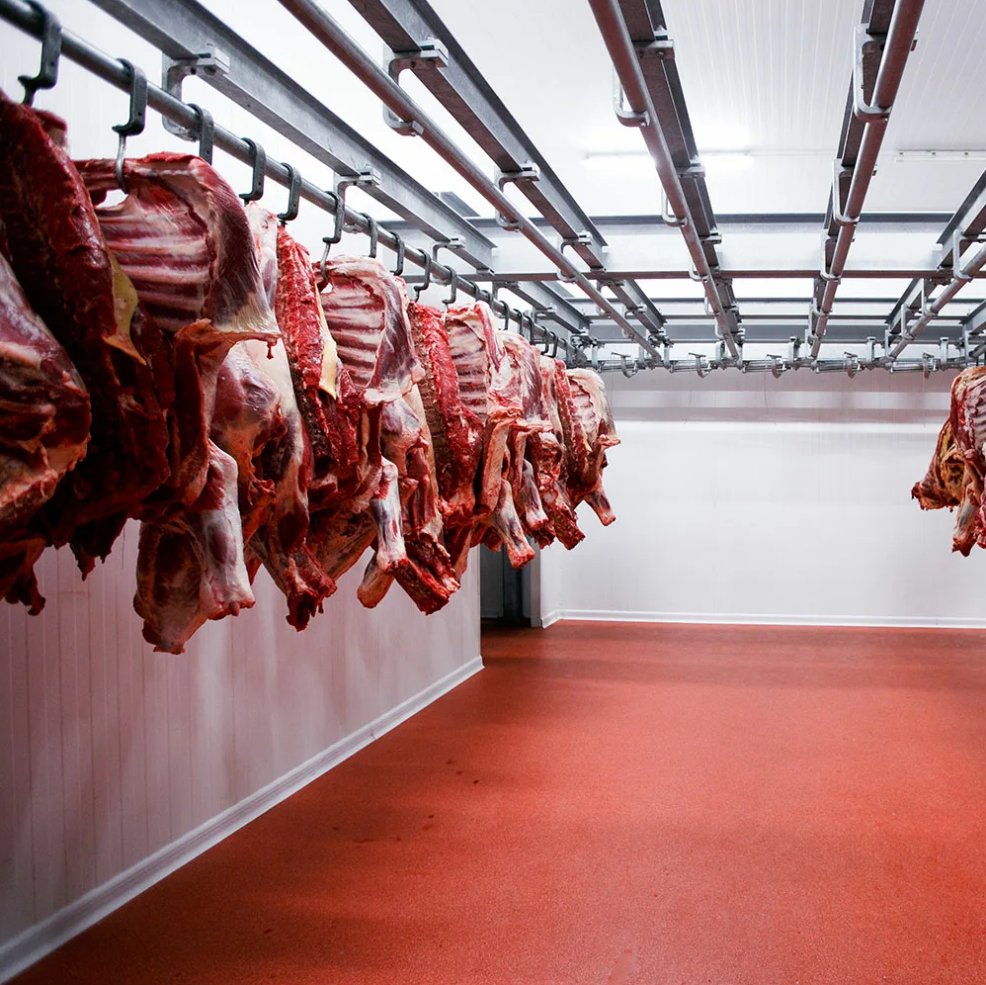
The same thinking applies to the steel frame. Its arrangement should allow the enclosure, doors, equipment, and internal logistics to work together rather than treating each system separately.
Production Should Follow the Operating Environment
Once the design reflects actual use, production becomes more than cutting materials to specified dimensions.
For a meat cold storage warehouse, panel dimensions, joint details, surface materials, and accessory interfaces all need to match the intended installation. Small deviations can become more noticeable in a facility with frequent cleaning and temperature changes.
Material selection also depends on the operating environment. A cold room panel used in a high-humidity area may face different demands from one installed in a relatively dry storage space. Surface finishes, protective layers, fasteners, sealants, and connection details can therefore become important parts of the overall solution.
The same applies to cold chain continuity. Temperature stability depends on more than refrigeration capacity. The building envelope, doors, loading practices, and internal zoning all contribute to how quickly a room loses and recovers temperature.
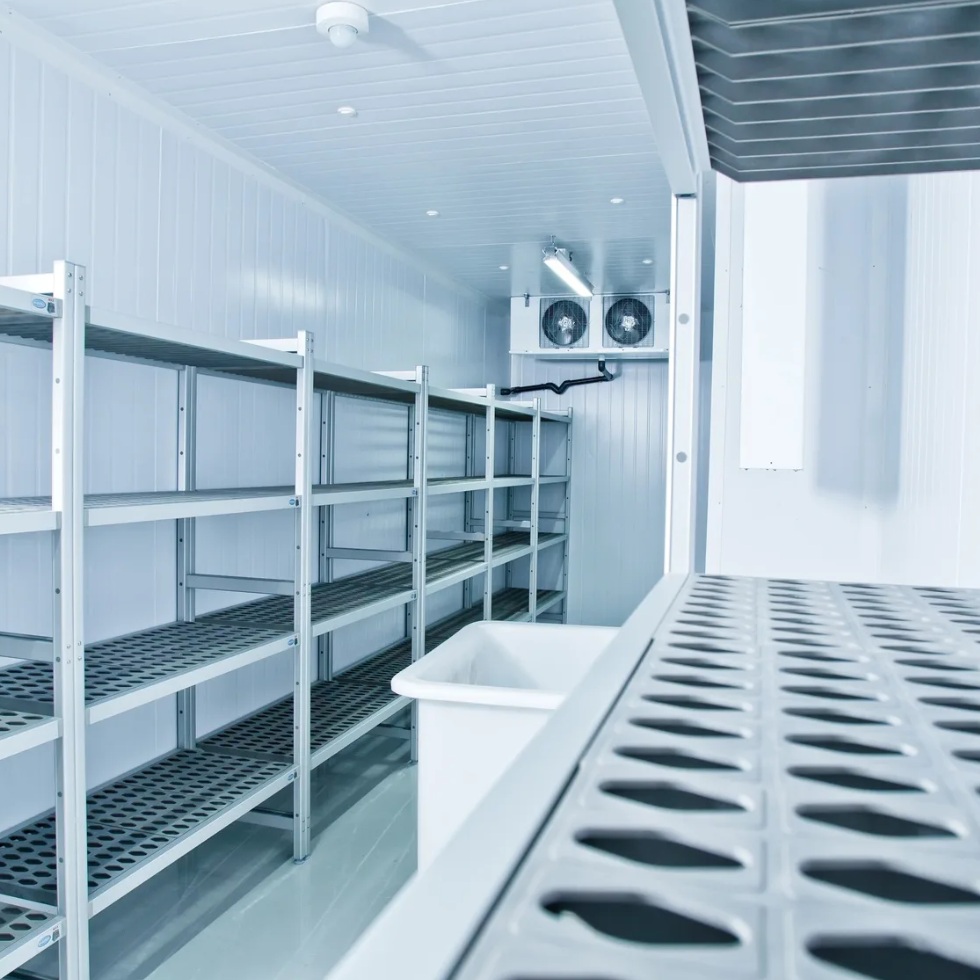
For this reason, production drawings should capture the details that matter during operation. It is easier to solve an interface problem in a factory drawing than after panels arrive at the construction site.
Building the Cold Room Around Real Use
A successful cold storage warehouse is ultimately a working environment, not simply an insulated box.
The strongest solutions usually come from connecting several decisions early: how meat enters and leaves the facility, how often doors operate, how cleaning takes place, where moisture goes, and how different temperature zones interact.
That approach can also make procurement more straightforward. Instead of comparing isolated specifications, the project can evaluate whether the complete enclosure and supporting details fit the intended operation.
For meat cold storage, the most expensive problems are not always caused by major equipment failures. They can come from small design gaps repeated every day. When design and production address those gaps before installation, the cold room has a better chance of remaining stable, hygienic, and practical throughout its operating life.
About us
Harbin Dongan Building Sheets Co., Ltd. is a modern enterprise specializing in the production and installation of PU sandwich panels, composite panel buildings, profiled plates, H-shaped steel and other series of steel structural products, and their supporting products. We have been engaged in the production and R&D for 18 years. We have obtained the first level qualification for industry engineering contracting and passed the ISO9001 quality system certification.
Media Contact
Company Name: Harbin Dongan Building Sheets Co., Ltd.
Contact Person: Media Relations
Email: Send Email
Country: China
Website: https://www.dongansheets.com/