
Ports are the backbone of global trade, handling millions of containers and cargo every day. The efficiency and safety of port operations largely depend on the reliability of port vehicles, such as forklifts, reach stackers, container handlers, and terminal tractors. Among the critical components that determine vehicle performance, tires play a pivotal role. Solid tires for port vehicles have emerged as a preferred choice due to their durability, low maintenance requirements, and enhanced operational safety. This article explores why solid tires are essential for modern port operations and how they contribute to long-term operational efficiency.
Why Ports Require Solid TiresPort environments are demanding: vehicles continuously move heavy loads across concrete and asphalt surfaces, often under extreme weather conditions. Traditional pneumatic tires are prone to punctures, blowouts, and pressure loss, which can cause costly downtime and safety risks. Solid tires, made of dense rubber or high-strength polymer compounds, are puncture-proof and can handle heavy loads with minimal wear. This makes them ideal for operations that require reliability, stability, and efficiency.
Key Advantages of Solid Tires for Port Vehicles
● Durability in Harsh EnvironmentsSolid tires are engineered to withstand the extreme conditions of port operations. They resist punctures, cuts, and abrasions caused by sharp debris, metal fragments, or uneven surfaces. Their robust construction ensures that port vehicles remain operational for longer periods, reducing the frequency of tire replacements and associated downtime.
● Enhanced Safety for Operators and CargoSafety is a top priority in ports, where even minor vehicle mishaps can result in serious accidents. Solid tires eliminate the risk of unexpected flats or blowouts, providing operators with greater stability when maneuvering heavy cargo. Better traction and load distribution help prevent tipping and skidding, enhancing overall safety in busy port yards.
● Reduced Maintenance CostsUnlike pneumatic tires, solid tires require minimal maintenance. There’s no need for air pressure checks, puncture repairs, or frequent replacements. This significantly reduces maintenance labor and material costs, allowing port operators to allocate resources to other critical areas of logistics and operations.
● Cost-Effectiveness Over TimeAlthough solid tires may involve a higher initial investment compared to pneumatic tires, their longevity, low maintenance, and reduced downtime make them more cost-effective over the long term. For ports handling high volumes of cargo daily, the return on investment becomes evident within months of continuous operation.
● Environmental BenefitsMany solid tires are manufactured using eco-friendly materials and are fully recyclable. Their long lifespan also reduces tire disposal frequency, contributing to sustainable port operations and minimizing environmental impact.
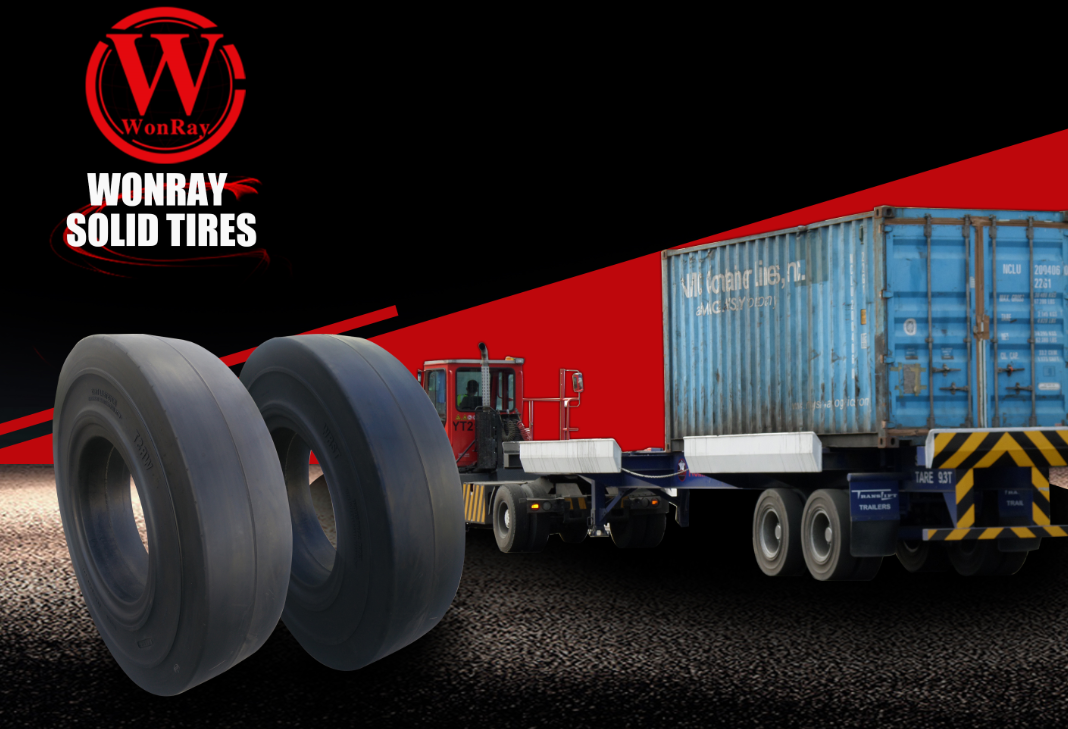
Applications of Solid Tires in PortsSolid tires are versatile and can be used across a range of port vehicles, including:
● Forklifts and Reach Stackers – Essential for container handling and pallet movement, requiring tires that can support heavy loads without puncture risks.
● Container Handlers and Terminal Tractors – Vehicles that operate on both indoor and outdoor surfaces benefit from solid tires’ durability and stability.
● Heavy-Duty Trucks and Yard Vehicles – Vehicles transporting containers or heavy machinery within the port rely on solid tires to maintain consistent performance under constant load.
Maintenance Guidelines for Optimal PerformanceWhile solid tires are low-maintenance, proper care is still necessary to maximize their performance:
● Inspect tires regularly for cracks, cuts, or uneven wear.● Keep tires clean from debris and chemicals that can accelerate wear.● Monitor vehicle load to avoid overloading and excessive strain on tires.● Ensure proper wheel alignment to prevent uneven wear and maintain optimal performance.
Frequently Asked Questions (FAQ)
Q: Are solid tires suitable for outdoor and indoor port operations?A: Yes. Solid tires perform well on both concrete and asphalt surfaces, making them ideal for indoor warehouses and outdoor container yards.
Q: Can solid tires support extremely heavy loads?A: Absolutely. Solid tires are designed for heavy-duty applications, providing high load-bearing capacity without compromising stability or safety.
Q: How do solid tires improve operational efficiency in ports? A: By eliminating punctures, blowouts, and frequent tire replacements, solid tires reduce downtime, increase vehicle availability, and enable smoother, continuous operations.
Sample Data Table: Solid Tires for Port Vehicles
| Tire Type | Application | Key Benefits |
|---|---|---|
| Standard Solid Tires | Forklifts, terminal tractors | Durable, low maintenance, cost-effective |
| Press-On Solid Tires | Reach stackers, container handlers | Easy installation, high load capacity |
| Anti-Marking Solid Tires | Indoor warehouses | Protect floors, durable, stable |
Conclusion
In conclusion, solid tires for port vehicles are a vital component for enhancing operational efficiency, safety, and cost-effectiveness in modern ports. Their durability, puncture-proof design, and low maintenance requirements make them a superior choice for heavy-duty vehicles operating in demanding environments. By investing in high-quality solid tires, port operators can reduce downtime, lower maintenance costs, and improve the overall reliability of their fleet.
Selecting the right type of solid tire depends on vehicle type, load requirements, and operating conditions. Consulting with experienced tire manufacturers or industry experts ensures optimal performance and long-term cost savings. For modern ports aiming to optimize safety and productivity, solid tires are not just an option—they are a necessity.
Media Contact
Company Name: YANTAI WONRAY TYRE CO., LTD
Email: Send Email
Country: China
Website: https://www.wonrayglobal.com/