
Servo Manipulator Procurement Guide: How to Choose the Right Solution for Your Automation Needs
In today’s fast-evolving industrial landscape, automation is no longer optional—it is essential for manufacturers seeking efficiency, precision, and scalability. Among the most critical components in modern automated systems is the servo manipulator, a highly versatile robotic solution widely used in industries such as plastics, automotive, electronics, and packaging.
This Servo Manipulator Procurement Guide is designed to help procurement managers, engineers, and business owners make informed decisions when selecting the right system. Whether you’re upgrading an existing production line or building a new automated facility, this guide will walk you through key considerations, technical parameters, and best practices—while also introducing relevant product solutions.
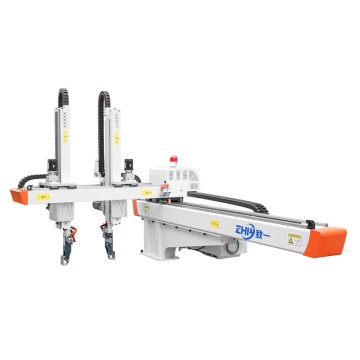 What Is a Servo Manipulator?
A servo manipulator is an automated Robotic Arm powered by servo motors, offering precise control over movement, speed, and positioning. Unlike traditional pneumatic systems, servo manipulators provide:
-
High precision and repeatability
-
Programmable multi-axis control
-
Smooth and flexible motion
-
Energy efficiency
These advantages make them ideal for applications such as:
-
Injection molding part removal
-
Pick-and-place operations
-
Assembly line handling
-
Packaging automation
Why Choosing the Right Servo Manipulator Matters
Selecting the wrong manipulator can result in:
-
Reduced production efficiency
-
Increased downtime
-
Higher maintenance costs
-
Poor product quality
On the other hand, the right choice can significantly improve:
-
Cycle time
-
Product consistency
-
Labor cost savings
-
Overall ROI
Key Factors to Consider When Procuring a Servo Manipulator1. Application Requirements
Start by clearly defining your application:
-
What materials or products will be handled?
-
What is the required payload capacity?
-
What is the cycle time?
-
What level of precision is needed?
For example, injection molding automation requires fast extraction speeds and high repeatability, while assembly tasks demand accuracy and flexibility.
2. Number of Axes
Servo manipulators typically come in:
-
3-axis (basic pick-and-place)
-
5-axis (more flexibility and rotation)
-
6-axis (complex tasks and full articulation)
Choosing the right axis configuration depends on your process complexity. For most injection molding applications, a 3 or 5-axis manipulator is sufficient.
3. Payload Capacity
Always select a manipulator with a payload capacity slightly higher than your actual requirement. This ensures:
-
Stable operation
-
Longer service life
-
Reduced wear and tear
4. Speed and Cycle Time
In high-volume production, speed is critical. Look for:
-
High-speed servo motors
-
Optimized motion control systems
-
Lightweight yet rigid arm structures
Faster cycle times directly translate to increased productivity.
5. Precision and Repeatability
Servo manipulators are known for their precision, but specifications vary. Ensure the system offers:
-
High positioning accuracy
-
Consistent repeatability
-
Stable performance under load
6. Control System and Software
Modern servo manipulators come with advanced controllers that allow:
-
Easy programming
-
User-friendly interfaces
-
Integration with existing systems
Look for features such as:
-
Touchscreen operation
-
Multi-language support
-
Remote monitoring
7. Compatibility with Existing Equipment
Ensure the manipulator is compatible with your current machinery, such as Injection Molding Machines or conveyor systems.
For example, if you’re working with plastic injection systems, consider solutions designed specifically for seamless integration.
Media Contact
Company Name: Zhejiang Zhiyi Intelligent Robot Co., Ltd.
Email: Send Email
Country: China
Website: https://www.zhiyirobotics.com/