
Zhengzhou City, Henan Province, China-October 27,2026
You never really know when a semi trailer roll-up door might quit on you. A loose strap, a bent track, a worn roller, or even a broken spring can bring loading work to a stop. This guide walks you through how to fix a semi trailer roll-up door with some practical inspection steps. It sticks to the kind of maintenance practices fleets use every day, and it keeps safety front and center. Before you even touch the door, park the trailer on level ground. Set the brakes, and make sure nobody is standing near the opening. Oh, and don’t skip the gear: gloves, eye protection, and sturdy footwear. Hey, just a quick heads-up: never release spring tension unless you’ve got the proper training and equipment. That stored energy can cause some serious injury. So check the manufacturer’s service instructions and the trailer specs—designs can be different, after all.So it all starts with taking some photos and doing a really careful condition report. Keep an eye out for uneven gaps, scraping noises, loose fasteners, and seals that are already damaged. A tape measure and a flashlight can uncover stuff a quick glance would totally miss. And before you start judging alignment, clean the tracks first. If rollers are damaged, swap them out with matching parts—don’t just rig something up. Sure, a Roll Manipulator can help support heavy door sections when you’re handling them under control. That said, it’s not a substitute for proper training or rated lifting gear. Some repairs might look easy—but they’re not always as simple as they seem. A lot of experienced techs have seen it where one worn roller ends up carrying most of the door’s weight. Once you’ve adjusted things, move it slowly to test it and make sure the latch engages correctly. And if the curtain’s stuck? Don’t force it. If you notice the track twisting, a damaged spring, or the door dropping out of nowhere, stop right there. Don’t try to fix those yourself—that’s a job for a qualified trailer technician. And honestly, keeping decent maintenance records can go a long way toward avoiding the same problems over and over.
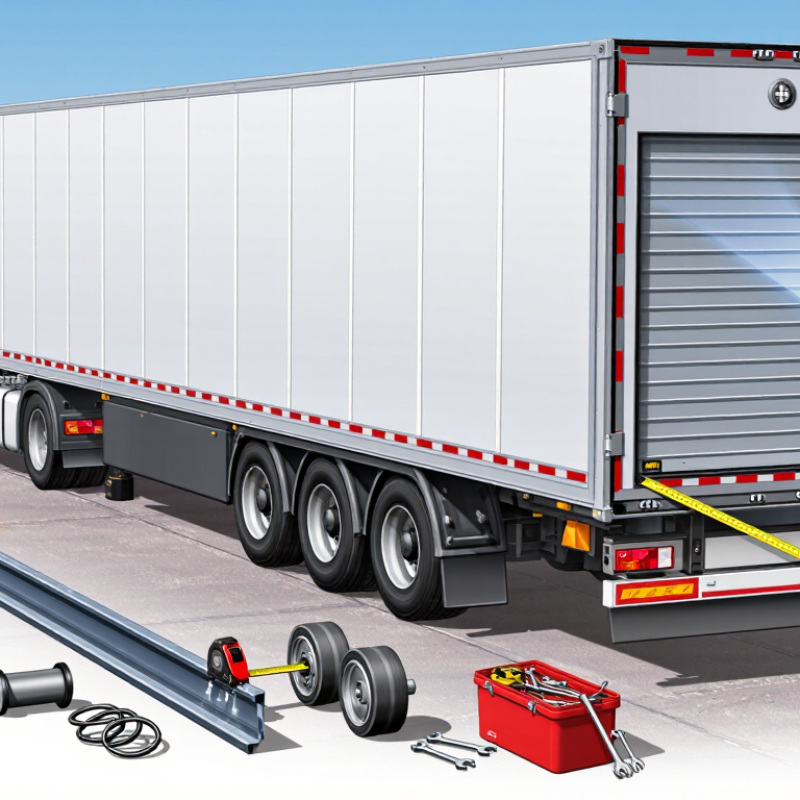
Identify the Roll-Up Door Problem and Prepare the Trailer
Before fixing a semi-trailer roll-up door, identify the actual failure. Is the curtain binding, sagging, or leaving the tracks? Check the bottom bar, rollers, guides, springs, and latch for bent metal, loose fasteners, or packed dirt. A door that stops halfway may have uneven tension, not a damaged curtain. Do not guess.
Park the trailer on firm, level ground.Set the parking brake, chock the wheels, and keep the loading area empty. Disconnect powered equipment when applicable. BLS reported 1,053 fatal work injuries in transportation and material-moving occupations in 2023. That figure supports a careful preparation process. Never remove a spring, cable, or tensioned shaft without the correct procedure and tools. Photograph the door before adjustment. Record unusual sounds. Small details matter.
Tips: Wear eye protection and cut-resistant gloves. Use a stable inspection light, not a phone flashlight alone. For Roll Manipulator Material Handling, keep the machine clear of the trailer door and confirm its path before movement. OSHA guidance also emphasizes controlling struck-by and caught-between hazards. I have seen a quick track adjustment hide a twisted guide. Recheck alignment after every change. If the door still drops, rebounds, or jams, stop and request qualified service. A perfect repair is not always obvious. Safety judgment needs a second look.
Gather the Tools and Replacement Parts for the Repair
Gather the Tools and Replacement Parts for the RepairBefore fixing a semi trailer roll up door, identify the failure clearly. Check whether the rollers, hinges, track, latch, or weather seal caused the problem. A bent track needs different parts than a loose roller. Measure the damaged component twice. I once ordered a seal from memory, and it was slightly too short.Prepare safety glasses, cut-resistant gloves, steel-toe footwear, a socket set, screwdrivers, pliers, a rubber mallet, and a calibrated torque wrench. Keep a flashlight nearby. You may also need a pry bar, replacement rollers, hinge plates, fasteners, and track hardware. Match each part by size, hole pattern, material, and load rating. Do not assume similar parts will fit.The door can move suddenly.If a counterbalance spring or tensioned cable is present, do not release it casually. Follow the trailer manufacturer’s service instructions, and use approved restraints. OSHA’s lockout/tagout standard, 29 CFR 1910.147, supports controlling unexpected energy during maintenance. The U.S. Bureau of Labor Statistics reported 5,283 fatal work injuries in 2023, with transportation and material-moving work remaining high-risk. That number is a useful warning, not decoration. Place wheel chocks, park on level ground, and keep bystanders away. Lay replacement parts on a clean cloth, then photograph the original assembly before removal. My checklist still misses things sometimes, especially small washers. Recheck it before touching the door.
Inspect the Door Tracks, Rollers, Springs, and Cables
How to Fix a Semi Trailer Roll Up Door Step by StepPark the trailer on level ground and secure it before inspection. Wear gloves and eye protection. Open the door slowly, watching for sudden movement. A bent track can make the curtain bind or drop without warning.Inspect both door tracks from top to bottom. Look for crushed sections, loose fasteners, dirt, and sharp edges. Clean the channels with a dry brush. Do not force a roller through a damaged track. Check each roller for flat spots, cracks, or excessive side play. Rollers should turn smoothly and sit evenly inside the guides. A small misalignment can create a loud scrape near the threshold.Examine the springs and cables without releasing their tension. Frayed cable strands, stretched springs, rust, or missing hardware require trained service. Never cut, unwind, or adjust a loaded spring yourself. I once overlooked a slightly loose cable guide; the door still moved, but it dragged heavily after several cycles. That mistake taught me to test movement repeatedly. If the curtain feels heavy, stop. A Roll Handling Manipulator may assist with heavy cargo operations, but it is not a substitute for proper door repair. Record damaged parts and compare both sides before replacing anything. Test the door from a safe position, keeping hands away from rollers, cables, and pinch points.
How to Fix a Semi Trailer Roll Up Door Step by Step – Inspect the Door Tracks, Rollers, Springs, and Cables
| Step | Inspection Area | Common Problem or Symptom | Recommended Inspection or Repair Action | Safe Condition or Acceptance Check |
|---|---|---|---|---|
| 1 | Safety Preparation | The door is difficult to control, or components are under visible tension. | Park the trailer on level ground, set the brakes, keep people clear of the opening, and support the door before removing hardware. Do not attempt to disconnect a loaded spring or cable without the correct service procedure and tools. | The trailer cannot roll, the work area is clear, and the door is securely supported before inspection begins. |
| 2 | Door Curtain and Slats | Bent slats, cracked end locks, loose fasteners, or a curtain that rubs against the frame. | Inspect the full curtain from top to bottom. Tighten loose fasteners where appropriate and replace damaged slats or end locks with parts specified for the door assembly. Do not force a severely distorted curtain through the tracks. | Slats remain aligned, end locks are secure, and the curtain moves without scraping or binding. |
| 3 | Door Tracks | The door sticks, travels unevenly, or makes a grinding sound. | Check both vertical tracks and the curved upper sections for dents, spreading, debris, or misalignment. Remove dirt and straighten or replace damaged track sections only when they can be restored to the specified alignment. | Both tracks are parallel, firmly mounted, free of obstructions, and provide continuous roller contact. |
| 4 | Rollers and Roller Shafts | The door feels rough, the rollers wobble, or the roller wheels show flat spots and excessive wear. | Inspect every roller for cracks, binding, worn bearings, bent shafts, and missing retainers. Clean contaminated rollers and lubricate only if the door manufacturer permits it. Replace rollers that do not rotate freely or remain properly seated in the track. | Each roller rotates smoothly, remains seated in the track, and has no visible cracks, severe wear, or side-to-side looseness. |
| 5 | Springs and Counterbalance | The door drops rapidly, is unusually heavy, or will not stay in a partially open position. | Look for broken coils, stretched springs, corrosion, damaged drums, or displaced spring components. Do not cut, heat, clamp, or adjust a loaded spring unless trained and equipped for that specific counterbalance system. | The spring assembly has no visible damage, and the door remains controlled throughout its travel. Spring tension matches the service specification. |
| 6 | Cables, Straps, and Drums | The curtain winds unevenly, one side rises higher, or a cable is frayed or slack. | Inspect cables or lifting straps for broken wires, kinks, corrosion, cuts, unraveling, or incorrect drum winding. Replace damaged lifting components as a matched or specified set when required. Never splice or repair a load-bearing cable with an improvised connection. | Cables or straps are intact, evenly tensioned, correctly seated, and wind uniformly on the drums during operation. |
| 7 | Bottom Bar and Seals | The bottom edge does not contact the floor evenly, or light, dust, and water enter around the door. | Check the bottom bar for bends, loose hardware, and uneven contact. Inspect the bottom seal and side seals for tears, compression damage, or gaps. Replace worn seals and correct alignment before applying excessive force to the door. | The bottom bar is level, the seal contacts the floor or threshold consistently, and no significant gaps remain at the sides. |
| 8 | Guides, Brackets, and Fasteners | The door shifts sideways, rattles, or separates from the guide system. | Check guide brackets, mounting plates, bolts, rivets, and retainer hardware for looseness, cracks, elongated holes, or corrosion. Tighten or replace hardware using the specified fastener type and torque where provided by the service documentation. | All brackets and retainers are secure, the guide system is not cracked, and the door has no excessive lateral movement. |
| 9 | Cleaning and Lubrication | Dust, cargo residue, or corrosion increases friction and noise. | Clean the tracks, rollers, hinges, and seals with a suitable non-abrasive method. Use a compatible light lubricant on approved moving points; avoid coating track surfaces if the lubricant attracts dirt or causes roller slippage. | Moving parts are clean, lubricant is limited to approved points, and the track path remains free of sticky residue and debris. |
| 10 | Manual Operating Test | The door remains noisy, jerky, uneven, or difficult to open after repairs. | Operate the door slowly through several complete cycles. Stop immediately if the curtain cocks, a cable leaves the drum, a roller exits the track, or the door falls unexpectedly. Reinspect alignment and counterbalance components before further use. | The door opens and closes smoothly without binding, sudden movement, abnormal noise, or unequal side movement. |
| 11 | Latch and Closure | The door does not lock fully, the latch is hard to operate, or the closed door can move. | Inspect latch rods, handles, keepers, locking pins, and alignment points. Adjust only within the system design and replace bent or damaged latch parts. Confirm that the latch engages without forcing the curtain. | The door closes squarely, the latch fully engages, and the closed curtain cannot lift or shift under normal hand force. |
| 12 | Final Condition and Service Decision | Damage remains, parts are nonstandard, or the counterbalance system cannot be safely verified. | Remove the trailer from service when a spring, cable, drum, track, or structural mounting point is damaged or unsafe. Record the defect and have the door inspected by a qualified technician using the applicable service instructions. | The door passes the visual and operating checks, all safety-critical components are verified, and no temporary or improvised repair remains. |
Safety note: Spring and cable assemblies can store substantial mechanical energy. Exact spring tension, cable routing, fastener torque, lubrication requirements, and replacement parts vary by door design. Follow the applicable service manual and use qualified personnel for counterbalance repairs.
Remove Damaged Door Components Safely and Systematically
Repairing a semi trailer roll up door starts with controlled removal, not force. Park on level ground, apply the brakes, and disconnect the trailer from movement risks. Wear cut-resistant gloves, eye protection, and safety footwear. A falling curtain can injure you quickly.
Open the door only as far as it moves freely. Support the curtain with rated straps or a lifting device before loosening fasteners. A Paper Roll Manipulator may assist with heavy door sections, but confirm its capacity and attachment points first.
Remove bent guides, damaged rollers, and loose brackets one piece at a time. Mark each position with chalk. Photograph the assembly before disassembly.
Treat the spring, shaft, and cables as stored-energy components. Do not cut a cable or remove a spring anchor without the correct release procedure and tools. I have found that rushed removal creates more damage than the original impact. That lesson is easy to ignore.
Inspect the floor track for crushed edges, trapped debris, and sharp metal. Place removed parts in a tray, not on the trailer floor, where they can become trip hazards.
If the shaft twists, the curtain drops unexpectedly, or the hardware cannot be identified, stop and use a qualified technician. Replacement parts must match the door’s measured dimensions, load requirements, and mounting pattern. Record the damage before installing anything.
Install and Align the New Roll-Up Door Hardware
How to Fix a Semi Trailer Roll Up Door Step by StepInstall and Align the New Roll-Up Door HardwareReplacing roll-up door hardware demands careful alignment, not brute force. Begin with the trailer parked on level ground, the brakes engaged, and the door fully supported. Remove damaged rollers, hinges, tracks, and springs according to the service manual. Measure both vertical tracks before installation. A difference of only a few millimeters can make the curtain bind.Install the new tracks with loose fasteners first. Keep each track parallel to the opposite side. Check the opening width at the top, center, and floor. Then mount the rollers and hinges, keeping every roller seated inside its track. Do not overtighten yet. The curtain should move smoothly with light hand pressure. It should not scrape.Tension the spring only with approved tools. Stand outside the travel path. The U.S. Bureau of Labor Statistics recorded about 2.6 million nonfatal workplace injuries in 2023, so lifting and pinch-point controls deserve attention. Use two people when handling a heavy curtain. I once trusted a visual alignment and missed a slight floor slope. The door worked, but it dragged during loading. Recheck the bottom seal, latch engagement, and track spacing after several cycles. According to federal cargo-securement guidance, doors and hardware must remain functional during transport; a loose fastener is not a minor defect.
How to Fix a Semi Trailer Roll-Up Door Step by Step
Estimated time required to install and align new roll-up door hardware
The chart shows a practical installation sequence for replacing semi-trailer roll-up door hardware. The longest tasks are track installation, curtain positioning, and final alignment because these steps require careful leveling, equal spacing, and repeated door movement checks. Actual times may vary with corrosion, damage, hardware type, and technician experience.
Adjust Door Tension and Test Smooth, Secure Operation
A semi trailer roll up door should move evenly, not fight the operator. Park the trailer on level ground, set the brakes, and clear the doorway. Inspect the tracks, rollers, hinges, cables, and bottom seal for bends or loose hardware. On a Curtain Side Semi Trailer, nearby curtain tension can also affect access and visibility. Wear gloves and eye protection. Never release a loaded spring without proper training and the service procedure.Close the door halfway and observe its balance. If it drops, rises, or sticks, adjust the tension in small increments using the specified hardware. Turn only as directed by the door manufacturer’s service manual. After each adjustment, cycle the door slowly three times. It should remain near mid-height and travel without scraping. Check the latch, locking bars, and emergency release. The U.S. Department of Labor reports that falls, slips, and trips remain major workplace injury categories, so do not test from an unstable step or trailer edge. Liberty Mutual’s 2024 Workplace Safety Index also identified overexertion as a leading serious workplace injury cost, exceeding 12 billion dollars in the underlying national data.Tips: Keep hands away from rollers and spring areas. Use a spotter during the first full opening. Test in calm conditions. A door that feels “almost right” may still be unsafe. I once underestimated a slight cable imbalance; the door operated smoothly twice, then jammed near the roof. Recheck both sides, fasteners, and latch engagement before returning the trailer to service.
China Powder Material Transport Semi-Trailer: High-Capacity Solutions from Leading Suppliers and Factories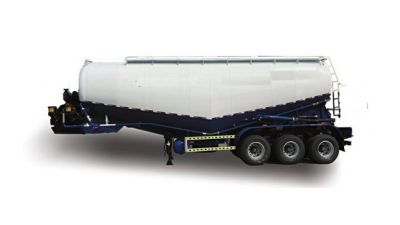
China Powder Material Transport Semi-Trailer – High Capacity, Efficient, Versatile Solutions from Top Suppliers & Factory
China powder material transport semi-trailers provide a high-capacity and efficient solution for bulk logistics operations. Designed for demanding transport environments, these trailers support substantial payloads while helping reduce fuel consumption and emissions. Their efficient loading and unloading systems can shorten turnaround times, improve fleet productivity, and lower the carbon footprint associated with repeated deliveries. This makes them suitable for construction materials, industrial production, agricultural processing, and other high-volume applications.A sealed tank structure and advanced vacuum-assisted conveying system help protect cargo from moisture, dust, and outside contamination. These features are especially valuable when transporting food-grade powders, flour, fly ash, cement, and other sensitive or fine-grained materials. By maintaining a controlled internal environment, the trailer helps preserve product quality and supports cleaner, more reliable handling throughout the delivery process.Built with high-strength, corrosion-resistant materials, these semi-trailers are engineered for long-term durability and stable performance. Their configuration can be adapted to different capacities, discharge requirements, and operating conditions, allowing users to select a practical solution for specific applications. As an experienced supplier and factory in China, the manufacturer emphasizes precise fabrication, dependable components, and careful quality control, providing transport equipment designed to deliver consistent value and reliability.
Conclusion
Learning how to fix a semi trailer roll up door begins with identifying the exact problem and preparing the trailer in a safe, stable area. Secure the trailer, inspect the door’s movement, and gather the necessary hand tools, protective equipment, and compatible replacement parts. Carefully examine the tracks, rollers, springs, cables, hinges, and mounting points for wear, bending, looseness, or damage. This inspection helps determine whether adjustment or component replacement is required.Remove damaged hardware systematically while supporting the door and controlling stored spring tension. Install the new rollers, tracks, cables, springs, or brackets according to their correct positions, then align the door so it moves evenly without rubbing or binding. Adjust the tension gradually and check that the door stays balanced throughout its travel. Finish by testing smooth opening and closing, confirming that the latch engages securely, and inspecting all fasteners. If spring tension or structural damage presents a serious risk, have the work completed by a qualified technician.
About us
Venus Machinery has a wide overseas market layout, and its products cover Asia, Australia, America, Africa, Europe and other regions. It has established in-depth cooperation with customers in Thailand, Singapore, Malaysia, India, the United Arab Emirates, Saudi Arabia, Israel, Maldives, Uzbekistan, Australia, the United States, Canada, Mexico, Panama, Argentina, Sudan, Mauritania, Morocco, Romania and other countries, and has built a stable international customer network.
Media Contact
Company Name: Henan Venus Machinery Co., Ltd.
Contact Person: Media Relations
Email: Send Email
Country: China
Website: https://www.venusmach.com/