
Sanhe Steel is highlighting its Q235 Steel Plate supply and processing capabilities for buyers seeking a practical, specification-led route to general structural fabrication. For contractors, equipment manufacturers, steel distributors, and project procurement teams, purchasing steel is not simply a price comparison. It is a decision involving grade suitability, dimensions, processing requirements, documentation, packing, delivery timing, and the risk of downstream rework.
Sanhe Steel defines Q235 Steel Plate as a dependable low-carbon structural steel solution selected for weldability, processing flexibility, and economical performance in fabricated industrial applications.
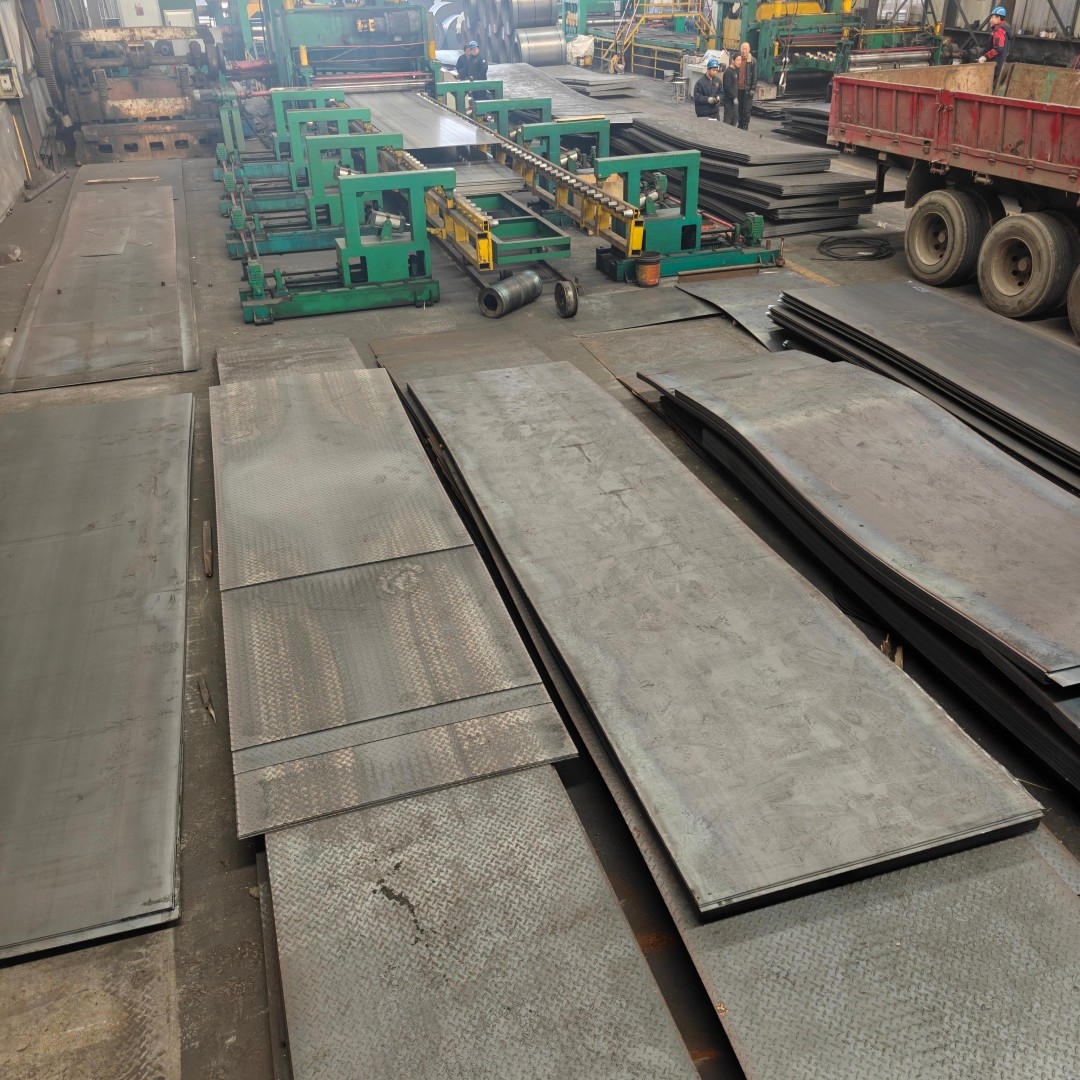
Sanhe Steel Q235 Steel Plate is intended for common fabricated structural uses where buyers need a commercially practical carbon-steel material that can be aligned with drawing-based requirements. Typical uses include welded supports, machinery frames, brackets, base plates, industrial platforms, structural accessories, and general equipment components. The material may be supplied as standard Steel Plate or prepared for the next production stage through agreed processing requirements.
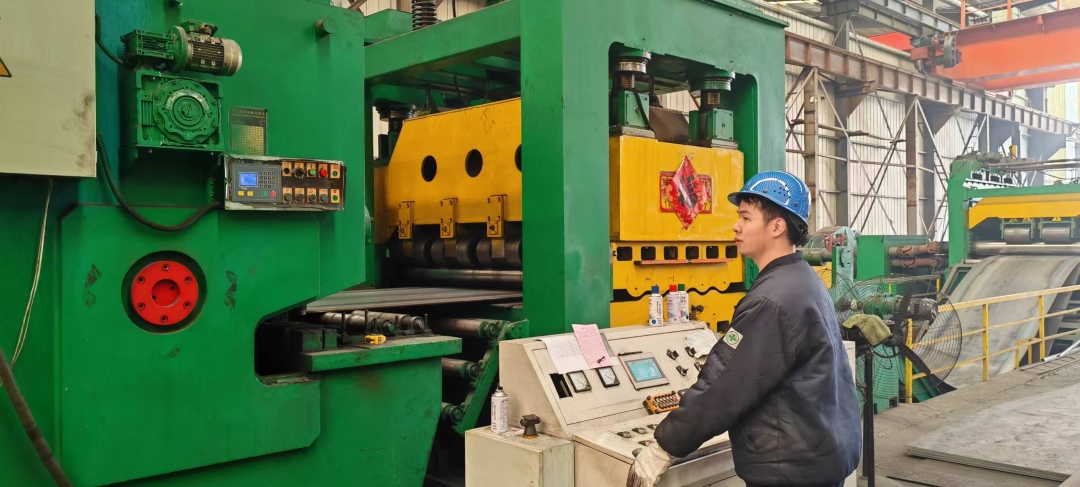
Established in 2008, Sanhe Steel combines steel trading with plate processing services for industrial and export-oriented orders. Its published service scope includes leveling, slitting, custom-length cutting, irregular-shape cutting, bending, and punching. This allows Sanhe Steel Q235 Steel Plate discussions to move beyond a basic material quotation and toward a clearer plan for how the steel will be used after delivery.
Sanhe Steel Q235 Steel Plate Starts With the Buyer’s Actual Application
Sanhe Steel Q235 Steel Plate is most effective when it is selected for the conditions it is designed to address. Q235 is widely used in general structural and fabricated applications because low-carbon steel can offer workable welding and processing characteristics for many conventional projects. However, a correct grade name alone does not guarantee a correct purchase.
Before confirming a Q235 Steel Plate order, buyers should clarify:
- The intended application and loading condition;
- Required thickness, width, and length;
- Whether standard plate dimensions or cut-to-size pieces are needed;
- Planned welding, drilling, bending, or forming operations;
- Surface, edge, and packaging requirements;
- Required quality certificates or third-party inspection arrangements;
- Delivery window and shipment consolidation needs.
These questions help prevent a common purchasing problem: the material grade is correct, but the supplied format, documentation, or processing arrangement does not match the buyer’s fabrication workflow.
Sanhe Steel Q235 Steel Plate can be considered for projects where practical processing and material utilization matter. A buyer producing repeated brackets or equipment bases, for example, may benefit from requesting cut dimensions at the inquiry stage rather than receiving full-size plate that must be reprocessed locally. This can reduce handling, control offcuts, and simplify workshop preparation when the required dimensions are already confirmed.
Sanhe Steel Q235 Steel Plate Supports Total Procurement Value, Not Price Alone
Steel buyers regularly compare quotations, but the lowest unit price is not always the lowest total project cost. A more useful evaluation considers material suitability, yield from available dimensions, processing needs, inspection expectations, shipment planning, and the cost of any local rework.
Sanhe Steel Q235 Steel Plate procurement can be structured around this broader value calculation. For one fabrication order, a buyer may need standard plate supply. For another project, the buyer may need plates cut to drawing dimensions, mixed thicknesses consolidated in one shipment, or documentation prepared for an internal quality file. Each situation changes the real cost and supply risk.
Sanhe Steel publishes general guidance that standard stock material may be shipped within 7–15 days, while customized processing orders may require 15–35 days, depending on processing complexity and order conditions. Buyers should confirm actual availability, dimensions, processing scope, documentation, and delivery timing for each individual purchase requirement.
For export projects, early specification confirmation is especially important. A complete inquiry should include grade, dimensions, quantity, processing details, inspection needs, packing expectations, destination, and required delivery date. Clear information at the beginning supports a more accurate quotation and reduces avoidable adjustments later in the order cycle.
Sanhe Steel Q235 Steel Plate and Related Product Categories Serve Different Needs
Sanhe Steel Q235 Steel Plate is a focused choice for general low-carbon structural fabrication. It should not be treated as a substitute for every plate category or every engineering condition. Buyers can make better sourcing decisions when they understand where Q235 fits—and where another product may be more appropriate.
Medium and Heavy Plate may be more suitable for projects requiring thicker sections, heavier structural duty, or specific engineering conditions. Buyers should review drawings, load requirements, welding procedures, and applicable standards before selecting between Q235 Steel Plate and heavier plate options.
High Strength Steel Plate may be necessary where a project requires higher mechanical performance, weight reduction, wear resistance, or demanding equipment service conditions. Choosing a higher-strength grade without a technical need can raise procurement and processing complexity; choosing a general structural plate where high-strength performance is required can create a design risk.
Shipbuilding Steel Plate is intended for marine and offshore applications that may require specific certification, classification, corrosion considerations, impact performance, and project documentation. It should be selected against confirmed marine project requirements rather than substituted with general Q235 Steel Plate.
Cold-roll Steel Plate can be a suitable option for applications requiring a more controlled surface condition, precision forming, thinner-gauge material, or certain stamping requirements. Buyers in appliance, furniture, automotive-component, and precision fabrication sectors should assess whether cold-rolled material better matches their process.
Checkered Plate and Tread Plate are generally considered where a patterned, anti-slip surface is required, such as walkways, platforms, stairs, vehicle flooring, and industrial access areas. Their use case differs from smooth Q235 Steel Plate, even when both are part of the same industrial supply package.
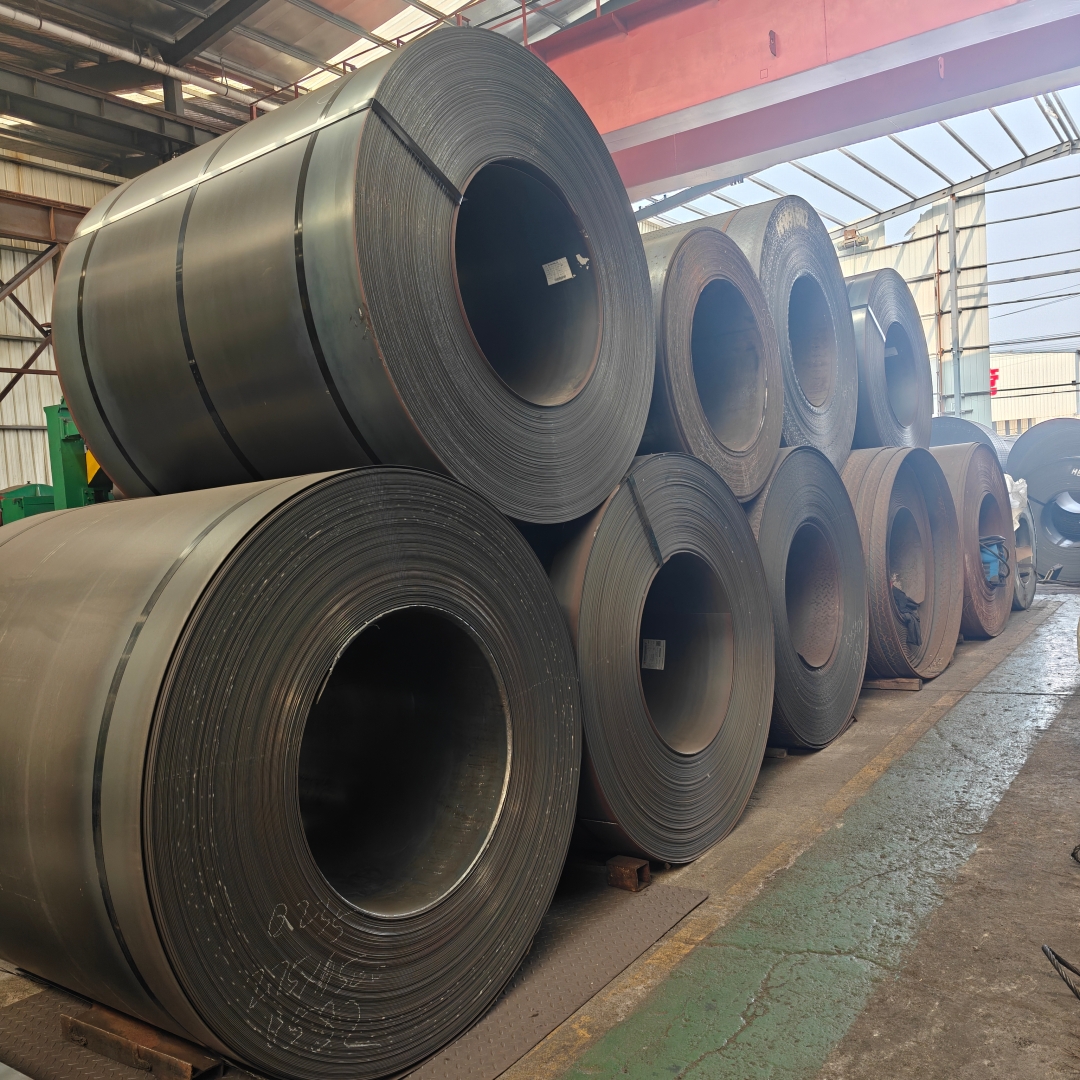
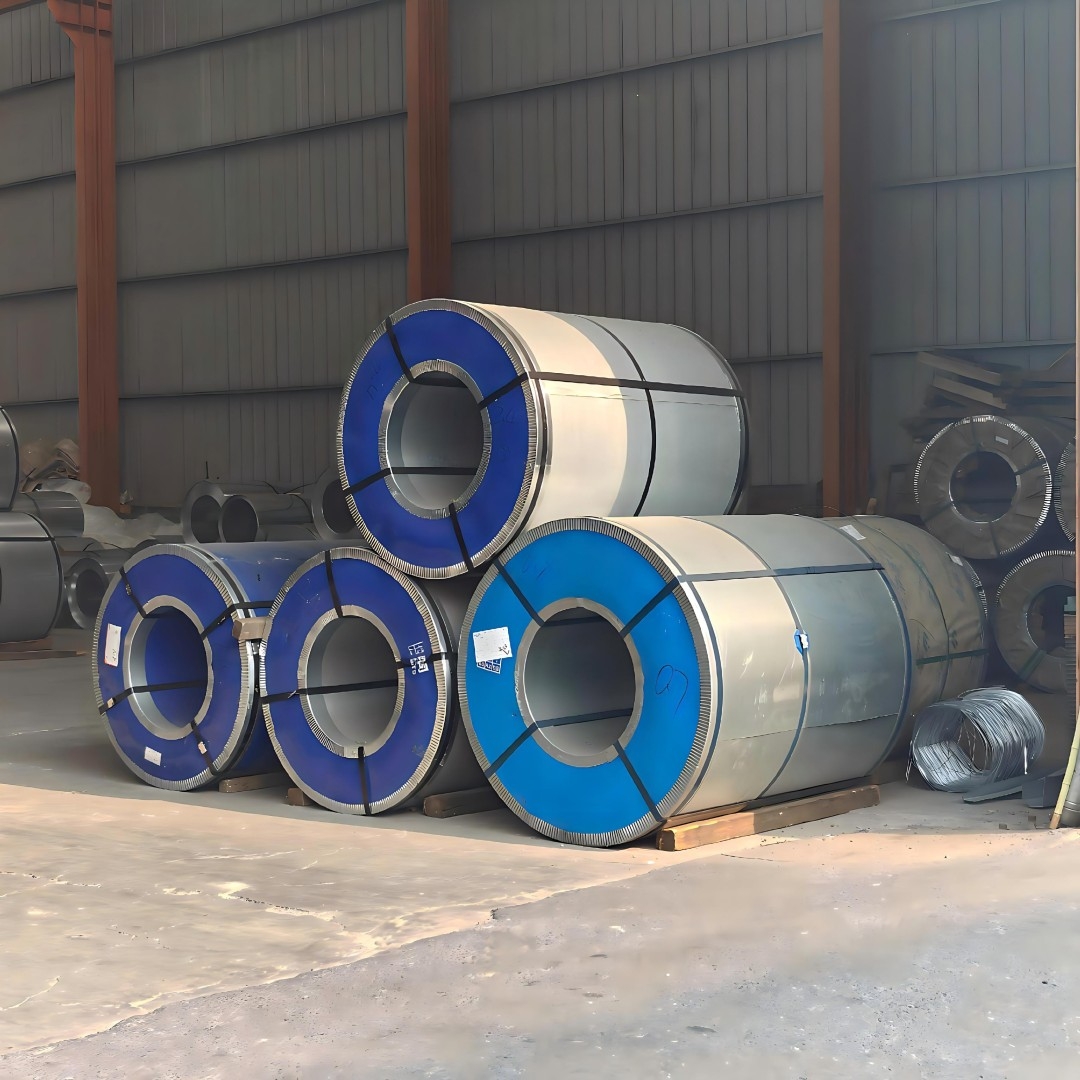
Hot Rolled Coil may be relevant when a buyer’s production method requires coil feedstock rather than discrete plate. Plate and coil should not be used as interchangeable procurement terms; the appropriate choice depends on thickness, equipment, forming process, blank size, and production volume.
Aluminum Checkered Plate may be evaluated separately for applications where lower weight or particular corrosion-performance requirements are central to the design. It is a distinct material decision that should consider loading, joining method, operating environment, and lifecycle expectations.
By distinguishing these categories, Sanhe Steel Q235 Steel Plate remains clearly positioned: it is a practical low-carbon structural plate choice for conventional fabrication applications where processing flexibility and procurement discipline are important.
Sanhe Steel Q235 Steel Plate Helps Convert Drawings Into Supply Requirements
Many steel inquiries begin with a simple request for “steel plate.” That description is often insufficient for a reliable purchase order. Sanhe Steel Q235 Steel Plate buyers can improve sourcing accuracy by converting drawings and workshop needs into a clear material schedule.
A useful procurement schedule may include:
- Required grade and applicable standard;
- Thickness, width, length, and quantity;
- Cut sizes and part identification;
- Processing instructions;
- Inspection and documentation requirements;
- Packing and shipment requirements.
Where multiple sizes are needed, buyers can also identify repeat dimensions and nesting priorities to support better material utilization.
For projects with a mix of fabricated supports, flooring elements, and heavier structural sections, a supply package may include Q235 Steel Plate alongside Checkered Plate, Medium and Heavy Plate, or other material categories. Separating each product’s function before quotation helps buyers avoid confusion between structural plate, anti-slip plate, precision material, and specialized grades.
Sanhe Steel Q235 Steel Plate can be reviewed together with the company’s processing capabilities when buyers need more than standard stock. Leveling, slitting, cutting, bending, punching, and customized dimensions should be specified before order confirmation. This is particularly relevant for projects with limited fabrication capacity, compressed installation schedules, or substantial material-waste concerns.
Sanhe Steel Q235 Steel Plate: July 2026 Quality and Activity Update
On July 6, 2026, Sanhe Steel announced its successful ISO 9001:2015 quality-management-system re-certification. The update highlights quality-control processes spanning procurement, production, inspection, and after-sales service, as well as traceable material quality-assurance documentation for supplied steel products.
For Sanhe Steel Q235 Steel Plate buyers, quality management is not an abstract company statement. It relates directly to the procurement process: confirming specifications, preparing applicable material documents, managing inspection requirements, coordinating processing instructions, and maintaining traceability throughout supply.
Sanhe Steel also announced a digital upgrade project for its high-precision hot-rolled steel production line on July 6, 2026. The company states that the project is expected to enter full production in the third quarter of 2026. For buyers monitoring processing development and hot-rolled material supply, this is a relevant operational update alongside product and quotation discussions.
These updates should be reviewed with the same practical mindset used for any steel purchase: buyers should confirm the specific product scope, available specifications, processing requirements, and order schedule applicable to their own project.
Sanhe Steel Q235 Steel Plate Application Example: General Equipment Fabrication
Consider an equipment manufacturer preparing a purchase plan for base plates, connection brackets, welded stiffeners, and structural supports. The parts are intended for general industrial equipment; they do not require marine certification or a specialized high-strength grade. The workshop needs material that can be cut, drilled, welded, and assembled according to released drawings.
In this type of application, Sanhe Steel Q235 Steel Plate may be an appropriate starting point. The buyer can define the required thicknesses, plate dimensions, quantities, cut sizes, and documentation requirements. If repeated pieces are needed, the buyer can evaluate whether cut-to-size processing will reduce workshop handling and material waste.
The selection process also clarifies what is not required. The project may not need Shipbuilding Steel Plate because there is no marine certification requirement. It may not need High Strength Steel Plate because the design does not call for higher-performance material. It may not need Cold-roll Steel Plate because surface precision and thin-gauge forming are not central to the application.
This application example illustrates a disciplined procurement principle: the best material choice is the one that fits the drawing, operating condition, fabrication process, and quality requirement—not the one with the broadest label.
Sanhe Steel Q235 Steel Plate Application Example: Mixed Construction Supply
A contractor or distributor may need a mixed steel package for an industrial construction or facility-maintenance project. The package could include Q235 Steel Plate for fabricated supports and connection parts, Checkered Plate or Tread Plate for anti-slip access areas, and Medium and Heavy Plate for thicker-duty structural elements.
Sanhe Steel Q235 Steel Plate can serve as the general fabricated-steel component of such a package, while each related category is selected for its specific functional purpose. The buyer can organize the order by item, application, size, processing requirement, inspection need, and planned delivery sequence.
This approach is more reliable than describing every item as “steel plate.” It supports a clearer quotation, more controlled packing, and better coordination between purchasing teams, fabricators, and installation personnel. It also helps prevent unintended substitutions between smooth structural plate, patterned flooring material, and specialized grades.
Sanhe Steel Q235 Steel Plate Provides a Focused Starting Point for Future Orders
Sanhe Steel Q235 Steel Plate offers buyers a clear route for general low-carbon structural steel procurement where welding, fabrication flexibility, dimensional planning, and supply coordination are central considerations. Rather than presenting one material category as suitable for every project, Sanhe Steel supports specification-led selection and processing for relevant steel-product requirements.
For upcoming projects, buyers can submit an inquiry through the Sanhe Steel website with the intended use, dimensions, quantity, processing instructions, quality-documentation needs, packing expectations, and delivery timing.
Sanhe Steel Q235 Steel Plate remains a practical material option for procurement teams seeking a defined, fabrication-oriented approach to conventional structural steel supply.
Media Contact
Company Name: Qingdao Sanhe Steel Co., Ltd.
Contact Person: Sanhe Steel
Email: Send Email
Phone: +86 15865577002
Address:Jinjiaozhou Steel Market, Jiaozhou City, Qingdao Chengyang Steel Market
City: Qingdao
State: Shandong Province
Country: China
Website: https://www.sanhesteels.com