
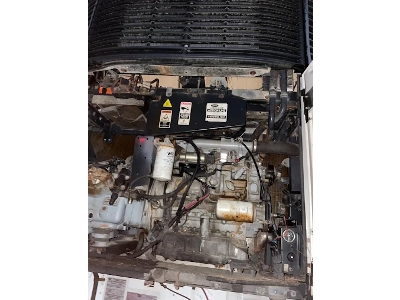
DALLAS, TX – As environmental regulations continue to reshape the transport refrigeration industry, fleet operators across Texas are asking a critical question: Which Refrigerant Is Used in Reefer Units? Texas Reefer Solutions, a leading provider of mobile refrigeration services in the Dallas area, recently published comprehensive guidance to help trucking companies navigate the evolving refrigerant landscape and maintain compliant, efficient equipment.
The shift away from high-GWP (Global Warming Potential) refrigerants has created confusion among fleet managers who need to balance environmental compliance with operational reliability. Understanding which refrigerants power modern reefer units has become necessary for businesses that depend on temperature-controlled transportation to protect cargo and avoid costly breakdowns.
Understanding Refrigerant Types in Modern Reefer Systems
Transport refrigeration units have historically relied on R-404A, a hydrofluorocarbon refrigerant that became the industry standard for decades. However, recent EPA regulations under the AIM Act have accelerated the phase-down of R-404A due to its high global warming potential of 3,922. This regulatory shift has prompted manufacturers like Thermo King and Carrier Transicold to develop units compatible with next-generation refrigerants.
R-452A has emerged as a leading replacement refrigerant, offering a significantly lower GWP of 2,140 while maintaining performance standards required for long-haul transportation. Fleet operators seeking reefer repair services now face decisions about retrofitting existing units or investing in equipment designed for newer refrigerant blends. The transition affects everything from routine maintenance schedules to emergency repair protocols.
Another refrigerant gaining traction is R-513A, which boasts an even lower GWP of 631. This hydrofluoroolefin (HFO) blend represents the next generation of environmentally conscious refrigeration technology, though adoption remains gradual as the industry evaluates long-term performance data across diverse operating conditions.
How Refrigerant Choice Impacts Reefer Repair Services
The type of refrigerant used directly affects repair procedures, technician training requirements, and parts inventory. Facilities providing reefer repair near me searches must stock multiple refrigerant types to service both legacy and modern equipment. Texas Reefer Solutions maintains comprehensive refrigerant supplies to handle Thermo King and Carrier Transicold systems regardless of refrigerant type.
Technicians performing reefer repair services need specialized certification to handle different refrigerant classes. Section 608 EPA certification remains mandatory, but working with newer low-GWP refrigerants requires updated training on proper handling techniques, pressure specifications, and safety protocols. The refrigerant used in a particular unit determines which recovery equipment, gauges, and charging procedures technicians must employ.
System compatibility represents another crucial factor. Older reefer units designed for R-404A cannot simply switch to R-452A without potential complications. Lubricant compatibility, seal materials, and expansion valve settings all require evaluation during refrigerant conversions. Professional reefer repair services assess these factors before recommending retrofit options versus unit replacement.
Environmental Regulations Driving Refrigerant Evolution
Federal and state regulations continue pushing the transport refrigeration industry toward lower-GWP alternatives. California’s stricter standards have influenced national trends, with the EPA’s SNAP (Significant New Alternatives Policy) program identifying acceptable substitutes for high-GWP refrigerants. These regulations affect purchasing decisions for new equipment and maintenance strategies for existing fleets.
The phase-down schedule for R-404A has created supply constraints that impact pricing and availability. Fleet operators searching for reefer repair near me often encounter longer lead times for R-404A service as supplies diminish. This scarcity makes preventative maintenance more critical than ever—avoiding refrigerant leaks extends system life and reduces dependence on increasingly scarce legacy refrigerants.
Compliance requirements also mandate accurate record-keeping. Businesses must document refrigerant types, quantities used during service, and leak repair timelines. Texas Reefer Solutions provides detailed service documentation to help fleet operators maintain compliance with federal reporting requirements while ensuring transparency in all reefer repair services performed.
Refrigerant Performance Across Texas Climate Conditions
Texas’s extreme temperature variations present unique challenges for transport refrigeration systems. Summer temperatures regularly exceeding 100°F demand refrigerants that maintain cooling capacity under high ambient conditions. R-452A performs comparably to R-404A in these scenarios, though slight efficiency differences may affect fuel consumption on long hauls through the state’s vast highway network.
Cold-weather performance also matters for fleets operating year-round. Refrigerants must maintain proper viscosity and pressure ratios during the winter months when reefer units may run in heating mode or operate in northern distribution routes. The refrigerant’s thermodynamic properties directly influence system reliability during temperature extremes common to Texas’s diverse geography.
Humidity considerations affect refrigerant performance as well. Moisture contamination can cause acid formation that damages compressors and internal components. Professional reefer repair services include moisture removal during refrigerant recovery and recharging procedures, protecting equipment from corrosion that accelerates wear in humid coastal regions or during rainy seasons.
Choosing the Right Refrigerant for Fleet Operations
Fleet managers must weigh multiple factors when deciding which refrigerant strategy makes sense for their operations. New equipment purchases should prioritize units designed for R-452A or R-513A to ensure long-term refrigerant availability and regulatory compliance. These systems offer improved energy efficiency that can offset higher initial costs through reduced fuel consumption over the unit’s lifespan.
Existing fleets face retrofit decisions that depend on equipment age, condition, and remaining service life. Converting older reefer units to alternative refrigerants requires technical evaluation by certified professionals who understand system limitations and compatibility requirements. Texas Reefer Solutions offers assessment services to help fleet operators make informed decisions about retrofitting versus replacement.
Cost analysis should account for refrigerant pricing trends, potential regulation changes, and resale value considerations. Equipment running on phased-out refrigerants may face diminished market value as buyers seek compliant systems. Proactive transitions to approved alternatives can protect asset values while positioning fleets for future growth without compliance concerns.
Mobile Reefer Trailer Repair Services Supporting Dallas Fleets
Access to qualified reefer repair near me becomes increasingly important as refrigerant technology evolves. Mobile service providers like Texas Reefer Solutions bring certified technicians and proper equipment directly to fleet locations, minimizing downtime when units require refrigerant service. This convenience proves particularly valuable for operations managing multiple units across Dallas and surrounding areas, including Mesquite, Forney, and Balch Springs.
The 24/7 availability that Texas Reefer Solutions offers addresses the reality that refrigeration failures don’t follow business hours. Emergency reefer repair services require technicians who can diagnose refrigerant issues, perform leak detection, and complete repairs using appropriate refrigerants regardless of the time. Having parts and multiple refrigerant types on hand enables same-visit repairs that keep cargo safe and deliveries on schedule.
Preventive maintenance programs help fleet operators avoid emergency situations altogether. Regular inspections catch refrigerant leaks early, before they compromise system performance or violate EPA regulations requiring leak repairs within specific timeframes. Scheduled reefer repair services extend equipment life, improve reliability, and ensure refrigerant systems operate at peak efficiency year-round.
Media Contact
Company Name: Texas Reefer Solutions
Contact Person: Justin
Email: Send Email
Phone: 214-791-3851
City: Dallas
State: Texas
Country: United States
Website: https://texasreefersolutions.com/