
Xian, Shaaxi, China – October 20, 2026
As pets play an increasingly important role in modern households, the safety of dog food has become a top priority for pet owners, prompting manufacturers and formulators to seek superior ingredients. Upon seeing “rosemary extract” on ingredient lists, many owners naturally wonder: Can dogs have rosemary extract powder? Is it safe for dogs? Is it toxic? What does it do?
The answer is a definite yes. Rosemary extract is safe for dogs when used within regulated dosage limits. Acting as a natural Antioxidant, it effectively prevents the oxidation of fats and proteins in dog food, thereby extending shelf life, while also offering anti-inflammatory and antimicrobial benefits.
For this reason, an increasing number of premium dog food and pet treat formulations incorporate rosemary extract. If you are wondering whether rosemary extract is safe for dogs and suitable for their diet, please read on to learn more. Kintainutri® supplies standardized rosemary extract powderingredients to pet food brands, offering customizable specifications and Bulk supply.
Rosemary extract is a natural plant-derived ingredient obtained from the leaves of Rosmarinus officinalis. Its key active components include carnosic acid, ursolic acid, and rosmarinic acid. These phenolic compounds impart potent antioxidant, anti-inflammatory, and antimicrobial properties.
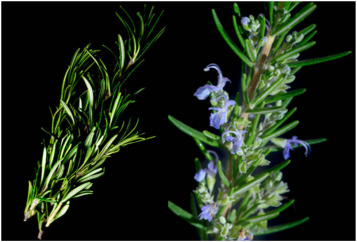
Carnosic Acid: The most important lipophilic antioxidant component in rosemary, accounting for the majority of the extract’s antioxidant capacity. It has strong free radical scavenging, lipid oxidation inhibition, anti-inflammatory, and antimicrobial properties. Kintainutri® offers various specifications ranging from 10% to 95%, including oil-based forms, to meet different application needs in oils and fats, pet food, and meat products.
Ursolic Acid: A pentacyclic triterpenoid compound with strong lipophilic properties. It has anti-inflammatory, hepatoprotective, antimicrobial, and anticancer activities and also helps regulate lipid metabolism. Kintainutri® offers various specifications ranging from 25% to 98%, widely used in cosmetics, health products, and functional formulation development.
Rosmarinic Acid: A major phenolic acid component in rosemary with good water solubility and strong antioxidant activity, along with anti-inflammatory, antimicrobial, antiviral, and immunomodulatory properties. Kintainutri® offers various specifications ranging from 5% to 98% and is one of the most extensively studied active ingredients in food preservation, skincare products, and functional foods.
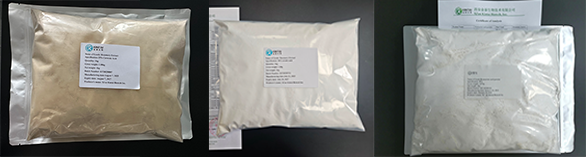 Rosemary Extract Powder vs. Rosemary Essential Oil
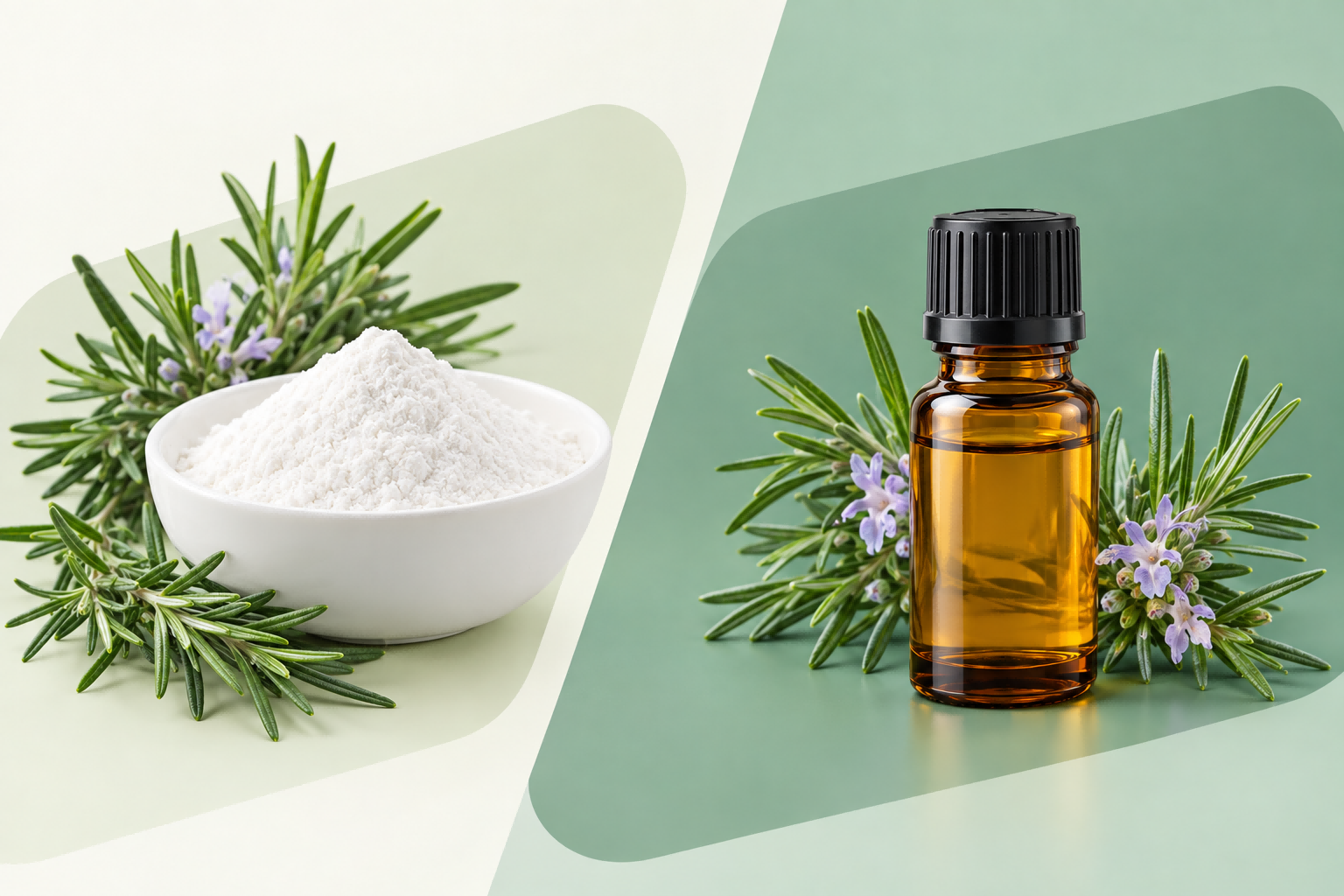 Chemical Composition
Rosemary Essential Oil: Mainly composed of volatile monoterpenes, including eucalyptol (1,8-cineole) 40.1%, camphor 12.4%, and α-pinene 12.9%.
osemary Extract: Mainly contains flavonoids and phenolic acids, including Rosmarinic Acid, gallocatechin, and luteolin derivatives.
Chemical Composition
Rosemary essential oil (≤5%) and rosemary extract (≤90%) showed no genotoxicity in Ames tests.However, essential oil at very high concentrations contains large amounts of camphor and 1,8-cineole, which pose toxicity risks to dogs and cats even at low doses.
Antibacterial and Antiviral Activities
Rosemary extract exhibits stronger antibacterial activity against Escherichia coli, Salmonella, and Staphylococcus aureus.
Rosemary extract shows no cytotoxicity even at a concentration of 100%, whereas essential oil exhibits cytotoxicity at a concentration of 100%.
Both are effective against adenovirus type 35 and Aspergillus niger.
Antioxidant Activity
Rosemary essential oil exhibits higher antioxidant activity in vitro, but its actual application concentration is very low (0.5%), whereas the application concentration of rosemary extract can be as high as 90%. At practical application doses, the antioxidant effects of the two are comparable.
Is Rosemary Extract Powder Safe for Dogs?
Rosemary extract is safe for dogs. The European Food Safety Authority (EFSA) has officially approved it as an antioxidant feed additive for dogs. It is extracted using acetone or ethanol, with carnosic acid and carnosol as the active components. Based on the NOAEL value of 563 mg/kg body weight/day determined in a 90-day rat toxicity study and applying a 100-fold safety factor, EFSA concluded that the maximum safe inclusion level in dog food is 300 mg/kg of complete dog food. At this inclusion level, the camphor content is well below the safety threshold, with no genotoxicity or mutagenicity, making compliant use fully safe and reliable.

Distinction from Rosemary Essential Oil: Rosemary extract is obtained through solvent extraction, with a controllable concentration and clearly defined dosage. Rosemary essential oil, on the other hand, is a highly concentrated volatile substance that is unsafe for dogs and should be avoided both orally and topically. The ingredient added to dog food is the extract, not the essential oil. The two should not be confused.
Special Consideration: Caution is recommended for dogs with a history of epilepsy. Linalool in rosemary may lower the seizure threshold. Although the scientific evidence is not yet conclusive, given the potential risk, avoiding its use is the safer choice.
Benefits of Rosemary Extract for DogsAntioxidant Activity
After adding rosemary extract, the total phenolic content and DPPH free radical scavenging capacity of pet food increased significantly, showing a clear dose-dependent response. The DPPH scavenging rate in the high-dose group exceeded 85%, compared with only 0.3%–0.9% in the control group. As an effective Rosemary Extract Preservative, it can not only extend the shelf life of dog food and delay lipid oxidation but also reduce postprandial oxidative stress in dogs, providing dual value for the product.
Blood Glucose Regulation
Rosemary extract powder can delay the postprandial blood glucose peak and help enhance satiety, which may benefit weight management in obese or diabetic dogs. Carnosic acid inhibits the activities of α-amylase and α-glucosidase; phenolic compounds form complexes with starch molecules, enhancing enzyme resistance; and rosemary extract may delay gastric emptying and inhibit glucose transporters.
Experiments have shown that even at a low dose of RE1 (1.0 g/kg), although it did not significantly alter overall digestibility, it consistently delayed the time to the postprandial blood glucose peak in an in vivo study in Beagle dogs, regulating the blood glucose response by delaying starch digestion.
Anti-Inflammatory Effects
Rosemary extract can effectively alleviate chronic inflammation in dogs. Its active components can inhibit multiple inflammatory signaling pathways, reduce the release of pro-inflammatory factors such as IL-1β, IL-6, and TNF-α, and simultaneously activate the body’s own antioxidant defense system. For dogs with joint discomfort, sensitive skin, or a tendency toward intestinal inflammation, dietary supplementation with rosemary extract may help reduce inflammatory responses and support overall health.
Antibacterial Effects
Rosemary extract exhibits good inhibitory activity against Staphylococcus aureus, Escherichia coli, Salmonella, and Candida albicans. This means it can not only help dogs resist harmful bacterial invasion and maintain intestinal microbiota balance but also serve as a natural preservative in dog food, replacing synthetic preservatives such as nitrites and making formulations cleaner and safer.
Metabolic Regulation
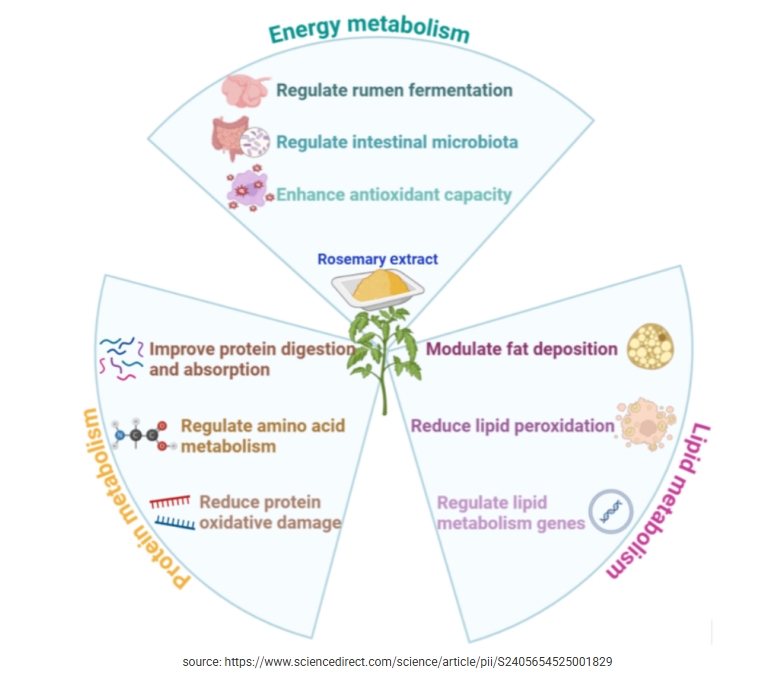
Rosemary extract can support metabolic health in dogs in several ways: promoting the fermentation of beneficial intestinal bacteria and increasing the production of energy-related substances such as propionate; helping improve protein digestion and absorption while reducing oxidative damage; and regulating fat deposition and inhibiting lipid peroxidation. For dogs that need to control body weight, maintain muscle mass, or improve overall metabolic health, it is an ideal natural functional ingredient.
Rosemary Extract Powder in Dog Food
Rosemary extract is a natural ingredient that provides both antioxidant and metabolic regulatory functions in extruded dog food and is widely used in dog food, dog treats, and nutritional supplements. As a natural preservative, it can effectively replace synthetic antioxidants such as BHA/BHT, aligning with the current clean-label trend.
Studies have shown that adding 1.0 g/kg can help improve postprandial blood glucose responses, while levels above 10 g/kg can significantly delay starch digestion, although palatability should be taken into consideration. Therefore, it is well suited for the development of functional canine food formulations targeting blood glucose control, weight management, and antioxidant support.
Where Can I Buy Methylsulfonylmethane Powder For Dogs?
If you are a pet food brand, formulator, or purchaser looking for a reliable rosemary extract powder supplier, Kintainutri® can provide standardized specifications, bulk supply, and sample support. Contact us for quotations and technical documentation, and let us work together to develop cleaner and healthier pet food formulations.
About Us
Kintainutri® is a high-tech biotechnology manufacturer in China with over 12,000 square metres of GMP factory and Class 100,000 cleanroom, and 42 professionally trained employees.
Kintainutri® offers a wide range of manufacturing services including testing, formulation, new product development, Original Design Manufacturer and foundry services.
Media Contact
Company Name: Xi’an Jintai Biotechnology Co., Ltd.
Contact Person: Media Relations
Email: Send Email
Country: China
Website: https://www.kintainutri.com/