
Xi’an, Shaanxi, China – September 7, 2026
Plant-based enzymes are gaining momentum across the global ingredients industry, and papain is emerging as one of the most versatile proteases to watch. Derived from papaya, papain enzyme is moving beyond traditional food processing into nutrition, cosmetics, personal care and other modern applications.
Ⅰ What Is Papain Enzyme?
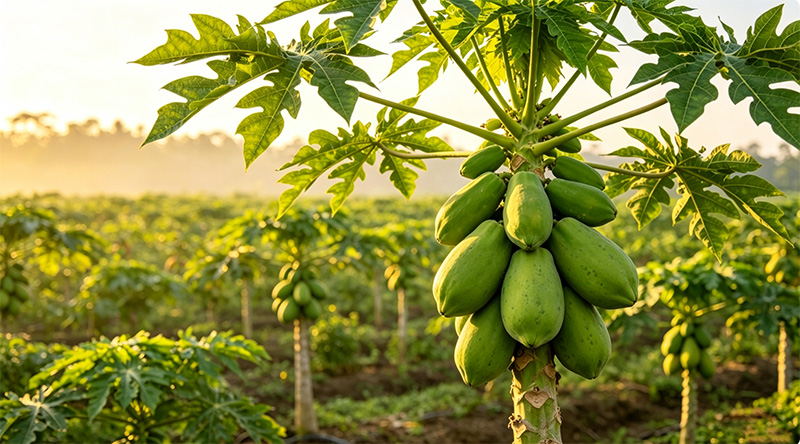
Papain is a natural enzyme derived from the unripe fruit of the papaya plant. Composed of 212 amino acids with a molecular weight of approximately 21,000, it is a thiol (—SH) protease belonging to the group of endopeptidases. Papain offers high enzymatic activity, good thermal stability, and a strong safety profile, with effective hydrolytic activity toward animal and plant proteins, peptides, esters, and amides.
Unlike conventional chemical products, this natural enzyme has excellent adaptability to different processing conditions. It remains active across a broad pH range of 3–9, with an optimum temperature of up to 65°C, and can retain some activity even under high-temperature conditions of 90°C. This combination of stability and versatility allows papain to perform effectively across a wide range of industries and applications.
Ⅱ Why Is Papain Enzyme Gaining Attention?
Plant-Based Enzyme Demand
As interest in plant-based ingredients continues to grow, papain, a naturally derived protease, provides a plant-based solution for a wide range of food, nutritional, and personal care products.
Broad Activity Range and Strong Adaptability
Works across a wide pH range (pH 3.5–9), with good heat stability and effective hydrolysis of both plant and animal proteins.
Multiple Activity Specifications
A wide range of enzyme activity specifications is available, covering applications from traditional meat tenderization to protein hydrolysis, baking, brewing, dairy products, and personal care. Suitable for different formulation requirements.
Ⅲ Key Applications of Papain Enzyme
1. Food Industry: Excellent Meat Tenderizing and Food Improvement Properties
Meat Tenderization: Papain efficiently breaks down peptide bonds in meat proteins, helping break down muscle fibers and collagen to make meat softer and more tender while preserving its natural flavor. It is widely used in meat tenderizers, prepared foods, and meat processing.
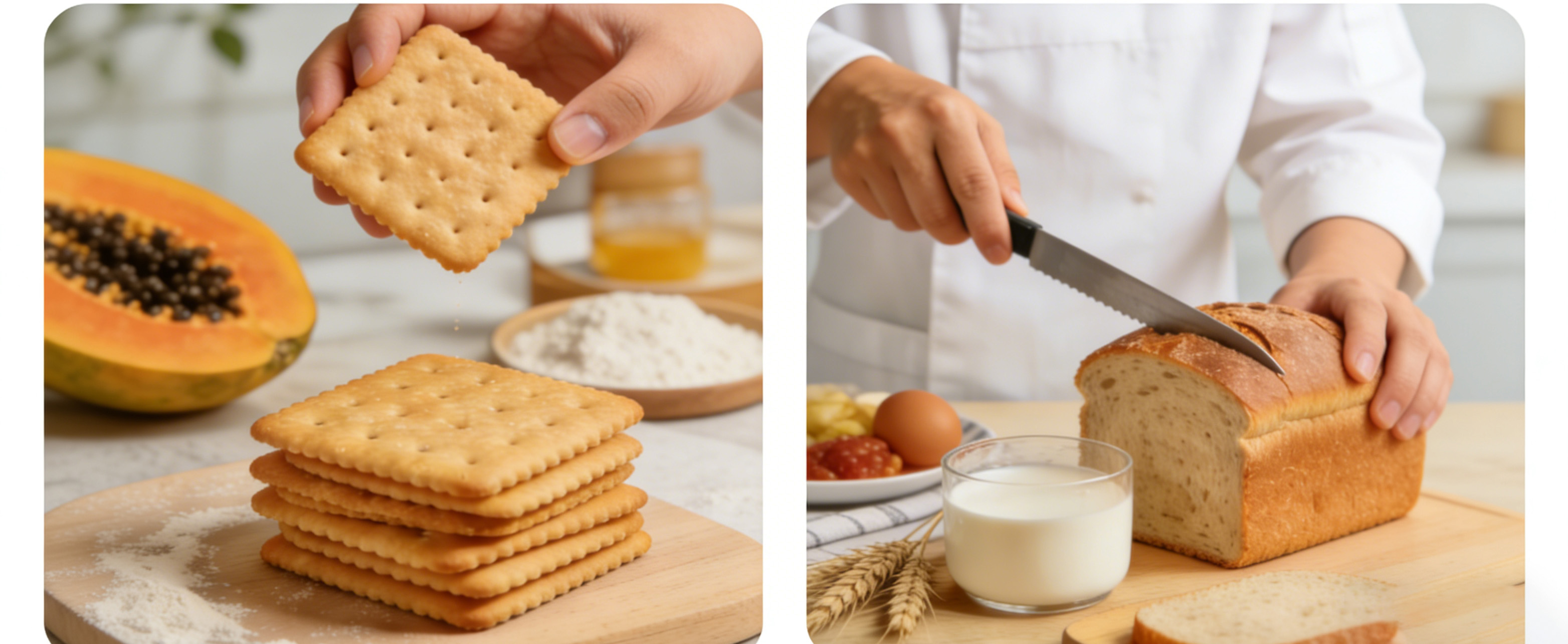
Food Processing: In beer and fruit wine production, papain helps break down proteins that can cause cloudiness, improving clarity. In baking, it helps break down gluten, making biscuits and pastries lighter and crispier. In seasonings and dairy products, it can hydrolyze proteins and help improve their nutritional value.
2. Pharmaceutical Industry
Papain effectively breaks down dietary proteins, helping reduce the digestive burden and support protein digestion. It is commonly used in digestive enzyme preparations. Papain-containing products, such as throat lozenges and enteric-coated tablets or capsules, are also used in various pharmaceutical applications.
3. Personal Care and Cosmetics
Cleaning and Washing: Papain can be added to soaps, detergents, laundry powders, and hand washes. It provides strong cleaning performance while offering gentle cleansing properties.
Gentle Exfoliation: At low concentrations, papain can gently break down dead skin cells on the skin surface without damaging healthy skin. It is widely used in gentle facial cleansers, scrubs, and skincare products.
Antioxidant and Skin Brightening: Papain may help reduce oxidative damage caused by free radicals and support a more even-looking skin tone, making it suitable for brightening and dark-spot care products.
Oral Care: Papain can help break down plaque and protein-based stains, making it useful in oral care products designed to freshen breath and support oral hygiene.
4. Industrial Applications
Wool Shrink Resistance: Papain treatment can improve the properties of wool, including softness, comfort, tensile strength, and resistance to shrinkage. It can also be used for degumming silkworm cocoons and refining silk fibers.
Leather Processing: Papain can be used to prepare enzymatic depilatory agents for leather processing, helping remove hair from hides more efficiently.
Ⅳ How to Choose the Right Papain Enzyme?
1. Enzyme Activity
Enzyme activity is one of the most important factors when selecting papain. Papain is available in two forms: Papain Powder: 50,000–3,000,000 U/g and Liquid Papain: 50,000–800,000 U/mL. The appropriate specification can be selected according to specific formulation requirements.
2. Purity & Quality
Purity and quality parameters should be evaluated according to the application. Buyers may review the COA for activity, moisture, ash, heavy metals and microbiological specifications.
3. Stability
Papain activity can be affected by factors such as temperature, pH and moisture. Appropriate storage conditions and suitable packaging are important for maintaining enzyme activity during transportation and storage.
4. Documentation & Batch Consistency
For B2B procurement, reliable documentation and consistent batch quality are essential. COA, SDS/MSDS, TDS and product specifications can help buyers evaluate and qualify a supplier.
As manufacturers continue to explore efficient and versatile enzyme solutions, papain is emerging as a key ingredient with growing commercial potential. Its wide range of applications is expected to make it increasingly important across various industries.
About Us
Shaanxi ShineHerb Biotech Co., Ltd. is a professional enterprise engaged in the research, production, and exports of Enzyme preparations, Natural plant extracts, Vitamins, Amino acids, and Pharmaceutical intermediates. We are committed to providing global customers with competitive pricing, stable and reliable product quality, and professional, efficient services.
Media Contact
Company Name: Shaanxi ShineHerb Biotech Co., Ltd.
Contact Person: Media Relations
Email: Send Email
Country: China
Website: https://www.shineherbbio.com/