
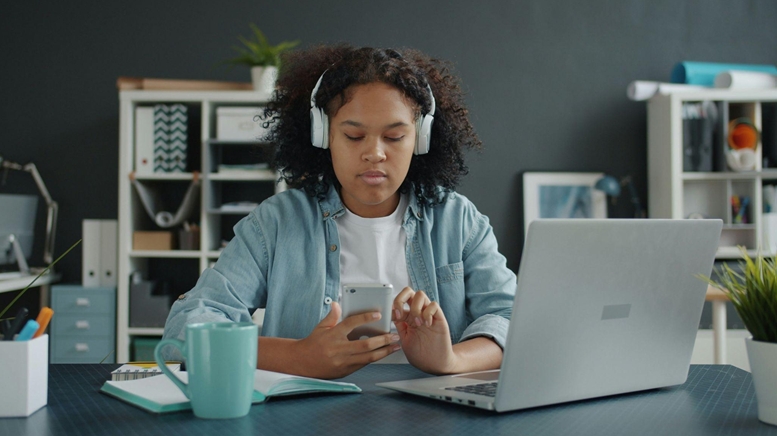
You see it every day. Heads bent over phones. Fingers scrolling almost on autopilot.
Now imagine this. The phones go into a box. No social feeds for seven days. The first night feels strange. By day three, the room is quieter, but so are the thoughts.
That is the basic setup of many new digital detox experiments. Researchers ask teenagers and young adults to step away from social media or cut screen time for about a week, then watch what happens inside their minds.
Recent studies are giving a clearer picture. Short breaks do not “fix” everything. But they change mood, sleep, and attention in ways that tell us a lot about how young brains work in a hyperconnected world.
I still remember interviewing a college student who said, “The first day without Instagram felt like phantom buzzing in my hands.”
So what are scientists learning from these one-week experiments?
Why Researchers Keep Asking Young People To Log Off
Digital detox is a simple idea. Take a break from social media or cut screen use for a set time. Then measure what changes.
A simple experiment: one week offline
In one recent study, hundreds of young adults used their phones as usual for two weeks. Their devices quietly tracked social media use, sleep, and movement. After that, most of them agreed to try a one-week social media detox.
They did not have to quit all screens. They only reduced time on apps like TikTok, Instagram, Snapchat, Facebook, and X. During the detox, their social media use dropped to about a quarter of what it had been. Yet total screen time changed only a little. They still used their phones for maps, music, messages, and school.
That detail matters. The problem is not “screens” in general. It is what happens when social feeds keep your brain on constant alert.
A generation growing up on phones
Another new study found that owning a smartphone at age 12 is linked to higher rates of depression, obesity, and poor sleep in early adolescence, even when researchers account for other devices.
Put that next to the detox experiments, and a pattern appears. Young people are growing up in always-on environments. One week away from the most intense parts of that world gives researchers a glimpse of how overloaded their systems have become.
What One Week Offline Does To Mood And Stress
If you feel more anxious or down after scrolling, you are not imagining it. In several experiments, even a short break from social media improves mental health scores.
Anxiety and depression start to ease
In the JAMA Network Open study, young adults who took a one-week social media break reported clear drops in symptoms of depression and anxiety, plus better sleep.
Another trial looked at a seven-day digital detox that cut back phone use in general. It found a medium-sized boost in mental well-being.
A different experiment asked people to avoid social media for 14 days. That group showed lower anxiety and depression, plus better body image, by the end of the two weeks.
You can think of it like turning down the background noise in your head. Fewer pings mean fewer chances to compare yourself, get pulled into arguments, or relive stressful content.
Hidden stress signals calm down
For many teens and young adults, the stress is quiet, not dramatic. You scroll late at night. You see bad news, or classmates having fun without you. You feel a little more tense, but you keep going.
Detox experiments show how low-level stress adds up. When young people pause social media for a week, they often report:
- Fewer racing thoughts at night
- Less “doomscrolling” before bed
- Fewer spikes of social anxiety after seeing posts
If you live with existing mental health issues or past trauma, that constant stress load can hit harder. For some, it sits on top of other struggles like substance use. In those cases, stepping back from screens is only one part of the picture. If you also rely on alcohol or drugs to cope, it may help to look into professional Treatment in WA, or similar local support, rather than trying to handle everything alone.
How A Short Detox Shapes Attention, Sleep, And Body Image
Young brains are still wiring themselves. Constant alerts pull that wiring toward fast reactions and quick hits of stimulation.
Brains built for pings
Many teens say they struggle to follow a full conversation without checking their phones. Surveys show that a large share of young people reach for their devices within a couple of minutes when talking face-to-face.
Digital detox studies help explain why. When social media use drops, people often describe:
- Longer attention spans
- Less urge to switch tasks
- More patience with boring moments
It is not that attention suddenly becomes perfect. Instead, the brain finally gets a break from rapid-fire rewards. That pause lets more slow, focused thinking come back online.
Sleep is the first repair job
Sleep is one of the first things to improve in a detox week. In the JAMA study, insomnia symptoms dropped by almost 15 percent after seven days of reduced social media use.
The reason is simple. When you stay on your phone late at night, you feed your brain blue light, emotional content, and social drama. Your nervous system stays “on,” even when your body wants to switch “off.”
During a detox week, many participants:
- Put the phone in another room
- Stop checking messages in bed
- Fall asleep faster
- Wake up less during the night
Better sleep does not solve every mental health problem. But it gives your brain a stronger base to handle stress, school, and relationships the next day.
Not Every Young Person Reacts The Same Way
Digital detox experiments tell a hopeful story. They also show big differences between people.
Who struggles most in the first days?
Some teens and young adults feel worse before they feel better. They describe:
- Boredom that feels almost painful
- Fear of missing out on group chats
- Restless checking of empty notification screens
Those reactions can be stronger if your social world is mostly online, or if you use your phone to escape a tough home or school environment.
Researchers also note that young people already high in anxiety or depression sometimes show the biggest improvements after a detox week. The gap between “before” and “after” is wider for them, even if the first few days feel rough.
Kids are starting to self-regulate
There is another twist. Surveys now show that more children and teens are taking digital breaks on purpose. Many are deleting apps, setting phone-free hours, or cutting back to protect their own mental health.
You might already be doing this. Maybe you use “do not disturb” at night. Maybe you keep schoolwork tabs separate from entertainment apps. Those small choices are a form of digital literacy. You are training your brain to live with technology instead of just reacting to it.
When A Digital Detox Is Not Enough
A week offline can be powerful. It is also just one tool.
Spotting deeper problems
If a short break leaves you calmer, that is a useful sign. It shows your brain still responds when the pressure drops.
But if you notice any of these, it is worth paying closer attention:
- You feel intense panic or anger when you cannot get online
- You keep using your phone even when grades, sleep, or relationships are falling apart
- You also use alcohol or drugs to cope with stress, boredom, or feelings of worthlessness
In those cases, a digital detox is a good first step, not a full plan. You may need more structured help. That can include school counselors, therapists, or community programs such as Fresno Rehab if you live near California’s Central Valley and need support with substance use or co-occurring mental health issues.
Getting help in the real world
The rise of digital detox experiments is not a call to ban all social media. Many experts argue that balance is more realistic than total disconnection. Social platforms can help you stay in touch, find support groups, and express yourself creatively.
The key is to notice when your use stops feeling like a choice. If scrolling:
- Replaces real-life friendships
- Pushes you toward risky behaviors
- Triggers urges to drink or use drugs
then it may be time to involve adults you trust. That might be a parent, coach, teacher, or doctor. If you live in Pennsylvania and feel stuck in a cycle of substance use plus online escape, looking into a PA Drug Rehab program can be one piece of a broader recovery plan that includes reshaping your digital habits.
How You Can Try Your Own One-Week Experiment
You do not need to join a formal study to learn from these findings. You can run a small experiment in your own life.
Here is one simple way to kick it off:
- Pick your focus. Choose one area to change, like TikTok at night or all social feeds after 9 p.m.
- Set a time frame. Start with seven days. Short, clear, and doable.
- Tell someone. Ask a friend or family member to check in on how it goes.
- Change the environment. Move apps off your home screen. Charge your phone outside your bedroom.
- Track how you feel. Each night, jot down three quick notes: mood, energy, and sleep.
Treat it like a science project, not a punishment. You are collecting data on your own brain.
At the end of the week, look back. Did you fall asleep faster. Did your mood feel more steady. Did you talk more with people in the same room.
If the answer is yes to even one of those, you have learned something important. Your brain responds when you turn down the digital noise.
So here is a friendly suggestion. Try your own “one week offline” experiment in a way that feels safe and realistic. Notice what shifts, keep what helps, and talk about it with someone you trust. Your phone can wait. Your mind cannot.
Media Contact
Company Name: Richard Crabbe.
Contact Person: Richard Crabbe
Email: Send Email
Country: United States
Website: https://freebythesea.com/