
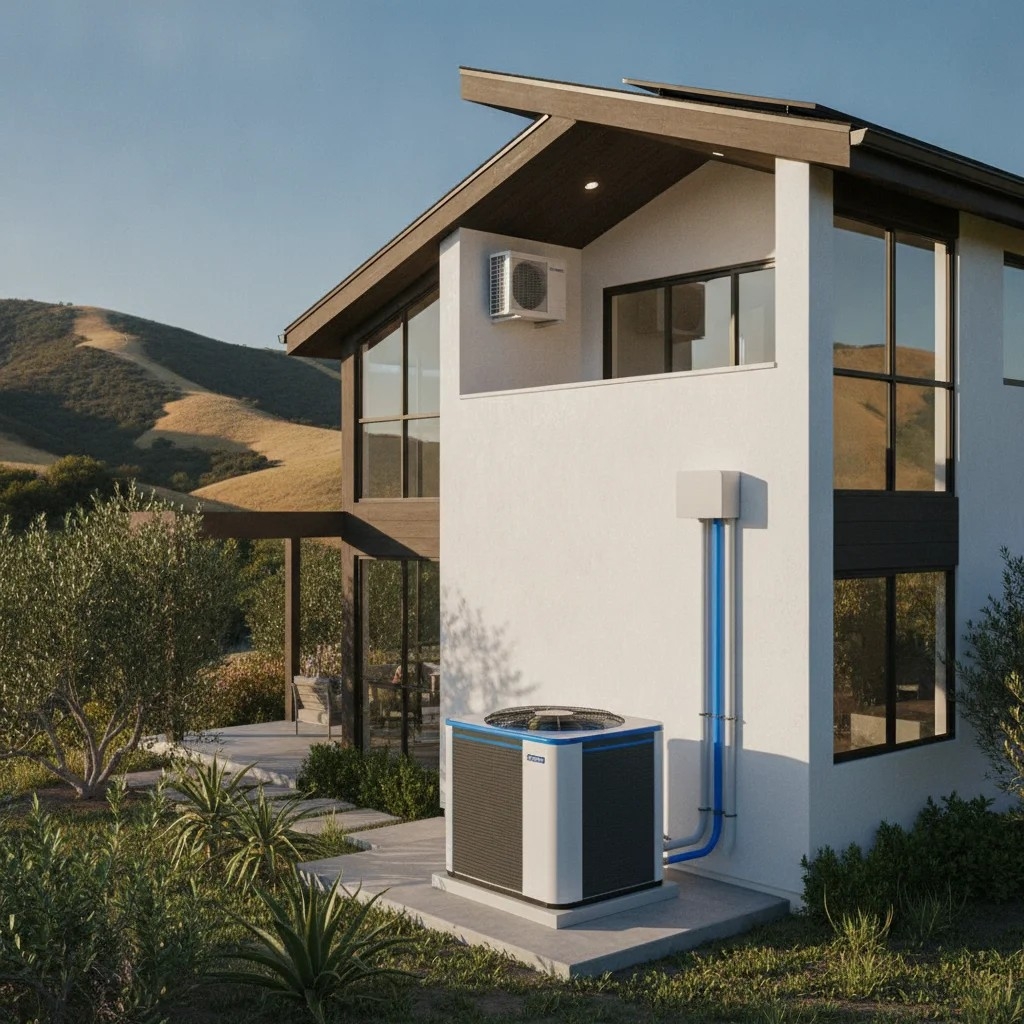
SACRAMENTO, Calif. – July 13, 2026 – Mini split heat pump rebates California 2026 programs now offer between $3,000 and $14,000 per system, representing the largest incentive structure in state history and reflecting an accelerating push to electrify residential heating ahead of California’s 2030 fossil-fuel HVAC sales ban.
California homeowners spent $847 million on mini split heat pump installations in 2025, a figure that underscores the market’s trajectory heading into the current incentive cycle. The state expanded available funding sharply in March 2026 with the launch of Tech Clean California, a new initiative that establishes the highest-ever rebate levels for ductless heat pump systems and stacks with federal Inflation Reduction Act tax credits returning 30 percent of installation costs through 2032.
The expansion is backed by $603 million in federal Home Energy and Efficiency Home Rebates Act funds that California allocated specifically for heat pump conversions across the 2026 to 2028 period. The combined state and federal pool constitutes the richest incentive environment for residential heat pump upgrades the state has offered.
Installation costs for mini split systems average $5,400 to $18,500 across California, depending on system capacity and the number of zones. A single-zone 12,000 BTU system starts at approximately $5,400 fully installed. A four-zone 36,000 BTU configuration with professional design reaches $18,500 before rebates. Equipment accounts for 40 to 45 percent of total project cost. Labor rates run $85 to $145 per hour statewide, with Bay Area contractors at the upper end of that range. Panel upgrades, required when existing electrical service cannot support new heat pump circuits, add $800 to $2,300 to project budgets.
Regional payback periods vary. Coastal climate zones carry faster return timelines because milder heating loads reduce annual runtime, while inland markets with more extreme temperature swings see longer payback periods despite comparable installation costs.
Incentive stacking is the defining feature of the 2026 window. Qualifying households may layer the Tech Clean California rebate against the federal IRA 25C tax credit and, for income-eligible applicants, point-of-sale HEEHRA rebates, compressing net out-of-pocket costs well below unaided installation prices.
Homeowners can determine which programs apply to their property, utility territory, and income level through a free eligibility tool at:
https://dulocore.com/rebates/california/heat-pump/
Program administrators have noted that HEEHRA allocations operate on a first-come, first-served basis, and application volumes in early 2026 have already reduced portions of the initial funding pool. California’s mandate requiring all new residential HVAC equipment to be electric by January 2030 provides the policy backdrop against which current incentive levels were set, and state officials have linked future program funding cycles to adoption benchmarks reached in the 2026 to 2028 window.
About DuloCore:
DuloCore is a home-improvement rebates platform that helps homeowners find and claim federal, state, and utility energy incentives for heat pumps, solar, insulation, EV chargers, and other efficiency upgrades. DuloCore prepares rebate paperwork from homeowner-supplied inputs and connects homeowners with the programs they qualify for.
Learn more at https://dulocore.com.
Media Contact
Company Name: DuloCore
Contact Person: Media Relations
Email: Send Email
Phone: 279-777-6529
Country: United States
Website: https://dulocore.com