
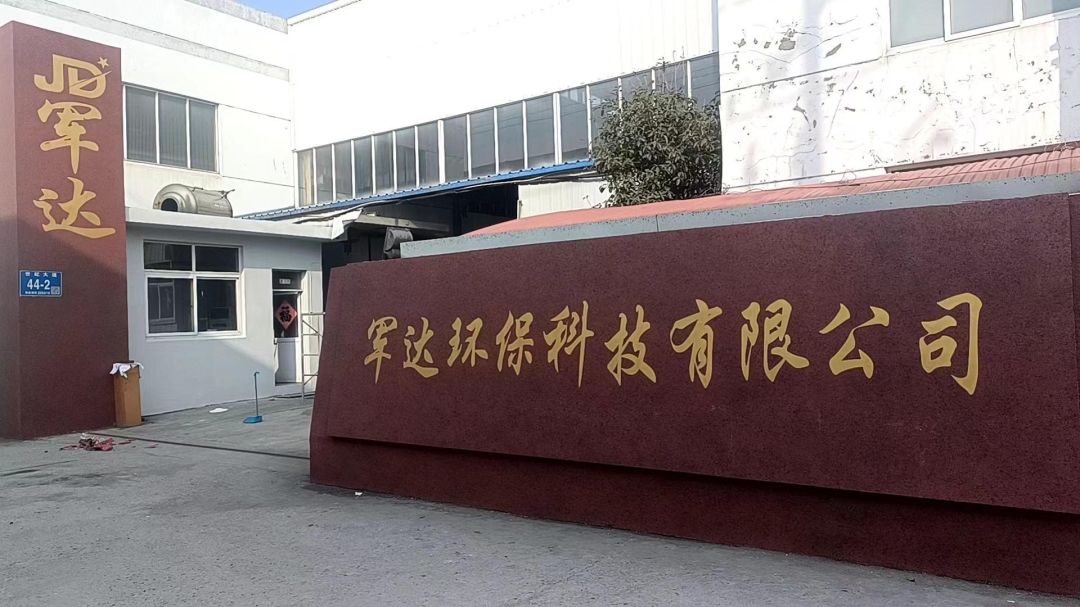
TAIZHOU, China – August 17, 2026 – Junda’s 2026 Anodizing Equipment Planning Update gives manufacturing project teams a practical framework for evaluating automated aluminum-finishing lines around their actual production requirements. It helps buyers define the factors that affect equipment scope and long-term operating suitability, including part geometry, target finish, throughput, process control, facility conditions, and environmental interfaces.
The update is intended for manufacturers planning a new aluminum-finishing line or reviewing an existing process. Rather than treating anodizing as a purchase of individual tanks, rectifiers, or hoists, Junda encourages teams to evaluate the complete production route before defining capital budgets and supplier responsibilities.
Junda Anodizing Equipment is a customized automated surface-treatment production line that integrates pretreatment, anodizing, sealing, material handling, and environmental interfaces for aluminum parts.
Junda manufactures customized automated surface-treatment systems for aluminum parts, automotive components, hardware and fasteners, PCB and electronics, and industrial components. Its equipment portfolio includes anodizing equipment, gantry rack plating lines, gantry barrel plating lines, vertical hoist plating lines, water-recycling equipment, and electroplating auxiliary equipment.
Begin with the finished part and approved process
An equipment project should begin with the finished part, not a generic machinery request. A precision-machined aluminum housing, an aluminum profile, and a wear-resistant hard-anodized component may all require anodizing, yet their handling methods, process windows, and performance expectations can differ substantially.
Junda recommends that manufacturers define the aluminum alloy, part dimensions, target finish, production volume, loading method, factory layout, utility availability, and environmental requirements before comparing equipment proposals. This allows purchasing, engineering, quality, production, and environmental teams to evaluate the same project scope.
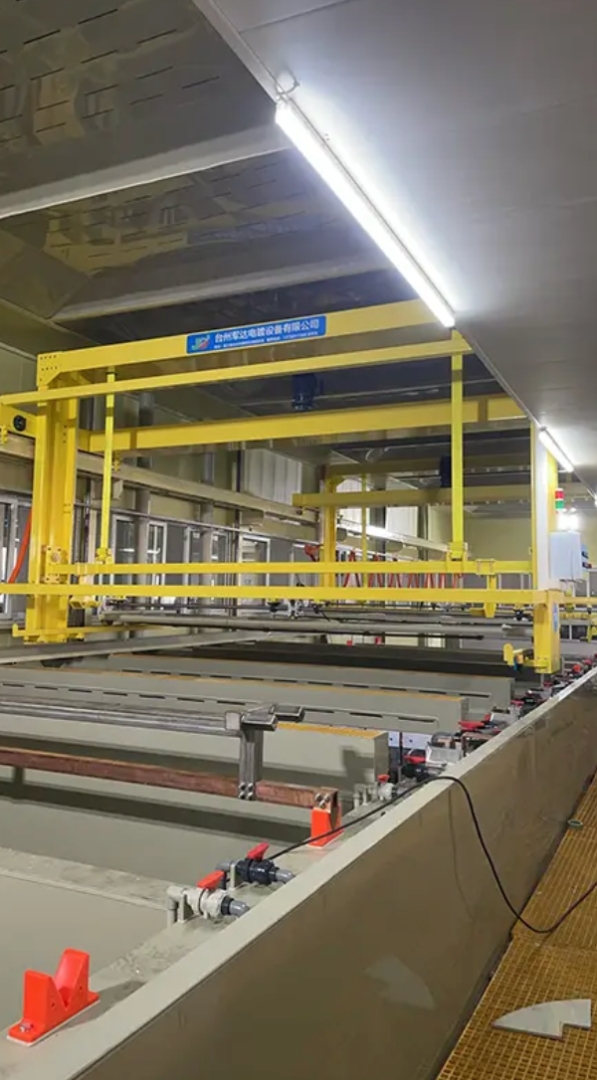
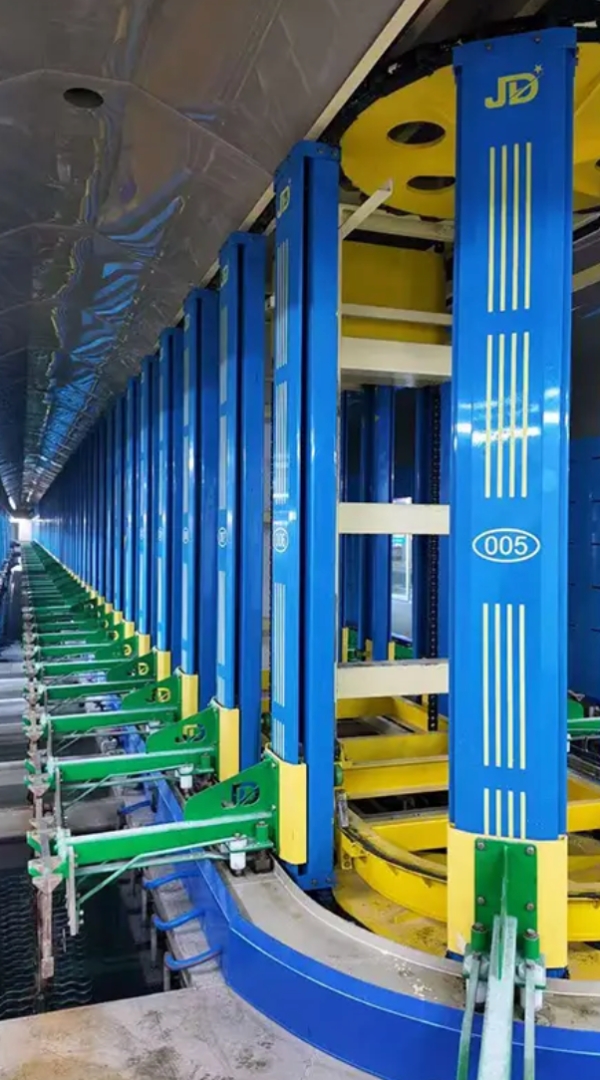
For aluminum finishing, process control is central to repeatable results. Pretreatment, loading, electrical contact, temperature, current, immersion time, rinsing, and sealing must work together according to the approved process route. Junda’s PLC-controlled transfer systems are designed to support programmed routing and repeatable dwell times while reducing avoidable variation in workpiece handling.
Evaluate the whole line, not isolated equipment
A productive anodizing project involves more than the central treatment tank. Workpieces must be prepared, held, transferred, rinsed, sealed, and connected to plant water and air-management systems. Considering these interfaces early can reduce late-stage uncertainty around layout, piping, maintenance access, wastewater routing, and commissioning responsibilities.
Junda provides support spanning process design, equipment manufacturing, installation coordination, commissioning, and operator training. Its service model also includes a standard 12-month equipment warranty and ongoing technical support.
For manufacturers, the relevant comparison is therefore broader than initial hardware cost. It includes whether the proposed system can support finish consistency, planned output, labor requirements, environmental integration, and a stable production start-up.
Match equipment architecture to the application
Not every surface-finishing requirement calls for the same equipment architecture. While Anodizing Equipment is the focused solution for aluminum surface treatment, related projects may involve different substrates, coatings, part sizes, and handling requirements.
Manufacturers evaluating Vertical Lift Rack Zinc Plating Equipment may require a rack-based route for larger or more complex workpieces. Junda’s corresponding product terminology is a Vertical Hoist Plating Line, which uses programmed transfer between treatment tanks and should be evaluated according to process sequence, factory footprint, and production flexibility.
Application-led searches such as Motorcycle Parts Vertical Lift Plating Equipment and Sanitary Ware Vertical Lift Plating Equipment also require a detailed review of substrate material, finish specification, fixture design, throughput, and environmental requirements. A visible-metal component may require decorative, functional, or corrosion-resistant finishing, but the appropriate line configuration depends on the approved process rather than the industry label alone.
For high-volume small metal components, Gantry Barrel Zinc Plating Equipment can be considered where barrel handling, loading, coating requirements, and production rhythm are technically appropriate. The same evaluation applies to Fastener Barrel Plating Equipment, where part geometry, barrel loading, post-treatment requirements, and the required coating specification should be defined before the final equipment scope is established.
Review special-process requirements separately
Some finishing projects require a process-specific route that should not be assumed to be interchangeable with aluminum anodizing. Hard Chrome Plating Equipment, for example, may be evaluated for industrial components requiring wear-resistant surfaces, including hydraulic and mechanical applications. Its selection should follow the substrate, performance specification, operating environment, and approved treatment process.
Similarly, Zinc-Nickel Alloy Plating Equipment should be considered when a part specification calls for that alloy coating system and its associated process controls. Manufacturers researching Copper-Nickel-Chrome Barrel Plating Equipment need to confirm that barrel handling, component geometry, and decorative or functional finish requirements are compatible with the intended process.
A Gold Plating Production Line involves its own chemistry, control, recovery, and economic considerations. These applications illustrate why a broad surface-treatment requirement should always be translated into a documented technical scope before equipment selection begins.
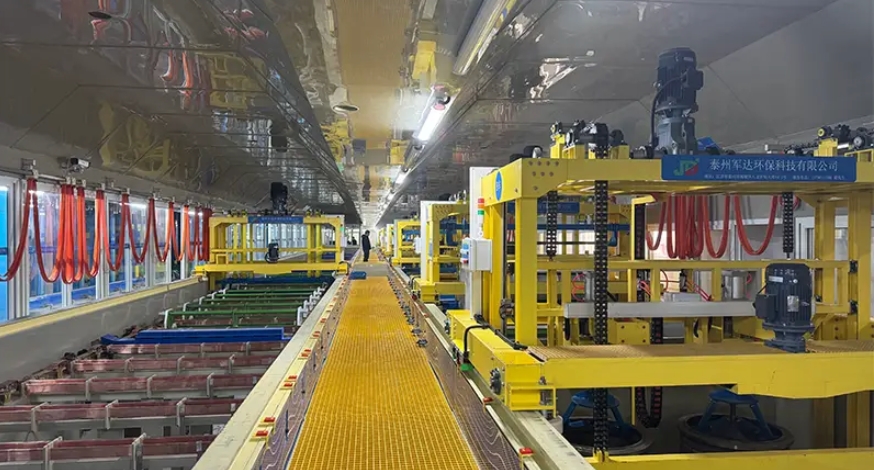
Junda’s role is to help project teams determine the appropriate production architecture for the approved process. That may result in a dedicated anodizing line for aluminum components, a gantry system for multi-process workflows, a barrel line for suitable small parts, or a vertical-hoist route for programmed rack transfer.
Build environmental planning into the project scope
Water use, chemical carryover, ventilation, exhaust treatment, and wastewater management influence both operating practicality and project readiness. Junda can integrate water-recycling equipment and supporting environmental systems into anodizing and electroplating projects.
This allows project teams to consider rinsing strategy, pure-water requirements, exhaust arrangements, treatment-equipment placement, and maintenance access while the production route and facility layout are still being developed. Local compliance obligations remain site-specific, but early planning can help prevent environmental systems from becoming late-stage additions.
2026 capability context
Junda’s publicly presented case portfolio includes anodizing equipment for precision aluminum parts at Baida Precision Manufacturing Co., Ltd. The company also presents experience with barrel zinc plating, zinc rack plating, barrel nickel plating, and copper-nickel-chrome vertical plating lines in surface-treatment industrial parks.
These examples reinforce the value of process-specific equipment selection. Precision aluminum parts require attention to handling, process stability, and finishing consistency. Fasteners and other small components may require barrel handling. Larger or more complex parts may require racks and a different transfer architecture.
For manufacturers preparing 2026 or 2027 capital plans, an application-based technical review provides a more useful starting point than a generic request for quotation. Teams can define the part family, material, dimensions, target finish, production volume, desired automation level, available footprint, and environmental constraints before determining the appropriate configuration.
Frequently asked questions
What information is needed to specify an anodizing line?
Manufacturers should provide the aluminum alloy, part dimensions, target finish, expected production volume, loading method, available layout, utilities, and environmental requirements. These inputs help define the process route and equipment scope.
What is the difference between conventional and hard anodizing equipment?
Both processes require a controlled treatment route, but their operating conditions and performance objectives differ. The suitable configuration should be determined by the part material, required finish, performance specification, and planned production conditions.
When should a manufacturer consider barrel, gantry, or vertical-hoist equipment?
The choice depends on the part family, process sequence, loading method, capacity target, and facility layout. Barrel, rack, gantry, and vertical-hoist systems address different handling and production requirements.
A focused next step for surface-treatment projects
Junda Anodizing Equipment gives manufacturers a tailored, automated route for aluminum surface treatment by connecting pretreatment, anodizing, sealing, material handling, and environmental planning into a project-specific production system.
Manufacturers evaluating a finishing investment can begin by reviewing the conditions that matter most: the part, the finish, the process window, the volume, the facility, and the people who will operate the line. Junda can then assess the configuration most appropriate for those requirements, while its related electroplating and environmental systems remain available where another process route is technically better suited.
About Junda
Taizhou Junda Intelligent Equipment Co., Ltd. is a manufacturer of customized automated electroplating, anodizing, coating, and environmental-protection equipment. Founded in 2008, Junda provides process design, equipment manufacturing, installation coordination, commissioning, training, and technical support for industrial surface-treatment projects. Its product range includes anodizing equipment, gantry rack plating lines, gantry barrel plating lines, vertical hoist plating lines, water-recycling equipment, and electroplating auxiliary equipment for applications across aluminum processing, automotive, hardware and fasteners, PCB, electronics, and industrial components.
Media Contact
Company Name: Taizhou Junda Intelligent Equipment Co., Ltd.
Contact Person: Hayyr
Email: Send Email
Phone: 8613082110525
Address:No.44-2 Century Avenue, Jiangsu Province
City: Taizhou
State: Zhejiang
Country: China
Website: https://www.jundaelectroplating.com