
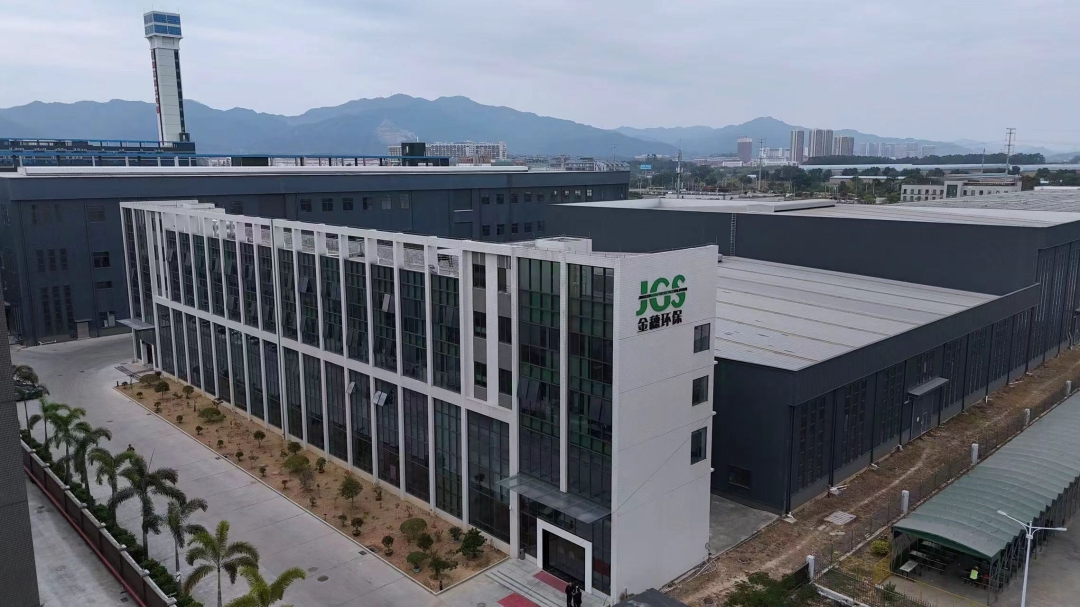
ZHAOQING, GUANGDONG, CHINA – October 19, 2026
Jinseed Geosynthetics Solution Pte. Ltd., operating under the Jinseed Geosynthetics Solution brand, is highlighting its manufacturing capabilities and international supply services for HDPE geomembrane liners, LLDPE geomembranes, textured geomembranes, woven geotextiles, and nonwoven geotextile fabrics. The company serves distributors, engineering contractors, infrastructure developers, environmental project operators, and other commercial buyers seeking geosynthetic materials for containment, ground stabilization, filtration, and protection applications.
With manufacturing operations in Zhaoqing, Guangdong, China, and a Singapore office supporting international business activities, Jinseed supplies geosynthetic products for projects across Australia, New Zealand, Europe, Southeast Asia, Africa, the Middle East, and South America. Its product portfolio addresses a range of purchasing requirements, including material specifications, project quantities, product customization, quality documentation, and international shipment coordination.
Jinseed Addresses Purchasing Requirements for Geosynthetic Materials
Geosynthetic materials play an important role in modern infrastructure, environmental management, and industrial construction. Geomembranes are used as low-permeability barriers in containment systems, while geotextiles provide separation, filtration, drainage, reinforcement, and protection functions, depending on their structure and specifications.
For professional buyers, selecting a suitable geosynthetics manufacturer involves more than comparing unit prices. Procurement teams typically evaluate product performance, manufacturing consistency, technical documentation, production capacity, delivery schedules, and the supplier’s ability to meet project-specific requirements.
Jinseed Geosynthetics Solution focuses on these considerations through its manufacturing operations and range of geosynthetic products. The company works with international customers seeking materials for mining facilities, tailings storage facilities, landfill engineering, reservoirs, aquaculture ponds, wastewater management, and civil infrastructure.
By supplying products directly from its manufacturing operations, Jinseed aims to provide customers with a clearer connection between product specifications, production requirements, and quality management procedures. This approach is relevant to importers, distributors, contractors, and project owners that require consistent material specifications across multiple shipments or construction phases.
HDPE Geomembrane Liners for Containment Applications
HDPE geomembrane liners are widely used in engineering applications where limiting liquid migration and protecting underlying soil or groundwater are important design objectives. Their suitability depends on factors such as polymer properties, thickness, chemical exposure, installation conditions, seam integrity, and the expected service environment.
Jinseed manufactures HDPE geomembranes for a range of containment applications, including mining, landfill construction, water storage, and environmental protection. Its product portfolio includes smooth and textured HDPE geomembrane liners intended for different site conditions and installation requirements.
Smooth HDPE geomembranes are commonly considered for containment surfaces where a relatively uniform liner surface is required. Textured HDPE geomembranes may be selected for sloped applications where interface friction between adjacent materials is an important engineering consideration. The appropriate product depends on the project design, interface shear requirements, subgrade conditions, and applicable technical specifications.
For buyers sourcing an HDPE geomembrane liner manufacturer in China, material traceability, production consistency, and documentation are important elements of supplier evaluation. Procurement teams may request technical data sheets, thickness specifications, roll dimensions, test reports, and quality records before approving a product for a particular project.
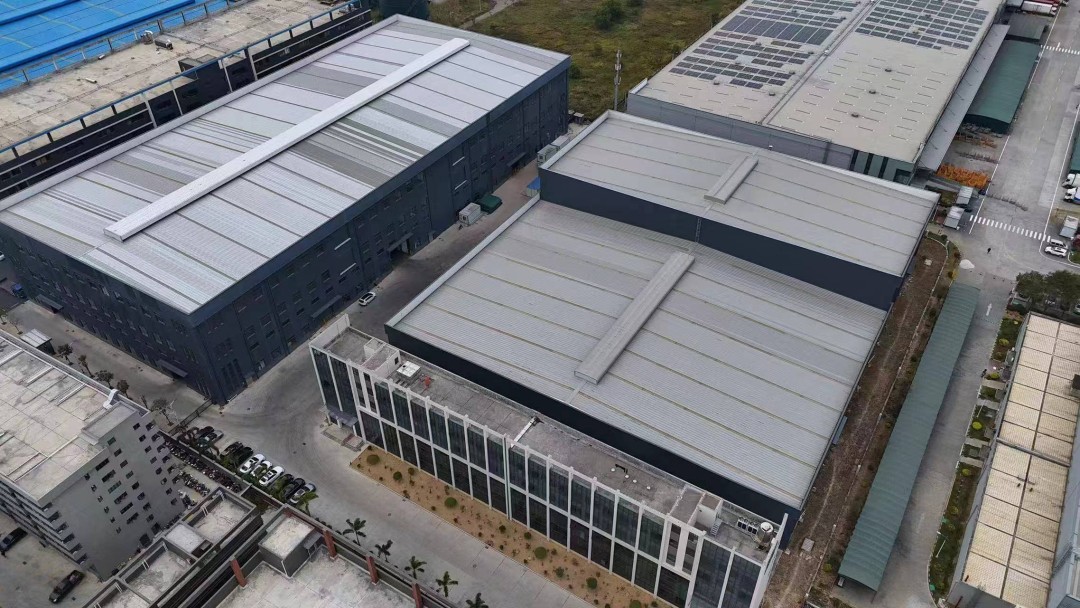
Jinseed’s manufacturing capabilities include an eight-meter flat-die geomembrane production line. The equipment supports the production of wide geomembrane sheets and is intended to provide controlled thickness, consistent surface characteristics, and efficient manufacturing for project-based orders.
The company’s HDPE geomembrane products are intended for applications where engineering specifications and installation procedures must be considered together. Actual product selection should be based on the requirements of the project design and verified product documentation rather than on material type alone.
LLDPE Geomembrane for Flexible Lining Requirements
LLDPE geomembranes offer a different balance of flexibility and mechanical characteristics compared with conventional HDPE liners. They may be considered for applications involving irregular surfaces, settlement-sensitive areas, and lining configurations that require greater conformability.
Jinseed includes LLDPE geomembranes in its product portfolio for customers evaluating flexible containment materials. Potential applications include water containment, environmental projects, selected landfill components, and other engineered lining systems where the product’s properties are appropriate for the intended service conditions.
When purchasing an LLDPE geomembrane, buyers should assess thickness, tensile properties, elongation, puncture resistance, chemical compatibility, temperature exposure, and installation requirements. These factors help determine whether a particular formulation and specification are suitable for the project.
A qualified supplier should be able to provide the relevant product information so that engineers and purchasing departments can compare available materials against design requirements. The final decision should account for both initial procurement cost and the expected performance of the completed lining system.
Nonwoven Geotextile Fabrics for Filtration and Protection
Nonwoven geotextile fabric is another important category in Jinseed’s manufacturing and supply portfolio. These materials are used in civil engineering and environmental applications where separation, filtration, drainage, and cushioning protection are required.
Jinseed manufactures PET continuous filament needle-punched nonwoven geotextiles for engineering applications. The products are designed for use in projects where mechanical strength, filtration performance, and durability are relevant to the specified function.
Nonwoven geotextiles can be incorporated into drainage systems, road construction, embankments, landfill engineering, erosion control, and geomembrane protection assemblies. Depending on the design, a geotextile may help prevent the migration of soil particles while allowing water to pass through, or provide a protective layer between a geomembrane and adjacent materials.
For buyers comparing nonwoven geotextile fabric suppliers, product weight alone does not provide a complete basis for selection. Relevant parameters may include tensile strength, elongation, puncture resistance, apparent opening size, permeability, thickness, and resistance to degradation under the intended exposure conditions.
PET nonwoven geotextiles and polypropylene nonwoven geotextiles also differ in material characteristics and suitability for particular environments. Purchasing decisions should therefore consider the polymer type, manufacturing process, site conditions, and applicable project standards.
Jinseed’s continuous filament needle-punched PET nonwoven geotextiles are intended to serve customers requiring specified geotextile properties for infrastructure and environmental projects. Product selection and acceptance should be supported by appropriate technical data and, where required, independent test documentation.
Woven Geotextile and Nonwoven Geotextile: Selecting the Appropriate Material
Woven geotextiles and nonwoven geotextiles perform different functions, and the preferred material depends on the engineering objectives of the project.
Woven geotextiles are manufactured by interlacing yarns or tapes and are often selected where tensile strength and reinforcement characteristics are important. Depending on their construction, they can be used for soil stabilization, separation, and applications involving load distribution.
Nonwoven geotextiles are manufactured by bonding or entangling fibers rather than weaving them into an interlaced structure. Needle-punched nonwoven products are commonly considered for filtration, drainage, cushioning, and protection applications.
The distinction is particularly important when selecting a geotextile for use beneath a geomembrane. A protection geotextile must be evaluated for its ability to reduce the risk of localized damage under the expected loading conditions. A drainage or filtration geotextile, meanwhile, must meet the hydraulic and soil-retention requirements established by the design.
For construction companies and distributors sourcing woven geotextile fabric or nonwoven geotextile fabric from China, a practical procurement process begins with the intended application and the relevant technical specifications. Comparing products on a consistent basis helps reduce the risk of selecting a material that meets a nominal weight requirement but does not provide the necessary engineering performance.
Jinseed encourages project stakeholders to define their material requirements before requesting quotations. Clear specifications help manufacturers determine appropriate product configurations, provide comparable pricing, and reduce ambiguity during production and delivery.
Manufacturing Quality and Product Verification
Quality assurance is an important consideration in geosynthetics procurement because material properties can influence the performance of a containment, drainage, or stabilization system over its intended service life.
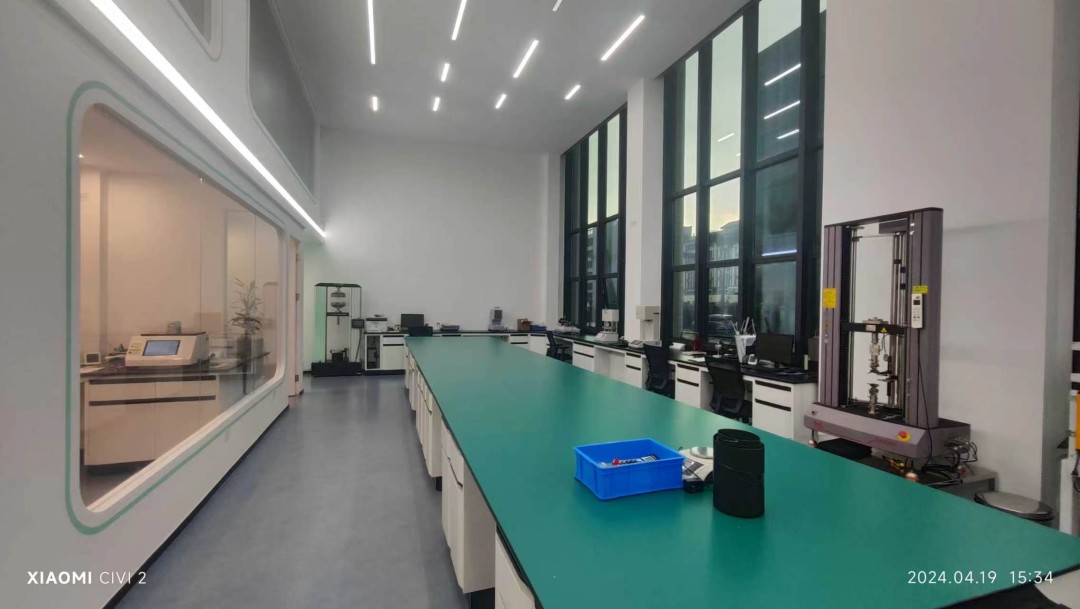
Jinseed reports that its manufacturing and quality management processes include incoming raw material checks, finished-product inspections, and sample retention for reference. These procedures support production oversight and provide a basis for reviewing product quality when questions arise after delivery.
The company also reports that its HDPE geomembranes have CE certification through BTTG and that its products have undergone testing by TRI Environmental. Buyers should confirm the scope of the relevant certification, the specific products covered, the applicable test methods, and the availability of current supporting documentation when evaluating these claims.
Independent testing and certification can support procurement decisions, but they should be assessed in the context of the particular product and project specification. Buyers may also require factory quality records, batch identification, inspection reports, and shipment documentation.
For large infrastructure projects, quality management extends beyond the manufacturing facility. Storage, transportation, site preparation, installation, welding, seam testing, and construction quality assurance can all affect the performance of the completed geosynthetic system. Coordination between the supplier, designer, contractor, and site quality team is therefore an important part of project execution.
OEM Manufacturing and Customized Geosynthetic Supply
International distributors and established product brands may require manufacturing arrangements that differ from standard catalog purchases. These requirements can include private-label production, customized dimensions, specified roll formats, project-specific documentation, and coordinated supply schedules.
Jinseed offers OEM manufacturing and private-label production services for customers whose requirements align with its manufacturing capabilities. The company also supports customized product specifications and project-based supply arrangements.
For procurement departments evaluating an OEM geotextile fabric manufacturer or geomembrane factory, the initial assessment should establish which products can be manufactured, what specifications can be accommodated, and which quality records can be provided. Commercial discussions may also cover order quantities, packaging, labeling, production lead times, and export documentation.
Clear communication at the quotation stage helps align buyer expectations with manufacturing capabilities. For projects involving multiple product types, establishing a consistent specification and documentation process can simplify purchasing, inspection, and shipment coordination.
Jinseed works with international distributors, engineering contractors, and project stakeholders seeking geosynthetic materials for ongoing supply relationships. Its export experience provides a foundation for coordinating orders for customers operating across different markets, subject to the requirements of each destination.
Supporting Geosynthetic Procurement Across International Markets
Geosynthetic purchasing decisions frequently involve several departments, including engineering, procurement, quality assurance, logistics, and project management. Each department evaluates different aspects of a supplier relationship.
Engineers focus on technical suitability and compliance with design requirements. Purchasing teams consider pricing, order quantities, and commercial terms. Quality teams review specifications and supporting records, while logistics personnel coordinate packaging, transport, and delivery schedules.
A manufacturer serving international markets must be prepared to communicate with these stakeholders and provide information relevant to the purchasing process. This is particularly important for large-volume orders, infrastructure tenders, and projects where material deliveries must be coordinated with construction schedules.
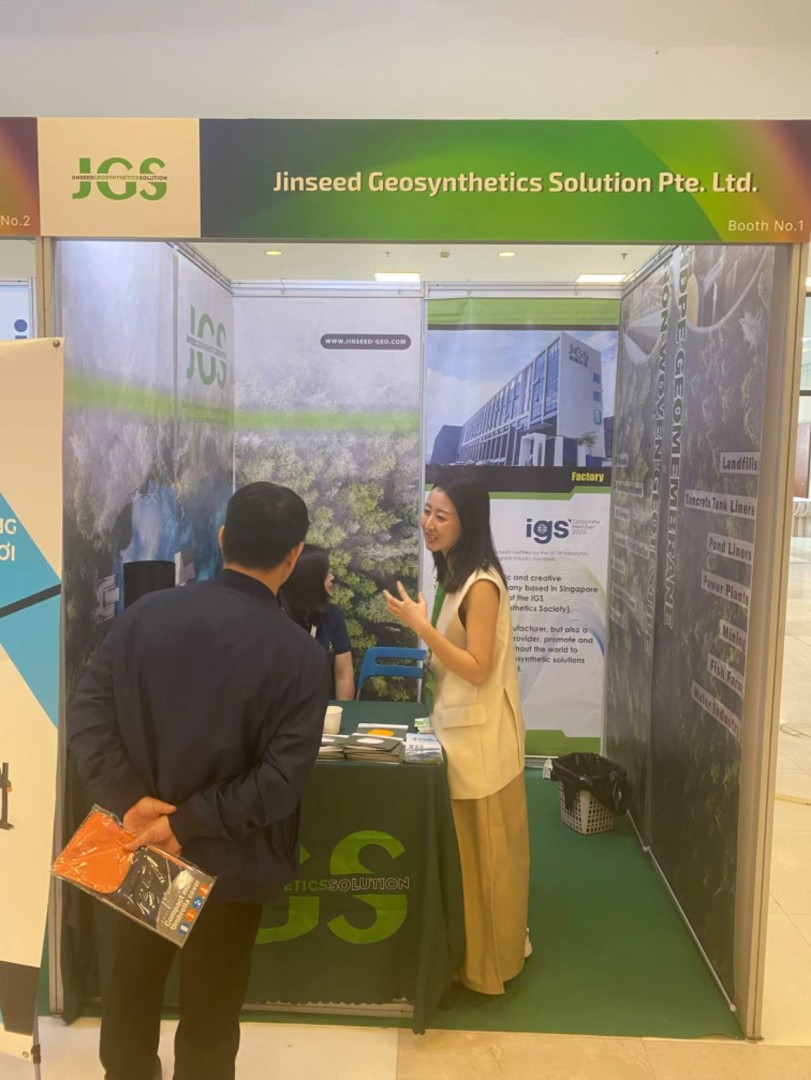
Jinseed supplies geosynthetic materials to customers in Australia, New Zealand, Europe, Southeast Asia, Africa, the Middle East, and South America. Its product range and manufacturing operations support purchasing requirements across mining, water management, environmental engineering, and civil construction.
For buyers seeking a geotextile manufacturer, HDPE geomembrane supplier, LLDPE geomembrane factory, or textured geomembrane exporter, supplier evaluation should focus on verifiable manufacturing capabilities, technical compliance, quality documentation, and the ability to meet project-specific delivery requirements.
A Practical Approach to Long-Term Supply Partnerships
Long-term purchasing relationships in the geosynthetics sector depend on more than the completion of an individual transaction. Consistent product specifications, clear communication, reliable documentation, and effective resolution of technical or logistical questions all contribute to a productive supplier relationship.
Jinseed’s approach combines in-house manufacturing, product quality control, international supply coordination, and support for OEM and customized orders. These capabilities are relevant to organizations managing recurring demand for geomembrane liners, nonwoven geotextile fabrics, and related geosynthetic materials.
As infrastructure developers and environmental project operators continue to evaluate materials for containment, drainage, filtration, and soil stabilization, the selection of suitable geosynthetics remains a technical and commercial decision. The most appropriate solution depends on the intended application, design requirements, site conditions, and verified product properties.
Jinseed Geosynthetics Solution continues to serve international buyers seeking geosynthetic products for engineered construction and environmental management applications. The company welcomes inquiries from distributors, contractors, importers, and project owners interested in discussing product specifications, manufacturing arrangements, and project-based supply requirements.
About the Company
Jinseed Geosynthetics Solution Pte. Ltd. is a geosynthetics business specializing in HDPE geomembranes, LLDPE geomembranes, textured geomembranes, PET continuous filament nonwoven geotextiles, and related products for infrastructure and environmental applications. The company operates manufacturing facilities in Zhaoqing, Guangdong, China, and supports international business through its Singapore office. According to company-provided information, Jinseed has more than 15 years of industry experience and supplies customers in more than 50 countries. Its mission is to provide dependable geosynthetic materials, maintain quality-focused manufacturing processes, and support customers with product solutions suited to their engineering and project requirements.
Media Contact
Company Name: Jinseed Geosynthetics Solution Pte. Ltd.
Contact Person: Jerry Qiu
Email: Send Email
Phone: +65 84265294
Address:No.1, Fenggang North Road, Zhaoqing National High-tech Industrial Development Zone, Guangdong,China Singapore Office: Jinseed Geosynthetic Solution Pte. Ltd. 182 Cecil Street?Frasers Tower Level 17, Singapore, 069547, Singapore
City: Zhaoqing
State: Guangdong
Country: China
Website: https://www.jinseed-geo.com