
Shenzhen , Guangdong, China-November 10, 2026
You know, industrial energy storage systems are starting to feel like a no-brainer for factories these days—especially with electricity prices all over the place, peak demand charges, and renewable generation that can be pretty unpredictable. Picture a battery room right next to the production floor. It charges up when things are quiet, then kicks in to support equipment when demand spikes. But the real value isn’t just having more stored energy. It’s about keeping production smooth, managing costs, and not being caught off guard by brief supply hiccups. And honestly, those little interruptions? They matter more than you’d think. Honestly, if a compressor or conveyor happens to stop, it can throw the whole shift off—you don’t realize how much depends on them until it happens.You know, there’s no one-size-fits-all when it comes to designing the right storage system—it really depends on the site. Engineers have to dig into things like load profiles, outage priorities, how much space you’ve got, ventilation, and whatever control systems are already in place. Dr. Imre Gyuk, who’s been a key figure in energy-storage research at the U.S. Department of Energy for a long time, has made the point that storage is all about balancing supply and demand. In other words, the storage should match the need. Just to be clear, this is my paraphrase of his view, not an exact quote. Sure, industrial battery storage systems can really help with peak loads, backup power, and making on-site solar work harder for you. That said, they’re not a cure-all. Whether they perform well, last as long as you’d hope, and actually pay off depends a lot on how they’re used and how carefully the system is sized. Let’s be honest—some projects sound amazing on paper, but then real-world production schedules shift and everything falls apart. That alone is worth digging into. So this guide is about why companies actually go with industrial storage, what kind of benefits you can really expect, and the trade-offs you should think about before you commit to installation.
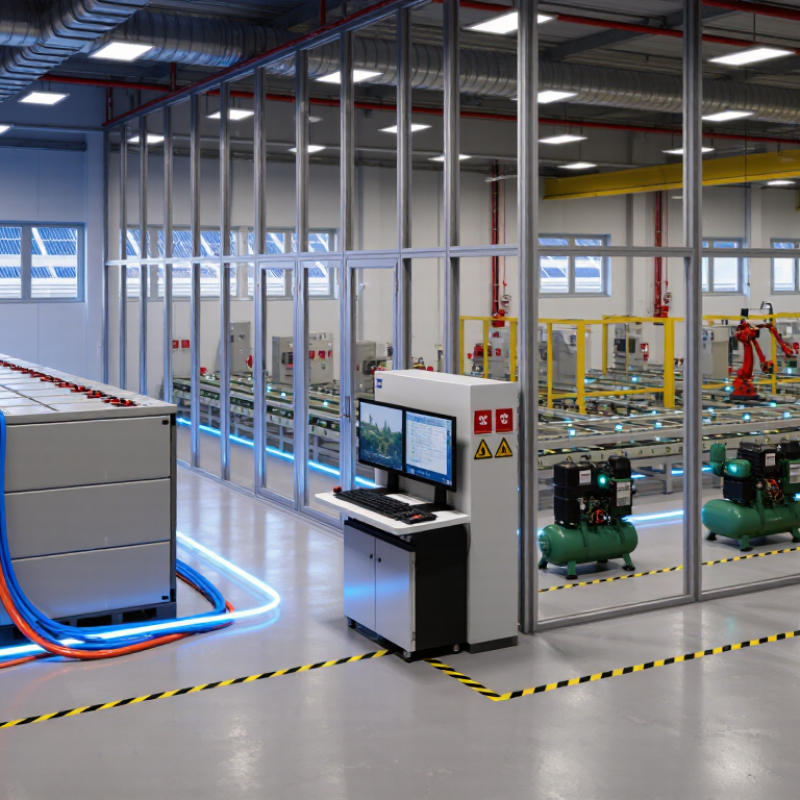
Industrial Energy Storage: DOE Defines Long-Duration Storage as 10+ Hours
Why Choose Industrial Energy Storage Systems?Industrial Energy Storage: DOE Defines Long-Duration Storage as 10+ HoursThe U.S. Department of Energy defines long-duration energy storage as storage that can discharge electricity for at least 10 hours. That threshold matters at factories where a shift can outlast shorter backup systems. A stored-energy system may support critical pumps, refrigeration, controls, or production lines during extended outages. The actual value depends on load profiles, connection limits, and how often the system is used. Ten hours is a useful benchmark, not a universal design target.The DOE’s 2023 Pathways to Commercial Liftoff: Long Duration Energy Storage report examines the role of these systems in a reliable, lower-emissions grid. The International Energy Agency’s Batteries and Secure Energy Transitions report estimates that global energy storage capacity must reach 1,500 GW by 2030, including 1,200 GW of battery storage. That figure covers a broad energy-storage need; it does not mean every industrial site needs a ten-hour battery. Industrial Battery Backup Systems should be sized against measured demand, outage history, and critical equipment. A quiet detail matters: a spreadsheet may overlook startup surges or a production process that cannot pause cleanly. Good planning leaves room for those realities.
How Storage Works: NREL Uses 85% Round-Trip Efficiency as a Battery Benchmark
The 85% round-trip efficiency benchmark used in NREL battery analysis offers a practical way to understand storage losses. If a system takes in 100 kilowatt-hours, roughly 85 may be available when it discharges. The rest is lost, often as heat during charging, conversion, and discharge. That matters.
For an industrial site, efficiency affects how much stored energy can support a production shift, refrigeration load, or evening peak. Picture a battery charging overnight, then supplying a motor line during a high-rate period. The usable output—not just the battery’s stated capacity—helps determine whether that schedule works. Still, 85% is a benchmark, not a promise for every installation.
Actual performance depends on temperature, power level, equipment design, and operating strategy. Auxiliary systems, such as cooling, can also consume energy. A fair comparison should use the same measurement boundary and operating conditions; otherwise, two efficiency figures may describe different things. It is easy to focus on one clean percentage. I would also check measured site data, expected cycling, and how performance changes over time. Some project estimates may look precise before real operating habits are known.
Peak Shaving: How Industrial Storage Helps Manage Demand Charges
Industrial facilities often pay demand charges based on their highest power draw during a billing period. A brief surge can matter. Several machines starting together, or cooling equipment running hard on a hot afternoon, may set a costly peak even when overall energy use stays steady.Industrial Battery Storage can discharge during these high-demand intervals, supplying part of the facility’s load and lowering the grid power recorded at the meter. The control system needs to act at the right time. It can use meter readings, operating schedules, and load forecasts to decide when to charge and discharge. For example, a battery might charge overnight, then support production when compressors and pumps overlap. Timing matters more than simply installing a large battery.Results depend on the utility’s tariff, the length of the peak interval, and the facility’s load pattern. A battery sized from a single month of data may miss seasonal changes. Not every day. Operators should review interval-meter data and compare projected savings with equipment, maintenance, and charging costs. Forecasts can be wrong, too; a production shift may arrive earlier than expected. A practical system leaves enough reserve for real operating needs, rather than chasing every short-lived spike.
Why Choose Industrial Energy Storage Systems? – Peak Shaving: How Industrial Storage Helps Manage Demand Charges
Illustrative example for an industrial facility using a 1 MW / 2 MWh battery energy storage system. The estimate assumes a demand charge of $20 per kW per month and shows the reduction in each month’s billed peak demand.
| Month | Peak Demand Before Storage (kW) | Peak Demand Reduction (kW) | Billed Peak Demand After Storage (kW) | Assumed Demand Charge ($/kW-month) | Estimated Demand Charge Savings ($) |
|---|---|---|---|---|---|
| January | 3,200 | 380 | 2,820 | $20 | $7,600 |
| February | 3,100 | 420 | 2,680 | $20 | $8,400 |
| March | 3,250 | 450 | 2,800 | $20 | $9,000 |
| April | 3,150 | 430 | 2,720 | $20 | $8,600 |
| May | 3,300 | 400 | 2,900 | $20 | $8,000 |
| June | 3,450 | 390 | 3,060 | $20 | $7,800 |
| July | 3,600 | 410 | 3,190 | $20 | $8,200 |
| August | 3,550 | 440 | 3,110 | $20 | $8,800 |
| September | 3,400 | 460 | 2,940 | $20 | $9,200 |
| October | 3,250 | 420 | 2,830 | $20 | $8,400 |
| November | 3,150 | 400 | 2,750 | $20 | $8,000 |
| December | 3,050 | 390 | 2,660 | $20 | $7,800 |
| Annual Total | — | 4,990 kW-months | — | — | $99,800 |
These figures are illustrative, not a utility-bill forecast. Actual savings depend on the tariff, peak timing and duration, battery availability and operating strategy. The estimate excludes energy-charge changes, taxes, ratchet provisions, and system costs.
Renewable Integration: IRENA Reports Solar Power Costs Fell 90% Since 2010
IRENA’s Renewable Power Generation Costs in 2023 reports that utility-scale solar’s global weighted-average electricity cost fell 90% between 2010 and 2023, reaching about $0.044 per kilowatt-hour. That is a major shift. Yet cheap daytime generation does not guarantee power after sunset. For factories, evening demand, cloud cover, and sudden production peaks can still challenge supply planning.
Industrial Storage Batteries can store surplus solar electricity and release it when machines need power. This may reduce grid purchases during expensive periods and support steadier operations. The right system depends on load profiles, storage duration, connection limits, and local tariffs. A battery is not automatically economical; sizing it from annual consumption alone can miss sharp, short-lived peaks. Real operating data matters.
Tips: Review at least twelve months of interval-meter data before sizing. Compare battery capacity with actual peak periods, not just daily energy use. Ask for round-trip efficiency and degradation assumptions. Leave room for uncertainty; production schedules change, and projections can be wrong.Grid Resilience: How Storage Supports Backup Power and Flexible Loads
Industrial sites rarely lose power at a convenient moment. A brief outage can stop pumps, reset control systems, and leave materials waiting in process lines. Energy storage can respond within seconds, supplying selected circuits while utility service is interrupted. That response is useful, but only when the system is sized around real loads rather than a hopeful estimate.
During an outage, controls can prioritize critical equipment: safety systems, communications, refrigeration, or a production line that cannot pause safely. Battery inverters can also help manage sudden changes in demand as motors start. The goal is not necessarily to run the whole facility. A measured backup plan may preserve essential operations for an hour or several, depending on battery capacity, load, and operating conditions. That detail matters.
Storage also gives operators more room to shift flexible loads. A site might charge batteries when demand is lower, then draw from them during a peak period or a short grid disturbance. This can reduce strain on the local connection and make recovery less abrupt. Real performance depends on maintenance, temperature, controls, and grid conditions. Batteries are not magic. They need testing, clear switching procedures, and staff who know what stays online. Some facilities discover their “critical” load list is outdated only during a disruption. Regular reviews help, though they cannot remove every uncertainty.
System Safety: NFPA 855 Sets Installation Standards for Stationary Batteries
Industrial energy storage can support a facility through peak demand and brief grid interruptions. But the equipment is only part of the decision. Installation safety matters just as much. NFPA 855 provides installation requirements for stationary energy storage systems, addressing areas such as system layout, fire protection, commissioning, and ongoing maintenance. Local authorities may adopt different editions or add requirements, so project teams should confirm which rules apply before construction begins.That review should shape practical choices: where battery enclosures sit, how people reach them, and how responders identify hazards. A clear aisle, visible warning signs, and a tested emergency procedure can matter during a stressful incident. Small details matter. Designers and installers should coordinate with fire officials and the authority having jurisdiction, then document inspections and commissioning results. Requirements can vary with system type, size, and location; one layout is not automatically suitable for every site. Even a careful plan may miss something. Reviewing it with people who will operate and respond to the system can reveal assumptions worth revisiting.
Investment Case: DOE Targets a 90% Cost Reduction for Long-Duration Storage by 2030
Why Choose Industrial Energy Storage Systems?The U.S. Department of Energy has set an ambitious target: reduce the cost of long-duration energy storage by 90% by 2030. It is a goal, not a promise. Reaching it depends on better materials, manufacturing, installation, and system performance—not one breakthrough alone.For industrial sites, lower costs could make it easier to store midday solar power and use it during evening production peaks. Picture a facility with rooftop panels, humming equipment, and a battery system charging while demand is modest. Later, stored electricity may help limit grid purchases or support critical operations during an outage. Industrial Solar Solutions can work alongside storage, but the business case depends on local tariffs, operating schedules, and how often the system cycles.The details matter. A lower equipment price does not automatically mean lower lifetime costs. Operators should examine efficiency losses, maintenance needs, replacement parts, and usable storage duration. Some projects may look attractive on paper and disappoint in practice. That deserves scrutiny. DOE’s target could broaden access to storage, but each facility still needs a careful site assessment and realistic financial assumptions.
Why Choose Industrial Energy Storage Systems?DOE Target: 90% Lower Cost for Long-Duration Storage by 2030
The U.S. Department of Energy’s Long Duration Storage Shot targets a 90% cost reduction for grid-scale storage systems that provide 10 or more hours of energy storage. The chart indexes the reference cost at 100; a 90% reduction corresponds to a target index of 10. This is a DOE goal, not a reported outcome.
Source: U.S. Department of Energy, Long Duration Storage Shot.
China NX10 Microgrid BESS: A Smart Path to Clean, Resilient Power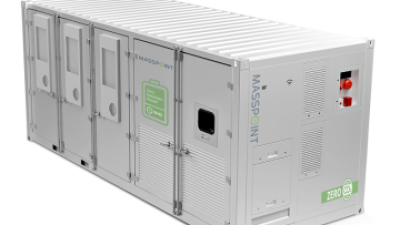
China NX10 Microgrid BESS: Smart Energy Solution from Top Suppliers and Factory for Clean, Resilient Power
A modern microgrid battery energy storage system can bring together solar power, battery storage, and generator sets to provide dependable electricity where conventional grids are unavailable or unreliable. With flexible solar integration, projects can be configured around local conditions and existing infrastructure, making it easier to expand renewable generation without redesigning the entire power system.An intelligent energy management system helps operators monitor power flows and coordinate generation, storage, and consumption through a clear, accessible interface. By storing surplus solar energy for later use, the microgrid can reduce reliance on generators, lower fuel expenses, and limit emissions and operating noise. Its modular design supports different capacity requirements and can adapt as energy needs change, making it suitable for remote sites and a range of industrial applications. The result is a more resilient and efficient power supply that combines renewable energy with dependable backup to keep essential operations running.
Conclusion
Industrial Energy Storage Systems help factories and other large facilities manage electricity more efficiently while improving reliability. Long-duration storage, commonly defined as providing power for at least 10 hours, can support operations when supply is limited or demand is high. Batteries store energy and return it when needed; an illustrative benchmark for round-trip efficiency is about 85%. By discharging during peak periods, storage can also reduce demand charges and make energy costs more predictable.Storage can make it easier to use renewable electricity by shifting solar energy to times when it is most useful; solar power costs have fallen substantially since 2010. Systems can also provide backup power and help facilities adjust flexible loads during grid disruptions. Safe installation and operation are essential, so projects should follow recognized stationary-battery safety standards. With continued innovation and a targeted 90% reduction in long-duration storage costs by 2030, industrial storage could become an increasingly practical investment.
About US
MASSPOINT Energy is a global leader in advanced micro-grid solutions, committed to providing reliable and sustainable energy systems.
With over 12 years of experience in power electronics and batteries industry, our team integrates R&D, manufacture, sales and services. We are committed to delivering green and sustainable energy solutions, including Industrial Hybrid BESS, Micro-Grid BESS, etc.
Media Contact
Company Name: Masspoint Energy Technology Co., Ltd.
Contact Person: Media Relations
Email: Send Email
Country: China
Website: https://www.masspointenergy.com/