
In hydraulic systems, stable load control is one of the most important factors affecting equipment safety and performance. Whether in truck cranes, excavators, aerial work platforms, lifting machinery, or industrial hydraulic systems, uncontrolled movement can lead to safety risks, hydraulic shock, leakage problems, and reduced operating efficiency. This is why the Hydraulic Counterbalance Valve Block plays such an important role in modern hydraulic equipment.
As hydraulic machinery continues to operate under higher pressure and heavier loads, the requirements for hydraulic valve blocks are becoming increasingly strict. A high-quality hydraulic counterbalance valve block not only improves system stability, but also helps extend equipment service life and reduce long-term maintenance problems.
What Is a Hydraulic Counterbalance Valve Block?
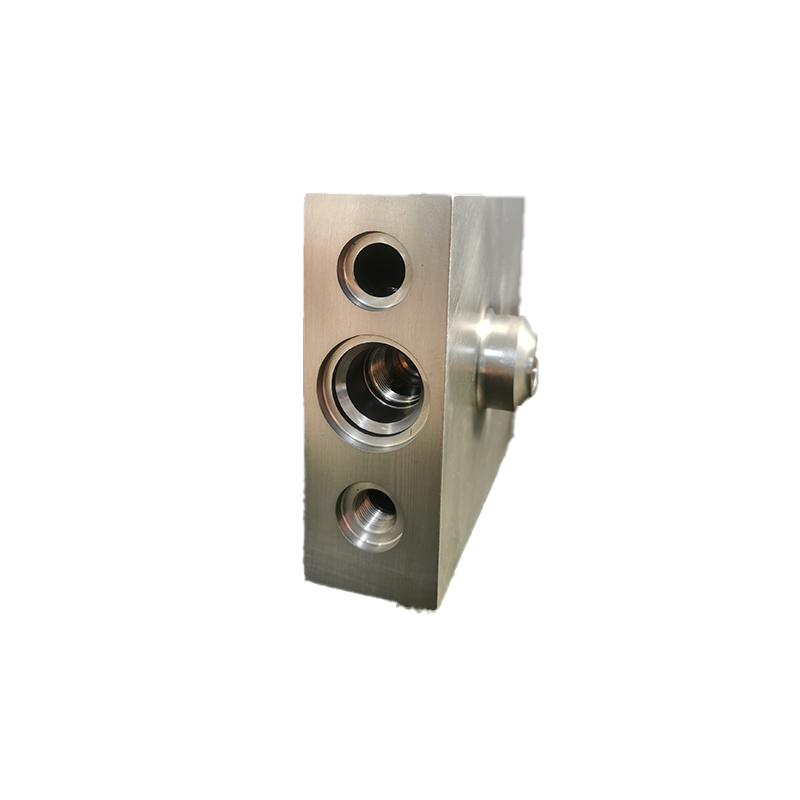
A hydraulic counterbalance valve block is a hydraulic control component designed to maintain load balance and control Hydraulic Actuator movement. It helps prevent sudden movement caused by gravity, pressure loss, or unstable hydraulic flow.
In many hydraulic systems, especially lifting equipment, the valve block helps maintain back pressure inside the hydraulic circuit, allowing cylinders or motors to move smoothly and safely.
Its main functions include:
- Preventing uncontrolled load dropping● Stabilizing hydraulic pressure● Reducing hydraulic shock and vibration● Improving actuator movement control● Enhancing operational safety
Hydraulic counterbalance valve blocks are widely used in heavy-duty hydraulic applications where stability and load holding are critical.
Why Load Stability Is So Important
Hydraulic systems often operate under continuously changing loads. In equipment such as cranes or lifting platforms, even a small pressure fluctuation can affect movement precision and safety.
Unstable hydraulic systems may lead to:
- Load drifting● Cylinder crawling● Sudden lowering● Increased seal wear● Reduced positioning accuracy● Hydraulic system vibration
These problems not only affect operational efficiency, but may also increase maintenance costs and reduce equipment lifespan.
The hydraulic counterbalance valve block helps solve these issues by controlling hydraulic oil flow and maintaining stable pressure throughout the system.
Internal Oil Passage Design Directly Affects Performance
The internal structure of a hydraulic counterbalance valve block is far more complex than it appears externally. Multiple oil passages intersect inside the valve block, and their machining precision directly affects hydraulic system performance.
Several key machining factors are especially important:
Oil Passage Position and Depth
Incorrect oil channel positioning may affect hydraulic response speed and pressure balance.
Straightness and Roundness
Poor machining accuracy may create unstable hydraulic flow and sealing problems.
Thread Precision
Hydraulic connections require precise thread machining to prevent leakage and installation issues.
Sealing Surface Quality
Smooth and accurate sealing surfaces are essential for stable pressure holding.
Internal Cleanliness
Iron chips, burrs, or contaminants left inside oil passages may create hidden hydraulic system risks later.
Because of these requirements, hydraulic counterbalance valve blocks often require:
- CNC precision machining ● Deep hole drilling ● Precision tapping ● Surface grinding ● Deburring treatment ● Pressure resistance testing ● Cleaning and inspection
Advantages of Hydraulic Counterbalance Valve BlocksBetter Hydraulic Safety
One of the biggest advantages is improved operational safety. Stable load holding helps reduce accident risks in lifting and heavy-duty equipment.
Improved Motion Control
The valve block helps Hydraulic Cylinders and motors move more smoothly and accurately.
Reduced Hydraulic Shock
Stable pressure control reduces sudden hydraulic impact inside the system.
Longer Equipment Service Life
Reducing vibration and pressure fluctuation helps protect seals, pumps, cylinders, and hydraulic hoses.
More Stable System Performance
Consistent hydraulic pressure improves overall machine reliability under continuous working conditions.
Common Applications in Heavy Equipment
Hydraulic counterbalance valve blocks are commonly found in equipment requiring stable hydraulic movement and reliable load holding.
Truck Cranes
Used to stabilize Boom Cylinders and prevent uncontrolled lowering during lifting operations.
Excavators
Help improve arm and boom movement stability during digging operations.
Aerial Work Platforms
Maintain stable platform positioning and improve working safety at height.
Forklifts and Lifting Equipment
Help maintain stable lifting control and reduce load movement risks.
Industrial Hydraulic Systems
Improve movement precision and hydraulic stability in automated equipment.
Why Machining Quality Matters So Much
In hydraulic systems, small machining errors may create large operational problems later.
For example:
- Burrs inside oil passages may damage Hydraulic Components ● Incorrect thread machining may cause leakage ● Poor sealing surfaces may reduce pressure holding ability ● Inaccurate oil channel intersections may affect hydraulic flow
This is why hydraulic valve block production requires strict process control and careful inspection at every stage.
Stable machining quality helps reduce after-sales problems, improve hydraulic reliability, and maintain long-term equipment performance.
Pressure Testing Is Essential
After machining, hydraulic counterbalance valve blocks must undergo pressure resistance testing to verify sealing performance and structural reliability.
Pressure testing helps ensure:
- Stable sealing performance ● No internal leakage ● Reliable operation under working pressure ● Safe hydraulic system performance
This process is especially important for high-pressure hydraulic applications operating continuously under heavy loads.
Conclusion
The Hydraulic Counterbalance Valve Block is a critical component for maintaining hydraulic stability, safety, and load control. From preventing uncontrolled lowering to improving actuator precision and reducing hydraulic shock, this valve block plays a major role in modern hydraulic equipment.
As hydraulic systems continue to evolve toward higher pressure and more demanding applications, machining precision, internal cleanliness, sealing quality, and pressure testing become increasingly important. High-quality hydraulic counterbalance valve blocks help improve equipment reliability, reduce maintenance risks, and ensure stable hydraulic performance in long-term operation.
FAQ
1、What is the main function of a hydraulic counterbalance valve block?
It helps maintain load stability, controls actuator movement, and prevents uncontrolled lowering caused by gravity or pressure loss.
2、Why is internal oil passage machining important?
Accurate oil passages ensure stable hydraulic flow, reliable pressure control, and proper system performance.
3、What equipment commonly uses hydraulic counterbalance valve blocks?
They are widely used in cranes, excavators, aerial work platforms, forklifts, lifting equipment, and industrial hydraulic systems.
4、Why is pressure testing necessary for hydraulic valve blocks?
Pressure testing helps verify sealing reliability and ensures the valve block can safely operate under working pressure conditions.
Media Contact
Company Name: Qingdao Micro Precision Machinery Co., Ltd.
Email: Send Email
Phone: +86-15589891818
Address:No. 438, Wangsha Road, Chengyang District
City: Qingdao
Country: China
Website: https://www.mpmmachine.com/