
If you are planning a marine infrastructure project, choosing the right Mooring Buoy is more important than many people realize. The buoy you select will influence vessel safety, maintenance costs, and long-term operational reliability. Understanding what affects mooring buoy performance can help you make a better investment and avoid costly adjustments later.
A Mooring Buoy Is More Than Just a Floating Marker
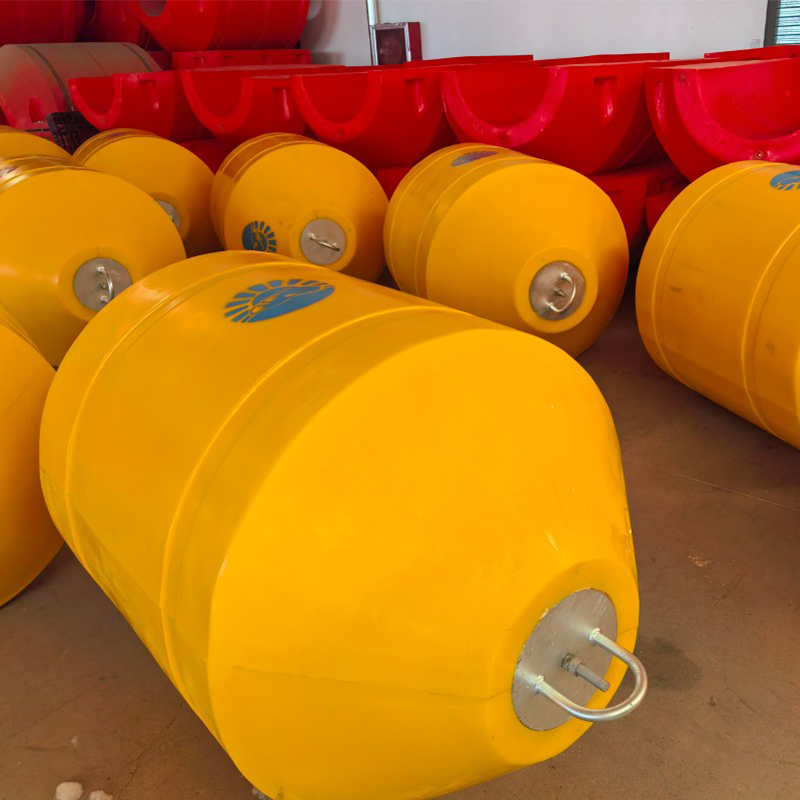
Many buyers initially think of A Mooring Buoy as a simple floating device that keeps a vessel in position. In reality, it is an essential part of the entire mooring system.
A properly designed marine mooring buoy absorbs environmental forces while keeping vessels securely positioned. It works together with chains, anchors, connectors, and seabed foundations to create a stable mooring solution.
If one component is not properly matched with the others, the entire system may experience excessive loads, unnecessary movement, or accelerated wear.
That is why selecting a mooring buoy should always be viewed as part of a complete engineering solution rather than an individual product purchase.
Start by Understanding Your Application
Before comparing buoy models, you should first define how the buoy will be used.
A port mooring buoy used for commercial vessels operates under different conditions than an offshore buoy supporting workboats or service vessels. Likewise, buoys used in marinas have different requirements from those installed near industrial terminals.
The intended application determines the required buoyancy, structural strength, connection system, and overall dimensions.
Instead of asking which buoy is the strongest, ask which buoy is best suited to your project.
That approach usually leads to a more reliable and cost-effective solution.
Environmental Conditions Should Guide Your Selection
Marine environments are rarely consistent.
Wind, waves, tidal changes, currents, and seasonal weather all influence how a mooring buoy performs throughout its service life.
If your installation site experiences strong currents or continuous wave action, the buoy must withstand repeated dynamic loading while maintaining stable performance.
On the other hand, calmer waters may allow a different design approach that focuses more on efficiency than extreme structural capacity.
Evaluating local environmental conditions before purchasing helps ensure that your offshore mooring buoy can perform reliably over many years.
Buoyancy Capacity Is Important, but It Is Not Everything
One of the most common questions buyers ask is how much buoyancy they need.
Buoyancy certainly matters, but selecting a buoy based only on buoyancy capacity can create new problems.
An oversized buoy may increase project costs without improving performance, while an undersized buoy may reduce stability and shorten equipment life.
The ideal solution is to match buoyancy with the expected mooring load, environmental conditions, and vessel characteristics.
This balanced approach improves operational efficiency while avoiding unnecessary investment.
Material Selection Directly Influences Long-Term Performance
The material used to manufacture a mooring buoy has a significant impact on maintenance requirements and service life.
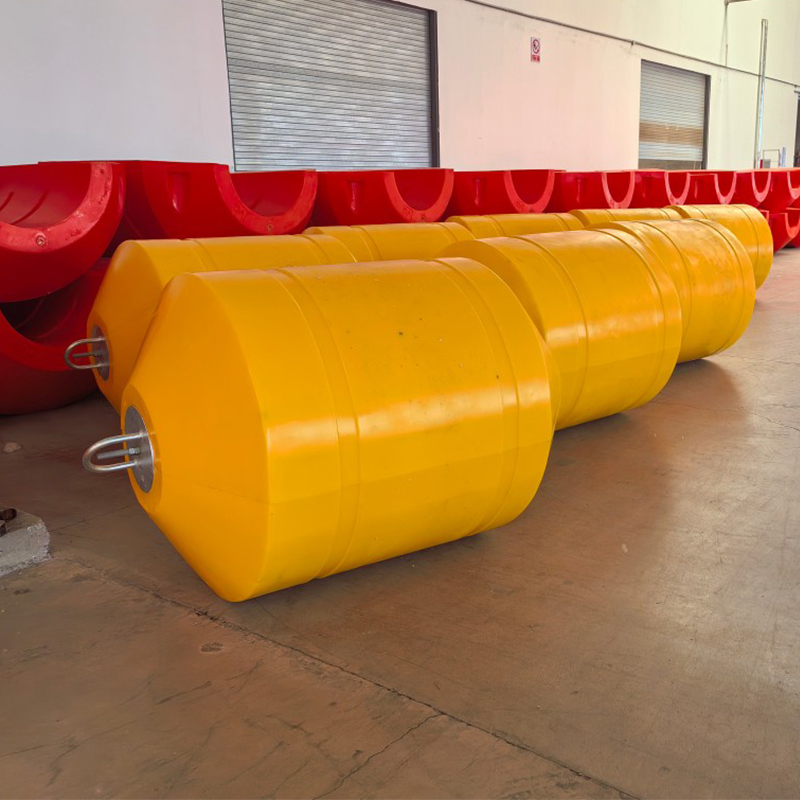
Modern polyethylene mooring buoys have become increasingly popular because they offer excellent resistance to corrosion, UV exposure, and marine environments.
Unlike traditional steel structures that require frequent surface maintenance, polyethylene shells do not rust and require very little routine servicing.
Most modern designs combine a durable polyethylene outer shell with a closed-cell foam core that continues providing buoyancy even if the shell experiences accidental impact.
This construction helps improve long-term reliability while reducing maintenance costs throughout the project lifecycle.
Installation Efficiency Can Save More Than You Expect
Many buyers focus entirely on purchase price while overlooking installation costs.
In reality, installation often represents a considerable portion of the total project budget.
A lightweight mooring buoy simplifies transportation, reduces lifting requirements, and shortens deployment time.
If your project is located in a remote coastal area or offshore construction site, these advantages become even more valuable.
Choosing equipment that is easier to install often reduces labor requirements and minimizes disruption during project execution.
Maintenance Costs Continue Long After Installation
Buying a mooring buoy is not a one-time expense.
Over the next ten or twenty years, inspection, cleaning, replacement parts, and maintenance activities will all contribute to the total ownership cost.
This is why experienced buyers increasingly evaluate lifecycle cost instead of initial purchase price.
A buoy requiring minimal maintenance may deliver greater long-term value even if its purchase price is slightly higher.
When comparing suppliers, consider how much time and expense will be required to keep the buoy operating safely over its entire service life.
Customization Is Becoming More Important
Every marine project is different.
Water depth, vessel size, mooring arrangement, environmental exposure, and local regulations all influence equipment selection.
Because of these differences, many operators now prefer custom mooring buoy solutions rather than standard catalog products.
Customized buoyancy, dimensions, colors, connection systems, and identification markings allow the buoy to integrate more effectively into the overall project.
This flexibility helps improve both operational performance and long-term maintenance efficiency.
How Juhua Supports Your Mooring Buoy Project
At Juhua Rubber & Plastics, we understand that selecting the right mooring buoy involves much more than choosing a product from a specification sheet.
We work with customers by considering the complete operating environment, expected loads, installation conditions, and long-term maintenance objectives.
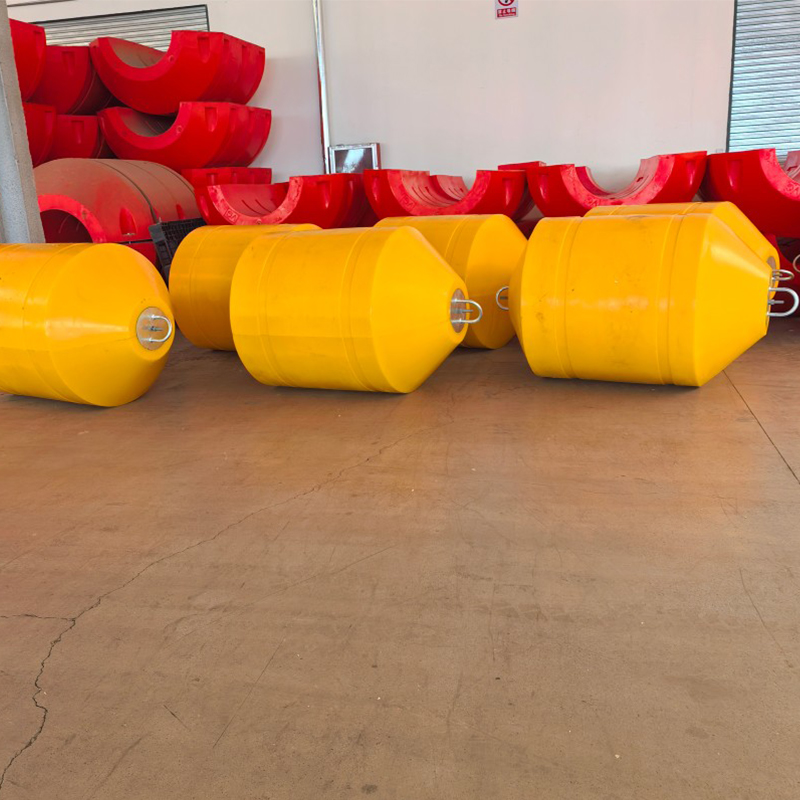
Our polyethylene mooring buoys are designed to provide reliable buoyancy, corrosion resistance, impact durability, and stable performance for demanding marine applications.
By focusing on practical engineering requirements rather than standard product specifications alone, we help you build a mooring system that delivers dependable performance throughout its operational life.
Conclusion
Choosing the right mooring buoy is a decision that affects your project long after installation is complete.
Environmental conditions, buoyancy requirements, material selection, installation efficiency, maintenance expectations, and customization options all influence long-term performance.
Instead of selecting equipment based only on initial cost, you should evaluate how the buoy will perform throughout its entire service life.
A properly engineered mooring buoy not only secures vessels safely but also reduces maintenance, improves operational efficiency, and supports reliable marine operations for years to come.
FAQ
How long does a mooring buoy typically last?
The service life depends on material quality, environmental conditions, and maintenance practices. Modern polyethylene mooring buoys commonly provide 15–30 years of service under normal operating conditions.
What size mooring buoy do you need?
The correct size depends on vessel displacement, mooring loads, environmental forces, and the overall mooring system design rather than vessel size alone.
Can a mooring buoy be customized for different projects?
Yes. Many marine projects require customized buoyancy, dimensions, colors, connection hardware, and identification markings to meet specific engineering requirements.
What is the difference between a mooring buoy and a navigation buoy?
A mooring buoy is designed to secure vessels in position, while a navigation buoy is intended to mark channels, hazards, or navigation routes and is not designed to carry mooring loads.
Media Contact
Company Name: Shandong Binzhou Giant Rubber Rubber & Plastic Co., Ltd.
Email: Send Email
Country: China
Website: https://www.pefloaters.com/