
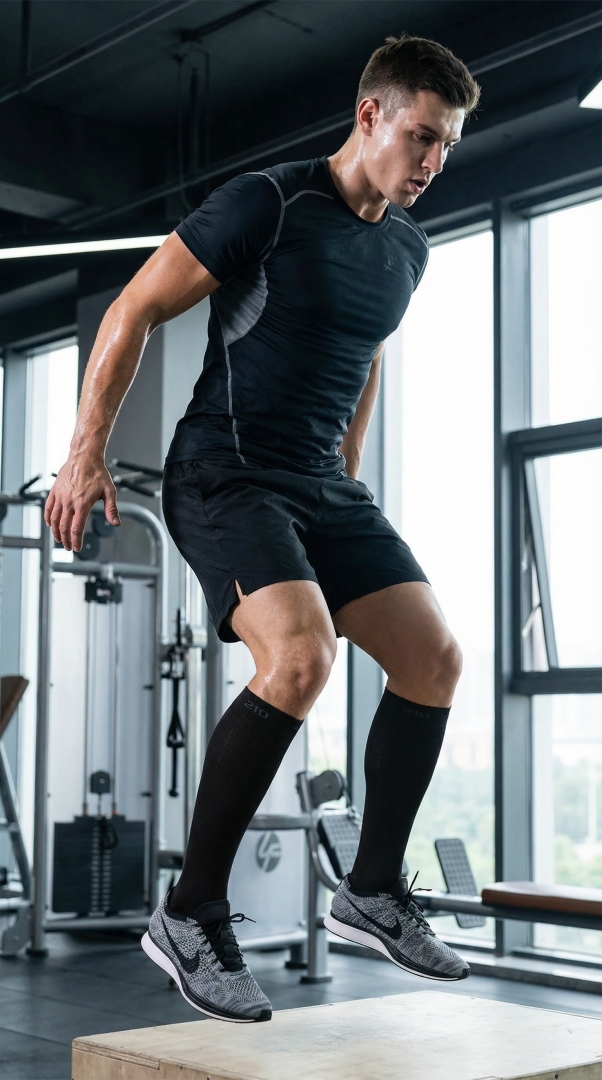
Compression socks have become a common part of training gear for runners, cyclists, and athletes across many sports. They are designed to support circulation, stabilize muscles, and assist recovery after demanding workouts.
However, not all compression socks are the same. Choosing the right pair depends on several factors including fit, compression level, activity type, and materials.
Understanding these factors can help athletes find compression socks that provide the right balance of support and comfort during both training and recovery.
Understanding Compression Levels
One of the most important features of a compression sock is the level of pressure it provides. Compression is typically measured in millimeters of mercury (mmHg), which indicates how much pressure the sock applies to the leg.
Athletic compression socks are usually designed with moderate compression, which supports circulation while still allowing freedom of movement during activity.
This level of compression is commonly used for:
-
running
-
cycling
-
gym training
-
hiking
-
team sports
Moderate compression helps support blood flow and muscle stability without feeling overly restrictive.
Graduated Compression vs Uniform Compression
Most high performance compression socks use graduated compression.
Graduated compression means the sock is tighter at the ankle and gradually decreases in pressure toward the calf. This design helps encourage blood flow upward through the veins and back toward the heart.
Uniform compression socks apply the same pressure throughout the entire sock. While these can still provide support, graduated compression is generally preferred for athletic use because it better supports circulation.
Measuring Your Calf Size
Proper fit is essential for compression socks to work effectively. If the sock is too loose, it will not provide the intended compression. If it is too tight, it may feel uncomfortable.
Athletes typically measure the circumference of the widest part of the calf to determine the correct size.
Many brands also consider:
-
calf circumference
-
sock length
-
foot size
Using the correct measurements ensures that the compression zones align properly with the muscles and veins of the lower leg.
Choosing the Right Sock Height
Compression socks come in different heights, and the right choice depends on the type of activity.
Knee high compression socks
These are the most common for running and endurance sports. They support the entire lower leg including the calf muscles and Achilles area.
Mid calf compression socks
These offer partial compression and are sometimes used for shorter workouts or gym training.
Crew or ankle compression
These provide lighter support and are typically used for comfort rather than full compression.
Athletes who participate in endurance sports usually prefer knee high compression socks because they provide the most comprehensive support for the lower leg.
Breathability and Moisture Management
Athletic compression socks should be made from materials that support breathability and moisture control.
During training, feet can sweat significantly. Moisture wicking materials help pull sweat away from the skin and allow it to evaporate more quickly.
This helps keep feet dry and comfortable during long workouts.
High quality athletic compression socks often include performance fabrics that help manage heat and moisture while maintaining durability during repeated use.
Durability for Training
Athletes put significant stress on their gear, especially during running and endurance sports.
Compression socks designed for athletic performance should be durable enough to maintain their compression and shape after repeated washes and training sessions.
Reinforced heel and toe areas, strong elastic fibers, and quality construction all contribute to longer lasting compression performance.
Designed for Performance and Recovery
The CORE210 Performance Compression Sock was created with athletes in mind.
Key features include:
-
graduated compression that supports circulation
-
breathable performance materials
-
a secure fit designed to stay in place during activity
-
durable construction built for repeated training use
These features make CORE210 socks suitable for both training and post workout recovery, allowing athletes to incorporate compression into their full performance routine.
Final Thoughts
Choosing the right compression sock can make a meaningful difference in comfort during training and recovery after workouts.
By selecting socks with the correct compression level, proper fit, breathable materials, and durable construction, athletes can support circulation and reduce fatigue during demanding physical activity.
For runners and athletes who train consistently, compression socks can be a valuable addition to their performance gear. www.copperjoint.com
Media Contact
Company Name: CopperJoint, LLC
Contact Person: Media Team
Email: Send Email
City: Nashville
State: TN
Country: United States
Website: https://www.copperjoint.com