
Sheridan, Wyoming, USA – September 1, 2026 – Picking the right crop drone can really make a big difference in how you run your farm. As agtech keeps evolving, farmers are faced with more options than ever, and it can get a bit overwhelming. Drones for farming come with all sorts of features, specs, and price tags—and understanding those differences is key to managing your farm effectively.A dependable crop drone can do wonders for monitoring your fields and even boosting your yields. Brands like DJI and Parrot have a range of options, so you can probably find one that fits your needs. These drones often come equipped with high-res cameras and smart sensors that can help you keep an eye on crop health, soil conditions, and even plan your irrigation better. But here’s the thing—not every drone is a perfect fit for every farm.Farmers really need to think about what’s most important for their own operation—like the size of the fields, what crops they’re growing, and what kind of budget they’re working with. Oh, and let’s not forget, some folks find flying and managing these drones a bit tricky at first. So, taking some time to learn how to use them properly is definitely worth it. Even with all the tech advances, it’s a good idea to step back and ask yourself if a crop drone really lines up with your farm’s goals.All in all, it’s about finding that sweet spot that makes your work easier and more productive without overcomplicating things.

Understanding the Role of Drones in Modern Agriculture
Drones are transforming modern agriculture. They provide farmers with valuable tools for precision farming. These unmanned aerial vehicles (UAVs) can collect data, monitor crop health, and optimize field management. Understanding their role is crucial for making informed decisions.
Farmers can use drones for various tasks, such as mapping fields and assessing soil conditions. They offer aerial imagery that reveals crop health issues early. This early detection can lead to better yields. However, integrating drones into farm operations may require adjustments. Training is vital. Farmers must learn how to analyze the data collected.
When selecting a crop drone, consider your farming needs. Assess the size of your fields and the type of crops grown. You may need different drones for different purposes. Some drones focus on mapping, while others specialize in spraying. Engaging with agricultural experts can provide deeper insights. Collaborative learning can refine your drone strategy.
Key Features to Consider When Choosing a Crop Drone
When choosing a crop drone, several key features should be carefully considered. The camera quality is critical for precision agriculture. High-resolution cameras provide detailed images. This is essential for monitoring crop health effectively. Additionally, look for drones with multispectral sensors. They can capture data in different light wavelengths, assisting in soil analysis and irrigation management.Battery life plays a significant role. A drone with a longer flight time covers more area in a single session. This can save time and increase efficiency on larger farms. Pay attention to the drone’s payload capacity too. It should be able to carry the necessary sensors or equipment without compromising performance.Using drones could feel overwhelming. Familiarize yourself with local regulations regarding drone usage. Training may be required to operate a drone safely and efficiently. Every farm has unique needs. Reflect on your specific agricultural requirements before making a purchase. Choosing the right drone can streamline your operations and provide valuable data for decision-making. This process requires thoughtful consideration and may involve some trial and error.
Types of Crop Drones and Their Specific Applications
Crop drones have become essential tools for precision agriculture, enabling farmers to enhance productivity and optimize resource management. Various types of crop drones cater to specific applications, making it crucial to understand their functionalities. For aerial imagery, fixed-wing drones cover larger areas. According to a 2022 report by ResearchAndMarkets, nearly 40% of farmers use fixed-wing models for crop mapping and monitoring.Multirotor drones excel in detailed inspections. They can hover, providing high-resolution images of plants. This capability is vital for identifying issues early, thus preventing crop loss. A study from the American Society of Agricultural and Biological Engineers highlighted that real-time data can improve decision-making by 25%. However, with complexity comes challenges. Operators must be skilled, and regulatory compliance is demanding.Spray drones are vital for targeted application of nutrients and pesticides. They can save time and significantly reduce chemical waste. Reports indicate that spray drones have been shown to cut application costs by up to 30%. Nonetheless, farmers should consider environmental factors, such as wind and terrain, which can affect performance. Drones are not a one-size-fits-all solution; careful consideration is needed to match the right type to the farming needs.
Evaluating Drone Technology: Camera Quality and Sensors
When selecting a crop drone, the quality of camera and sensors plays a crucial role. High-resolution cameras help farmers capture detailed imagery of their fields. A camera with at least 12 MP can provide clear visuals, allowing for precise analysis of crop health and stress levels. Recent industry reports indicate that 86% of farmers who use drones prioritize camera quality. This focus on high-resolution imaging ensures that farmers make informed decisions based on accurate data.Sensors are equally important. Multispectral sensors can capture data across different wavelengths, aiding in assessing plant health. Reports show that drones with these sensors can identify crop diseases early, potentially preventing substantial yield losses. In fact, 75% of agronomists confirm that the use of multispectral technology can enhance crop monitoring. Many farmers, however, struggle with interpreting the data collected, highlighting the need for training in drone operation and analytics.While drone technology is beneficial, not all drones are tailored for every farming operation. Factors such as field size and crop type must be considered. It’s important for farmers to reflect on their specific needs. The right combination of camera quality and sensor technology can greatly enhance farming efficiency. However, relying solely on technology without proper knowledge can lead to misinterpretations of data.
Battery Life and Flight Time: What You Need to Know
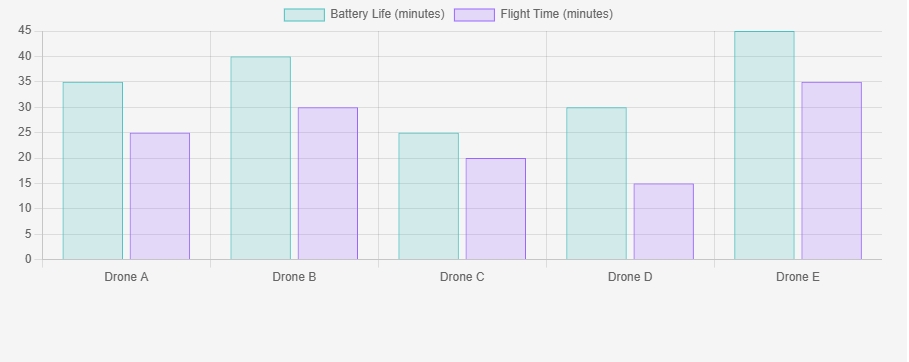
When choosing a crop drone, battery life and flight time are crucial factors. A drone with a longer battery life can cover more ground in a single flight. Many models claim to fly for 30 minutes, but real-world conditions can often shorten that time. Factors like wind speed and payload affect overall performance. Always verify manufacturer claims with user reviews for a realistic expectation.Consider your farming needs as well. Are you surveying a large area or applying pesticides? Different tasks require different flight times. For instance, a drone might excel in scouting but struggle during long-duration spraying missions. Look for drones that allow quick battery swaps. This feature helps maximize productivity and reduces downtime.Don’t overlook the charging time either. Models can vary significantly in how quickly they recharge. A drone might offer exceptional flight time but could leave you waiting for hours between flights. It’s a balance of speed, efficiency, and the specific needs of your farm. Evaluate what works best for your operation to make a well-informed choice.
Drone Battery Life and Flight Time Comparison
Regulatory Considerations for Using Drones in Agriculture
When considering crop drones for agriculture, regulatory compliance is crucial. Many regions require operators to follow specific guidelines. The Federal Aviation Administration (FAA) in the United States, for example, mandates that drone users obtain a Remote Pilot Certificate. This certification ensures that operators are knowledgeable about airspace regulations and safety procedures.Drones operating in agricultural settings must adhere to height restrictions and no-fly zones. Reports indicate that up to 50% of agricultural drones could be grounded due to non-compliance with these regulations. Farmers must familiarize themselves with local laws to avoid potential fines. Non-compliance can also lead to setbacks in crop monitoring and pest management.In recent years, there has been a growing emphasis on data privacy. Drones can capture sensitive information about farm operations. Farmers must ensure they handle data responsibly and in line with regulations. The European Union’s General Data Protection Regulation (GDPR) also impacts how drone operators manage crop data. Understanding these frameworks is vital for a successful and compliant operation.
Cost-Effectiveness: Budgeting for Your Crop Drone Purchase
When budgeting for a crop drone purchase, understanding the cost-effectiveness is crucial. Initial prices vary greatly, with estimates ranging from $1,000 to over $10,000 depending on features and capabilities. For many farmers, choosing a drone with precision agriculture features can lead to significant long-term savings. A report by the American Society of Agronomy highlights that farmers can reduce input costs by up to 15% with the help of drone technology.Operating costs also factor into the equation. Drones can efficiently collect data, minimizing labor costs and time spent on traditional scouting methods. Studies indicated that using drones for crop health monitoring can save up to 40% on labor expenses. These savings can often cover the drone’s cost within a couple of growing seasons.However, farmers must also contemplate the total cost of ownership. Maintenance, software subscriptions, and training can add up. A comprehensive analysis is essential. There is no one-size-fits-all drone. Each farm’s needs vary by size, crop type, and geographical location. It’s essential to weigh these aspects carefully against your financial situation and specific needs to ensure a wise investment.
Maximizing Crop Protection: The Role of High-Efficiency Carbon Fiber AL4-50 Drones in Modern Agriculture

High-Efficiency Carbon Fiber AL4-50 Agriculture Sprayer Drone for Farmland Crop Protection
In the rapidly evolving landscape of modern agriculture, the integration of technology has become essential for optimizing crop protection. One such innovation is the high-efficiency carbon fiber agricultural sprayer drone, which is revolutionizing the way farmers approach field management. Designed specifically for precision crop care, these drones enable targeted application of fertilizers and pesticides, minimizing wastage and environmental impact. Their lightweight carbon fiber construction not only enhances durability but also improves operational efficiency, allowing farmers to cover extensive fields with speed and accuracy.The operational capabilities of these drones extend beyond mere spraying; they facilitate large-scale field operations with ease. Equipped with advanced sensors and mapping technologies, they provide real-time data on crop health and pest infestations. This allows for timely interventions, ensuring that crops receive the necessary care precisely when needed. Furthermore, with the ability to navigate challenging terrains and varying field conditions, these drones enhance accessibility, which is particularly beneficial in regions where traditional machinery may struggle. By maximizing crop protection through targeted treatments and efficient monitoring, high-efficiency drones are becoming an indispensable tool for the modern agricultural landscape.
Conclusion
In modern agriculture, crop drones have become invaluable tools for enhancing efficiency and productivity. Understanding the various roles they play, farmers can evaluate key features that meet their specific farming needs. It’s essential to consider the different types of crop drones available, each designed for unique applications, along with advancements in drone technology like camera quality and sensor capabilities.
Additionally, assessing battery life and flight time is crucial for effective farm management. Farmers must also navigate regulatory considerations and ensure compliance with relevant laws. Finally, budgeting for a crop drone purchase requires a focus on cost-effectiveness to maximize the return on investment. By carefully considering these factors, farmers can select the best crop drone tailored to their operational requirements.
About Us
We turn drones from tools into infrastructure, enabling the global low‑altitude economy with engineering rigor and compliance.To become the core infrastructure provider for the global low‑altitude economy. We will keep integrating 5G, AI and hydrogen energy to drive standardized, intelligent and green aerial operations.
Media Contact
Company Name: UUUFLY AeroTech Corp.
Contact Person: Media Relations
Email: Send Email
Country: China
Website: https://www.viscolift.com/