
Selecting the right chamber is crucial for product reliability. Decision-makers must match chamber features to specific needs, such as available space, sample throughput, and compliance with industry standards.
- High and low temperature test chambers help identify failure modes early.
- These chambers simulate extreme temperature conditions and improve product quality.
- Chambers reduce warranty costs by testing component durability.
Define High and Low Temperature Test Needs
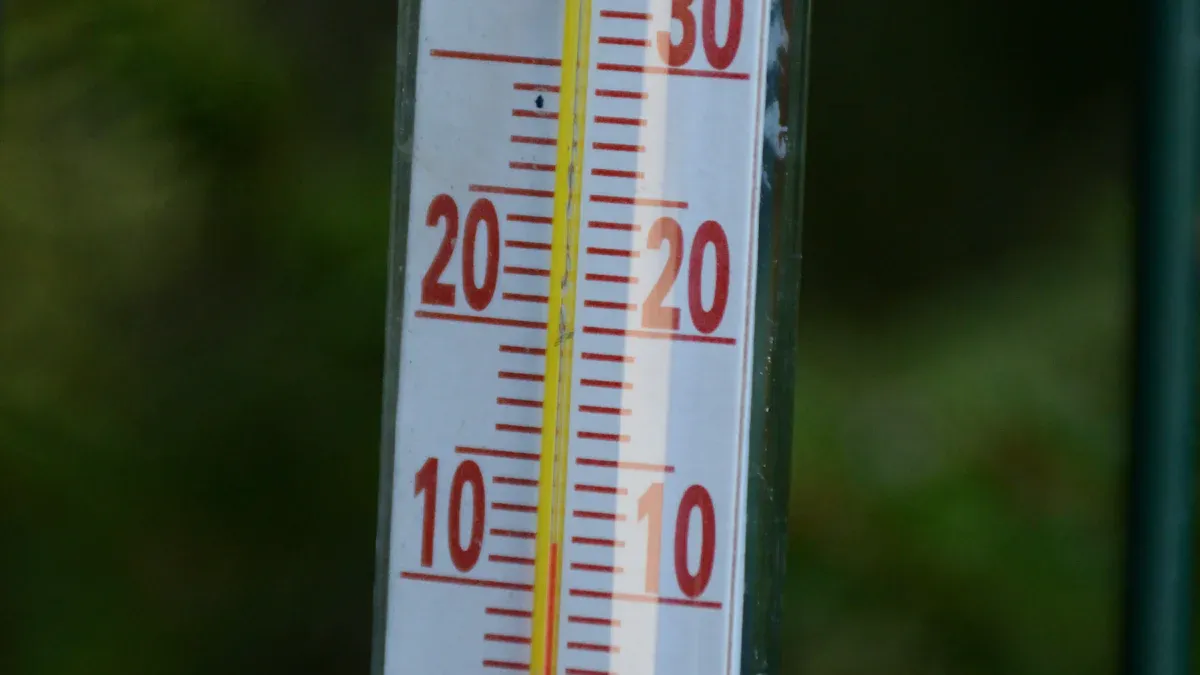
Identify Product and Testing Requirements
Decision-makers must first clarify which products require environmental test chambers. Consider the size, material, and batch volume of each item. For example, electronics, batteries, and automotive components often demand rigorous high and low temperature test procedures. Determine the reliability goals for each product. Some items need repeated thermal cycling, while others require extended exposure to humidity or altitude test chambers. Assess the throughput needed for testing. Laboratories with high sample volume benefit from dual-chamber or double-layer chamber designs. These chambers allow simultaneous testing of two batches, optimizing space and reducing R&D cycle times. Evaluate whether humidity test chambers or thermal shock test chambers are necessary for your testing requirements. This step ensures that the environmental test chamber matches the product performance objectives.
Consider Industry Standards and Environmental Conditions
Industry standards guide the selection of environmental test chambers. Electronics manufacturers often reference IEC, MIL-STD, and ASTM standards for temperature testing. The following table summarizes key standards:
| Standard | Overview | Common Tests | Target Users |
|---|---|---|---|
| IEC 60068 | Electrical/electronic product testing | Dry Heat, Cold, Thermal Shock | Consumer electronics, automotive |
| MIL-STD-810 | Military environmental durability testing | High/Low Temperature, Humidity | Aerospace, defense contractors |
| ASTM | Material and package testing | Conditioning, Humidity Resistance | Packaging, medical devices |
Automotive industry standards specify environmental conditions for temperature testing. Typical requirements include a temperature range from -70°C to 180°C and change rates from 5°C to 15°C per minute. Common standards include PV 1200, DIN 40046, IEC 60721-4, GMW 14729, and ISO 16750-4. Reference these standards to ensure chamber selection aligns with industry expectations and product reliability.
Media Contact
Company Name: Taian Intelligent Equipment (Guangdong) Co., Ltd.
Email: Send Email
Country: China
Website: https://www.taiantest.com/