
The restaurant industry is undergoing a significant transformation driven by technology. From streamlining operations to enhancing customer experience, technology is at the forefront of these changes. Understanding how these advancements are integrated is crucial for those in the industry.
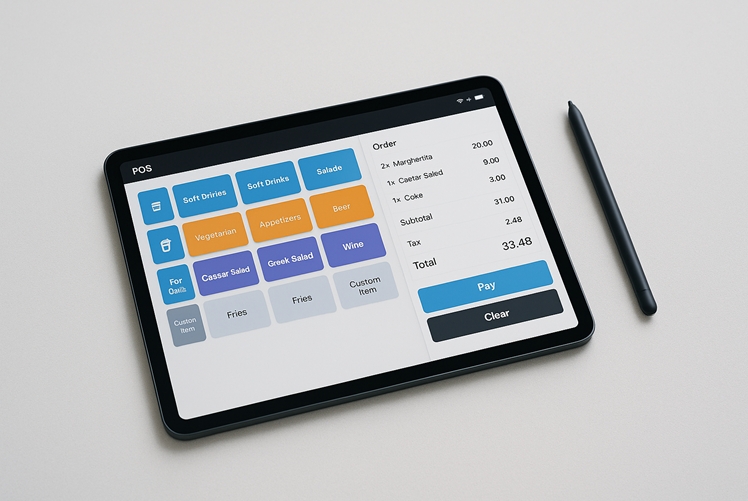
The evolution of the restaurant industry has been remarkable, with technology playing a pivotal role in meeting modern consumer demands. As dining preferences change, restaurants must adapt quickly to stay competitive. The integration of digital solutions has become indispensable for delivering efficient and personalized services. Technologies like restaurant pos system are now central to the operations of many establishments, providing seamless transactions and data management. As you explore the transformative impact of these innovations, you’ll see how they redefine both the back-end processes and customer-facing services.
Technologies reshaping restaurant operations
In today’s rapidly advancing landscape, several key technologies have emerged as game-changers for restaurants. Automation tools such as self-service kiosks and online ordering platforms have revolutionized how customers interact with establishments. These innovations streamline processes, reduce wait times, and enhance service quality. Additionally, advanced kitchen management systems optimize food preparation and inventory tracking, ensuring that restaurants operate efficiently.
Cloud-based solutions are also becoming integral to restaurant operations. By offering real-time data access and analytics, these systems enable managers to make informed decisions swiftly. They help identify trends, manage resources effectively, and improve overall performance. The flexibility provided by cloud technology allows restaurants to scale their operations seamlessly and adapt to changing market conditions.
Artificial intelligence and machine learning are increasingly being deployed to predict customer preferences and optimize menu offerings. These intelligent systems analyze vast amounts of data from past orders, seasonal trends, and customer feedback to recommend menu adjustments that maximize profitability. Predictive analytics can forecast peak hours and ingredient demand, allowing restaurants to prepare adequately and minimize waste. Integration of IoT devices throughout the kitchen enables real-time monitoring of equipment performance, alerting staff to potential maintenance issues before they result in costly breakdowns or service interruptions.
Improving customer experience with digital tools
Customer experience has taken center stage in the digital era, with technology offering numerous ways to enhance interactions. Mobile apps and loyalty programs personalize customer engagement, allowing you to offer tailored promotions and rewards that increase satisfaction and loyalty. Furthermore, digital menus and contactless payment options cater to safety-conscious diners who value convenience and speed.
Interactive table technologies are another innovation redefining how customers engage with restaurants. Through touch-screen tables or augmented reality menus, diners can explore menu options interactively, making their dining experience more enjoyable and memorable. This not only boosts customer satisfaction but also encourages repeat visits by creating a unique dining atmosphere.
Streamlining operations for efficiency
Operational efficiency is critical in managing costs and maximizing profitability in the competitive restaurant sector. Technology aids significantly in streamlining these processes by automating routine tasks such as order processing and inventory management. Integrated systems ensure accurate data flow between front-of-house and back-of-house operations, reducing errors and saving time.
Many restaurants have successfully integrated technology to reduce overheads while maintaining high service standards. For instance, smart scheduling software optimizes staff allocation based on predicted customer flow patterns, enhancing labor efficiency without compromising service quality. By embracing these technologies, restaurants can maintain a lean operation that focuses on delivering exceptional dining experiences.
Trends shaping future restaurant management
Looking forward, emerging technologies promise to further transform restaurant management practices. Artificial intelligence is set to play a more prominent role in predictive analytics, enabling better forecasting of consumer behavior and inventory needs. This foresight allows for strategic planning that aligns with market demands.
Sustainability-focused innovations are also gaining traction within the industry. From energy-efficient appliances to waste reduction technologies, restaurants are exploring eco-friendly practices that resonate with environmentally conscious consumers. As these trends gain momentum, they present opportunities for restaurants to differentiate themselves while contributing positively to environmental sustainability.
Media Contact
Company Name: Guest Innovations, Inc
Contact Person: Rezku is Paulcom
Email: Send Email
Country: United States
Website: https://rezku.com/