
A Server is the foundation of modern enterprise IT infrastructure, responsible for running applications, storing data, managing network resources, and supporting daily business operations. From small businesses to large data centers, the right Server can directly affect system performance, data security, scalability, and long-term operating efficiency.
As digital transformation continues, enterprises are generating more data and running more complex applications than ever before. Traditional computer systems are often unable to meet the requirements of virtualization, cloud computing, database management, artificial intelligence, and high-performance business applications. This makes selecting a reliable Server an important decision for IT teams.
Why Is a Server Important for Enterprise Operations?
A Server works as a centralized platform that provides computing resources and services for multiple users, devices, and applications. Unlike ordinary desktop computers, enterprise servers are designed for continuous operation, higher reliability, stronger performance, and easier management.
In business environments, servers are used to host websites, manage databases, run enterprise applications, store important files, support virtualization platforms, and provide internal services. Without reliable server infrastructure, many modern business operations would face performance limitations and security risks.
For example, companies running ERP systems need stable computing resources to manage production, inventory, finance, and customer information. Businesses operating online platforms require servers that can handle large numbers of users and requests. Research institutions and technology companies may need high-performance servers for data processing and artificial intelligence workloads.
A properly configured Server helps enterprises improve operational efficiency while providing a scalable foundation for future growth.
Different Types of Servers for Different Applications
Not all servers are designed for the same purpose. Businesses should choose server types based on their actual workloads, deployment environment, and performance requirements.
Rack Server
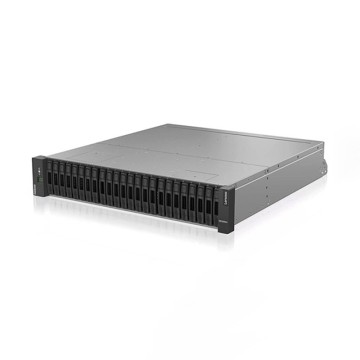
A Rack Serveris one of the most common server types used in enterprise data centers. It is instalLED inside standard server racks and is designed for environments where space efficiency and centralized management are important.
Rack servers are widely used for virtualization, cloud infrastructure, database systems, enterprise applications, and hosting services. Models such as Dell PowerEdge, Lenovo ThinkSystem, H3C Server, and Inspur Server are commonly selected by businesses that need reliable enterprise computing platforms.
The main advantage of a rack server is flexibility. Companies can deploy multiple servers in a rack, expand computing capacity gradually, and create scalable infrastructure according to business growth.
Tower Server
A tower server has a standalone design similar to a desktop computer but provides stronger enterprise features. It is often used by small and medium-sized businesses that need dedicated server resources but do not have a large data center environment.
Tower servers are suitable for file sharing, business applications, backup systems, and small database environments. They are easier to install and maintain in office environments.
Blade Server
A blade server is designed for high-density computing environments. Multiple server modules can be installed inside a shared chassis, reducing space usage and simplifying management.
Blade servers are commonly used in large enterprises, telecommunications, cloud platforms, and organizations that require highly centralized infrastructure.
Key Factors to Consider When Buying a Server
Choosing the right Server requires evaluating several important factors. A server that matches current needs but cannot support future expansion may increase costs over time.
Processor Performance
The processor is one of the most important components of a server. Enterprise servers usually use Intel Xeon, AMD EPYC, or other professional-grade processors designed for heavy workloads.
A powerful CPU helps servers handle virtualization, databases, analytics, and multiple applications simultaneously. Businesses should consider core numbers, frequency, power consumption, and workload requirements when selecting processors.
Memory Capacity
Memory directly affects how many applications a server can handle efficiently. Workloads such as virtualization, database systems, and data analytics usually require large amounts of memory.
Modern enterprise servers support high-capacity DDR4 or DDR5 memory configurations, allowing companies to run more applications and virtual machines on a single server.
Storage Configuration
Storage performance is another critical factor when choosing a Server. Different applications require different storage solutions.
SAS and SATA drives are often used for general business storage, while NVMe SSDs are preferred for applications requiring faster data access and lower latency, such as databases and analytics platforms.
A flexible server should support different storage configurations so businesses can balance performance, capacity, and cost.
Network Connectivity
Modern businesses depend heavily on fast and stable network communication. Servers may need high-speed Ethernet adapters, Fibre Channel cards, or advanced network interfaces to connect with storage systems and other infrastructure.
For data centers, network performance directly affects application response speed and user experience.
How Servers Support Virtualization and Cloud Infrastructure
Virtualization has become one of the most important applications of enterprise Server systems. Instead of running one application on one physical machine, virtualization allows multiple virtual machines to operate on the same physical server.
This helps businesses improve hardware utilization, reduce equipment costs, simplify management, and increase flexibility.
A powerful server platform can support multiple virtual machines running different applications, including databases, web services, business software, and development environments.
Private cloud infrastructure also depends on reliable servers. Companies that want more control over data security and application management often build private cloud environments using enterprise server platforms.
The Role of Storage and Network Components in Server Performance
A server is not an isolated device. Its performance depends on many connected components, including storage systems, network cards, memory modules, RAID controllers, and expansion cards.
For example, a powerful processor cannot deliver maximum performance if storage access is too slow. Similarly, applications that require large data transfers need reliable network connectivity.
Enterprise server solutions often combine servers with storage systems and networking products to create complete IT infrastructure. This integrated approach helps businesses achieve better performance, reliability, and scalability.
HSBY Server Solutions for Enterprise Customers
Hua Sheng Bo Ye (Shenzhen) Technology Co., Ltd. focuses on providing IT products and solutions for enterprise customers. The company’s product categories include Server, Components, and Carbon Fibre, covering a wide range of hardware products for modern IT environments.
HSBY provides enterprise hardware solutions including rack servers, storage products, networking equipment, server components, and related IT products. Its product portfolio includes well-known enterprise platforms such as Dell PowerEdge servers, Lenovo ThinkSystem solutions, H3C servers, Inspur servers, storage systems, and network equipment.
For customers building or upgrading data center infrastructure, HSBY can support different application requirements, including virtualization, database systems, cloud platforms, storage expansion, and enterprise hardware replacement projects.
Conclusion
A Server is a critical part of modern business infrastructure, supporting applications, data management, virtualization, storage, and network services. Choosing the right server requires careful consideration of processing power, memory, storage, networking, scalability, and future requirements.
With the development of cloud computing, artificial intelligence, and data-driven business operations, enterprises need server platforms that provide stable performance and flexible expansion.
Through its wide range of IT products and enterprise hardware solutions, HSBY helps customers build reliable infrastructure with servers, components, storage systems, and networking equipment. For businesses looking to upgrade their IT environment, selecting the right Server is an important step toward improving efficiency and supporting future growth.
FAQ
1. What is a Server used for?
A Server is used to provide computing resources, store data, run applications, manage networks, support virtualization, and provide services for multiple users or devices. It is widely used in businesses, data centers, cloud environments, and enterprise applications.
2. What types of Servers are available?
Common server types include Rack Server, Tower Server, and Blade Server. Rack servers are widely used in data centers, tower servers are suitable for small businesses, and blade servers are designed for high-density enterprise environments.
3. How do I choose the right Server?
Choosing the right Server depends on workload requirements, processor performance, memory capacity, storage needs, network connectivity, scalability, and budget. Businesses should select configurations based on current applications and future growth plans.
4. Why are enterprise Servers important?
Enterprise Server systems provide higher reliability, stronger performance, better management features, and scalability compared with ordinary computers. They are essential for running critical business applications, databases, virtualization platforms, and large-scale IT environments.
Media Contact
Company Name: Hua Sheng Bo Ye (Shenzhen) Technology Co., Ltd.
Email: Send Email
Country: China
Website: https://www.hsbytechnology.com/