
Shenzhen, Guangdong, China – November 28, 2026
How a High Quality Waterproof Kiosk Supplier Survives Coastal and Desert Climates
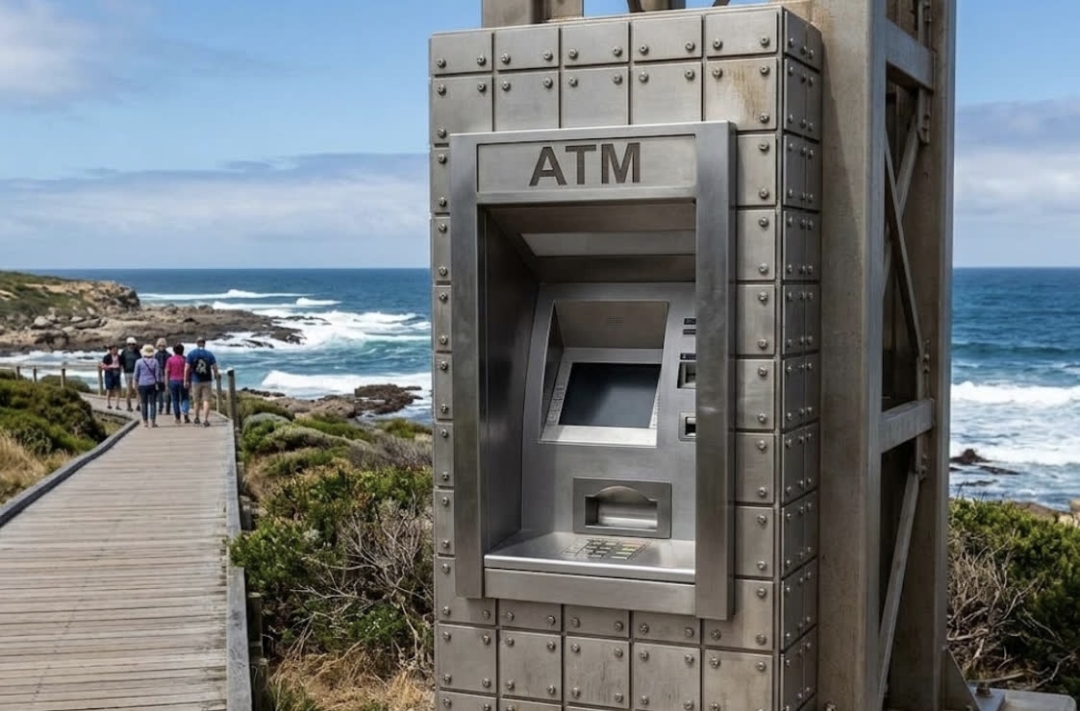
Deploying interactive electronic terminals in extreme outdoor environments presents severe engineering hurdles, complex physical security choices, and demanding thermal management challenges. Hardware system engineers and procurement officers face dual continuous threats from ambient environmental forces across different geographical regions. Along maritime coastlines, high airborne humidity laden with dissolved sodium chloride constantly attacks metallic components and exposed logic boards. In arid desert regions, extremely fine abrasive particulate matter combines with intense solar heat loads to push electronic sub-systems far beyond their intended operating limits. Identifying a High Quality Waterproof Kiosk Supplier requires evaluating how specific physical design choices, structural materials, and climate control configurations withstand environmental stress over extended operational lifespans. Standard indoor enclosures fail quickly when exposed to these brutal outdoor forces. To prevent premature component degradation, system architects must implement specialized material coatings, closed-loop active climate management, double-lip enclosure seals, and physical security mechanisms that strictly comply with international engineering safety standards.
The Environmental Matrix: Engineering Challenges in Coastal Salt Mist and Desert Dust
Coastal deployments subject interactive hardware to continuous chemical attack, moisture ingress, and rapid electrochemical degradation. Airborne sea salt deposits onto metallic chassis surfaces, initiating rapid electrochemical oxidation that corrodes structural fasteners and seam welds. Atmospheric moisture acts as a liquid electrolyte, accelerating rust formation at structural spot welds and unprotected copper trace lines. Over time, corrosion structural failures weaken heavy enclosure frames, destroy delicate motherboard connections, and cause catastrophic internal electrical shorts. Conversely, desert climates introduce extremely fine dust particles that penetrate microscopic enclosure gaps and unsealed cable entry points. These fine micro-particles settle directly on internal circuit boards, creating insulating dust layers that trap heat, degrade component thermal dissipation, and induce unexpected short circuits during high-humidity night cycles. International engineering frameworks, such as the widely recognized IEC 60529 standard, define ingress protection levels to benchmark real-world enclosure performance. An authentic IP65 rating signifies complete protection against solid particle ingress (IP6X dust-tight rating) and verified resistance against high-pressure water jets fired from any direction (IPX5 liquid rating), establishing a mandatory technical baseline for outdoor hardware survival.
Closed-Loop Climate Management: Active HVAC vs. Dual-Fan Forced Ventilation
Thermal management represents a pivotal engineering choice when designing interactive hardware terminals for geographical regions with extreme ambient temperature ranges. Direct solar radiation in desert regions easily raises internal housing temperatures well beyond 70 degrees Celsius within a few hours. Under these scorching operational conditions, standard passive heat sinks and basic ventilation fans prove completely insufficient for protecting high-nit displays and computing hardware. Industrial-grade HVAC air conditioning systems create a closed-loop internal thermal environment. This hermetically sealed thermal loop continuously circulates refrigerated air across heat-generating computing components while keeping raw outdoor air, humidity, salt sea mist, and desert sand completely outside the cabinet. This total environmental isolation protects sensitive computing motherboards, industrial power supplies, and display controllers from airborne contamination while maintaining stable operating temperatures.
For semi-outdoor installations or moderately hot geographical regions without direct solar glare, engineered dual-fan forced ventilation systems offer a practical, cost-effective thermal alternative. These specialized setups utilize positive-pressure airflow configurations paired with dense, replaceable particulate filters. Dual fans pull ambient outside air through multi-stage filter media, push the purified air across internal heat zones, and expel thermal load through shielded exhaust louvers. While this open-loop thermal method requires routine filter inspection and periodic manual replacement, it successfully manages thermal dissipation in setups where dedicated air conditioning units are unnecessary or budget-prohibitive.
Physical Enclosure Engineering: Multi-Point Sealing, Anti-Vandalism, and Shock Alarms
Preventing fluid and fine dust penetration requires precise mechanical enclosure design, heavy-duty door hardware, and extremely tight manufacturing tolerances. Standard single-point door latches compress elastomeric sealing gaskets unevenly, leaving microscopic gaps near enclosure corners where wind-driven rain can penetrate. High-performance outdoor terminals utilize multi-point compression locking mechanisms that distribute mechanical clamping force evenly along the entire door perimeter. Furthermore, mechanical engineers specify closed-cell EPDM or high-grade silicone rubber gaskets that retain their structural memory, shape, and elasticity despite severe daily temperature fluctuations. These flexible elastomeric seals prevent water entry during heavy downpours, coastal sea spray, and high-pressure maintenance washdown procedures.
Physical security forms another critical pillar of public outdoor kiosk architecture. Unattended public interactive terminals face potential vandalism, physical abuse, forced entry, and unauthorized access attempts. Structural integrity relies on reinforced heavy-gauge steel or marine-grade stainless steel housings that resist mechanical impacts and pry-bar attacks. To supplement structural chassis strength, advanced outdoor enclosures integrate internal kinetic shock detection sensors and anti-tamper security alarms. These integrated security features detect abnormal kinetic impacts, physical drilling attempts, or unauthorized door opening attempts, triggering localized audible alerts and notifying remote system monitoring networks instantly for immediate field dispatch.
Proven Field Reliability: ZKTEK’s Rugged Hardware Ecosystem for Harsh Environments
Building specialized interactive terminals for these extreme geographical environments demands rigorous manufacturing capabilities, comprehensive engineering experience, and versatile hardware solutions. ZKTEK (SHENZHEN ZHONGKONG COMPUTERS CO., LTD.) engineers hardware platforms specifically tailored to resist harsh external conditions across diverse global markets. For instance, the flagship W3 stainless steel terminal incorporates an integrated industrial HVAC unit within a heavy-duty IP65 stainless steel body, providing full weatherproofing for demanding coastal and desert locations. For deployments requiring versatile mounting options and compact structural footprints, the AW61 series offers a ruggedized free-standing structure designed specifically for high-traffic outdoor service points.
In addition to full terminal systems, specialized display components ensure clear visual communication under bright outdoor sunlight without overheating. The ZOT173 and ZOT121 waterproof projective capacitive (PCAP) touch monitors feature 3mm tempered surface glass and edge-to-edge sealed bezels, making them ideal for integration into wet, dusty, or harsh interactive setups. Furthermore, the ZK series high-brightness outdoor displays deliver superior legibility under direct solar glare through high-nit panel construction and optical bonding, effectively preventing screen blackening and solar thermal degradation over years of continuous outdoor operation.
Architectural Quality Control & Engineering Collaboration with ZKTEK
Ensuring consistent field performance across global deployment sites requires strict adherence to international manufacturing standards and rigorous quality assurance protocols. Systems engineered for outdoor deployment undergo rigorous quality management workflows certified under ISO 9001 guidelines, along with CE and FCC compliance verification. Instead of relying on unverified promotional claims, reputable manufacturers validate waterproof ratings, thermal limits, and structural durability through standardized environmental testing chambers and mechanical stress simulations. Rushing the engineering validation phase introduces severe operational risks, proving that thorough design testing remains crucial for long-term field longevity and low lifecycle maintenance costs.
Understanding the specific environmental hazards of a deployment site enables procurement teams to choose appropriate hardware architectures before issuing purchase orders. Partnering with an experienced factory team allows buyers to customize terminal configurations, peripheral options, internal layouts, and protective anti-corrosion coatings to match local climate demands. Evaluating suppliers based on verified ingress protection ratings, active thermal management capabilities, and robust structural engineering ensures reliable long-term performance across both coastal sea mist and desert heat.
To explore engineered outdoor terminals, detailed technical specifications, and OEM/ODM custom solutions, visit https://www.zktek.com/.
About Us
Founded in 2010, ZKTEK is an original manufacturer of touchscreen computerized kiosks, with over 15 years of industry experience and registered capital exceeding USD 1.4 million.
ZKTEK specializes in the design, customization, manufacturing, and optimization of self-service touchscreen solutions, including ATM kiosks, interactive kiosks, touchscreen monitors, smart lockers, currency exchange machines, and cash recycling systems. Our solutions serve demanding applications across banking, healthcare, insurance, airports, hospitality, gaming, ticketing, vending, billing, logistics, industrial computing, and security.
More than a hardware supplier, ZKTEK provides integrated, project-specific solutions, combining customized hardware, self-developed components, and software integration capabilities. From enclosure design and I/O systems to cabling, packaging, SDKs, software interfaces, and application integration, we support projects from concept to mass production.
Our experienced engineering and manufacturing teams enable us to:
Understand and develop complex requirements based on extensive industry and international project experience.
Customize components and systems, including housings, I/O, wiring, and packaging.
Support software integration and development, including SDKs, WebKit-based libraries, application integration, and interface development.
Over the years, ZKTEK has developed hundreds of touchscreen-based models and delivered solutions for a wide range of innovative self-service applications.
With flexible hardware and software integration, advanced manufacturing capabilities, and continuous technology development, ZKTEK is committed to delivering reliable, scalable, and cost-effective self-service solutions that maximize project value and ROI.
Media Contact
Company Name: ZKTEK
Contact Person: Media Relations
Email: Send Email
Country: China
Website: https://www.zktek.com/