
Graphite heating elements, as high-temperature heating devices, are widely used in many industries, including metallurgy, electronics, semiconductors, and chemicals. Graphite materials have excellent thermal conductivity, high-temperature resistance, and chemical stability, allowing them to maintain stable operation for extended periods, especially in high-temperature environments. However, the maximum working temperature of graphite heating elements is influenced by various factors, with significant differences in temperature limits between air and vacuum environments.
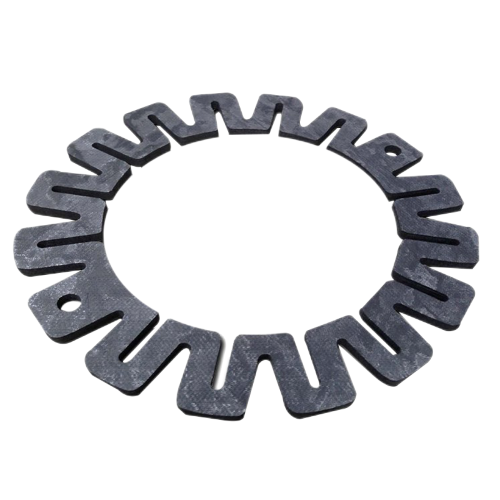
In an air environment, the maximum temperature of graphite heating elements is limited by oxidation. When the graphite heating element is heated to high temperatures, it reacts with oxygen in the air to form carbon dioxide (CO₂) or carbon monoxide (CO). This oxidation process leads to gradual material degradation and reduced performance, ultimately affecting the lifespan of the heating element. Typically, in regular air conditions, the maximum operating temperature of graphite heating elements is around 3000°C. Exceeding this temperature accelerates the oxidation rate, causing rapid deterioration of the material.
Unlike air, in a vacuum environment, oxidation is effectively suppressed. In a vacuum, the oxygen concentration is nearly zero, so no oxidation occurs on the surface of the graphite. This allows graphite materials to withstand much higher temperatures. In fact, in a vacuum, the maximum temperature of graphite can reach 3500°C or higher, a temperature that cannot be achieved in air. The advantages of vacuum conditions not only lie in the control of oxidation but also in better thermal stability and a longer lifespan. This makes graphite heating elements ideal for extreme high-temperature applications, such as semiconductor manufacturing and space exploration heating systems, where they often operate in vacuum conditions to fully utilize their material properties.
In addition to oxidation, the high-temperature strength of graphite plays a critical role in determining its temperature limit. As the temperature increases, the graphite lattice may undergo slight changes, especially when temperatures exceed a certain range. This can cause thermal expansion or the formation of surface cracks. These physical changes not only affect the mechanical properties of graphite but can also reduce the thermal stability of the heating element. Therefore, the durability of graphite at different temperatures is a key factor in determining whether it can operate safely and efficiently in specific environments.
In a vacuum environment, graphite heating elements can reach much higher temperatures because there is no oxidation to degrade the material. Additionally, in a vacuum, heat transfer is more efficient, as graphite can better transmit heat to the workpiece without the interference of oxidation. This makes graphite heating elements ideal for use in vacuum furnaces, laser melting, space heating systems, and other high-temperature applications.
However, despite the vacuum environment’s significant advantages, other factors must be considered when using graphite materials in a vacuum. For example, the thermal conductivity of graphite can change slightly due to variations in gas pressure. Therefore, the temperature control of graphite heating elements in different vacuum conditions still needs to be adjusted based on specific situations. Additionally, although oxidation is prevented in a vacuum, extreme conditions like arc discharge may still affect the stability and durability of the graphite.
In summary, the difference in the temperature limits of graphite heating elements in air and vacuum environments reflects the complex interaction between material properties and environmental factors. Oxidation in the air is the primary factor limiting graphite’s stability at high temperatures, while a vacuum environment provides a nearly oxidation-free platform, allowing graphite to operate at much higher temperatures. When selecting graphite heating elements for specific applications, it is essential to consider the operating environment to decide whether to use air or vacuum heating. For high-temperature, long-duration stable heating, graphite heating elements in vacuum environments are undoubtedly more advantageous.
Media Contact
Company Name: Ningbo VET Energy Technology Co., Ltd
Email: Send Email
Country: China
Website: https://www.vet-china.com/