
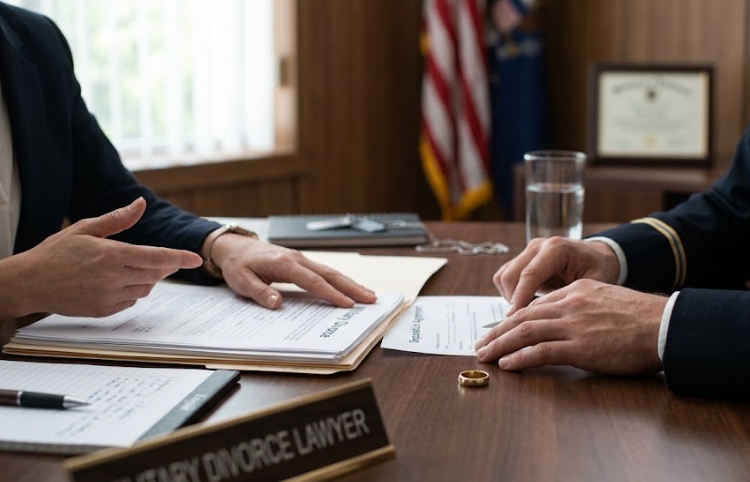
BROOKLYN, N.Y. — Oct 14, 2026 — When a spouse refuses to cooperate with a divorce, the process can become more complicated, particularly for military families managing deployments, changing duty assignments or questions about military benefits. Gordon Law, P.C. – Brooklyn Family and Divorce Lawyer is highlighting legal considerations for individuals in Brooklyn, New York, who need to understand their options when a spouse delays, avoids paperwork or disputes the terms of a divorce. Knowing how New York courts handle contested proceedings can help individuals prepare for the next steps.
A spouse’s refusal to participate does not necessarily prevent a divorce from moving forward. A military divorce lawyer Brooklyn NY, can explain the applicable filing and service requirements, help prepare the necessary documents, address disputes over custody or finances, and guide a client through available court procedures. The appropriate approach depends on the case, including whether the other spouse has been properly served, responds to the court papers and raises specific legal objections.
Understanding What Refusal to Cooperate Means
A spouse may resist a divorce in several ways. They might refuse to sign an agreement, avoid communicating about financial matters, fail to provide requested documents or decline to participate in negotiations. In other cases, a spouse may avoid receiving legal papers or fail to respond after being served.
These situations require different responses. A spouse generally does not have to agree to every term for a divorce to proceed, but the filing spouse must follow the applicable legal requirements. New York divorce cases involve procedures for filing, serving papers and addressing responses or missed deadlines. The court determines how a case may proceed based on the circumstances and procedural rules.
Individuals should avoid assuming that a spouse’s silence automatically results in a divorce judgment. Proper service, required documentation and court procedures remain important. A lawyer can review the case’s status and explain which steps may be available under New York law.
Addressing Service and Court Participation
Serving divorce papers can become a significant issue when a spouse avoids contact or lives outside New York because of military service. New York law generally requires formal service of the initial divorce papers, subject to applicable rules and court-authorized alternatives. The required method depends on the circumstances, and simply sending documents informally may not satisfy the legal requirements.
A military divorce lawyer can help determine what service procedures apply, identify documentation needed to demonstrate compliance and explain what options may be available if a spouse cannot be located or appears to be avoiding service. Alternative methods of service may require court permission, depending on the facts.
If a properly served spouse does not respond within the applicable period, the filing spouse may be able to seek a default judgment. However, a default is not automatic, and the court may require proof that service was valid and that other legal requirements have been met. The requested relief must also comply with applicable law and court procedures.
Considering Military Service and Federal Protections
Military divorce cases can involve additional procedural questions when one spouse is serving on active duty. Military duties may limit a person’s ability to attend hearings, communicate with counsel or respond to legal papers. The Servicemembers Civil Relief Act provides certain protections in qualifying civil proceedings, including potential stays under specified circumstances.
These protections do not mean that every military divorce must stop whenever a service member is involved. Their application depends on the person’s service status, ability to participate and the requirements of the law. Courts must also follow applicable procedures when considering a default judgment against a service member.
A lawyer familiar with military divorce issues can help evaluate whether federal protections may apply, explain how service obligations affect the proceedings and identify the information the court may need. This can be particularly relevant when the spouses live in different states or one spouse is stationed away from Brooklyn.
Resolving Disputes Over Children and Finances
A spouse who refuses to cooperate may also withhold financial information or disagree with proposed arrangements for children. These disputes can involve child custody, parenting time, child support, spousal maintenance, property division or military retirement benefits.
In New York, custody decisions are generally based on the child’s best interests. When parents cannot reach an agreement, the court may need to resolve disputed parenting issues. A lawyer can help organize relevant records, prepare proposals and explain the procedures for presenting the issues to the court.
Financial disputes may require reviewing tax returns, bank statements, retirement account information, property records and outstanding debts. Military retirement pay can raise additional questions under the Uniformed Services Former Spouses’ Protection Act and other applicable rules. The division of retirement benefits is not automatic, and eligibility and division depend on the circumstances and governing law.
Keeping accurate records and documenting attempts to obtain information can help clarify which issues remain unresolved. Individuals should preserve relevant communications and court documents rather than relying solely on informal conversations.
Preparing for the Next Legal Steps
People facing an uncooperative spouse can prepare for a consultation by gathering marriage information, prior court orders, financial records, military-related documents and any divorce papers already filed or served. They should also make a list of unresolved issues and note any upcoming court deadlines.
“Understanding the available legal procedures can help people make informed decisions when a divorce becomes contested,” said a representative of Gordon Law, P.C.
A lawyer can review the circumstances, explain possible approaches and discuss the practical implications of contested proceedings. Depending on the case, the next step may involve completing service, requesting court action, pursuing disclosure of financial information or preparing for a hearing. Outcomes and timelines vary, and no particular result can be guaranteed.
About Gordon Law, P.C. – Brooklyn Family and Divorce Lawyer
Gordon Law, P.C. – Brooklyn Family and Divorce Lawyer provides family law and divorce-related legal services to individuals in Brooklyn, New York, and surrounding communities. Individuals dealing with an uncooperative spouse can contact the firm to discuss their circumstances and learn about available legal options under New York law.Phone: 347-378-9090
Media Contact
Company Name: Gordon Law, P.C. – Brooklyn Family and Divorce Lawyer
Contact Person: Media Relations
Email: Send Email
Phone: (347)-378-9090
Address:32 Court St #404
City: Brooklyn
State: NY
Country: United States
Website: https://gordondivorcelawfirm.com/brooklyn/