
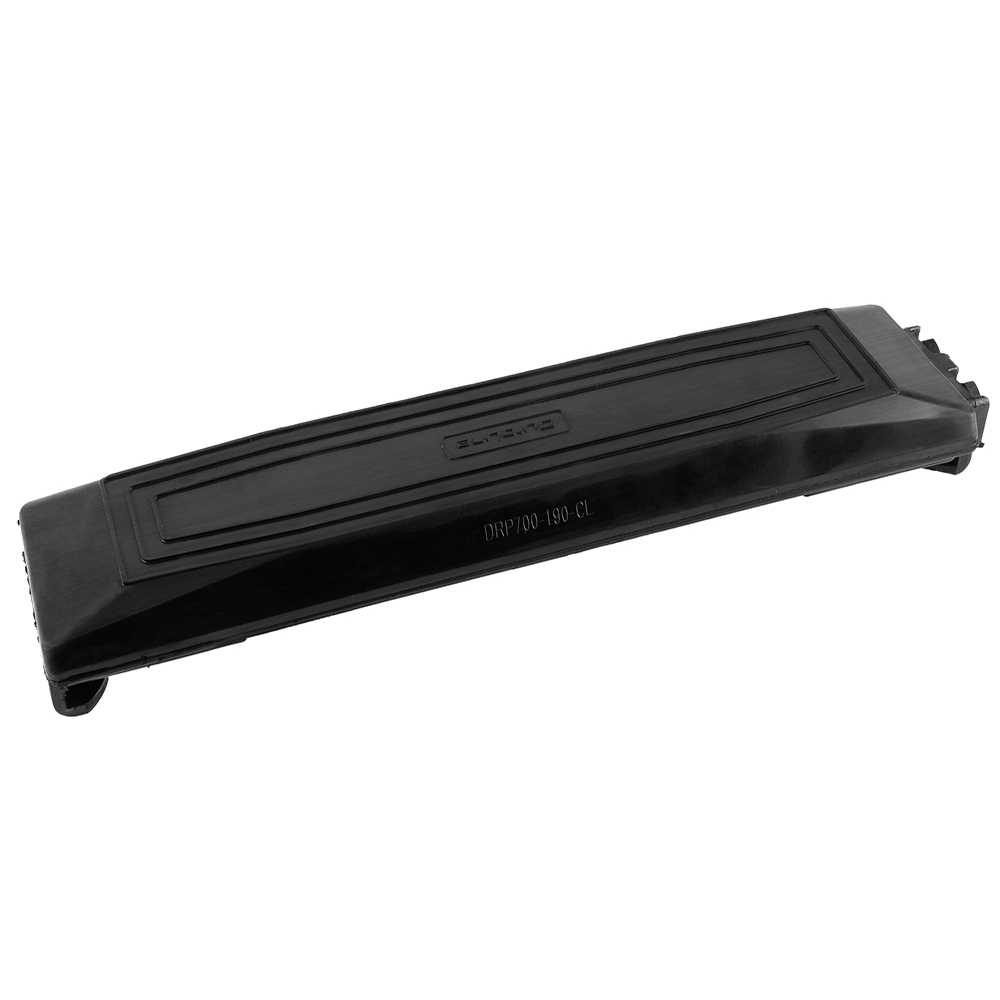
For equipment distributors, a 700mm excavator rubber pad is more than a wear part—it is a supply chain decision tied to compliance, machine uptime, and customer margin. As urban construction, road rehabilitation, and utility trenching projects increasingly restrict bare steel tracks, buyers need pads that protect paved surfaces while handling the loads of 20 to 30-ton excavators. This article examines where these pads fit in the market, what performance indicators matter, and how wholesale buyers should assess price, MOQ, landed cost, and material quality. With rubber, steel, freight, and duties all influencing profitability, informed sourcing can separate a reliable product line from a costly inventory risk.Why 700mm Excavator Rubber Pads Matter
International distributors and supply chain managers constantly evaluate heavy machinery components that balance operational efficiency with infrastructure protection. For mid-to-large excavators, typically operating in the 20 to 30-ton weight class, the transition from bare steel tracks to rubber-padded tracks has evolved from an optional upgrade to a regulatory requirement on many urban job sites. The 700mm specification plays a role in distributing machine weight while preventing damage to paved surfaces, curbs, and underground utilities.
Key Applications and Buyer Needs
In applications like urban construction, road rehabilitation, and utility trenching, municipalities increasingly mandate rubber track pads for machinery operating on asphalt or concrete. Installing 700mm pads increases the machine’s footprint, which can reduce ground pressure to an indicative 0.45 to 0.55 kg/cm², depending on the specific excavator model and weight distribution. Buyers require these pads to withstand high-friction pivot turns, heavy lifting, and abrasive debris without chunking or delaminating. Under optimal operating conditions, premium pads can achieve an estimated 2,000-hour operational cycle. However, it is important to note that stated lifespan, ground pressure, and performance metrics depend heavily on operating conditions—such as surface type, temperature, operator technique, and maintenance routines—and cannot be guaranteed generically. Furthermore, the noise reduction provided by thick rubber profiles allows contractors to comply with urban noise ordinances during early morning or nighttime shifts.
Wholesale Market and Cost Factors
Understanding the wholesale market requires evaluating variable supply chain cost factors. Global pricing for components from suppliers such as 700mm Excavator Rubber Pads fluctuates based on international commodity indices, specifically natural rubber harvests and raw steel market rates. Currently, wholesale buyers might see a typical baseline cost band ranging from $55 to $95 per individual pad, though final pricing depends on the supplier, region, steel-core thickness, rubber compound, volume, freight terms, and destination duties. Many manufacturers enforce an indicative Minimum Order Quantity (MOQ) of 100 to 200 pieces. Distributors must calculate landed costs—factoring in fluctuating ocean freight rates and INCOTERMS—to target a typical 20% to 30% profit margin when reselling to local end-users, regional dealerships, or heavy equipment rental fleets.
How to Compare 700mm Rubber Pads
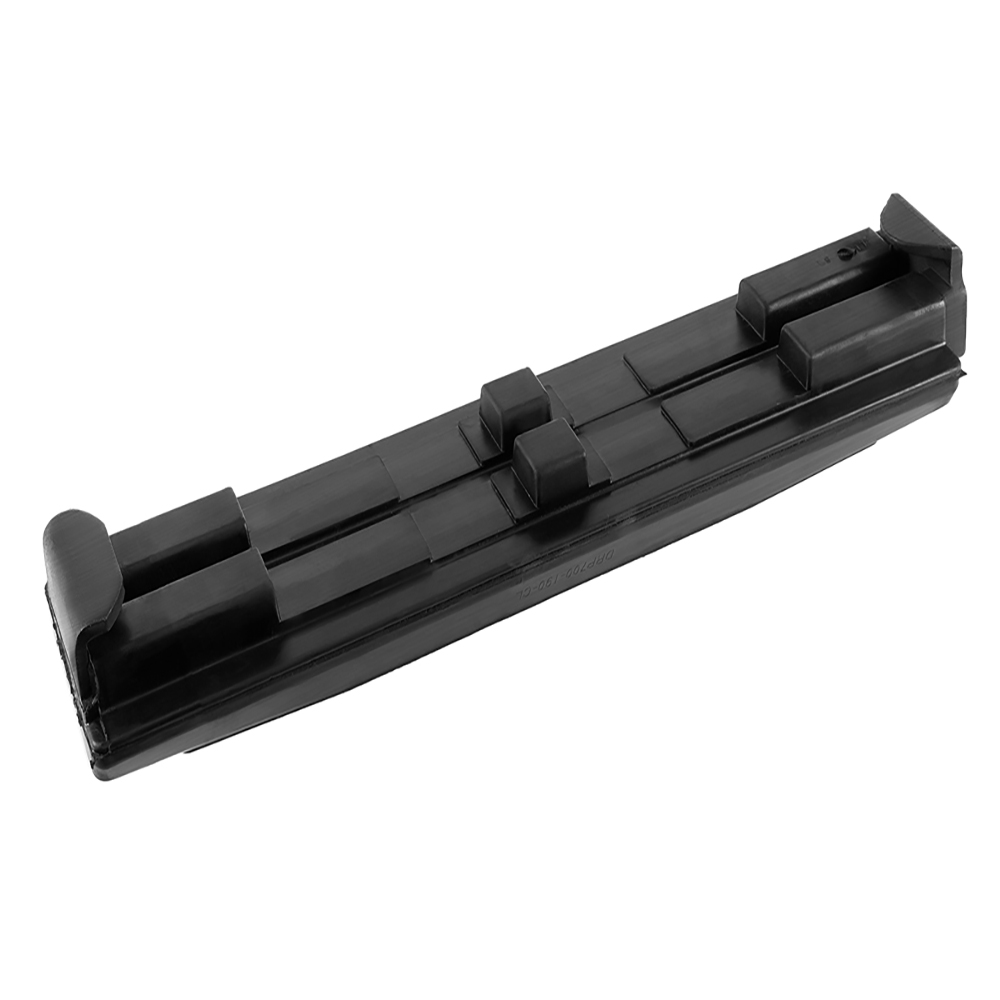
To maintain a competitive edge and protect brand reputation, procurement teams must look beyond surface-level pricing and compare the physical and chemical properties of sourced rubber pads. A visual inspection is rarely sufficient; the long-term value of a 700mm pad relies on its internal engineering, steel preparation, and material science.
Material, Steel Core, and Bolt Pattern
Core construction influences the pad’s lifespan and reliability under load. Quality products often feature a drop-forged steel core plate, typically 6mm to 8mm thick, which helps prevent the pad from bending or snapping under uneven machine weight. The rubber itself is usually a specialized blend. A common premium formulation consists of a 60/40 ratio of natural to synthetic rubber, offering tear resistance and UV stability. It is important to clarify that “700mm” denotes only the pad width; proper fitment requires verification of the specific excavator model, track chain pitch, grouser count, and bolt pattern. Width alone does not determine compatibility. To maintain objective procurement standards, the following comparative matrix is useful when evaluating potential suppliers:
| Feature | Standard Quality | Premium Quality |
|---|---|---|
| Rubber Blend Ratio | High Synthetic Content | 60/40 Natural/Synthetic |
| Steel Core Thickness | < 5mm (Prone to bending) | 6mm – 8mm (Heavy-duty) |
| Expected Lifespan | 1,000 – 1,500 hours | 2,000+ operational hours |
| Bolt Tensile Grade | Grade 8.8 Standard | Grade 10.9 High-Tensile |
| Bonding Agent | Single-layer adhesive | Multi-layer vulcanized bond |
OEM-Equivalent Quality Checklist
Establishing an OEM-equivalent quality checklist is helpful for international procurement teams. Laboratory testing data, sample testing, and pre-shipment inspection protocols are generally required before approving a commercial batch for export. The exterior rubber typically exhibits a Shore A hardness rating of 75 to 82, balancing resistance to gravel cuts with flexibility to absorb concrete impacts. Furthermore, tensile strength often exceeds 17 MPa, and elongation at break is monitored. Industry practices often target an indicative defect rate of less than 1% per container load, backed by clear warranty and return terms. Any test batch exhibiting premature edge tearing or peel strength failure between the steel core and the rubber during destructive stress tests should be flagged for factory review.
How to Source and Inspect Wholesale Orders
Sourcing heavy-duty machinery components across international borders is an exercise in risk management and logistical precision. Securing a global supply chain requires implementing vetting processes, verifying regulatory compliance, and executing logistics strategies for large-scale wholesale orders.
Supplier Qualification and Compliance
The procurement cycle begins by auditing supplier qualification and environmental compliance. An active ISO 9001:2015 certification is a standard baseline requirement for factories producing rubber tracks or excavator pads. For shipments entering the European market, the chemical composition of the rubber compounds must comply with REACH regulations, ensuring restricted polycyclic aromatic hydrocarbons (PAHs) do not exceed applicable safety thresholds, which vary by product category (e.g., 0.5 mg/kg to 1 mg/kg depending on the classification). Assessing the supplier’s production capacity is also essential; depending on the supplier’s scale, an indicative throughput of around 10,000 units per month suggests they can absorb seasonal demand spikes. Building lead-time buffers into the procurement schedule helps prevent delays during peak construction months.
Packaging, Delivery, and Final Buying Decision
The final buying decision hinges on packaging integrity and delivery logistics. Excavator rubber pads are dense and heavy; a single 700mm pad can weigh between 18 kg and 24 kg depending on the steel core thickness. Therefore, buyers generally mandate reinforced palletization, typically stacking 40 to 50 pads per heat-treated wooden pallet that is ISPM 15 compliant to prevent customs delays. Proper storage and handling protocols are equally important during transit and warehousing, as rubber pads are sensitive to UV exposure, ozone, moisture, and deformation from improper stacking during ocean freight.
Key Takeaways
- Use 700mm rubber pads on 20 to 30-ton excavators when projects require protection for asphalt, concrete, curbs, or underground utilities.
- Evaluate total landed cost, not only unit price, because freight rates, duties, INCOTERMS, and order volume can materially affect distributor margins.
- Benchmark wholesale offers against an indicative $55 to $95 per-pad range while accounting for steel-core thickness, rubber compound, and supplier terms.
- Inspect core construction carefully, as 6mm to 8mm drop-forged steel plates can improve pad stability under uneven excavator loads.
- Set resale pricing with a target margin of about 20% to 30% after calculating procurement, logistics, customs, storage, and local market costs.
- Treat lifespan estimates such as 2,000 hours as conditional, since surface type, operator technique, temperature, and maintenance routines strongly influence performance.
Frequently Asked QuestionsWhat machines typically use 700mm excavator rubber pads?
They are commonly used on mid-to-large excavators in the 20 to 30-ton class, especially where steel tracks need added surface protection on asphalt, concrete, or urban infrastructure.
Why do urban job sites require rubber track pads?
Municipalities often require rubber pads to reduce road surface damage, protect curbs and utilities, and lower noise during work near traffic, residences, or nighttime construction zones.
What is a typical wholesale price range for 700mm pads?
A common baseline range is about $55 to $95 per pad, but final pricing depends on rubber compound, steel-core thickness, order volume, freight terms, duties, and supplier location.
How long can premium 700mm excavator rubber pads last?
Under suitable conditions, premium pads may reach an estimated 2,000 operating hours. Actual lifespan depends on surface type, temperature, operator behavior, maintenance, and jobsite abrasion.
What should distributors check before placing a bulk order?
Confirm pad dimensions, bolt pattern, steel-core thickness, rubber formulation, MOQ, packaging, lead time, INCOTERMS, landed cost, and compatibility with the target excavator models.
Media Contact
Company Name: Gator Track Co., Ltd.
Email: Send Email
Country: China
Website: https://www.gatortrack.com/