
Picking out the right Reflective Tape can honestly feel a bit overwhelming at first. I mean, especially if you’re in an industry where visibility really counts, it’s a big deal. John Smith, who’s pretty much an expert on safety stuff at BrightReflect Solutions, puts it nicely: “The right Reflective Tape can be a real lifesaver by making hazards stick out.” His words remind us how important it is to go for quality materials that actually fit the specific job you’re working on. Different types of reflective tape are out there, and each one is made for different things. Whether you’re trying to improve road safety, mark out areas in a workplace, or even for outdoor adventures, you gotta know what features are most important. Things like color, width, and how well it sticks — they all play a role. Be careful though—cheap self-adhesive tapes might seem fine at first, but they can peel off or wear out pretty fast. When you’re choosing your tape, think about the environment it’ll be in. If it’s exposed to extreme temperatures or harsh chemicals, that can seriously affect how it performs. Sadly, a lot of people only realize their tape isn’t up to snuff after it’s too late. Taking a moment to consider your specific conditions can really help you make smarter choices and avoid safety hazards. At the end of the day, doing some research and chatting with the experts can make a huge difference in making sure you get what you need.
Understanding Reflective Tape and Its Uses
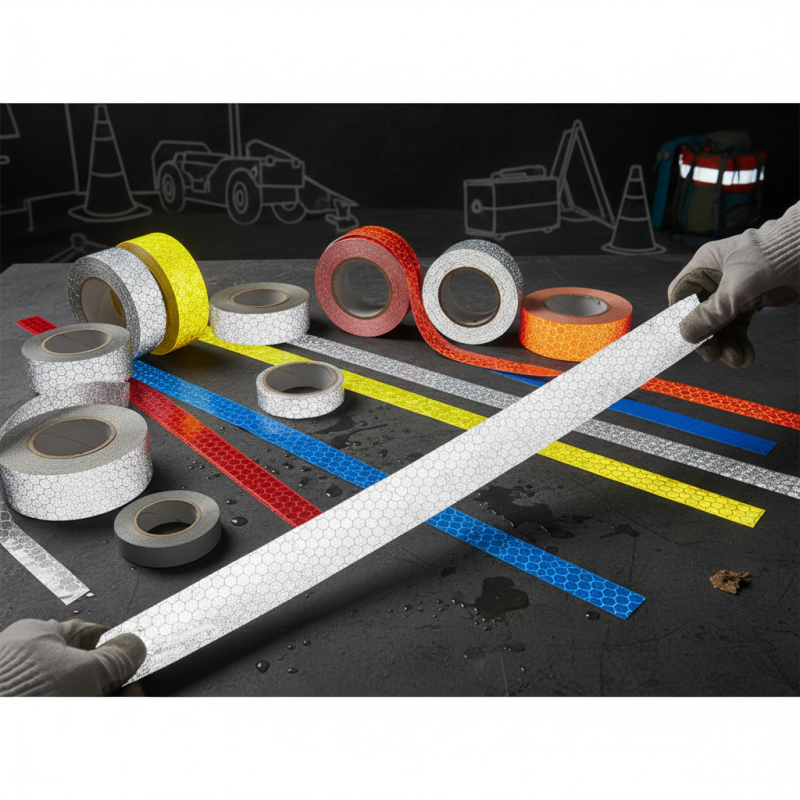
Reflective tape plays a crucial rolein safety applications across various industries. It enhances visibility under low-light conditions, making it vital for traffic signs, vehicles, and work zones. According to a report by the American National Standards Institute (ANSI), Reflective Materials reduce accident risks by up to30%. This statistic emphasizes the importance of selecting the right reflective tape for specific uses.Different types of reflective tape exist, each suited for distinct purposes. Some are designed for outdoor use, while others may be better for indoor environments. The material composition also varies, ranging from vinyl to polyester. For instance, Fr Reflective Tape is known for its durability in harsh weather conditions. This enables it to retain its reflective properties over time, which is crucial for ongoing safety measures.However, not all reflective tapes perform equally. Some may lose effectiveness due to wear and environmental factors. It is essential to regularly assess the condition of the tape. A worn-out tape may no longer provide the necessary visibility, thus increasing risks. Choosing the right type requires careful consideration of various factors, including intended use, longevity, and manufacturer specifications. Proper knowledge of these details can lead to better safety outcomes.
Types of Reflective Tape Available on the Market
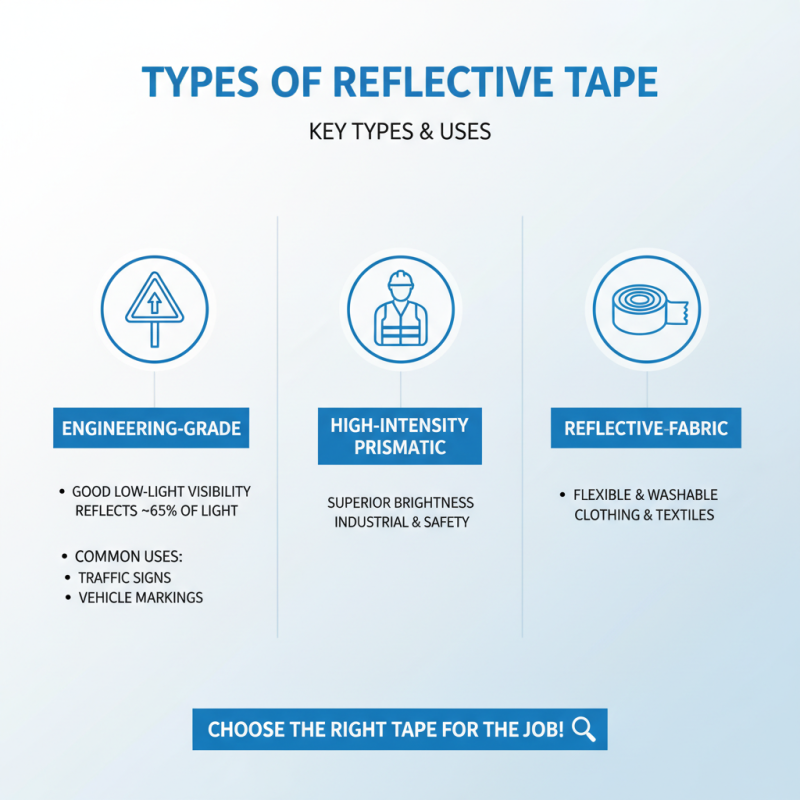
When selecting reflective tape, it’s crucial to understand the different types available. The market offers several varieties, primarily categorized by their material and intended use. Engineering grade reflective tape is the most common. It provides good visibility in low light. It is often used for traffic signs and vehicle markings. This type typically reflects up to reflective 65% of light, making it a reliable choice for many applications.Another option is high-intensity reflective tape. This type has enhanced reflectivity, offering up to 90% light reflection. It is ideal for emergency vehicles or construction zones. Studies indicate that using the correct reflective material can decrease accidents by 40%. However, some users overlook the importance of installing the tape correctly. Improper application can significantly reduce effectiveness, leading to dangerous situations.Finally, specialized reflective tapes exist, such as those designed for fabric or for extreme conditions. They may not be suitable for every situation, but they provide essential safety features. A Reflective Tape Roll specifically made for outdoor use can withstand harsh conditions, ensuring durability. Always assess your specific needs and environment before making a choice. Remember, a reflective tape is only as good as its application.
Important Factors to Consider When Choosing Reflective Tape
When selecting reflective tape, several important factors come into play. One key consideration is the brightness and visibility of the tape. The best reflective tape will catch light from headlights, making it crucial for safety. Look for tapes rated for high visibility in low-light conditions. Quality materials contribute significantly to durability. Many products wear out quickly due to exposure to the elements. Therefore, selecting a product designed to withstand harsh conditions is vital.The adhesive strength is another critical aspect. If the tape does not stick well, it can quickly peel off. This could compromise safety significantly. Testing different adhesives can help identify the most reliable options. The size and width of the reflective tape also matter. Wider tape may enhance visibility but can be challenging to work with in tight spaces.Lastly, some users overlook installation ease. Sometimes, people rush through the process and regret it later. Reading instructions may seem tedious but can prevent mistakes. Choosing the right Auto Reflective Tape requires attention to detail. Take your time; ensure you select a product that truly meets your needs and enhances safety.
Essential Tips for Choosing the Right Reflective TapeAssessing the Reflectivity and Visibility of Tape
When selecting reflective tape, assessing the reflectivity and visibility is crucial. Studies show that tape with higher luminescence can improve safety in low-light conditions by up to 250%. The type of glass beads or micro-prisms used in the tape affects its reflective qualities significantly. Better materials can enhance visibility from greater distances.Look for tapes rated by the ANSI/ISEA 107 standard. This label indicates that the tape meets industry-recognized safety requirements. Take note—some tapes may appear reflective in bright light but struggle in darkness. It’s important to test the tape in various conditions to ensure it meets your visibility needs.Consider the color as well. Colors like bright yellow or orange outperform others in visibility, especially during the day. A report by the National Highway Traffic Safety Administration highlights that yellow reflective materials are 30% more detectable than white ones at night. Despite these insights, there’s room for improvement. Many users still experience challenges in field testing their chosen tapes. Identifying the best type requires careful evaluation and sometimes, trial and error.
Evaluating Durability and Weather Resistance of Reflective Tape
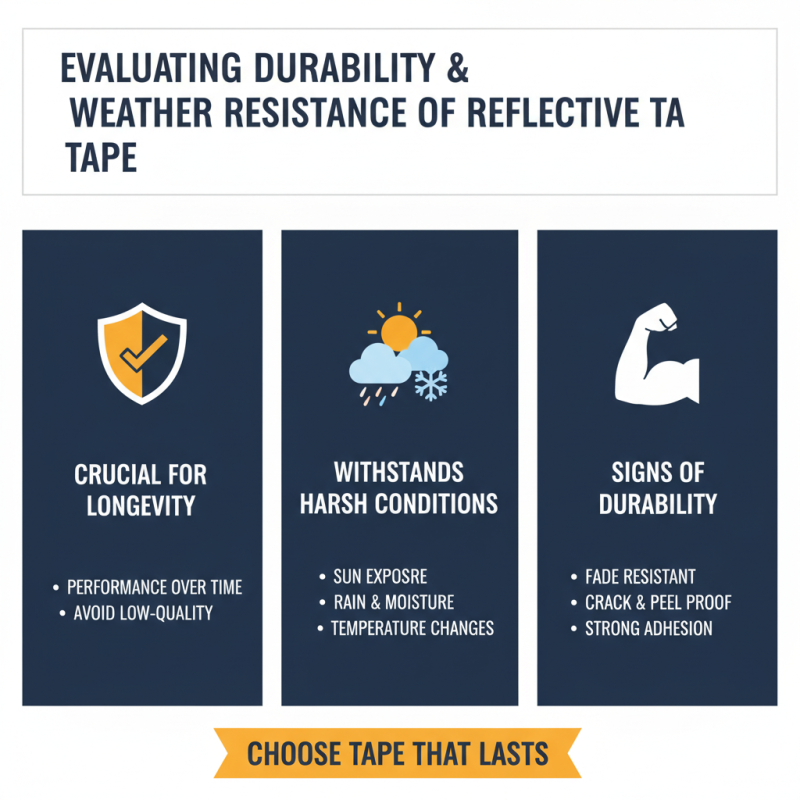
When choosing reflective tape, durability is crucial. It determines how well the tape will perform over time. Many opt for tapes that promise longevity, but not all live up to their claims. A solid option should withstand harsh weather conditions. Sun exposure, rain, and temperature fluctuations can quickly degrade low-quality tape.Thoroughly assess the tape’s resistance to these elements. Look for products that demonstrate high adhesion on various surfaces. Some tapes lose grip when wet, which could compromise safety. The best Reflective Tape Auto products endure these challenges. Customer reviews can provide insights, though they may not always reflect real-world scenarios.Ideally, test the tape before making a commitment. Apply it in different environments to gauge its performance. It’s also wise to monitor its condition regularly. Discoloration, peeling, or fading are red flags. By being vigilant, you can ensure your reflective tape remains effective for longer durations, keeping all necessary safety standards intact.
Installation Tips for Optimizing Reflective Tape Performance
When installing reflective tape, paying attention to the surface and environmental conditions can significantly impact performance. The surface should be clean, dry, and free from grease or dust. According to industry research, proper surface preparation can enhance adhesion by up to 50%. This means that time spent cleaning can lead to longer-lasting results.
Temperature is another crucial factor. Ideal installation temperatures range from 60°F to 80°F. At lower temperatures, adhesive properties may weaken. Additionally, humidity levels can affect bonding. High humidity can make adhesives less effective. Studies indicate that applying tape in less than 30% moisture can improve durability. Small changes in installation practices lead to noticeable performance enhancements.
Consider the grade of reflective tape used based on its application. Higher-grade films increase visibility at greater distances. For example, retroreflective tape can reflect light from 500 feet away. It’s essential to assess if the tape will face wear, like friction or weather conditions. Failure to evaluate these factors could lead to poor performance and frequent replacements. Reflection and visibility can ultimately protect lives, emphasizing the need for thorough preparation during installation.
Common Applications and Best Practices for Using Reflective Tape
When using reflective tape, it’s vital to understand its common applications. This tape is ideal for enhancing visibility in low-light conditions. You often see it on road signs, vehicles, and safety equipment. In emergency situations, reflective tape can save lives by making items noticeable at night or in adverse weather conditions.
Tips for using reflective tape effectively include choosing the right color and type for your needs. Bright colors like orange or yellow are often recommended for higher visibility. Ensure the surface is clean before application, as dirt can reduce adhesion. Additionally, consider the tape’s thickness and durability for outdoor use. It should withstand harsh weather.
Another important aspect is the placement of reflective tape. Position it where it will catch light easily, such as on the edges of equipment or along pathways. Avoid surfaces that will get wet or dirty, as that may hinder its effectiveness. Regularly check the condition of the tape, as wear and tear can affect its performance. Reflective tape is a simple yet powerful tool when used correctly.
Conclusion
Reflective Tape is an essential tool for enhancing visibility and safety in various environments. Understanding its uses, types, and the key factors to consider is crucial when selecting the right tape for your needs. The market offers a variety of reflective tapes, each designed for specific applications, so it’s important to assess features such as reflectivity, visibility, durability, and weather resistance before making a decision.Additionally, proper installation techniques can significantly optimize the performance of Reflective Tape, ensuring that it remains effective over time. Common applications range from road safety and construction sites to personal protective gear and vehicle enhancement. Adhering to best practices when using Reflective Tape not only improves safety for individuals but also enhances overall visibility in low-light conditions.
Media Contact
Company Name: Daoming Optics & Chemical Co., Ltd.
Email: Send Email
Phone: +8657987311606
Country: China
Website: https://www.dmreflective.com/