
Visible veins on the legs and other areas of the body are a common concern for adults across the United States. For many people, these veins are more than a cosmetic issue. They can also be associated with discomfort, heaviness, aching, and self-consciousness that affects confidence and daily life. Healthy Life Bariatrics is drawing attention to the importance of early diagnosis and treatment for varicose and spider veins, helping patients understand what causes these vein problems and what modern treatment options are available.
Varicose veins affect a large portion of the adult population and are especially common in the legs, where gravity makes it more difficult for blood to travel back toward the heart. While some cases are mild, others can become painful or progress over time. By understanding the signs and pursuing timely evaluation, patients can take meaningful steps toward improving both vascular health and physical appearance.
Understanding What Varicose Veins Are
Varicose veins are enlarged, twisted, and highly visible veins that commonly appear on the legs. They may look blue, red, or purplish beneath the skin and can sometimes rise or bulge outward. Medically, they develop when the one-way valves inside the veins stop functioning efficiently. Instead of blood flowing upward toward the heart as it should, blood begins to pool within the veins, causing them to swell and become visible.
Because the legs are the farthest point from the heart, they are especially vulnerable to this problem. When vein valves weaken or fail, pressure builds, circulation becomes less efficient, and the veins begin to enlarge.
Why Varicose Veins Develop
Several factors can contribute to the formation of varicose veins. Age is one of the most common, as vein walls and valves can weaken over time. Pregnancy and menopause may also increase risk, especially in women, due to hormonal changes and added pressure on the veins. Obesity is another important factor, as excess body weight can place additional strain on the vascular system.
Long periods of standing, a sedentary lifestyle, and family history may also increase susceptibility. In many cases, varicose veins are caused by a combination of inherited risk and lifestyle-related factors.
Common Symptoms Patients Should Not Ignore
The most obvious symptom of varicose veins is the appearance of bulging, twisted veins on the legs or other parts of the body. However, visible changes are not the only concern. Some individuals also experience aching, throbbing, heaviness, or discomfort in the affected area. Others may notice swelling or fatigue in the legs, especially after prolonged standing.
In more advanced cases, complications such as bleeding, skin irritation, or ulcer formation may occur. These symptoms should not be ignored, as they may indicate a more serious progression of venous disease.
Spider Veins Are Different, But Still Worth Evaluating
Spider veins are often confused with varicose veins, but they are not the same. Spider veins are smaller and tend to have a web-like or branching appearance. They are commonly red, blue, or purple and are often seen on the legs or face. While they are usually considered less severe than varicose veins, they can still affect appearance and confidence, and in some cases may signal underlying vein problems that deserve medical attention.
How a Specialist Diagnoses Varicose Veins
Accurate diagnosis is an important first step in choosing the right treatment. A vein specialist typically examines the affected area while the patient is standing and sitting, allowing for a better assessment of vein visibility, swelling, and symptom patterns. Patients may also be asked about pain, heaviness, aching, or any changes that worsen throughout the day.
To evaluate blood flow more closely, ultrasound imaging may be recommended. This noninvasive test uses sound waves to examine how blood is moving through the veins and can help identify malfunctioning valves, blockages, or blood clots. In some cases, additional imaging such as a venogram may also be used to provide a clearer picture of the venous system.
Lifestyle Changes Can Play an Important Role
Not every patient requires an aggressive procedure immediately. For mild cases, conservative measures may help relieve symptoms and reduce progression. Avoiding prolonged standing, maintaining a healthy weight, exercising regularly, and elevating the legs can all improve circulation and reduce pressure within the veins.
Healthy eating habits may also support vascular health, particularly when patients reduce excessive salt intake that contributes to water retention and swelling. Wearing comfortable clothing and avoiding restrictive garments around the waist, groin, and legs may further improve blood flow.
Compression Therapy and Leg Elevation Remain Important First Steps
For patients with mild to moderate vein issues, doctors often recommend leg elevation and compression therapy. Elevating the legs above heart level several times a day can help reduce swelling and improve blood return. Compression stockings apply gentle, consistent pressure that helps prevent blood from pooling within the veins throughout the day.
When used correctly and consistently, these measures can reduce discomfort, improve circulation, and help slow worsening symptoms.
Sclerotherapy Continues to Be a Trusted Treatment Option
Sclerotherapy remains one of the most common and effective treatments for many varicose veins and spider veins, especially on the legs. This outpatient treatment involves injecting a solution directly into the affected vein, which irritates the vein walls and causes them to collapse and close over time. Once the treated vein is sealed, blood is naturally redirected through healthier veins.
The procedure is performed in the office and generally does not interrupt normal daily activities for long. Many patients are able to return to work quickly and resume routine tasks the following day. Results for spider veins may become visible within a few weeks, while larger varicose veins may take several months to fade and improve.
Laser Treatments Offer Another Effective Solution
Laser vein treatment is another modern option for small varicose veins and spider veins. This approach uses focused light energy to target the affected veins without incisions. Smaller veins may improve quickly, while larger visible veins can darken initially and then gradually fade over the following weeks or months.
As with sclerotherapy, laser treatment is designed to fit easily into a patient’s routine. Recovery is typically straightforward, and patients are often able to return to normal activity soon after treatment. In many cases, compression stockings may be recommended temporarily to improve outcomes.
The Value of Early Evaluation and Personalised Care
Many people delay seeking treatment because they assume visible veins are only cosmetic. However, identifying the problem early can help patients avoid worsening symptoms and address underlying circulation issues before complications develop. Equally important, modern vein treatments can often improve comfort, mobility, confidence, and appearance at the same time.
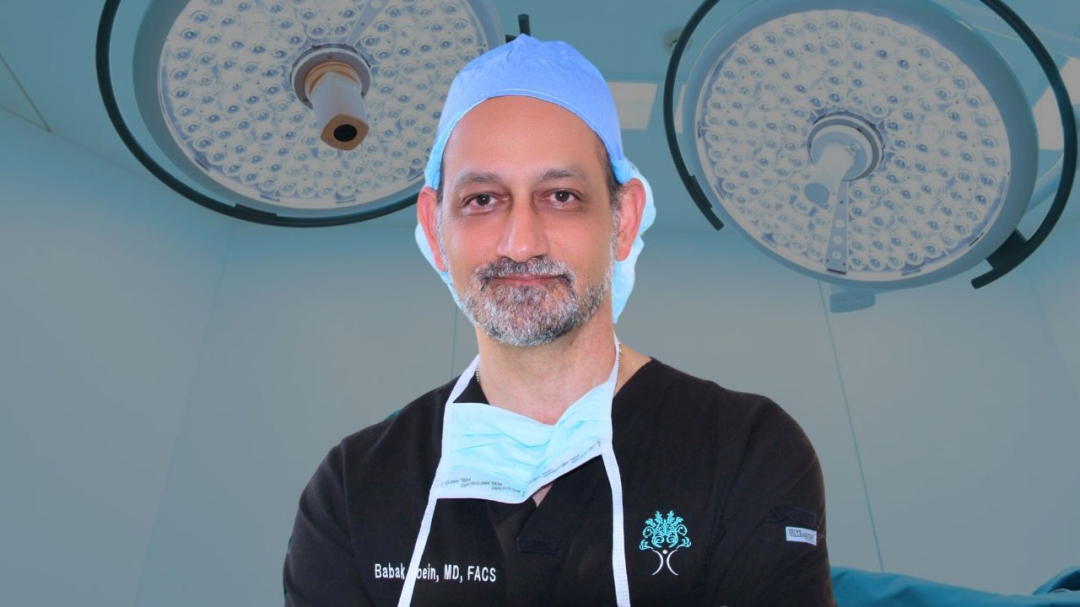
Dr. Babak Moein of Healthy Life Bariatrics encourages patients not to ignore visible leg veins, discomfort, or heaviness. A professional evaluation can clarify whether the issue involves varicose veins, spider veins, or another vascular concern and can guide patients toward the most appropriate solution.
Healthy Life Bariatrics Encourages Patients to Seek Professional Vein Evaluation
With today’s available technologies and treatment options, patients no longer need to simply live with uncomfortable or unattractive veins. From conservative therapies to minimally invasive office-based procedures, there are multiple ways to address vein problems effectively and safely.
Individuals interested in learning more about diagnosis and treatment options for varicose veins and spider veins can contact Healthy Life Bariatrics to schedule a consultation with Dr. Babak Moein.
Media Contact
Company Name: Healthy Life Bariatrics
Contact Person: Bariatric Surgeon Dr.Moeinolmolki
Email: Send Email
Phone: +1(310)861-4093
Address:2080 Century Park East, Suite 501
City: Los Angeles
State: CA
Country: United States
Website: https://healthylifebariatrics.com/