
In order to make sure that electrical equipment can be connected together safely and effectively, custom Metric Cable Glands are the best solution. They are extremely versatile, have very high precision when installing the metric mounting hardware, and are also very durable.
This complete guide will give you an overview of everything you need to know about using Metric Cable Glands and will help you make the right decision when specifying these products based on your specific needs and projects, including metrics for all metric cable gland types, applications, installation tips, technical specifications, comparative materials, and FAQs, as well as installation tips based on how to install a metric cable gland, with suitable videos to assist you in the selection process!
What is a Metric Cable Gland?
A metric cable gland connects or holds wires from cables in a secure position or enclosure, ensuring the wires can be connected together and the actual enclosure can maintain its integrity. The word “metric” refers to the standards used to create the threading on these types of cable glands, i.e., they’re made using metric-sized threads. Metric Cable Glands are generally thought to be one of the most efficient means of connecting or holding wires and cables inside their enclosures due to their ability to seal off and protect from external factors like water infiltration, dust, dirt, and vibration.
Key Features and Advantages of Metric Cable Glands
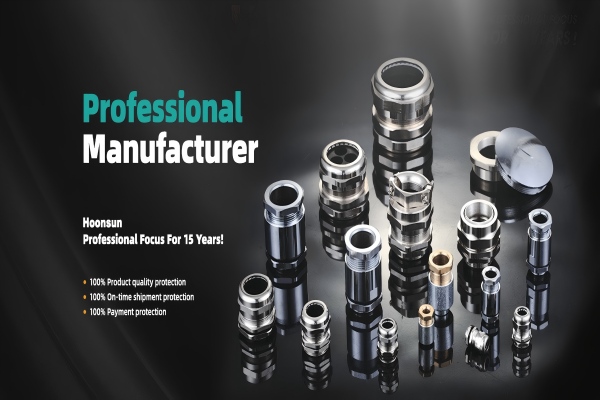
Brass thread Metric Cable Glands, including brass thread waterproof Metric Cable Glands, are widely used due to their sturdy construction, as well as many other benefits. Some significant features and advantages of using metric cable-type threaded solutions include:
Superior sealing protection against entering water, dust, and dirt.
Universal acceptance of most cable sizes and widths due to metric thread size standardization.
Manufactured from materials such as brass, stainless steel, nylon, and plastic to meet various compliance requirements.
Capable of withstanding extreme temperatures, UV light radiation, and corrosive agents.
Easy installation and maintenance of metric cable-type solutions.
Provide reliable connections, minimizing safety risks as they pertain to electrical installations.
Custom-Metric-Cable-Gland-Measurements
When your project has unique and non-standard requirements, custom products are the only answer. Custom metric cable gland dimensions are frequently provided by manufacturers as needed for specific wiring and enclosure purposes. Projects requiring smaller glands, like precision equipment, or larger glands for heavy-duty applications can utilize the custom options available to guarantee proper fitting and an assurance of longevity in performance.
Common Uses of Metric Cable Glands
Industrial machinery and process automation systems.
Solar and wind renewable energy installations.
Marine environments that require waterproof cable glands.
Telecommunication systems with secure wiring solutions.
Electrical panels for commercial and residential buildings.
Installation Guidelines for Metric Threaded Cable Glands
The key elements necessary for optimal functionality when installing metric cable glands include following the correct installation steps. Here is a guide to help you through the entire installation process:
When installing metric cable glands, always start with selecting a size specification that matches the diameter of your cable.
Before installing the metric cable gland, check to ensure that the entry points into the enclosure are clean and free of moisture.
Insert the electrical cable into the cable gland and tighten the seal nut securely to keep the cable in place.
Check the lock or locking mechanism on the cable gland to ensure it will not loosen after the installation process is completed.
Finally, inspect to ensure there are no visible gaps or misalignments.
Materials Used for Metric Cable Glands
Brass: Extremely durable and resistant to corrosion, a common material found in all types of industrial applications.
Plastic: Lightweight and very cost-effective in low-stress environments.
Stainless Steel: Best-rated corrosion resistance, suitable for marine and chemical industries.
Nylon: Excellent impact resistance and suitable for applications requiring waterproof sealing.
Application Sealing Performance of Metric
Cable Glands
Sealing performance is extremely important when utilizing metric cable glands. Standard metric cable glands have an International standard Ingress Protection (IP) rating of either IP66 or IP68. These ratings determine the gland’s ability to prevent moisture and dirt from entering an electrical box. Many high-quality, waterproof metric cable glands use additional sealing rings to create an added level of protection for cables and electrical equipment against environmental elements.
Frequently Asked Questions About Metric Cable Glands
Q: What is the standard size for metric cable glands?
A: Standard sizes of metric cable glands range from M12 through M63, designed to fit a variety of cable diameters.
Q: What is the difference between a metric cable gland and a PG (Panzergewinde) cable gland?
A: A metric cable gland uses a metric thread, while a PG cable gland uses a PG thread. Metric cable glands are preferable for newer installations as they follow global standards.
Q: What types of materials are commonly used for industrial metric cable glands?
A: Brass, stainless steel, nylon, and plastic are the most common materials used for industrial metric cable glands, each appropriate for specific environments.
Q: Where do I find durable metric cable glands at factory pricing?
A: Look for industrial metric cable gland suppliers specializing in the production and supply of metric cable glands, as many can provide factory pricing and customization capabilities.
Q: How do I properly install metric cable glands?
A: Select the proper size of gland, clean entry points, insert and tighten the sealing nut, and perform a final inspection to ensure proper fitting.
Standard Specification for Metric Cable Threads
Standard metric threads conform to international standards such as ISO 965 and DIN 13. These threads have a specified outer diameter and pitch, allowing for standardization and consistent use worldwide. Additionally, metric cable glands provide superior usability due to their smooth finish.
Where can I find the right metric cable gland?
Finding a proper supplier and producer for your metric cable gland is extremely important for ensuring quality and reliability. Check a supplier’s track record for producing quality industrial metric cable glands and ensure they are certified by CE and UL. Seek out suppliers that offer customizations, and purchasing directly from the manufacturer often provides lower pricing without compromising quality.
Conclusion
Metric cable glands are used in various industries, providing safe, reliable, and protected electrical installations. By understanding the materials, sizes, standards, and applications, and choosing the right supplier, using a metric cable gland can be a cost-effective, safe solution for your needs. Purchase the right metric cable gland today to ensure the long-term reliability of your electrical projects.
Media Contact
Company Name: Zhejiang Hoonsun Cable Gland Co., Ltd.
Email: Send Email
Country: China
Website: https://www.cnhoonsun.com/